Psalms 16
Bib La · Tap a verse to see its cross-references.
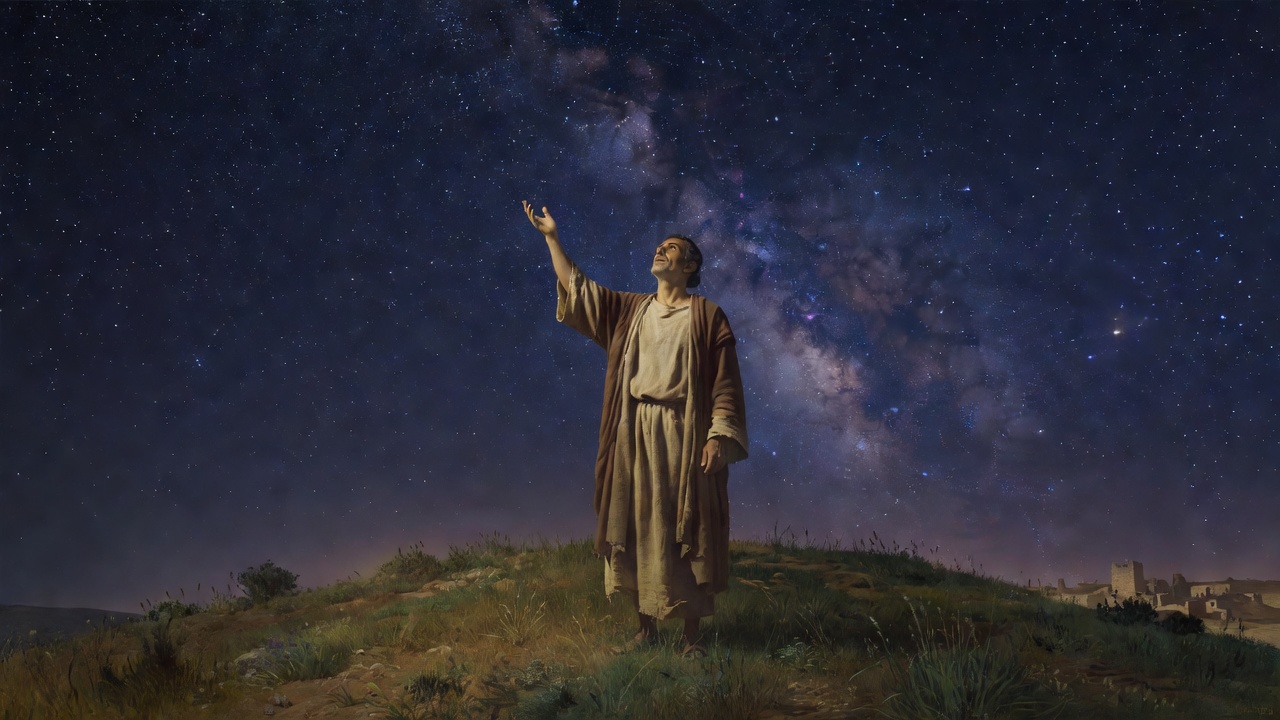
1Sè yon kantik David. Pwoteje m', Bondye, paske se bò kote ou m'ap chache pwoteksyon. 2Mwen di Seyè a: -Se ou ki sèl Mèt mwen. Se ou menm ki tout mwen. Pa gen pase ou! 3Tout plezi m' se pou m' toujou la avè moun k'ap sèvi Seyè a nan peyi a. 4Moun k'ap kouri dèyè tout lòt bondye yo, se traka y'ap chache bay tèt yo. Mwen p'ap mele nan ofrann bèt y'ap fè. Mwen p'ap janm nonmen non bondye sa yo. 5Seyè, se ou menm ki tout byen mwen. Se ou ki ban m' tou sa m' merite. Lavi m' nan men ou. 6Ala yon bèl eritaj ki vin pou mwen! Ala kontan mwen kontan pou pòsyon pa m' lan! 7M'ap fè lwanj Seyè a paske li ban m' bon konsèy. Menm lannwit, konsyans mwen di m' sa pou m' fè. 8Mwen toujou mete Seyè a devan je m'. Paske li toujou bò kote m'. Anyen pa ka brannen m'. 9Se poutèt sa, kè m' kontan anpil. Mwen santi se tout tan mwen ta chante. Ata kò mwen m'ap poze ak konfyans nan Bondye. 10Paske ou p'ap kite m' kote mò yo ye a, ou p'ap penmèt moun k'ap sèvi ou la pouri anba tè. 11W'a fè m' konnen chemen ki bay lavi a. Paske ou la avè m', mwen pa manke kontan. Bò kote ou, Seyè, se yon plèzi ki p'ap janm fini.
Did you know?
The Lord as Inheritance and Refuge
- The psalmist uses the imagery of measuring lines and land distribution to describe God as an inheritance. By stating that the boundary lines have fallen in pleasant places, the text portrays devotion to the Lord through the metaphor of a secure and delightful plot of land.Sources: the Bible text itself
- The text contrasts loyalty to God with the practices of those pursuing other deities. The speaker explicitly refuses to participate in foreign rituals involving libations of blood or even speak the names of those gods.Sources: the Bible text itself
- The psalm closes with confidence regarding mortality, affirming that God will not abandon the speaker's soul to Sheol or allow His devoted one to experience decay, but instead will show the path of life and joyful presence.Sources: the Bible text itself
Notes written with AI assistance from open sources (Theographic Bible Metadata, CC BY-SA 4.0; Easton’s Bible Dictionary, public domain) and reviewed before publishing.
Credits and license for this translation
Bib La
The Holy Bible in Haitian Creole
Public Domain
Language: Kreyòl Ayisyen (Haitian)
In the Public Domain due to publication without copyright notice in 1985, and without subsequent registration within 5 years.
2020-03-10
Source: http://ebible.org/hat/ · eBible.org