Proverbs 31
Bib La · Tap a verse to see its cross-references.
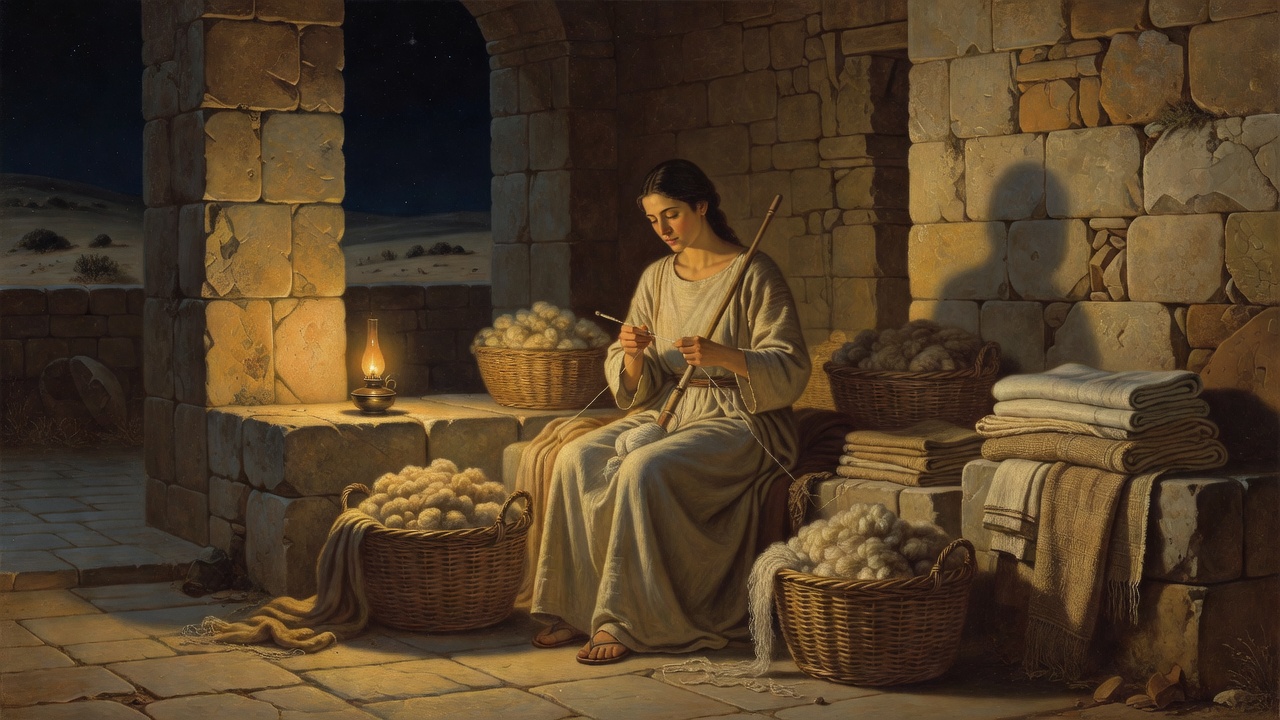
1Men Pawòl wa Lemwèl, men konsèy manman l' te ba li: 2Kisa pou m' di ou, pitit mwen, pitit ki soti nan zantray mwen? Se mwen ki te mande Bondye pou l' ban mwen ou. Kisa pou m' di ou? 3Pa gaspiye kouray ou nan fanm. Veye zo ou ak fanm k'ap fè malè chèf yo. 4Lemwèl monchè, yon wa pa fèt pou nan bwè bweson. Chèf pa fèt pou nan bwè gwòg. 5Lè yo bwè konsa, yo bliye lòd yo te bay. Yo p'ap pran ka malere yo. 6Se moun ki dekouraje ak lavi ki tonbe nan gwòg. Se moun ki gen gwo lapenn nan kè yo ki lage kò yo nan bweson. 7Yo bwè pou yo bliye mizè yo, pou yo pa chonje lapenn yo. 8Louvri bouch ou pale pou moun ki pa ka pale pou tèt yo. Defann kòz moun ki san sekou yo. 9Pale pou yo. Pa fè patipri. Defann kòz malere yo ak endijan yo. 10Sa pa fasil pou moun jwenn yon bon madanm. Lè li jwenn li, li gen plis valè pase yon boul lò. 11Mari l' mete tout konfyans li nan li. Tout bagay ap mache byen lakay li. 12Madanm lan p'ap janm aji mal ak mari l', l'ap pase tout lavi l' ap fè l' byen. 13Li chache lenn mouton ak fil swa, li travay yo fè twal ak men l'. 14Tankou bato k'ap pote machandiz, li al byen lwen chache manje mete nan kay la. 15Solèy poko leve, li gen tan sou pye l', l'ap pare manje pou moun nan kay la. L'ap di sèvant yo sa pou yo fè. 16Li fè lide sou yon tè, li achte l' ak lajan li fè ak men l'. Li fè jaden rezen sou li. 17Li mare ren l', li twouse manch rad li pou l' travay. 18Li santi zafè l' ap mache byen, li rete byen ta lannwit ap travay. 19Li file koton, li koud rad li. 20Li lonje men l' bay pòv. Li pran ka malere. 21Li pa pè fredi pou moun lakay li, paske tout moun gen rad cho pou mete sou yo. 22Li fè kouvèti lenn pou kabann yo. Tout rad li yo fèt ak twal wouj tise byen sere. 23Mari l', se yonn nan chèf fanmi lavil la. Tout moun lavil la ap nonmen non l' an byen. 24Madanm li fe rad pou l' vann, li fè bèl senti, li vann yo ak machann. 25Li gen anpil kouraj, tout moun respekte l', li pa pè denmen. 26Lè li louvri bouch li, se bon konsèy li bay. Li toujou gen bon pawòl nan bouch li. 27Li konnen vire tounen tout moun nan kay la. Li toujou gen yon bagay l'ap fè. 28Tout pitit li yo ap fè l' konpliman. Mari l' menm ap fè lwanj li. 29L'ap di: Mwen konnen anpil madanm. Men ou menm, nanpwen tankou ou! 30Bèl fanm pa di bon madanm pou sa. Bèl figi pa la pou lontan. Men, y'a fè lwanj yon fanm ki gen krentif pou Seyè a. 31Ba li sa ki pou li a. Lè y'a wè sa l' fè, se pou tout moun fè lwanj li.
Did you know?
Advice to a King and the Noble Woman
- The historical identity of King Lemuel is not certainly known outside this passage. His name means dedicated to God, and while rabbinic tradition identified him with King Solomon, the text presents him receiving moral instruction and guidance on righteous leadership directly from his mother.Sources: Lemuel · Mother of Lemuel · the Bible text itself
- The poem in the second half of the chapter describes a capable woman managing varied economic affairs, including evaluating and buying real estate, planting a vineyard, producing textiles, and trading with merchants, all while providing for her household and aiding the poor.Sources: the Bible text itself
Notes written with AI assistance from open sources (Theographic Bible Metadata, CC BY-SA 4.0; Easton’s Bible Dictionary, public domain) and reviewed before publishing.
Credits and license for this translation
Bib La
The Holy Bible in Haitian Creole
Public Domain
Language: Kreyòl Ayisyen (Haitian)
In the Public Domain due to publication without copyright notice in 1985, and without subsequent registration within 5 years.
2020-03-10
Source: http://ebible.org/hat/ · eBible.org