Micah 6
Bib La · Tap a verse to see its cross-references.
1Koute sa Seyè a ap di: -Leve non! Vin plede kòz ou devan gwo mòn yo! Kite ti mòn yo tande sa ou gen pou di a! 2Nou menm, mòn yo, nou menm ki fondasyon tè a pou tout tan, tande plent Seyè a ap vin pote pou pèp li a! Wi, li pral pote plent pou pèp Izrayèl la! Li gen yon kòz pou l' plede ak li! 3Seyè a di: Ooo! Pèp mwen! Kisa mwen fè nou kifè nou bouke avè m' konsa? Reponn mwen non! 4Mwen fè nou soti kite peyi Lejip la. Mwen wete nou nan esklavaj nou te ye nan peyi sa a! Mwen voye Moyiz, Arawon ak Miryam pou kondi nou ale. 5Ooo! Pèp mwen! Chonje sa Balak, wa peyi Moab la, te fè lide fè nou, ak ki jan Balaram, pitit Bèyò a, te reponn li! Chonje sa ki te rive nou nan vwayaj nou an, lè nou te fin kite Sitim, anvan nou te rive Gilgal! Chonje tout bagay sa yo pou nou ka konprann sa m' te fè pou delivre nou! 6Lè sa a, pèp la di: Kisa m'a pote ofri bay Seyè a, Bondye ki nan syèl la, lè m'a vin adore l'? Eske m'a pote pou li jenn ti towo bèf ki fèk gen ennan pou yo ka boule pou li? 7Eske Seyè a ap kontan si m' pote ba li mil belye mouton ak di mil barik lwil? Eske m'a ofri premye pitit gason m' lan pou m' peye pou sa m' fè ki mal? Eske mwen ka pran sa ki soti nan zantray mwen pou m' bay pou kouvri peche mwen? 8Y'a reponn li: Non monchè. Seyè a te moutre ou sa ki byen. Tou sa li mande ou, se pou ou fè sa ki dwat, se pou ou gen kè sansib nan tout sa w'ap fè, se pou ou mache san lògèy devan li. 9Lè yon moun gen konprann, li gen krentif pou Seyè a. Seyè a ap rele moun lavil Jerizalèm yo: Koute m' byen, nou tout ki reyini nan lavil la! 10Lakay moun mechan yo plen byen yo achte ak move lajan! Y'ap sèvi ak fo mamit, bagay mwen pa vle wè. 11Ki jan ou vle pou m' padonnen bann moun sa yo k'ap sèvi ak move balans, ak fo mamit? 12Moun rich nan lavil la ap peze pòv malere yo. Yo tout se yon bann mantò: Bonjou yo pa laverite! 13Se poutèt sa m'ap manyen ak nou. Akòz peche nou yo, m'ap fini ak nou nèt. 14N'ap manje, men vant nou p'ap janm plen, n'ap grangou toujou. Lè nou konprann se sere n'ap sere pou pita, sa p'ap sèvi nou anyen. Avèk lagè m'ap voye sou nou an, n'ap pèdi tou sa nou te sere a. 15N'a plante, men se pa nou ki va rekòlte. N'a kraze grenn oliv pou fè lwil, men nou p'ap gen tan sèvi avè l'. N'a kraze rezen fè diven, men nou p'ap gen tan goute ladan l'. 16Nou pran swiv move mès wa Omri a ansanm ak move bagay wa Akab, pitit gason l' lan, t'ap fè a. N'ap fè menm bagay yo t'ap fè a toujou. Se poutèt sa, m'ap fè malè tonbe sou nou. Tout moun pral rele chalbari dèyè nou. Moun toupatou pral trete nou tankou fatra.
Did you know?
The Lord's Lawsuit and True Requirements
- The chapter opens as a legal covenant dispute where God calls the mountains and foundations of the earth to stand as witnesses against Israel. God reminds the people of his faithfulness in delivering them from Egypt under Moses, Aaron, and Miriam, and protecting them from Balak of Moab through Balaam during their journey from Shittim to Gilgal.Sources: the Bible text itself · Miriam · Balak · Balaam
- The text contrasts extreme outward sacrifices—such as offering thousands of rams, torrents of olive oil, or even child sacrifice—with what God genuinely requires. True devotion is defined simply as acting justly, loving mercy, and walking humbly with God.Sources: the Bible text itself
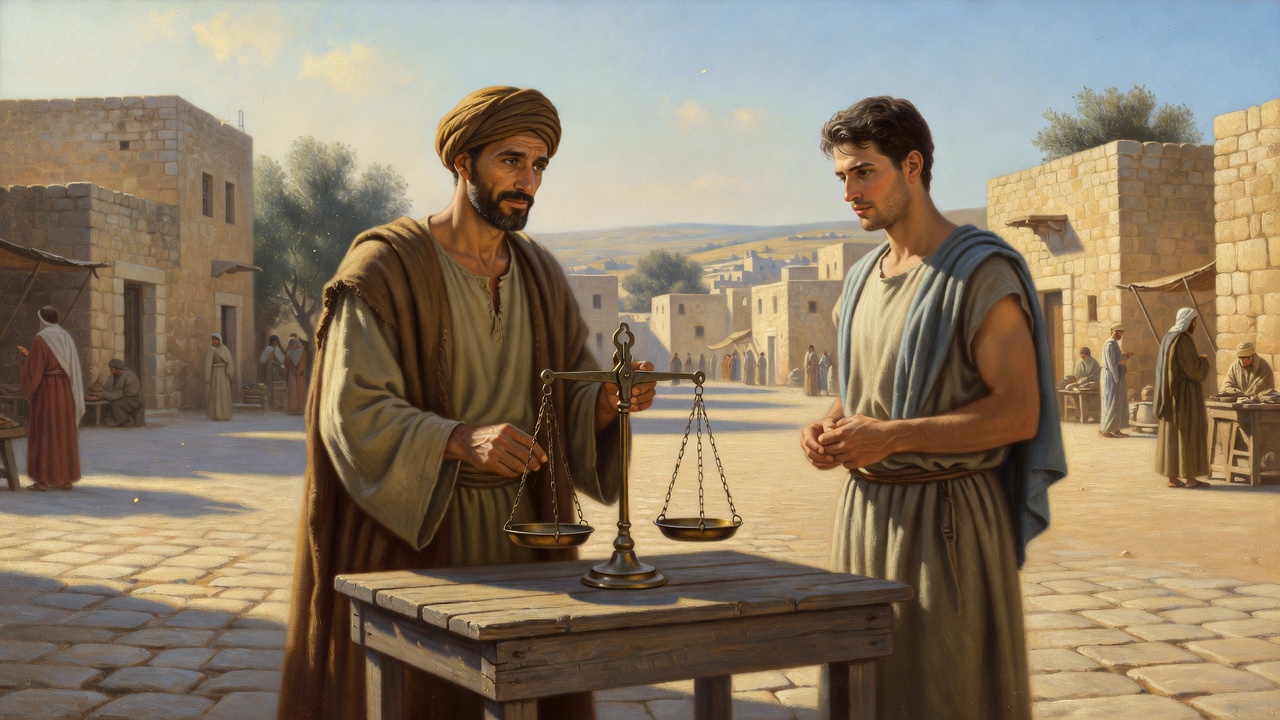
- Micah denounces urban economic injustice, explicitly condemning dishonest merchants who used false weights, deceptive scales, and short ephahs. He warns that following the corrupt statutes and practices associated with northern kings Omri and Ahab will bring devastation and public contempt.Sources: the Bible text itself · Omri · Ahab
Notes written with AI assistance from open sources (Theographic Bible Metadata, CC BY-SA 4.0; Easton’s Bible Dictionary, public domain) and reviewed before publishing.
Places in this chapter
- Egypt · 30.129, 31.308 · verse 4
- Moab · Today: Moab 1 · 31.181, 35.701 · verse 5
- Jerusalem · 31.777, 35.234 · verse 9
Only places identified with high confidence are shown (90% or more according to the scholarly sources compiled by OpenBible). Period map: DARE (Digital Atlas of the Roman Empire), CC BY 4.0; modern map: © OpenStreetMap contributors; places: OpenBible.info (CC BY 4.0).
Credits and license for this translation
Bib La
The Holy Bible in Haitian Creole
Public Domain
Language: Kreyòl Ayisyen (Haitian)
In the Public Domain due to publication without copyright notice in 1985, and without subsequent registration within 5 years.
2020-03-10
Source: http://ebible.org/hat/ · eBible.org