Hosea 2
Bib La · Tap a verse to see its cross-references.
1Se konsa n'a rele frè nou yo moun Bondye. N'a rele sè nou yo moun Bondye gen pitye pou yo. 2Pitit mwen yo, pale ak manman nou. Paske li pa madanm mwen ankò. Mwen pa mari l' non plis. Pale avè l' pou l' sispann sèvi tankou jennès, pou l' wete nan kòsaj li bann zidòl li renmen anpil yo. 3Si li pa fè sa, m'ap dezabiye l' nèt, pou l' rete toutouni jan manman l' te fè l'. M'ap fè l' tounen tankou tè sèk ki pa jwenn lapli. M'ap fè l' mouri swaf dlo. 4Mwen p'ap gen pitye pou pitit li yo non plis. Paske yo se pitit yon fanm ki nan jennès. 5Manman yo lage kò l' nan fè jennès. Wi, li menm ki te pote yo nan vant li, li avili tèt li, paske l'ap di: mwen pral jwenn nonm mwen yo. Yo ban m' tou sa m' bezwen. Yo ban m' manje, yo ban m' bwè. Yo ban m' twal lenn ak twal fen. Yo ban m' lwil oliv, yo ban m' diven pou m' bwè. 6Se poutèt sa mwen pral fèmen l' nan mitan yon lantouraj pikan. Mwen pral moute yon gwo miray fè wonn li. Konsa li p'ap ka mete pye l' deyò. 7L'a chache mwayen pou li al kouri dèyè nonm li yo, men li p'ap ka rive jwenn yo. L'a chache yo toupatou, men li p'ap jwenn yo. Lè sa a, l'a di: M'ap tounen vin jwenn premye mari mwen an, paske avè l' zafè m' te pi bon pase koulye a. 8Pèp Izrayèl la pa t' rekonèt se mwen menm ki te ba li farin, diven ak lwil. Ata lò ak ajan, se mwen ki te ba li yo an kantite. Men, li pran yo pou fè sèvis Baal. 9Se poutèt sa, lè sezon rekòt la rive, m'ap reprann farin ak diven mwen te ba li a. M'ap reprann twal lenn ak twal fin mwen te ba li pou fè rad met sou li. 10M'ap kite l' toutouni devan tout nonm li yo. Pesonn p'ap ka vin sove l' anba men mwen. 11Mwen pral fè l' sispann gen kè kontan. Mwen pral sispann tout fèt li yo, fèt lalin nouvèl li yo, fèt repo l' yo ak gwo fèt li fete chak lanne yo. 12Kanta jaden rezen ak pye fig frans li yo, li di se nonm li yo ki te ba li yo. Enben, m'ap ravaje sa. M'ap fè yo tounen raje, bèt nan bwa va devore yo. 13Mwen pral pini l' pou tout tan li te bliye m' lan, lè li t'ap boule lansan devan Baal yo, lè li t'ap mete zanno ak kolye pou l' te ka kouri dèyè nonm li yo. Se Seyè a menm ki di sa. 14Se poutèt sa, mwen pral mennen l' nan dezè a ankò. Mwen pral pale dous avè l', pou l' ka tounen vin jwenn mwen. 15M'a ba li jaden rezen li te gen anvan yo. M'a fè sa ki te rive l' nan Fon Malè a tounen yon okazyon pou l' jwenn sa li t'ap tann lan. L'a reponn mwen menm jan li te fè l' lè li te jenn lan, lè l' te chape anba men moun peyi Lejip yo. 16Jou sa a, l'a rele m' mari l', li p'ap rele m' Baal li ankò. Se mwen menm, Seyè a, k'ap di sa. 17Mwen p'ap janm kite non Baal yo soti nan bouch li, li p'ap janm nonmen non yo ankò. 18Lè sa a, m'a pase yon kontra avèk tout zannimo nan savann ak tout zwazo k'ap vole nan syèl la ak tout bèt k'ap trennen sou vant pou yo pa fè pèp la anyen. M'ap kraze banza ak nepe pou yo pa fè lagè ankò nan peyi a, pou moun ka kouche dòmi ak kè poze san danje. 19Izrayèl, m'ap pran angajman pou m' viv avè ou pou tout tan, m'ap toujou respekte ou, m'ap toujou kenbe pawòl mwen avè ou. M'ap toujou renmen ou, m'ap toujou gen pitye pou ou. 20M'ap kenbe pwomès mwen, w'ap pou mwen nèt. Konsa, w'a konnen ki moun mwen menm, Seyè a, mwen ye. 21Jou sa a, m'a reponn lapriyè tout moun. Se Seyè a menm ki di sa. M'ap fè lapli soti nan syèl tonbe sou latè. 22Tè a va bay manje, diven ak lwil. Se konsa m'a reponn lapriyè moun Jizreyèl yo. 23M'ap fè yo peple nan peyi a. M'a gen pitye pou moun mwen te meprize yo. M'a pale ak moun ki pa moun pa m' yo, m'a di yo: Se pèp mwen nou ye. Yo menm, y'a reponn: Wi, se Bondye nou ou ye.
Did you know?
Judgment and Restoration
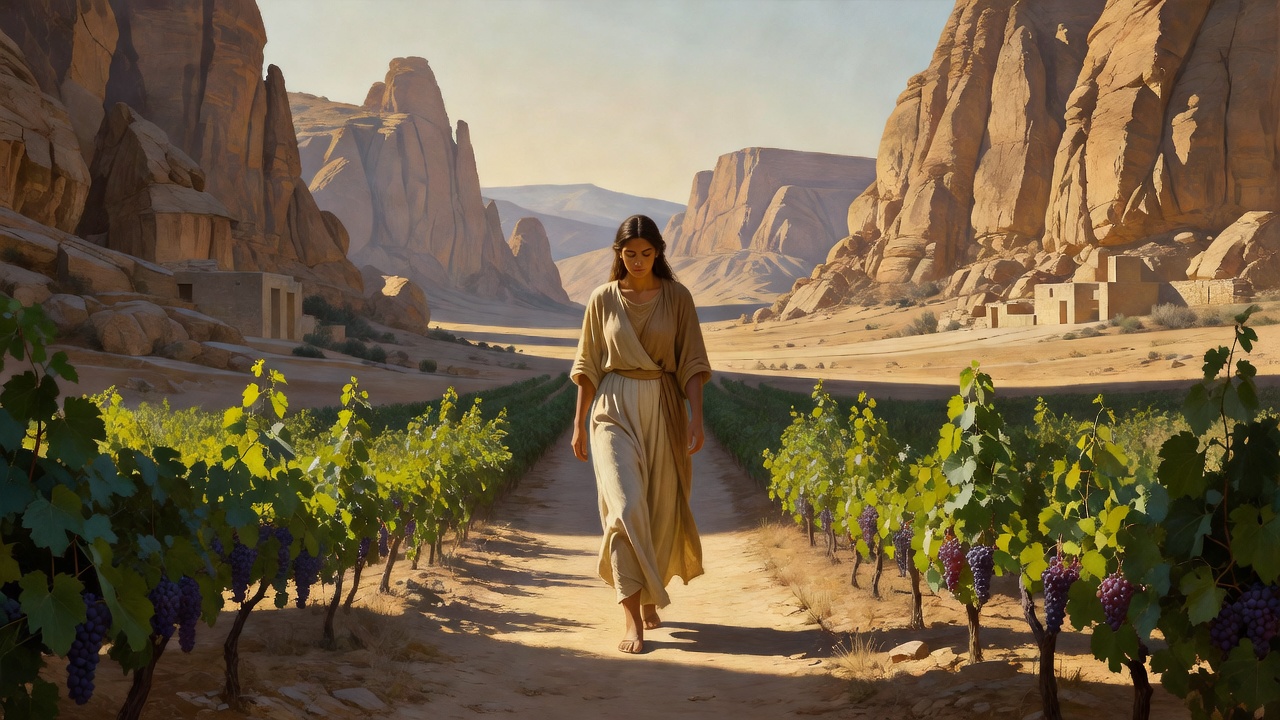
- The Valley of Achor, located near Jericho, derived its name from the trouble caused by the sin of Achan in the book of Joshua. Hosea uses this proverbial site of calamity to promise that a place of past disaster will be transformed into a gateway of hope.Sources: Valley of Achor · the Bible text itself
- Baal was the chief male deity of the Phoenicians, whose worship had become widespread among the northern tribes of Israel. Hosea challenges the belief that agricultural provisions such as grain, wine, oil, and wool came from Baal, declaring instead that they were gifts from the LORD.Sources: Baal · the Bible text itself
- The chapter announces a reversal of the symbolic names of judgment given to the children earlier in the book. Those named No Compassion are promised mercy, and those called Not My People are once again recognized as God's people in a restored covenant.Sources: the Bible text itself
Notes written with AI assistance from open sources (Theographic Bible Metadata, CC BY-SA 4.0; Easton’s Bible Dictionary, public domain) and reviewed before publishing.
Places in this chapter
- Egypt · 30.129, 31.308 · verse 15
Only places identified with high confidence are shown (90% or more according to the scholarly sources compiled by OpenBible). Period map: DARE (Digital Atlas of the Roman Empire), CC BY 4.0; modern map: © OpenStreetMap contributors; places: OpenBible.info (CC BY 4.0).
Credits and license for this translation
Bib La
The Holy Bible in Haitian Creole
Public Domain
Language: Kreyòl Ayisyen (Haitian)
In the Public Domain due to publication without copyright notice in 1985, and without subsequent registration within 5 years.
2020-03-10
Source: http://ebible.org/hat/ · eBible.org