Acts 7
Geji New Testament Portions · Tap a verse to see its cross-references.
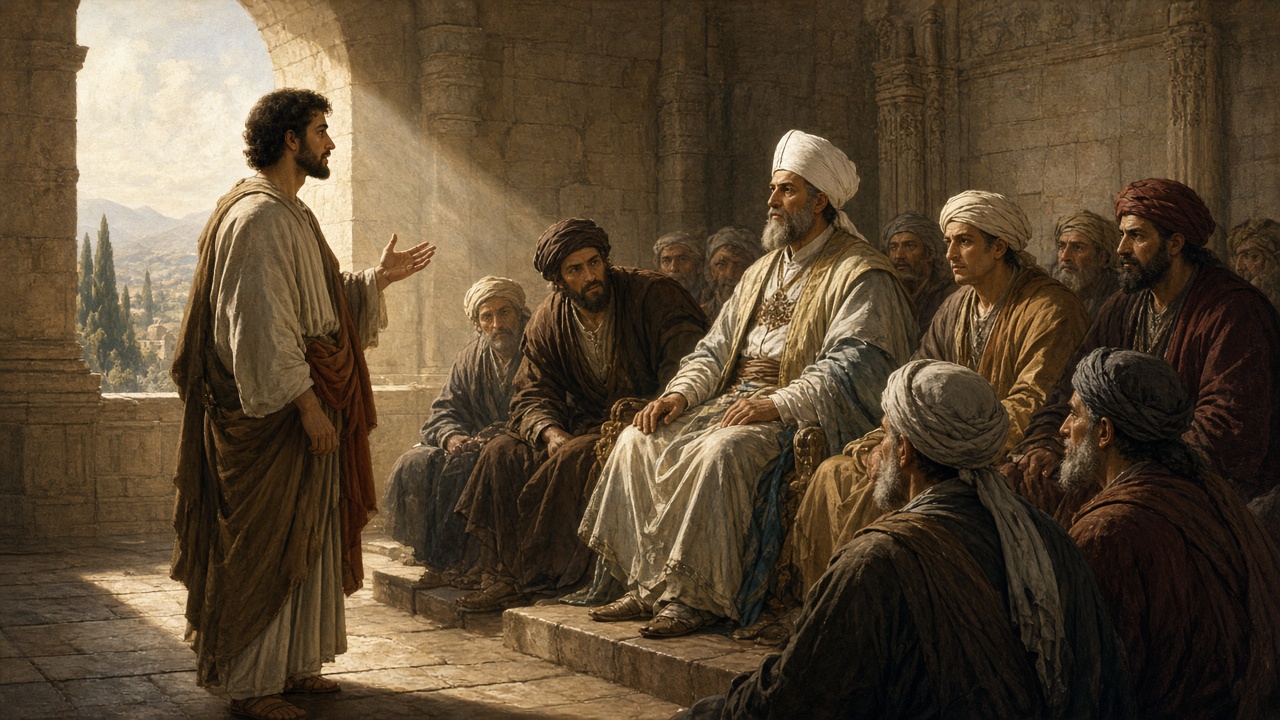
Ga̱ɓa gwe Istipanus hwi ma̱n dlaboo Sanhidirin wu
1Yek bali ga̱ ma̱n da̱nti ka̱ lubii ga̱ Nya ngem Istipanus ɗe, <<Iljin ɗe sa̱ dla̱m tenki go gem ma?>>
2Yek Istipanus wulsi ɗe, <<Yilkeni jini suk aba jini, ɓo katini nini ka̱ng. Nya ma̱n nalti mboki ang koli ga̱na̱n Ibirahim ten kangwe ta̱ ni wu a ta̱ yi Mesopotamiya a ba̱ta̱ ɓo da̱m a Haran so. 3Nyami wulti ɗe, <Zak atl gwa suk ma̱jwa ta̱k li ka̱t atl gwe ba mbokik ang dani wu.>
4<<Yek ta̱ zak ka̱t atl ga̱ ma̱n Kaldiya yek ta̱ lak da̱m a ba̱n Haran. Koli gwas ma̱sh wugo yek Nya ta̱la̱t tet ka̱ lu ga̱n ɗe ka̱a̱ na̱ma da̱mti wu. 5Nyami ba̱l lu Ibirahim a ɗe so ko njet. Ama ta̱ dla̱lli ga̱ɓa sukti ɗe ta ba̱lti lu ge suk ma̱n ga̱s jwasi, ko ɗe a ba̱ yen ɓo niɗɗa̱ sowu. 6Yek Nya wulti ɗe, <Mil jwa a pa̱l da̱mti ma̱nda̱ki ka̱ atl gwe ba̱ gwasa̱n ka̱ sowu, asa palla̱si ɗe zhel asa̱ tla bomti se sa̱ pa̱l gin zamba̱l ɗe wupsi. 7Ama ba nol ma̱n atl gwe palla̱si ɗe zhel wu. Kaal ɗa̱ nugo, mil jwa a yil tet ɗa̱ka̱ atl gwisi ka asa̱ ba̱la̱n nalti ka̱ lu gee.> 8Yek Nya dla̱lli ga̱ɓa suk Ibirahim ten bi pa̱lti sa̱lti ta̱ mbok ang ɗe ti wo mbala̱n gwas ka̱n. Yek Ibirahim zi Ishiyaku wu, yek ta̱ sa̱lti ten cin na wusupsi kaal ɗa̱ za̱t gwasi. Kaal ɗa̱ nu, yek Ishiyaku zi Yakubu, yek Yakubu wut aba jina̱n ɗe kutl cet lop jwe ma̱ yisa̱nsi ju.
9<<Yek daka̱lti lak aba jina̱n jwisi ten wulti Yusupu yilka gwasa̱n ka, sa̱ wulti ka̱ɗe zhel ka̱ atl ga̱ Masar. Ama a Nya ni sukti 10yek ta̱ yilla̱t ɗa̱ka̱ mas bomti gwe ta̱ tla wu ka. Yek Nya ba̱lti ɓotlka̱n yisti wul suk hwol hwulan mal Pir'auna guu ga̱ ma̱n Masar. Yek ta̱ palla̱t ɗe guu a Masar suk bacina kaal ɗati.
11<<Yek bal kuza̱n gon nda ten mas atl ga̱ Masar suk atl ga̱ Kan'ana. Yek mbala̱n wonti te ka̱ bomti i'e na̱k ɗe ilga̱ nguki niɗɗa̱ sowu. 12Yek Yakubu kumi ɗe ilga̱ nguki ni Masar wugo, yek ta̱ shin aba jina̱n, yek ɗe ndat la̱t gwasa̱n Masar. 13La̱t gwasa̱n na lop wo, yek Yusupu hwi yilkeni jwas ɗe ti ka̱n. Yek Pir'auna yis ma̱n boo gwasi. 14Kaal ɗa̱ nu, yek Yusupu laki ta̱s mbe aba gwas Yakubu teɗi suk ma̱n lubii gwasi mas, si ɗe kutl nitgi na̱ namtan. 15Yek Yakubu li Masar, ka̱li ka̱n ta̱ ma̱shi suk aba jina̱n. 16Yek sa̱ palli hwuu gwasa̱n tot Shekem, yek sa̱ lepsi ka̱ gazukɗi gwe Ibirahim wul mal mil ji Hamor wu.
17<<Ɓal njaa ɗe ta̱ Nya njika̱n ga̱ɓa gwe ta̱ dla̱lli suk Ibirahim wugo, yek mbala̱n jina̱n wonti a Masar i'e. 18Yek ma̱lgon gwe ba̱ta̱ yis Yusupu sowu da̱n ɗe Pir'auna guu ga̱ Masar. 19Guu gwisi ka̱ lak aba jina̱n ten tlat bomti, tik cisi dlelngapcan yek zisi ngetli ta̱s wut mil la̱li jwasa̱n ka ta̱s ma̱sh ɗa.
20<<Ka̱ multi jwisi ka̱n sa̱ zi Musa, yen ma̱n mbunti i'e. Yek sa̱ keta̱lti ɗa̱ aba gwas ka lip ɗe mekan. 21Ma̱n za̱t jwas yilla̱t deɓa̱l wu, yek yen ga̱ ma̱dli ga̱ Pir'auna kanti yek ta̱ keta̱lti ɗe yen gwasi. 22Musa pa̱l lishti ga̱ ma̱n Masar suk ɓotlka̱n yisti wul gwasa̱n. Yek laki yek ta̱ mbi nda̱lti pa̱lti wul suk yek ta̱ man ga̱ɓa i'e.
23<<Ta̱ ɓal ka̱ gin ɗe kutl ɗe wupsi go yek ta̱ kumi ka̱ mbadl gwas ɗe, ta̱s lak yen yilkeni jwasi ma̱n Yisiraila. 24Ta̱ li malsi yek ta̱ yen kangwe ba Masar gon na̱ma ɓot ga̱ ba Israila gon wu, yek ta̱ lak ɓetti ti hal yek ta̱ tloti. 25Muse da̱m gwa we yilkeni jwas ma̱n Yisiraila a yisi ɗe Nya shinti ta̱s yilla̱si ɗa̱ka̱ da̱mti ɗe zhel ka, ama yek ba̱sa̱ yisi so. 26Kaal ɗa̱ multi ɗe na̱m, yek ta̱ mbi ma̱n Yisiraila jon ɗe lop ten dlanti gwasa̱n. Yek ta̱ tesi dlo ɗe ta̱s la̱ka̱n dlo gwasa̱n, yek ta̱ wulsi ɗe, <Kii wo yilkeni ka̱n, yek laki ɗe ka̱a̱ na̱ma dlanti gwaka̱n ye?>
27<<Yek ma̱lgwe kumi cwo yilka gwas wu wul Musa ɗe, <Wok lakki ɗe bagaa suk ma̱n kisti ga̱ɓa ga̱na̱n wo? 28Ka̱ na̱ma lamti ta̱k tloni na̱k gwe ka̱ tlo ba Masar ahwul gwa?> 29Musa kumi nu wugo yek ta̱ ap te atl ga̱ Midiya ka, yek ta̱ pa̱l da̱nti ma̱nda̱ki. Ka̱li ka̱n ta̱ wut mil maani ɗe lop.
30<<Kaal ɗa̱ gin ɗe kutl ɗe wupsi, yek Nya tul mal Musa na̱k wule yen shinti gon gwasi ka̱ ba̱lba̱l wutu ten luda̱n ka̱ me, njaa mal tla̱nda̱l Sinai. 31Musa yeni nu wugo yek ɓanti citi yek ta̱ am te mali ka ta̱s yeni i'e ɗa. Ta̱ am tek wugo yek Nya ga̱ɓa sukti ɗe, 32<Amik ɗe Nya ga̱ aba jwaka̱n, Nya ga̱ Ibirahim suk ga̱ Ishiyaku suk ga̱ Yakubu.> Ta̱ kumi nu wugo yek ɓanti citi i'e yek ta̱ njel da̱dalti, yek ba̱ta̱ po man yenti luda̱mi so.
33<<Yek Nya wulti ɗe, <Tus kapta̱lan gwa ka, lu gwe ka̱ dla̱l dani go lu gi ka̱n. 34A yen kangwe mbala̱n ji na̱ma tlat bomti a Masar wu, a kum kulu gwasa̱n ga̱ kumti dli wi, yek a susut wi ta kissi. Ningo teɗi ta shinki te Masari ka.>
35<<Musa ga̱mi ɗe sa̱ ngeti ɗe sa̱ dla̱m ɗe, <i lakki ɗe bagaa suk ma̱n kisti ga̱ɓa ga̱na̱n wo wu?> Ti ka̱n Nya shinti ta̱s da̱n ɗe bagaa suk ma̱n kisti gwasa̱n ɗa̱ka̱ da̱mti ɗe zhel ka, tumal yen shinti gwas gwe tul malti ka̱ ba̱lba̱l wutu ten luda̱n ka̱ me wu. 36Muse ka̱ yilla̱si ɗa̱ka̱ atl ga̱ Masar ka. Yek ta̱ pa̱l kiɗi wul cit ɓanti ka̱ dlo gwasa̱n a ka̱li, suk dla̱lka bal ze gwe asa̱ mbe ɗe Zil bal ze wu, suk wul cit ɓantisi jwe ta̱ pa̱li ka̱ gin ɗe kutl ɗe wupsi jwe ma̱n Yisiraila pa̱li ka̱ me wu.
37<<Tik wul ma̱n Yisiraila ɗe, <Nya a shin ma̱n dla̱mti ga̱ɓa gwas gon na̱k gwe ta̱ shina̱n wu, ka̱ dlo gwaka̱n tet ka̱ mbala̱n jwaka̱n.> 38Tik mwe gaa aba jina̱n ma̱n Yisiraila ka̱ lu ɗe na̱m ka̱ me, suk yen shinti ga̱ Nya gwe ga̱ɓa sukti ten tla̱nda̱l Sinai wu. Yek Nya hwit ga̱ɓa ten kangwe mbala̱n a mbi mbadl wu, ɗe ta̱s hwinii.
39<<Ama yek aba jina̱n nge kopti ga̱ɓa gwasi. Yek sa̱ ngeti. Yek sa̱ lam palti te atl ga̱ Masar ka̱ mani. 40Yek sa̱ hwi Haruna yilka gwas ɗe, <Pa̱lini gunki gwe ma ngusit atli ata̱ ndenii cina wu. Musa ɗe ta̱ yilla̱ni tet ka̱ atl ga̱ Masar go ma̱ po yis ilgwe mbit wu so!> 41Ka̱li ka̱n sa̱ pa̱l gunki gon na̱k yen tla. Yek sa̱ takit wul, yek sa̱ pa̱l hwol tuk na̱ ilgwe sa̱ pa̱li na̱ ang gwasa̱n wu. 42Yek Nya yil ɗa̱ka̱ tantu jwasa̱n ka, yek ta̱ zaksi ta̱s ngusi atl cin suk kyatla̱l ɗa. Na̱k gwe ni ga̱ lishi ka̱ lishti ga̱ ma̱n dla̱mti ga̱ɓa ga̱ Nya wu.
<< <Kii ma̱n boo ga̱ Israila,
ami ka̱n ka̱ ba̱la̱n nalti ka̱ gin
ɗe kutl ɗe wupsi ka̱ me gwa?
43Ka̱a̱ ba̱l nalti lu waal ga̱ gunki gwaka̱n gwe aka̱a̱ mbet ɗe Molek,
suk kyatla̱l ga̱ gunki gwaka̱n gwe aka̱a̱ mbet ɗe Rampan wu.
Gunki jimi ka̱ɗe wul jwe ka̱a̱ pa̱lsi ɗe ta̱k ngusisi atl wu.
Yek laki ningo ba laki asa̱ ta̱lakii cina ɗa̱ atl ga̱ Babila ka.>
44<<Tenti ni aba jina̱n ɗa gwe sa̱ ngusi la̱t na̱ nali ka̱ me wu. Tenti gwisi ka̱n Nya hwi Musa ɗe ta̱s pa̱li, yek ta̱ pa̱li kangwe Nyami hwit ɗu. 45Tenti gwisi ka̱n sa̱ lak mbi ka̱ gini jwe Joshuwa ndesi cina, ɗe ta̱ mbolisi ma̱n atl ga̱ Kan'ana ka̱wu. Tenti gwisi ni ɗa hal yek la gini gwe Dauda da̱n ɗe guu ga̱ Israila wu. 46Dauda ka̱ mbi hwol hwulan mal Nya, yek ta̱ ngemti ɗe ta̱s kini lubii Nya ga̱ Yakubu, lubii gwe ma̱n Yisiraila a ngusit atl giɓi wu.
47<<Ko ɗe ba̱ Nya Bal Kakshe a da̱n ka̱ lubii gwe a mbala̱n kin sowu, yek Sulemanu yen ga̱ Daude kin bal lubiimi. Na̱k gwe ma̱n dla̱mti ga̱ɓa ga̱ Nya gon dla̱m wu ɗe,
49<< <Bagaa Nya dla̱m ɗe,
Dlo nya ka̱ɗe gobdlan guu gini,
a dii atl ka̱ɗe lu za̱t asa̱n gini.
Wuda̱l ga̱ bii gwi ka̱n kaa kini gwi?
A ko ka̱n lu shukti gini ko?
50Amik pa̱l mas wul jwisi na̱ ang gi sa?>
51<<Kii mbala̱n ma̱n la̱shi kumti bi, kii ɗe ka̱ nge ba̱lti Nya mbadl jwaka̱n wu. Dlip ba̱kaa kan ga̱ɓa ga̱ Shishi ga̱ Nya so na̱k aba jwaka̱n pa̱li wu. 52Ma̱n dla̱mti ga̱ɓa ga̱ Nya gon gwe ba̱ aba jwaka̱n cit dlelngapcan sowu niɗɗa̱ so. Ma̱jwe dla̱m bi tulti ga̱ ma̱n zok mbadl wu mago sa̱ tlosi ka. A ningo ka̱a̱ ba̱l bi gwasi yek ka̱a̱ tlot wi. 53Kii ɗe mil shinti ji Nya ba̱lkii mba̱t ga̱ɓa ga̱ gwasi yek ba̱ka̱a̱ man kopti sowu.>>
Sa̱ lak Istipanus na̱ ye
54Ma̱n dlaboomi kumi nu wugo, yek mbadl lilisi i'e hal yek sa̱ as shin. 55Shishi ga̱ Nya njika̱n mbadl ga̱ Istipanus wugo yek ta̱ lak gaa to dlo nya ka, yek ta̱ yen nalti ga̱ Nya, a Yesu ni ga̱ dla̱lli njaa malti ten ang shinti gwasi. 56Yek Istipanus wule, <<A yen dlo nya ga̱ ɓuli, yek a yen Yen ga̱ Mbala̱n, ta̱ dla̱l njaa mal Nya ten ang shinti gwasi.>>
57Yek sa̱ cek ka̱ng jwasa̱n ka na̱ ang, yek sa̱ lak yal, yek sa̱ tli tet tenti ka mas jwasa̱n. 58Yek sa̱ dla̱kti te kaal ba̱n ka, yek sa̱ njel lakti gwas na̱ ye. Yek ma̱jwe tulli ga̱ɓa tenti wu wut luka̱l jwasa̱n mal yen samali gon gwe asa̱ mbet ɗe Shawulu wu. 59Sa̱ na̱ma lakti ga̱ Istipanus nugo yek ta̱ ngem Yesu ɗe, <<Bagaa Yesu, kan mbadl gini.>> 60Yek ta̱ nda na̱ gahwula̱n, yek ta̱ wuli na̱ nda̱lti ɗe, <<Bagaa, taasi ma̱jin byas ilga̱n ɗe sa̱ pa̱li wu ka.>> Yek multi gwas paki.
Did you know?
Stephen retells Israel's story
- Stephen opens his speech with Abraham still in Mesopotamia, before he settled in Haran, when he was told to leave his country and his kindred. Mesopotamia—Hebrew Aram-naharaim, “Syria of the two rivers”—was the name Greeks and Romans gave the region between the Euphrates and the Tigris; the Old Testament also calls it Padan-aram, “the plain of Aram,” and the north of that plateau was the early home of the Hebrews’ ancestors. Easton's Bible Dictionary (1897) notes that this first call is not mentioned in the Old Testament, though Genesis 12 implies it, and that Abraham left Ur in Chaldea and traveled about 300 miles north to Haran.Sources: the Bible text itself · Mesopotamia · Abraham
- Stephen says the bones of Jacob and the fathers were carried back to Shechem and placed in the tomb Abraham had bought from the sons of Hamor. Easton's Bible Dictionary (1897) identifies Hamor as a Hivite whose name means “he-ass,” notes that Acts 7:16 calls him Emmor, and says Jacob bought from him the plot at Shechem in which Joseph was later buried. The entry adds that Hamor’s son Shechem founded the city that took his name.Sources: the Bible text itself · Hamor
- Stephen places the burning bush in the desert near Mount Sinai and says Moses received living words there from the angel who spoke to him on the mountain. Easton's Bible Dictionary (1897) treats Sinai—a name linked with Sin, a moon god—as the same mountain district also called Horeb. The entry says the Hebrews reached that region in the third month after the Exodus, after a journey of about 150 miles from the Red Sea, including all the windings of the route, and remained encamped for about a year.Sources: the Bible text itself · Mount Sinai
Notes written with AI assistance from open sources (Theographic Bible Metadata, CC BY-SA 4.0; Easton’s Bible Dictionary, public domain) and reviewed before publishing.
Places in this chapter
- Haran · Today: Harran · 36.864, 39.033 · verses 2, 4
- Mesopotamia · Today: Aram-naharaim · 36.864, 39.033 · verse 2
- Chaldea · 30.962, 46.104 · verse 4
- Egypt · 30.129, 31.308 · verses 9, 10, 11, 12, 14, 15, 17, 18, 34, 36, 39, 40
- Canaan · 32.767, 35.333 · verse 11
- Shechem · Today: Tell Balatah · 32.214, 35.282 · verse 16
- Nile · Today: Nile River · 31.465, 30.367 · verse 19
- Midian · 28.495, 35.012 · verse 29
- Babylon · 32.543, 44.422 · verse 43
Only places identified with high confidence are shown (90% or more according to the scholarly sources compiled by OpenBible). Period map: DARE (Digital Atlas of the Roman Empire), CC BY 4.0; modern map: © OpenStreetMap contributors; places: OpenBible.info (CC BY 4.0).
Credits and license for this translation
Geji New Testament Portions
Portions of the New Testament in the Geji language of Nigeria
copyright © 2023 The Seed Company in collaboration with Language Developers and Bible Translators Association
Language: (Geji)
Contributor: The Seed Company
This translation is made available to you under the terms of the
Creative Commons Attribution Share-Alike license 4.0.
You have permission to share and redistribute this Bible translation in any format and to make reasonable revisions and adaptations of this translation, provided that:
You include the above copyright and source information.
If you make any changes to the text, you must indicate that you did so in a way that makes it clear that the original licensor is not necessarily endorsing your changes.
If you redistribute this text, you must distribute your contributions under the same license as the original.
Pictures included with Scriptures and other documents on this site are licensed just for use with those Scriptures and documents.
For other uses, please contact the respective copyright owners.
Note that in addition to the rules above, revising and adapting God's Word involves a great responsibility to be true to God's Word. See Revelation 22:18-19.
2025-07-02
Source: http://ebible.org/gyz/ · eBible.org