Mark 10
Tũpa Ñehengagüer · Tap a verse to see its cross-references.
Jesús oporombohe mendasa sui poiẽhɨ ãgua
1Ipare Jesús osẽ tecua Capernaum sui, oso Judea ɨvɨ rupi ɨai Jordán rovai arɨ sẽsa cotɨ. Aheve ava rehɨi oñemonuha iri yuvɨreco sese. Iyavei ombohe iri ava güecocuer rupi tuprɨ. 2Evocoiyase fariseo oyemboya seco rãha ãgua tẽi yuvɨreco sese, “¿Avɨye pĩha cuimbahe omenda vahe opoi güembireco sui?” ehi yuvɨreco chupe. 3Ahe rumo omboyevɨ chupe:
—¿Mara ehi vo acoi Moisés porocuaita pɨpe? —ehi.
4Ahe evocoiyase omboyevɨ yuvɨreco chupe:
—Moisés remimombehu aipo ehi: “Pemondora pe rembireco upe cuachiar poisa resendar pe poi ãgua pe rembireco sui” ehi —ehi fariseo yuvɨreco chupe.
5Evocoiyase fariseo upe aipo ehi:
—Moisés omondo co porocuaita pe poreroyaẽhɨsa pɨpe sui pẽu. 6Yɨpɨsuive ité niha, ‘Tũpa oyapo opacatu mbahe, oyapo avei cuimbahe, cuña reseve. 7Sese niha cuimbahe omendase, oyepepɨra oyesupa sui güembireco rese ité yuvɨrecoi ãgua. 8Evocoiyase ñuvɨrío yuvɨrecoira ñepei ava nungar.’ Sese ndahe iri ñuvɨrío, ñepei nungar ité yuvɨrecoira. 9Evocoiyase ava Tũpa omomenda vahe oyese, ndiyai ava tẽi omboyepepɨ yuvɨreco oyesui —ehi.
10Oɨve yuvɨrecoi vɨtese, semimbohe oporandu iri co mbahe rese yuvɨreco chupe. 11Evocoiyase ahe aipo ehi:
—Acoi opoi vahe güembireco sui omendase ambuae cuña rese, oyemboaguasa tẽi vahe güembireco sui. 12Acoi cuña opoise omer sui omendase ambuae cuimbahe rese, ahe oyemboaguasa tẽi vahe avei —ehi güemimbohe upe.
Jesús osovasa chĩhivahe
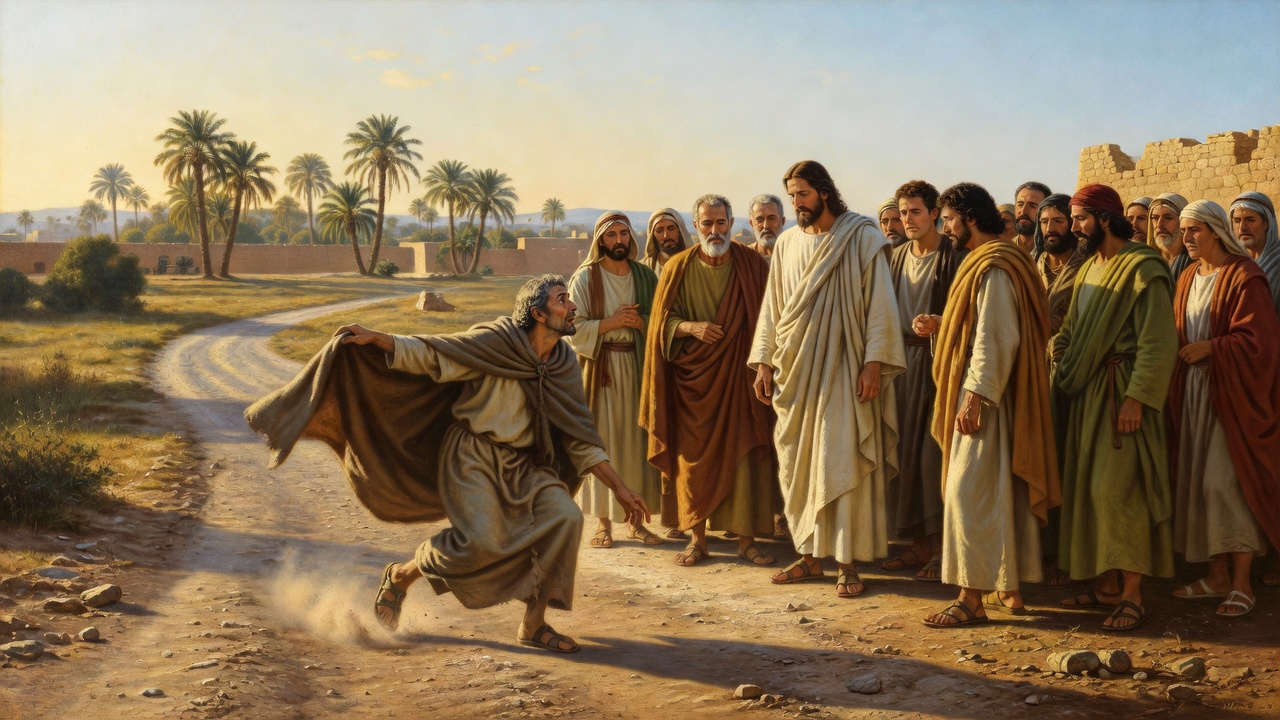
13Ipare ogüeru chĩhivahe Jesús upe yuvɨreco sese ipoco ãgua. Semimbohe rumo, “¿Mahera vo peruño tẽi chĩhivahe?” ehi opɨha vɨ̃racuasa pɨpe serusar upe yuvɨreco. 14Evocoiyase Jesús osepiase, ndasorɨi güemimbohe upe aipo ehi:
—¡Mahera ndapeipotai iyu ãgua! Toyugüeruño chĩhivahe cheu. Esepia, co chĩhivahe nungar ava yuvɨroiquera che Ru Tũpa mborerecuasave. 15Supi eté, acoi ndoipɨsɨi vahe che Ru Tũpa mborerecuasa chĩhivahe nungar yuvɨreco, ahe evocoiyase ndoyuvɨroiquei chietera ipɨpe —ehi.
16Evocoiyase oipɨsɨ, omondo opo iharɨve osovasa.
Ñepei mbɨa chĩhivahe imbahe eta vahe oñehe Jesús upe
17Oguata vɨtese Jesús yuvɨreco, aheseve mbɨa chĩhivahe oña oso sovai, oñenopɨha, oporandu chupe:
—Porombohesar avɨye vahe, ¿mbahe vo ayapora tecovesa apɨrẽhɨ vahe rereco ãgua? —ehi.
18Jesús evocoiyase aipo ehi ahe mbɨa upe:
—¿Mahera vo, “Avɨye vahe” ere cheu? Oime rumo ñepei avɨye vahe ité, ahe Tũpa secoi. 19Ereicua niha Tũpa porocuaita: ‘Ndereporoyucai chira, nandeaguasai chira, nandemondai chira, nanderemirai chira ambuae ava rese, ndereporombopai chira, eremboyeroyara nde ru, nde sɨ avei’ ehi vahe —ehi.
20Ahe mbɨa rumo,
—Porombohesar, che aipo nungar opacatu amboavɨye ité che chĩhivahe suive —ehi.
21Evocoiyase omahe saɨsusave sese, aipo ehi chupe:
—Ñepei mbahe rumo ipane vɨte ndeu: eso, emondopa rane nde mbahe; ahe seprɨ evocoiyase emondo ava iparaɨsu vahe upe. Ichui ererecora mbahe avɨye vahe ɨvave. Ipare ereguatara che rupi —ehi chupe.
22Aipo oyeupe hese rumo, ahe mbɨa oyepepɨño ichui ovɨharẽhɨsave oso. Esepia, ahe mbahe yar ité secoi.
23Evocoiyase omahe oɨvɨindar güemimbohe rese, aipo ehi:
—¡Yavai eté rumo ava mbahe yar reique ãgua che Ru Tũpa mborerecuasave! —ehi.
24Semimbohe evocoiyase, “¡Mara ehi rutei!” ehi tẽi iñehe renduse yuvɨreco. Ahe rumo omombehu iri:
—Che rahɨreta, ¡yavai eté Tũpa mborerecuasave imbahe eta vahe reique ãgua ombahe eta rese tẽi ipɨhañemoñeta vahe upe! 25Yavai rai camello upe yucuar rupi seique ãgua, ava imbahe eta vahe upe rumo yavai catu che Ru mborerecuasave seique ãgua —ehi.
26Aipo nungar renduse oyepɨhamondɨi guasu yuvɨreco. Oporandu-randu tẽi oyeupe yuvɨreco: “¿Ava angahu pĩha oñepɨsɨrora yuvɨreco viña?” ehi.
27Evocoiyase omahe güemimbohe rese aipo ehi:
—Ava tẽi upe rumo yavai aipo nungar mbahe apo ãgua; Tũpa upe rumo ndayavaimi eté. Esepia, Tũpa opacatu mbahe mboavaisarẽhɨ secoi —ehi.
28Ipare Pedro aipo ehi:
—Ore Yar, ore rumo oroseyapa opacatu ore mbahe nde rupi ore guata ãgua —ehi chupe.
29Omboyevɨ rumo Pedro upe:
—Supi eté co aipo ahe pẽu: acoi che raɨsusa pɨpe iyavei ñehesa ñepɨsɨrosa raɨsusa pɨpe oseyapa vahe güẽta, vɨquehɨr, vɨvrɨ, güeindrɨ, vu, osɨ, guahɨr iyavei oɨvɨ, 30ahe oipɨsɨra omahera co ɨvɨ pɨpe cien yupagüer rupi avei oɨ, vɨvrɨ, güeindrɨ, osɨ, guahɨr iyavei ɨvɨ. Yepe oiporarara mbahe-mbahe tẽi viña. Ipare rumo tecua ambuaeve oipɨsɨ aveira tecovesa apɨrẽhɨ vahe curi. 31Setá vai rumo cũritei yɨpɨndar vahe; ipa tẽira yuvɨrecoi. Setá aveira cũritei ipa tẽi vahe, yɨpɨndar yuvɨrecoira curi —ehi.
Jesús omombehu imombosapɨsa rupi omano ãgua
32Yuvɨrasose Jerusalén ve, Jesús tenonde secoi güemimbohe upe. Semimbohe rumo ndoyembovɨhai iyavei saquɨcuerindar osɨquɨye yuvɨreco. Aheve Jesús oñehe iri co cotɨmi güemimbohe doce yuvɨrecoi vahe upe. Ichui omboɨpɨ imombehu co mbahe-mbahe tẽi reime ãgua chupe aipo ehi: 33“Peicua niha, yasora tecua Jerusalén ve, aheve rumo che, Ava Rɨquehɨr, che pɨsɨra che mondo pahi eta rerecuar iyavei Moisés porocuaita rese oporombohe vahe povrɨve yuvɨreco. Ahe, ‘Tomano’ ehira yuvɨreco cheu. Ipare che mondo aveira ava ndahei vahe yande mu upe yuvɨreco. 34Mara ehi-ehi tẽira yuvɨreco cheu, ondɨvɨ-ndɨvɨra, oyuvɨrocua-rocuara che rese, che yuca aveira yuvɨreco. Mbosapɨ arɨ rupi rumo acuerayevɨra” ehi güemimbohe upe.
Mbahe avɨye vahe rese oporandu Santiago, Juan reseve yuvɨreco
35Ipare oyemboyase Zebedeo rahɨr Santiago, Juan Jesús rese aipo ehi yuvɨreco chupe:
—Ore mbohesar, oroipota ereyapo mbahe avɨye vahe oreu —ehi.
36Ahe evocoiyase,
—¿Mbahe vo peipota ayapo vaherã pẽu? —ehi chupe.
37—Ore oroipota nde mborerecua porañetesave ore mboguapɨra ndeyepɨri eve, ñepei nde mbahe rese pocosa cotɨ, ambuae nde mbahe rese pocoẽhɨsa cotɨ —ehi yuvɨreco chupe.
38Evocoiyase omboyevɨ:
—Pe ndapeicuai mbahe rese pe porandu. ¿Peiporara catura pĩha che co mbahe-mbahe tẽi aiporara vaherã, inungar-ra que ɨgua iro vahe aɨhu vaherã viña? Iyavei, ¿peicatura pĩha che ãpiramosa aipɨsɨ vaherã pɨsɨ? —ehi.
39—Taa, oroicatuño itera —ehi yuvɨreco.
Evocoiyase ahe aipo ehi chupe:
—Supi eté peɨhura co mbahe iro vahe, peipɨsɨ aveira ãpiramosa che aipɨsɨ vaherã nungar. 40Co rumo ndiyai cheu che pɨri pe guapɨ ãgua, che mbahe rese pocosa cotɨ, ambuae che mbahe rese pocoẽhɨsa cotɨ. Che Ru Tũpa omoingatu güembiporavo upe nara oguapɨ vaherã che ɨpɨve —ehi.
41Evocoiyase ambuae semimbohe diez yuvɨrecoi vahe iñehe renduse, oñemoɨro Santiago, Juan upe yuvɨreco. 42Ahe rumo, “Perio” ehi opacatu upe. Ipare aipo ehi:
—Peicua niha acoi mborerecuar guasu yuvɨrecoi vahe Tũpa cuaparẽhɨ oporocuai oporoyuca ai tẽisa pɨpe. Iyavei acoi ɨvate catu vahe oyeecoapɨrasá iteanga omborerecuasa pɨpe yepi. 43Pe rumo ẽgüe ndapeyei chira pe yeereco. Iyacatu rumo acoi ava oipota vahe ɨvate catu güeco ãgua pe pãhuve, ihañeco rane itera opacatu ambuae ava rese. 44Iyavei acoi pe pãhu pendar oipota vahe tenonde catu güeco ãgua, ihañeco tuprɨ ranera opacatu pe pãhu pendar rese. 45Aherã niha che, Ava Rɨquehɨr, ayu ndahei ava che rese ihañeco ãgua; che rumo ayu ava rese che hañeco ãgua, iyavei amondo vaherã che recocuer manosave ava eta repɨrã Caruguar povrɨ sui senose ãgua —ehi.
Jesús ombogüera Bartimeo sesapɨsoẽhɨsa sui
46Ipare oyepota tecua Jericó ve yuvɨreco. Ahe tecua sui yuvɨnosese güemimbohe reseve, ava rehɨi avei, aheve perɨ popɨve mbɨa ndasesapɨsoi vahe Bartimeo serer vahe, Timoteo rahɨr, oguapɨ oĩ. 47Osenduse, “Jesús Nazaret pendar” hesa, osapucai pĩrata:
—¡Jesús, David suindar, che paraɨsuerecomi tẽi eve! —ehi chupe.
48Ava rumo oyaca-yacaño, “¡Quiriri!” ehi yuvɨreco chupe. Ahe rumo,
—¡David suindar, che paraɨsuerecomi tẽi eve! —ehi pĩrataño ité chupe.
49Evocoiyase osenduse iñehe, opɨta,
—Peñehe chupe —ehi.
Ichui oñehe yuvɨreco chupe:
—Eyemonguerẽhɨ, epũha. Esepia, oñehe aipo ndeu —ehi.
50Aipo oyeupe he ramoseve, omomboño oturucuar guasu, opũha yesapɨha oso chupe. 51Evocoiyase oporandu ndasesapɨsoi vahe upe:
—¿Mbahe vo ereipota ayapo vaherã ndeu? —ehi.
Ahe evocoiyase,
—Porombohesar, che mbosarecomi tẽira eve viña —ehi.
52Evocoiyase aipo ehi ahe mbɨa upe:
—Eso tuprɨño eico; erecuera niha. Esepia, ereyeroya ité che rese —ehi.
Ahe ramoseve ndasesapɨsoi vahe osareco tuprɨ ité. Ipare osoño ité Jesús raquɨcuei perɨ rupi.
Did you know?
Discipleship and Faith on the Road to Jerusalem
- As Jesus and His followers traveled toward Jerusalem through Jericho in the Jordan valley, they encountered Bartimaeus, whose name means the son of Timaeus. Sitting by the roadside as a blind beggar, he repeatedly called Jesus the 'Son of David' before receiving his sight and following Him along the road.Sources: Jericho · Bartimaeus · Timaeus · the Bible text itself
- James and John, the sons of the Galilean fisherman Zebedee, asked Jesus for the two highest seats of honor at His right and left hand. Jesus used their request to contrast Gentile rulers who lord authority over others with the kingdom of God, where whoever wants to be first must become the servant and slave of all.Sources: James (Son of Zebedee) · John the Apostle · Zebedee · the Bible text itself
Notes written with AI assistance from open sources (Theographic Bible Metadata, CC BY-SA 4.0; Easton’s Bible Dictionary, public domain) and reviewed before publishing.
Places in this chapter
- Jordan · Today: Jordan River · 31.761, 35.558 · verse 1
- Judea · Today: Judea 1 · 31.777, 35.234 · verse 1
- Jerusalem · 31.777, 35.234 · verses 17, 32, 33
- Jericho · Today: Tell el Alayiq · 31.852, 35.436 · verse 46
- Nazareth · 32.702, 35.298 · verse 47
Only places identified with high confidence are shown (90% or more according to the scholarly sources compiled by OpenBible). Period map: DARE (Digital Atlas of the Roman Empire), CC BY 4.0; modern map: © OpenStreetMap contributors; places: OpenBible.info (CC BY 4.0).
Credits and license for this translation
Tũpa Ñehengagüer
New Testament in Guarayu (BL:gyr:Guarayu)
copyright © 2011 Wycliffe Bible Translators, Inc.
Language: Guarayu
Translation by: Wycliffe Bible Translators, Inc.
Guarayu [gyr], Bolivia
Copyright Information
© 2011, Wycliffe Bible Translators, Inc. All rights reserved.
This translation text is made available to you under the
terms of the Creative Commons License: Attribution-Noncommercial-No Derivative Works.
( http://creativecommons.org/licenses/by-nc-nd/3.0/ )
In addition, you have permission to port the text to different file formats, as long as you
do not change any of the text or punctuation of the Bible.
You may share, copy, distribute, transmit, and extract portions
or quotations from this work, provided that you include the above copyright
information:
You must give Attribution to the work.
You do not sell this work for a profit.
You do not make any derivative works that change any of the actual words or punctuation of the Scriptures.
Permissions beyond the scope of this license may be
available if you contact
us with your request.
The New Testament
in Guarayu
© 2011, Wycliffe Bible Translators, Inc. All rights reserved.
This translation is made available to you under the terms of the
Creative Commons Attribution-Noncommercial-No Derivatives license 4.0.
You may share and redistribute this Bible translation or extracts from it in any format, provided that:
You include the above copyright and source information.
You do not sell this work for a profit.
You do not change any of the words or punctuation of the Scriptures.
Pictures included with Scriptures and other documents on this site are licensed just for use with those Scriptures and documents.
For other uses, please contact the respective copyright owners.
2014-04-25
Source: http://ebible.org/gyrNT/ · eBible.org