Matthew 2
Tũpa Ñehengagüer · Tap a verse to see its cross-references.
Ava yasɨtata rese oyembohe vahe arɨ sẽsa cotɨndar yuvɨraso pĩtani repia
1Herodes mborerecuar guasu recose, Jesús oha Judea ɨvɨ rupi tecua Belén ve. Coiye yugüeru ava yasɨtata rese oyembohe vahe arɨ sẽsa cotɨ sui Jerusalén ve. 2Ahe oporandu Herodes upe yuvɨreco aipo ehi:
—¿Que vo aipo oha judío rerecuar guasu? Esepia niha, caharu cotɨ yasɨtata orosepia. Sese oroyu arɨ sẽsa cotɨ sui imboetei ãgua —ehi yuvɨreco chupe.
3Aipo ihese, mborerecuar Herodes oyembosɨquɨye tẽi, ava Jerusalén pendar avei ẽgüe ehi pãve yuvɨreco. 4Iyavei cũriteimi opa omonuha uca pahi rerecuareta, Moisés porocuaita rese oporombohe vahe avei. Ipare oporandu chupe:
—¿Que vo aipo ohara Poropɨ̃sɨrosar? —ehi.
5Ahe omboyevɨ yuvɨreco chupe:
—Ahe ohara Judea rupi Belén ve —ehi—. Esepia, Tũpa ñehe mombehusar Miqueas rembicuachiagüer pɨpe aipo ehi:
6‘Pe, tecua mini Belén pɨpendar, ndahei ɨvɨ cotɨ tẽi vahe ambuae tecua Judá pɨpendar sui peico.
Esepia, pe sui osẽra mborerecuar che recua ɨguar Israel yocuai ãgua’ ehi —ehi
yuvɨreco Herodes upe.
7Aipo hese, Herodes oñehe ñemi ava yasɨtata rese oyembohe vahe upe ‘toicua eme ava yuvɨreco’ oyapave oporandu: “¿Mbahe yasɨ pɨpe ité vo pesepia ramo aipo yasɨtata?” ehi. 8Oyeupe mombehu pare, omondopa Belén ve aipo ehi chupe:
—Peso evocoiyase, peseca pĩtani. Acoi peyosuse, co rupi avei peyevɨ cheu icua uca ãgua. Che avei evocoiyase tasomi imboetei —ehi angahu chupe.
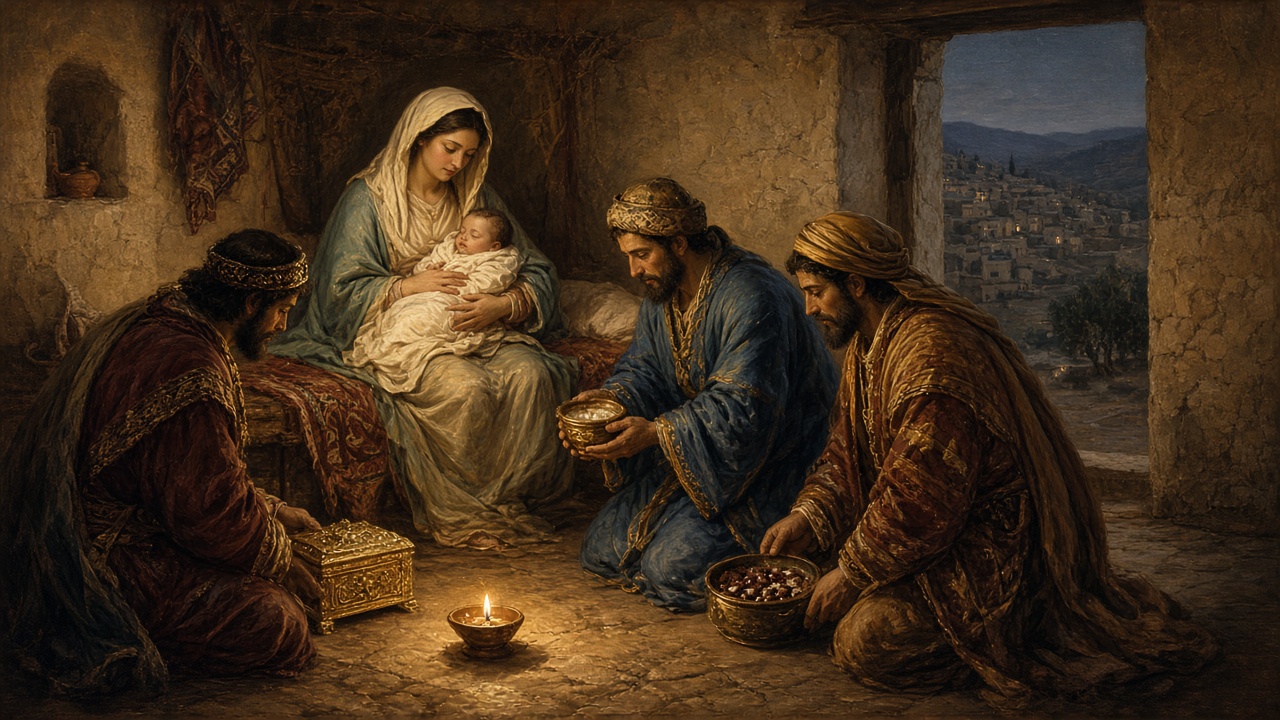
9Aipo oyeupe he pare, yasɨtata rese oyembohe vahe osɨrɨño voi yuvɨraso. Ahe pɨpeve yasɨtata oyemboyecua iri senonera. Ichui pĩtani recosa rese tuprɨ tecua Belén ve opɨta yasɨtata. 10Sepiase, ovɨhareté yuvɨreco. 11Ipare yuvɨroique oɨ pɨpe, osepia pĩtani ichɨ María reseve yuvɨreco. Ichui oñenopɨha sovai imboeteisa pɨpe. Ipare opõhe ombahe rɨru pɨpe yuvɨreco oicuavẽhe vaherã oporerecosa sepɨrusu vahe oro, itaɨsɨ, ambuae mbahe sɨ̃acua vahe mirra serer vahe avei. 12Yuvɨroyevɨse güecuave yuvɨraso, ndoyuvɨroyevɨ iri Jerusalén rupi mborerecuar Herodes upe imombehu. Esepia, Tũpa aipo omombehu iquerve chupe ambuae perɨ rupi iyevɨ ãgua.
Jesús pĩtani seroñemisa Egipto ve
13Aipo ava yepepɨ pare, José upe oyemboyecua Tũpa rembiguai iquerve, aipo ehi chupe: “Eñarapuha, eroñemi pĩtani ichɨ reseve eraso Egipto ve. Aheve erepɨtara acoi che amombehuse voi nde yevɨ ãgua. Esepia, mborerecuar Herodes osecara pĩtani yuca ãgua oico” ehi chupe.
14Ahe pɨ̃tu pɨpeve voi José vɨraso pĩtani ichɨ reseve Egipto ve. 15Aheve yuvɨrecoi co mborerecuar Herodes mano rãro. Co rupi imboavɨyesa Tũpa ñehe mombehusar remimombehugüer: “Egipto sui anose che Rahɨr” ehi vahe.
Herodes oyuca uca chĩhivahe eta
16Mborerecuar Herodes rumo oñemoɨró iteanga yasɨtata rese oyembohe vahe ombopa tẽisa rese. Sese, “Toyuvɨraso sundao tecua Belén ve, toyucapa chĩhivahe cuimbahemi yuvɨreco opacatu ñuvɨrío aravɨter ovɨreco vahe, chĩhivahemi catu vahe avei, ahe tecua ɨvɨrindar pɨpe avei no” ehi. Esepia, omoñetase yasɨtata rese oyembohe vahe yuvɨreco, oicua ahe aravɨter opa cũritei. 17Ẽgüe ehi yavɨye Tũpa ñehe mombehusar Jeremías remimombehugüer aipo ehi vahe:
18“Oyeendu ava Ramá ve.
Ahe Raquel oyaseho ité omembɨreta manose;
ndoyembovɨha catui eté ipɨpe” ehi.
19Mborerecuar Herodes manore, Egipto ve José upe oñehe iri Tũpa rembiguai iquerve aipo ehi: 20“Eñarapuha, eroyevɨ pĩtani ichɨ reseve Israel recuave. Esepia, opa omano pĩtani yuca potasar yuvɨreco” ehi.
21Aipo oyeupe hese, oñarapuha, vɨroyevɨ pĩtani ichɨ reseve Israel recuave. 22Perɨ rupi oyanduse rumo Arquelao vu recoyar mborerecuar chinise, ahese oyembosɨquɨye aheve oso ãgua. Coiyemi tẽi iquerve Tũpa, “Peso Galilea ɨvɨ rese” ehi chupe. Ichui yuvɨraso tecua Nazaret ve. Aheve opɨta yuvɨreco cute. Ẽgüe ehi yavɨye Tũpa ñehe mombehusar remimombehugüer: “ ‘Nazaret pendar’ ehira serecosa” ehi vahe.
Did you know?
Magi, Herod, and Nazareth
- The King Herod of this chapter is Herod the Great. His son Archelaus, by Malthace, a Samaritan woman, inherited a third of the kingdom: Idumea, Judea, and Samaria. Until a few days before Herod's death another son, Antipas, had been named successor, but in his last moments Herod named Archelaus; for fear of him, Joseph turned aside from Judea and withdrew to Galilee.Sources: Archelaus · the Bible text itself
- Matthew links the deaths of the boys in Bethlehem to words spoken through the prophet Jeremiah: a voice in Ramah, Rachel weeping for her children. Rachel, one of Jacob's wives, died giving birth to Benjamin and was buried by the wayside on the road to Ephrath, that is Bethlehem, directly north of the town. Her sepulchre is regarded with great veneration by the Jews.Sources: the Bible text itself · Rachel · Bethlehem
- Bethlehem, in the hill country of Judah, was earlier called Ephrath and was also known as the city of David; under the Romans it lay in Judea, the southernmost of the three divisions of Palestine. Joseph and Mary went instead to Nazareth in Galilee, their home, a town not mentioned in the Old Testament. The name Nazareth is generally supposed to come from the Hebrew netser, a shoot or sprout, though some connect it with a word for guarding or watching.Sources: Bethlehem · Judea · Nazareth · the Bible text itself
Notes written with AI assistance from open sources (Theographic Bible Metadata, CC BY-SA 4.0; Easton’s Bible Dictionary, public domain) and reviewed before publishing.
Places in this chapter
- Bethlehem · 31.704, 35.208 · verses 1, 5, 6, 8, 9, 16
- East · Today: region around Amman · 31.955, 35.934 · verses 1, 2, 9
- Jerusalem · 31.777, 35.234 · verses 1, 3
- Judea · Today: Judea 1 · 31.777, 35.234 · verses 1, 5, 22
- Egypt · 30.129, 31.308 · verses 13, 14, 15, 19
- Galilee · 32.760, 35.527 · verse 22
- Nazareth · 32.702, 35.298 · verse 23
Only places identified with high confidence are shown (90% or more according to the scholarly sources compiled by OpenBible). Period map: DARE (Digital Atlas of the Roman Empire), CC BY 4.0; modern map: © OpenStreetMap contributors; places: OpenBible.info (CC BY 4.0).
Credits and license for this translation
Tũpa Ñehengagüer
New Testament in Guarayu (BL:gyr:Guarayu)
copyright © 2011 Wycliffe Bible Translators, Inc.
Language: Guarayu
Translation by: Wycliffe Bible Translators, Inc.
Guarayu [gyr], Bolivia
Copyright Information
© 2011, Wycliffe Bible Translators, Inc. All rights reserved.
This translation text is made available to you under the
terms of the Creative Commons License: Attribution-Noncommercial-No Derivative Works.
( http://creativecommons.org/licenses/by-nc-nd/3.0/ )
In addition, you have permission to port the text to different file formats, as long as you
do not change any of the text or punctuation of the Bible.
You may share, copy, distribute, transmit, and extract portions
or quotations from this work, provided that you include the above copyright
information:
You must give Attribution to the work.
You do not sell this work for a profit.
You do not make any derivative works that change any of the actual words or punctuation of the Scriptures.
Permissions beyond the scope of this license may be
available if you contact
us with your request.
The New Testament
in Guarayu
© 2011, Wycliffe Bible Translators, Inc. All rights reserved.
This translation is made available to you under the terms of the
Creative Commons Attribution-Noncommercial-No Derivatives license 4.0.
You may share and redistribute this Bible translation or extracts from it in any format, provided that:
You include the above copyright and source information.
You do not sell this work for a profit.
You do not change any of the words or punctuation of the Scriptures.
Pictures included with Scriptures and other documents on this site are licensed just for use with those Scriptures and documents.
For other uses, please contact the respective copyright owners.
2014-04-25
Source: http://ebible.org/gyrNT/ · eBible.org