James 2
Tũpa Ñehengagüer · Tap a verse to see its cross-references.
Ndayamboyoavɨratɨi chira ava mboeteisa sereco
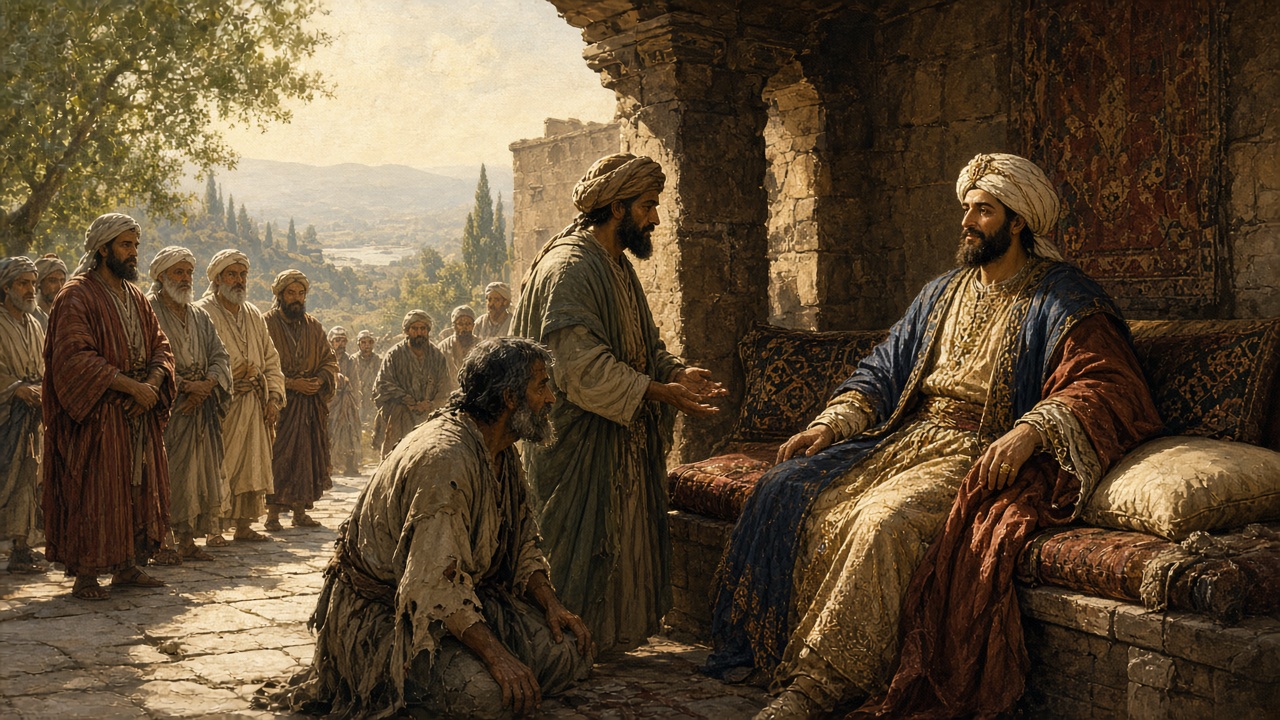
1Iyavei no, che rɨvɨreta, pe peroya vahe yande Yar Jesucristo seco porañete vahe peico, ndapeyeaɨsu yoavɨi chira. 2Inungar-ra que ava mbahe yar oiquese pe ñemonuhasave viña, ahe icuã penda oro vahe, iturucuar catuprɨ ai vahe. Sese pehañeco tuprɨ, “Eguapɨ co tenda avɨye catu vahesave” peyera chupe. Ahe pɨpeve avei co oiquese pe pãhuve iparaɨsu vahe oturucuar cuacua vahe reseve, “Eipe peve nde epɨta, anise eguapɨ ɨvɨve” aipo peyeñora co chupe viña. 4Evocoiyase ẽgüe peyese, peyapo mbahe ndoyoyai vahe, naporai vahe pe pãhuve ae iyavei peyeapo ava poravosar nungar peico pe pɨhañemoñeta raisa pɨpe.
5Che rɨvɨreta, che rembiaɨsu, pesendu aipo ñehesa: Tũpa oiporavo ava iparaɨsu vahe co ɨvɨ pɨpe ‘toyuvɨrecoi mbahe yar nungar che reroyasa rereco’ oya, iyavei ‘toipɨsɨ che remimombehugüer rupi che mborerecuasa oyeupe nara’ oyapave guaɨsupar upe. 6Pe rumo seroɨ̃rosa pɨpe pemochĩ ava iparaɨsu vahe. ¿Ndahei vo mbahe yar mara-mara tẽi pe rereco yuvɨreco yepi? Ahe niha pe mbotɨrɨrɨ mborerecuar rovai pe reraso yuvɨreco yepi. 7Ahe avei niha oñehe-ñehe tẽi seroɨ̃rosa pɨpe yande Yar yaroya vahe rer imboyeroyaprɨ rese yuvɨreco.
8Supi eté yayapo mbahe avɨye vahe yamboavɨyese mborocuaita ɨvate catu vahe icuachiaprɨ aipo ehi vahe: “Pesaɨsu ava pe yeaɨsu nungar” ehi vahe. 9Acoi yayeaɨsu yoavɨratɨ tẽise rumo, ahese yayapo angaipa, yayavɨ mborocuaita Tũpa rovai. 10Esepia, acoi ava vɨroya vahe opacatu mborocuaita, ipare rumo oime que ñepei nomboavɨye tuprɨi vahe, ahe oyavɨ opacatu mborocuaita. 11Esepia, Tũpa ité niha aipo ehi: “Ndapeyemboaguasai chira” ehi. Ahe avei aipo ehi: “Ndapeporoyucai chira no” ehi. Yepe acoi ndapeyemboaguasai chira viña, pe poroyuca pɨpe rumo, peyavɨ mborocuaita. 12Evocoiyase peñehe tuprɨra iyavei peico tuprɨ aveira. Esepia, oporandura yande recocuer rese yande Yar oporocuaita pɨpe güeru vahe yande reco tuprɨ ãgua. 13Supi eté acoi ndoiparaɨsuerecoi vahe ava, ahe chupe ndipoi chiaveira poroparaɨsuerecosa mborandusave. Oporoparaɨsuereco vahe rumo, ahe sorɨveté catura yuvɨreco ahe arɨ pɨpe mborandusave curi.
Yamboavɨye itera mbahe; ndahei chira yande ñehe tẽi
14Che rɨvɨreta, ¿avɨyera pĩha acoi ava, “Ayeroya yande Yar rese” ehi tẽi vahe, ndoyapoise mbahe avɨye vahe yuvɨreco? ¿Oicatura pĩha ahe oñepɨsɨro aipo ohe pɨpe tẽi yuvɨreco? 15Inungar-ra oimese que yande rɨvrɨ, anise yande reindrɨ upe ipanera iturucuarã, semihura arɨ yacatu rupindar viña. 16Evocoiyase que pe aipo peyeñora chupe viña: “Avɨye, eso tuprɨ eico. Eyeao eso sõhɨsagüer sui, ecaru tuprɨ” peyera. Ipare rumo ndapemondoise mbahe ipane vahe chupe, ¿avɨyera pĩha ava upe aipo yande he tẽi viña? 17Ẽgüe ehi avei, “Ayeroya yande Yar rese” yande hesa; ndayayapoise rumo mbahe avɨye vahe aipo yande hesa pɨpe, aipo yahe tẽi yaico.
18Avɨyeteramo ava pe pãhu pendar aipo ehira cheu: “Nde ereyeroya yande Yar rese, che rumo ayapo mbahe tuprɨ” ehi. Che evocoiyase aipo ahera chupe: “Emboyecua ru nde yeroyasa mbahe nde rembiapoẽhɨ pɨpe. Evocoiyase che amboyecuara che yeroyasa oime vahe che rembiapo pɨpe ndeu” ahera. 19Nde niha aipo, “Che aicua oime ñepei Tũpa” ere. Supi eté aipo ere. Co rumo caruguar avei oicua. Ichui osɨquɨyepave rumo ahe orɨrɨi eté yuvɨreco. 20¡Mbɨa, tapeico eme ndayaracuai vahe! ¿Ereicua vo co nde mbahe apoẽhɨsa nde yeroyasa ẽgüe ehi tẽi vahe? 21Esepia, Tũpa oipɨsɨ yande ramoi Abraham seco tuprɨsa pɨpe oicuavẽhese porerecosa nungar guahɨr Isaac chupe aracahe. 22Indó, Abraham yeroyasa omboyecua ité güembiapo catuprɨ reseve. Evocoiyase ẽgüe ehi ahe güembiapo tuprɨ pɨpe omboavɨye tuprɨ oyeroyasa oico aracahe. 23Ẽgüe ehi yavɨye icuachiaprɨ aipo ehi vahe: “Abraham vɨroya ité Tũpa, evocoiyase, ‘Co seco catuprɨ vahe’ ehi Tũpa ipɨsɨ” ehi. Ahese ava, “Abraham Tũpa mborɨpar ité” ehi yuvɨreco chupe.
24Indó, Tũpa, “Co seco catuprɨ vahe” ehi ava upe sembiapo tuprɨ repiase yepi, ndahei iyeroyasa rese güeraño. 25Ẽgüe ehi tuprɨ avei cuña ndipɨhai vahe Rahab upe. Esepia, ahe omoingue ñuvɨrío ava ɨvɨ repiasar imondoprɨ güẽta pɨpe, ipare oñomi imondo ambuae perɨ rupi yamotarẽhɨsar sui. Ipɨpe sui Tũpa oipɨsɨ inungar-ra seco ɨ̃vi tuprɨ vahe viña. 26Ẽgüe ehi yande rembiapo catuprɨ ndayamboyecuaise yande yeroyasa pɨpe, ahe inungar avei Espíritu ndasecoise yande rese, yande yeroyasa evocoiyase omano tẽi eté oico.
Did you know?
Impartiality and Living Faith
- James recalls that Abraham was justified by offering his son Isaac on the altar, his faith working with his actions and perfected by what he did. Isaac, the only son of Abraham by Sarah, was the one God commanded Abraham to offer as a sacrifice on a mountain in the land of Moriah.Sources: the Bible text itself · Isaac
- James also cites Rahab the prostitute, justified by welcoming the spies and sending them off on another route. The two spies, sent by Joshua while the Hebrews were encamped at Shittim opposite Jericho, had gone to her house, faced danger in the city, and were saved by her fidelity.Sources: the Bible text itself · Rahab
Notes written with AI assistance from open sources (Theographic Bible Metadata, CC BY-SA 4.0; Easton’s Bible Dictionary, public domain) and reviewed before publishing.
Credits and license for this translation
Tũpa Ñehengagüer
New Testament in Guarayu (BL:gyr:Guarayu)
copyright © 2011 Wycliffe Bible Translators, Inc.
Language: Guarayu
Translation by: Wycliffe Bible Translators, Inc.
Guarayu [gyr], Bolivia
Copyright Information
© 2011, Wycliffe Bible Translators, Inc. All rights reserved.
This translation text is made available to you under the
terms of the Creative Commons License: Attribution-Noncommercial-No Derivative Works.
( http://creativecommons.org/licenses/by-nc-nd/3.0/ )
In addition, you have permission to port the text to different file formats, as long as you
do not change any of the text or punctuation of the Bible.
You may share, copy, distribute, transmit, and extract portions
or quotations from this work, provided that you include the above copyright
information:
You must give Attribution to the work.
You do not sell this work for a profit.
You do not make any derivative works that change any of the actual words or punctuation of the Scriptures.
Permissions beyond the scope of this license may be
available if you contact
us with your request.
The New Testament
in Guarayu
© 2011, Wycliffe Bible Translators, Inc. All rights reserved.
This translation is made available to you under the terms of the
Creative Commons Attribution-Noncommercial-No Derivatives license 4.0.
You may share and redistribute this Bible translation or extracts from it in any format, provided that:
You include the above copyright and source information.
You do not sell this work for a profit.
You do not change any of the words or punctuation of the Scriptures.
Pictures included with Scriptures and other documents on this site are licensed just for use with those Scriptures and documents.
For other uses, please contact the respective copyright owners.
2014-04-25
Source: http://ebible.org/gyrNT/ · eBible.org