1 Corinthians 7
Tũpa Ñehengagüer · Tap a verse to see its cross-references.
Poromboaracuasa mendasa resendar
1Cũritei amboyevɨra pẽu acoi cuese pe porandusa mendasa resendar peicuachía vahe imbou cheu. Avɨyeño ité niha que ava ndomendaise viña. 2Pe aguasa-guasa tẽiẽhɨ ãgua rumo peyacatu perecora pe rembireco, cuña avei evocoiyase tovɨreco oyacatu omer yuvɨreco. 3Cuimbahe tomboavɨye omendasa güembireco rese iyavei cuña omenda vahe, tomboavɨye avei mendasa omer rese. Ahe niha yande cuaita yamendase. 4Esepia, cuña omenda vahe güetecuer ndahe iri oyeupe nara vɨreco, omer upe nara ité rumo. Iyavei cuimbahe omenda vahe, ndahei avei güetecuer oyeupe nara vɨreco, ahe rumo güembireco upe nara ité vɨreco. 5Ndiyai peatẽhɨ oyeupe. Oyoya rumo, “Yayapo eme mbahe” peyese peyeupe pe yeroquɨ ãgua Tũpa upe, ahe avɨyeño. Ndiyai rumo peyoeya pucura, avɨyeteramo ndapeñemosai chira, ipɨpe sui avɨyeretamo Caruguar pe ãtoi tiẽtera.
6Ndahei che opocuai ‘tomenda yuvɨreco’ viya pẽu. 7Che rumo aipota che nungar pe mendaẽhɨ ãgua viña. Tũpa rumo ombou yande yacatu yande recorã.
8Iyavei ndomenda vɨtei vahe upe, cuña imer mano vahecuer upe avei amombehu pota mbahe: iyacatu revo ndapemendai peico che nungar. 9Ndapeicatuise rumo pe ñemosa ãgua, pemendaño. Esepia, avɨye catu itera pemenda poropota rai rãgüer sui.
10Che rumo amombehu omenda vahe upe ‘topoi eme cuña omer sui’ viya. Ndahei cheyesui tẽi aipo ahe. Ahe rumo yande Yar porocuaita ité. 11Acoi opoise cuña omer sui, tomenda iri eme, anise toyevɨ iri omer upe. Iyavei cuimbahe omenda vahe, topoi eme avei güembireco sui.
12Ambuae ava opacatu upe rumo cheyesui eté aipo ahe. Esepia, ndipoi eté yande Yar ñehe sesendar: acoi Jesús reroyasar vɨrecose güembireco ndahei vahe Jesús reroyasar, ahe cuña secoi potaño itese sese, evocoiyase ahe topoi eme ité güembireco sui. 13Iyavei acoi cuña Jesús reroyasar, vɨrecose omer ndahei vahe Jesús reroyasar, ahe cuimbahe secoi potaño itese sese, evocoiyase ahe cuña topoi eme ité ichui. 14Esepia, co cuña Jesús reroyasar vɨrecose omer ndahei vahe Jesús reroyasar, ndahei eté angaipa yuvɨreco Tũpa rovaque. Ẽgüe ehi aveira cuimbahe Jesús reroyasar vɨrecose güembireco Jesús reroyasarẽhɨ. Ẽgüe ndehise rumo, tahɨr avei ndoyavɨi chira ndahei vahe Jesús reroyasar rahɨr yuvɨreco viña. Ahe tahɨr rumo Tũpa upendar yuvɨrecoira. 15Sese pe, pemenda vahe ndahei vahe Jesús reroyasar rese, pepoi eme catu ichui; avɨyeteramo pe recocuer sui pe mer oñepɨsɨrora. Iyavei pe cuimbahe, avɨyeteramo pe recocuer sui avei pe rembireco oñepɨsɨrora. Acoi cuña ndahei vahe Jesús reroyasar opoi potase omer Jesús reroyasar sui, topoiño ichui. Iyavei cuimbahe ndahei vahe Jesús reroyasar opoi potase güembireco Jesús reroyasar sui, topoiño avei ichui. Esepia, Tũpa oipota mbahe tuprɨ pɨpe yande reco ãgua.
17Co rumo mbahe: peicoveño yɨpɨndar pẽu Tũpa ombou vahe rese seroyaẽhɨ vɨtesendar pɨpe. Ahe aporocuai opacatu Cristo upendar ñemonuhasa rupi yepi. 18Acoi Tũpa osenoise ava judío oyeupe nara, ahe judioño ité secoira. Acoi osenoise rumo, ndahei vahe judío, ahe ndoyembocircuncida ucai chira judío güeco ãgua. 19Esepia, ndahei chira que judío, anise que ndahei vahe judío yaicose avɨye catura yaico. Co rumo Tũpa oipota catu, “Tomboavɨye opacatu che porocuaita amondo vahe chupe yuvɨreco” ehi yandeu. 20Sese peicoveño peyacatu pe recocuer pẽu Tũpa ombou vahe rese pe renoiẽhɨ vɨteseve. 21Pe mbiguai tẽi peico vahe pe renoise Tũpa, pepɨhañemoñeta eteprɨ eme evocoiya pe recosa sui pesẽ vaherã rese. Peicatuse rumo, peyepepɨño itera ichui. 22Esepia, yepe pe mbiguai tẽi peico viña, peroyase rumo yande Yar, ahese inungar ndahe iri vahe mbiguai peico chupe. Iyavei pe no, ndahei vahe mbiguai tẽi peico vahe, yepe ẽgüe peye viña, peroyase rumo Cristo, ahese sembiguai peico. 23Tũpa upe rumo perepɨ́ iteanga, sese ndiyai eté ambuae ava povrɨve tẽi peico. 24Sese, che rɨvɨreta, peicoveño itera pe recocuer pɨpe inungar yɨpɨndar Tũpa pe renoise.
25Cuñatai ndomenda vɨtei vahe resendar rese rumo ndarecoi Yar suindar che ñehe ãgua. Che rumo amondora che pɨhañemoñetasa yuvɨreco chupe. Esepia, yande Yar che paraɨsuerecosa pɨpe imboyeroyaprɨ aico. 26Cheu avɨye catuño ité ndomendai vahe ẽgüe ehiño tẽise yuvɨreco viña. Esepia niha, tecocuer yavaí eteanga cũritei. 27Acoi pemendase, pepoi eme ité oyesui. Acoi ndapemendaise, ndapeseca iri chietera peyeupe. 28Pemendase rumo, ndahei angaipa iyavei cuñatai omendase, ndoyapoi avei angaipa. Acoi omenda vahe upe rumo yavai catura co ɨvɨ pɨpe yuvɨreco chupe. Sese che ndaipotai evocoi nungar mbahe pɨpe yuvɨreco vaherã.
29Che rɨvɨreta, aipo mbahe amombehu pota pẽu: ndipucuvei co arɨ naporai vahe yepota ãgua yandeu. Sese co pɨpe suive tuprɨ omenda vahe toyuvɨrecoi ndomendai vahe nungar yande Yar rese opɨhañemoñetasa pɨpe. 30Acoi ndovɨhai vahe, toyuvɨrecoi eme ovɨharẽhɨsa pɨpe iyavei acoi ovɨharete vahe, ahe toyuvɨrecoi eme avei ovɨharetesa pɨpe, iyavei vɨrocua vahe mbahe omahera, toyuvɨrecoi inungar mbahe ndovɨrocuai vahe omahera viña yande Yar rese opɨhañemoñetasa pɨpe. 31Acoi ava ipɨhañemoñeta catu vahe co ɨvɨ pɨpendar mbahe poru ãgua, tipɨhañemoñeta eme evocoi nungar mbahe tẽi rese yuvɨreco. Esepia, co ɨvɨ pɨpendar mbahe yasepia vahe, ocañɨ tẽira.
32Che ndaipotai co ɨvɨ pɨpendar recocuer rese tẽi pe pɨhañemoñeta eteprɨ peico. Acoi mbɨa ndomendai vahe rumo, ipɨhañemoñeta catuño ité yande Yar rese imbovɨha ãgua; 33omenda vahe rumo ipɨhañemoñeta avei co ɨvɨ pɨpendar recocuer rese tẽi, güembireco mbovɨha ãgua rese avei. 34Evocoiyase ndahei ñepei opɨhañemoñetasa vɨreco. Ẽgüe ehi avei cuña opɨhañemoñeta rereco; cuña ndomendai vahe, ipɨhañemoñeta yande Yar upendar mbahe rese, güetecuer iyavei oespíritu rereco tuprɨ ãgua Tũpa upe. Cuña omenda vahe rumo ipɨhañemoñeta co ɨvɨ pɨpendar recocuer rese tẽi omer mbovɨha ãgua oico.
35Che aipo ahe pẽu ‘mbahe tuprɨ pɨpe toyuvɨrecoi’ viya, ndahei mbahe yavai vahe pɨpe pe reco ãgua. Che aipota ité pe reco catuprɨsa pɨpe yande Yar upeño ité mbahe peyapo vaherã pe recoeté pɨpe peico.
36Acoi ava ipɨhañemoñeta vahe güembirecovɨ rese omenda ãgua, “Avɨyeteramo ayavɨra mbahe ichui iyavei niha osupitɨ ité imenda ãgua, sese avɨye catu yamenda” ehise, toyapoño güemimbotar. Tomendaño ité güembirecovɨ rese. Esepia, mendasa niha ndahei angaipa. 37Acoi mbɨa rumo ndovɨrecoise que ocuaita omenda ãgua iyavei oicatu ité güemimbotar apo, ipɨhañemoñetase ñepei reseve güembirecovɨ rese omendaẽhɨ ãgua, ahe avɨyeño ité. 38Evocoiyase acoi omenda vahe avɨyeño; acoi ndomendai vahe rumo, avɨye catuño ité.
39Iyavei acoi cuña omenda vahe, ahe ndiyai eté iyepepɨ ãgua omer sui imanoẽhɨ vɨteseve. Omanose rumo ichui, ahese ramo ahe cuña upe avɨyeño imenda iri ãgua güemimbotar rupi. Yande Yar reroyasar rese avei rumo omendara. 40Ndomenda irise rumo, avɨye catuño itera. Ahe che pɨhañemoñetasa, iyavei revo ahe che pɨhañemoñetasa Tũpa Espíritu suindar.
Did you know?
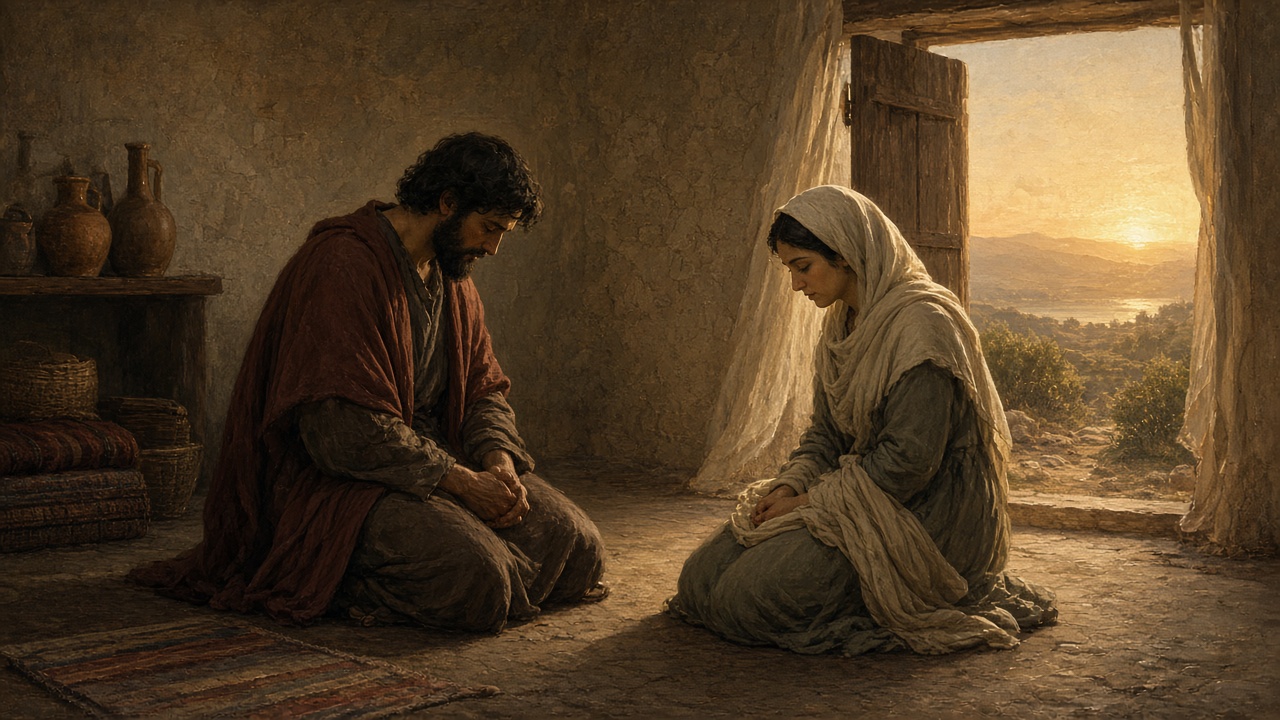
Counsel on marriage and the present crisis
- The chapter opens as a reply to matters the readers had written about. The writer says it is good to abstain from sexual relations, yet, because there is so much sexual immorality, each man should have his own wife and each woman her own husband. He presents this as a concession, not as a command, and says that each person has their own gift from God.Sources: the Bible text itself
- In marriage, the writer says the wife does not have authority over her own body, but the husband does, and likewise the husband does not have authority over his own body, but the wife does. They should not deprive each other except by mutual consent and for a time, so they may devote themselves to prayer, and then come together again, so that Satan will not tempt them through lack of self-control. Easton's Bible Dictionary (1897) presents the name Satan as “adversary” or “accuser,” and notes that he tempted Jesus in the wilderness.Sources: the Bible text itself · Satan
- The writer distinguishes a command he attributes to the Lord—a wife must not separate from her husband, and a husband must not divorce his wife—from his own judgment where he says he, not the Lord, is speaking, including marriages with an unbeliever and questions about virgins. Because of what he calls the present crisis, and because he says the time is short and this world in its present form is passing away, he thinks it good to remain as one is. He adds that to marry is not to sin, though those who marry will face troubles in this life.Sources: the Bible text itself
Notes written with AI assistance from open sources (Theographic Bible Metadata, CC BY-SA 4.0; Easton’s Bible Dictionary, public domain) and reviewed before publishing.
Credits and license for this translation
Tũpa Ñehengagüer
New Testament in Guarayu (BL:gyr:Guarayu)
copyright © 2011 Wycliffe Bible Translators, Inc.
Language: Guarayu
Translation by: Wycliffe Bible Translators, Inc.
Guarayu [gyr], Bolivia
Copyright Information
© 2011, Wycliffe Bible Translators, Inc. All rights reserved.
This translation text is made available to you under the
terms of the Creative Commons License: Attribution-Noncommercial-No Derivative Works.
( http://creativecommons.org/licenses/by-nc-nd/3.0/ )
In addition, you have permission to port the text to different file formats, as long as you
do not change any of the text or punctuation of the Bible.
You may share, copy, distribute, transmit, and extract portions
or quotations from this work, provided that you include the above copyright
information:
You must give Attribution to the work.
You do not sell this work for a profit.
You do not make any derivative works that change any of the actual words or punctuation of the Scriptures.
Permissions beyond the scope of this license may be
available if you contact
us with your request.
The New Testament
in Guarayu
© 2011, Wycliffe Bible Translators, Inc. All rights reserved.
This translation is made available to you under the terms of the
Creative Commons Attribution-Noncommercial-No Derivatives license 4.0.
You may share and redistribute this Bible translation or extracts from it in any format, provided that:
You include the above copyright and source information.
You do not sell this work for a profit.
You do not change any of the words or punctuation of the Scriptures.
Pictures included with Scriptures and other documents on this site are licensed just for use with those Scriptures and documents.
For other uses, please contact the respective copyright owners.
2014-04-25
Source: http://ebible.org/gyrNT/ · eBible.org