Romans 16
Cohamacʉ Yare Yahari Tjuel · Tap a verse to see its cross-references.
Paulo noa dutiha
1Mari coyeacoro Febe wama tiricoro mʉsa cahapʉ waharo taro nina. Ticoro Cencrea wama tiri macai Jesu yainare cahmachuinare yoadohoricoro jira. 2Ã jiro payʉre yoadohoricoro yʉhʉ cʉ̃hʉre yoadohoricoro jihre ticoro. Tuhsʉ, mari pʉhtoro Jesu yacoro jira. Ã jina ticorore noano mehne mʉsa mehne ji dutiga. Tó seheta yoaro cahmana marine Jesu yainare. Ã yoana ticorore paye baro to maerachʉ ñʉna ticorore waga mʉsa.
3Aquila, to namono Priscila cʉ̃hʉ noajaro. Jesucristo yare yʉ buhechʉ tina cʉ̃hʉ yʉhʉ mehne dahrare. 4Tinare mahano wajãmoñore paina yʉhʉre ti wajã duachʉ ti yoadohori buhiri. Ã jicʉ tina mehne wahcheja yʉhʉ. Tuhsʉ, judio masa jieraina Jesu yaina jipihtina tina cʉ̃hʉ tina mehne wahchera. 5Aquila ya wʉhʉi cahmachuina cʉ̃hʉ Jesu yaina noajaro. Yʉ cahĩriro Epeneto cʉ̃hʉ noajaro. Tiro Asia yahpa macariro tói jiro Cristore wacũ tua mʉhtariro jire. 6María cʉ̃hʉ noajaro. Ticoro mʉsa mehne tuaro dahrahre. 7Yʉ coyea Andrónico, Junia cʉ̃hʉ noajaro. Peresui yʉ jichʉ tinata yʉhʉre piti tiina jihre. Ã jia yʉ pano Cristore wacũ tua mʉhtare tina sehe. Paina Jesu to cũrina sehe tinare “Potocãta noaina jira”, ni durucura.
8Ampliato cʉ̃hʉ yʉ cahĩriro Jesu yairo jira. Tiro noajaro. 9Urbano cʉ̃hʉ noajaro. Tiro cʉ̃hʉ mari mehne Cristo yare dahrahre. Ã yoa yʉ cahĩriro Estaqui noajaro. 10Apele cʉ̃hʉ noajaro. Tiro potocãta noano Jesure wacũ tuara. To yoarire ñʉna tíre masija mari. Tuhsʉ, Aristóbulo ya wʉhʉ macaina jipihtina to namono to pohna cʉ̃hʉ noajaro. 11Yʉ coyeiro Herodiõ noajaro. Ã yoa Narciso ya wʉhʉ macaina Jesu yaina noa pihtinocajaro. 12Ã yoa Trifena, Trifosa cʉ̃hʉ noajaro. Tí numia mari pʉhtoro Jesu ya dahraare yoara. Mari cahĩricoro Pérside cʉ̃hʉ noajaro. Ticoro mari pʉhtoro yare tuaro yoara. 13Rufo mari pʉhtoro Jesure noano wacũ tuariro, to yare noano yoariro noajaro. To pocoro cʉ̃hʉ noajaro. Ticoro yʉ poco yoaro sehe jiricoro jira. 14Asíncrito, Flegonte, Herme, Patroba, Herma, paina Jesu yaina tina mehne macaina cʉ̃hʉ noajaro. 15Tuhsʉ, Filólogo, Julia, Nereo, to bahoro cʉ̃hʉ, Olimpa, paina tina mehne macaina cʉ̃hʉ Jesu yaina noajaro.
16Ã yoa mʉsa mehne macainare piti bocana, noano mehne piti bocaga. Jipihtina Jesu yaina jipihtiro macaina mʉsare noa dutira.
17Yʉ coyea, mʉsa mehne macaina cãina mʉsare cahma ñʉ tuhti, cahma tju wachʉ yoaina jira. Ã jia mʉsare Jesu ya buheare dojomehnena. Ã jina tó sehe yoainare ñʉna noano yoanohbʉ, “Dojomehneri”, nina. Ã yoainare piti tiena tjiga. 18Tó sehe yoaina mari pʉhtoro Jesucristo yare yoaerara. Ñaare ti goa pjaa dihtare yoara. Tuhsʉ, noano tʉho ji coaro dero mahño buhera noano masierainare. Ti ã mahñochʉ tinare noano tʉhora. Ã jina ã yoainare piti tiena tjiga mʉsa. 19Mʉsa sehe Jesure noano yʉhtiina jira. Tíre jipihtina masina. Ã noano yʉhtiina mʉsa jichʉ wahcheja yʉhʉ. Ã jicʉ noano mʉsa yoahtore mʉsa masichʉ cahmaja yʉhʉ. Ã yoa ne ñaare yoaeraina mʉsa jichʉ cʉ̃hʉre cahmaja yʉhʉ. 20Ã jiro Cohamacʉ marine noano jinocachʉ yoariro mahanocã baharo watĩno Satanare yʉhdʉrʉcachʉ yoarohca mʉsare. Ã yoa mari pʉhtoro Jesucristo mʉsare noano wahachʉ yoajaro.
21Timoteo yʉ piti mʉsare noa dutira. Yʉ coyea judio masa cʉ̃hʉ, Lucio, Jasõ, Sosípatro mʉsare noa dutira.
22Yʉhʉ Tercio ahri pũre Paulore joabasariro jija. Yʉhʉ Jesu yairo jicʉ mʉsare Jesu yainare noa dutija.
23Gayo ya wʉhʉi jinocai nija yʉhʉ Paulo. To ya wʉhʉi Jesu yaina cahmachuna. Tiro cʉ̃hʉ mʉsare noa dutira. Ã yoa Erasto ahri maca macaina pʉhtoare niñerure ñʉ wihbobasariro mʉsare noa dutira. Mari coyeiro Jesu yairo Cuarto cʉ̃hʉ mʉsare noa dutira.
24[Yʉ coyea mari pʉhtoro Jesucristo mʉsare jipihtinare to cahĩa mehne noano yoajaro. Ãta yoajaro.]
Paulo Cohamacʉre ño payoro joa batoara
25Mari pʉhtoro Jesucristo ya buhea mehne noaa buhea mehne Cohamacʉ mʉsare tirore wacũ tua namochʉ yoa masina. Panopʉre tí buhea noaa buhea ne masare yahuerari buhea jimaha. Mipʉre Cohamacʉ yare yahu mʉhtaina cjiri ti joari cjiri mehne tí buheare yahua jira. Yʉhʉ cʉ̃hʉ tíreta buheja. Tí buheare Cohamacʉ ã jirucuriro to yahu site dutiro seheta jipihtiro macainapʉ mipʉre masina. Tí buheare tirota yahu dutiha masa tirore yʉhti, ti wacũ tuahto cjihto sehe. Ã jina tirore “Potocãta noariro, tuariro jira mʉhʉ”, ni wahche payojihna. Tiro cʉ̃irota Cohamacʉ dihta noano masi pahñoriro jira. Jesucristo to yoadohoa mehne Cohamacʉre ã ño payorucujihna mari. Ãta yoarucujihna.
Did you know?
Greetings to the church in Rome
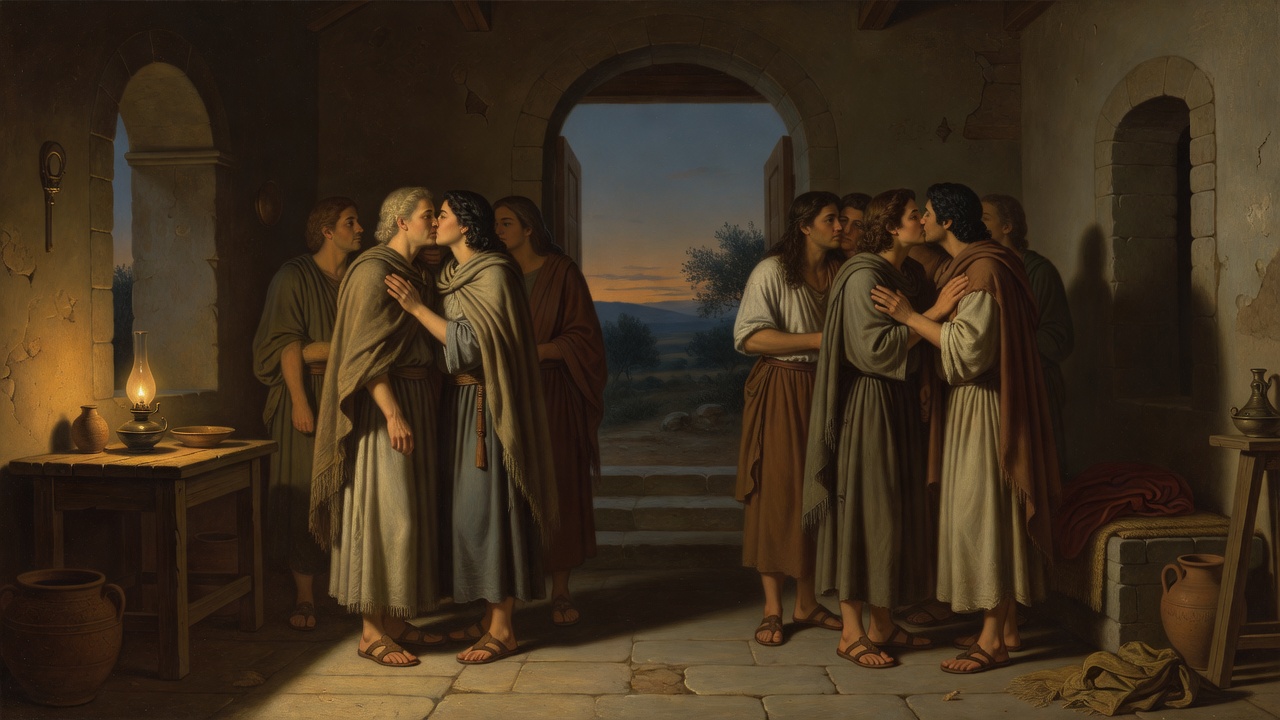
- Paul commends Phoebe, a servant of the church in Cenchrea, and asks the recipients in Rome to welcome her and help her with whatever she needs, because she has been a great help to many people, including him. Cenchrea was the eastern harbor of Corinth, about nine miles east of the city and the outlet for its trade with the Asiatic shores of the Mediterranean; Easton's Bible Dictionary (1897) says she was probably the bearer of this letter.Sources: the Bible text itself · Phebe · Cenchreae
- Paul greets Prisca and Aquila, his fellow workers in Christ Jesus, who risked their lives for him, and also the church that meets in their house; he says that not only he but all the churches of the Gentiles are grateful to them. Easton's Bible Dictionary (1897) calls her Priscilla and describes Aquila as a tent-maker from Pontus who, with his wife, left Rome because of a decree of Claudius in A.D. 50 commanding all Jews to leave the city; her name sometimes comes before his, as it does here.Sources: the Bible text itself · Priscilla · Aquila
- Near the close, Tertius, who wrote the letter down, adds his own greeting. Gaius, who has hosted Paul and all the church, also sends greetings, as do Erastus, the city treasurer, and Quartus.Sources: the Bible text itself
Notes written with AI assistance from open sources (Theographic Bible Metadata, CC BY-SA 4.0; Easton’s Bible Dictionary, public domain) and reviewed before publishing.
Places in this chapter
Only places identified with high confidence are shown (90% or more according to the scholarly sources compiled by OpenBible). Period map: DARE (Digital Atlas of the Roman Empire), CC BY 4.0; modern map: © OpenStreetMap contributors; places: OpenBible.info (CC BY 4.0).
Credits and license for this translation
Cohamacʉ Yare Yahari Tjuel
New Testament in Guanano
copyright © 2007 Wycliffe Bible Translators, Inc.
Language: Guanano
Translation by: Wycliffe Bible Translators, Inc.
Copyright Information
© 2007, Bible League International. All rights reserved.
This translation text is made available to you under the
terms of the Creative Commons License: Attribution-Noncommercial-No Derivative Works.
( http://creativecommons.org/licenses/by-nc-nd/3.0/ )
In addition, you have permission to port the text to different file formats, as long as you
do not change any of the text or punctuation of the Bible.
You may share, copy, distribute, transmit, and extract portions
or quotations from this work, provided that you include the above copyright
information:
You must give Attribution to the work.
You do not sell this work for a profit.
You do not make any derivative works that change any of the actual words or punctuation of the Scriptures.
Permissions beyond the scope of this license may be
available if you contact
us with your request.
The New Testament
in Guanano
© 2007, Wycliffe Bible Translators, Inc. All rights reserved.
This translation is made available to you under the terms of the
Creative Commons Attribution-Noncommercial-No Derivatives license 4.0.
You may share and redistribute this Bible translation or extracts from it in any format, provided that:
You include the above copyright and source information.
You do not sell this work for a profit.
You do not change any of the words or punctuation of the Scriptures.
Pictures included with Scriptures and other documents on this site are licensed just for use with those Scriptures and documents.
For other uses, please contact the respective copyright owners.
2014-08-06
Source: http://ebible.org/gvc/ · eBible.org