Revelation 3
Cohamacʉ Yare Yahari Tjuel · Tap a verse to see its cross-references.
Sardis macainare Jesu yainare joaroca dutiha Joãore
1’Sardis macaina yʉ yainare, ti pʉhtoro cʉ̃hʉre õ sehe ni joarocaga mʉhʉ: “Yʉhʉ siete pjacʉ bajuerainare Cohamacʉ yainare dutiriro jija. Ã yoa siete ñahpichoha pocare cjʉariro jija. Mʉsare õ sehe ni yahuja: Mʉsa yoarire masija. Õ sehe ni tʉhotumana paina mʉsare: ‘Tina Cohamacʉ yare noano yoa pahñoina jira’, ni tʉhotumana mʉsare paina. Ti ã ni tʉhotupachʉta Cohamacʉ yare noano yoaerara mʉsa. 2Ã jina noano yoaga mʉsa ‘Ñaare yoari’, nina. Cohamacʉ yare mʉsa masirire noano wacũga, ‘To yare duhuri’, nina. Cohamacʉ to ñʉchʉ noano yoa pahñoerasinire mʉsa. 3Ã jina yʉ yare mʉsa tʉho mʉhtarire noano wacũga mʉsa. Ã wacũna yʉ yare yoaga tjoa. Cohamacʉ yare pari turi cahmaga tjoa. Yʉ nino sehe mʉsa yoaerachʉ wacũenoca mʉsare buhiri dahreihtja. Yacariro wacũenoca to yacaro sãariro seheta mʉsare wacũenoca buhiri dahreihtja. 4Cãina mʉsa mehne macaina Sardis macaina ñaare yoarucuina jierara. Wete marieni suhtirore mʉsa sãaboriro seheta tí suhtirore mʉsa wete piho duaeraro seheta ti ñaa yoaare piha duaerare mʉsa. Ã noaina jina, yehseri suhtiro sãaina yʉhʉ mehne tininahca mʉsa sehe. Ã yoahtina cjihti jira mʉsa. 5Jipihtina yʉ yare duhueraina ãta yehsea suhti sãaina jiahca. Ã yoa yʉhʉ mehne ã jirucuhtina ti wamare to joa õri pũi tina cʉ̃hʉ ti wamare joa õina jiahca. Ti wamare to joa õrire pahã cohãsi yʉhʉ. Yʉ Pʉcʉ to ñʉrocaroi, anjoa cʉ̃hʉ ti ñʉrocaroi yʉ yaina mʉsa jirire yahuihtja tinare. 6Cahmori tiina jira mʉsa. Ã jina mʉsa ya curuari macainare yʉ yainare Espíritu Santo to yahurire tʉhoga mʉsa”, ni joarocaga Sardis macaina yʉ yainare, ti pʉhtoro cʉ̃hʉre.
Filadelfia macainare Jesu yainare joaroca dutiha Joãore
7’Filadelfia macaina yʉ yaina, ti pʉhtoro cʉ̃hʉre õ sehe ni joarocaga mʉhʉ: “Yʉhʉ ñaa marieriro jija. Yʉ nino seheta yoariro jija. Davi cjiro panopʉ macariro pʉhtoro dutiriro waro sawire cjʉariro jiro masare to dutiriro seheta tuaa mehne dutiihtja yʉhʉ cʉ̃hʉ. Tí tuaa mehne yʉ yoa dutichʉ ne paina tíre dʉcata masierara. Yʉ yoa dutierachʉ ne paina tíre yoa masierara. 8Jipihtiare mʉsa yoaare masija yʉhʉ. Wacũ tuaera cureina jipanahta yʉ buheare noano tʉho, tíre ne duhuerare mʉsa. Ã jicʉ yʉ yare cũi mʉsare tíre buhe duticʉ. Ã jia paina ‘Tíre buhena tjiga’, ni dʉcata masierara mʉsare. 9Ã jicʉ õ sehe yoaihtja: Paina mʉsa cahai jiina Satana yaina jira. ‘Judio masa jija’, nipahta judio masa waro jierara. Tinare mʉsa panoi na tuhcua caha sʉ mʉsare ño payochʉ yoaihtja tinare. Yʉ ã yoachʉ ñʉa mʉsare yʉ cahĩare masiahca tina. 10Mʉsare yʉ yare yʉ duhu dutierachʉ tʉhona noano yʉhtire mʉsa. Mʉsa ã yoachʉ ñʉcʉ ahri yahpa macaina jipihtina ti ñano yʉhdʉhti pja jichʉ mʉsare dʉcataihtja mʉsa ñano yʉhdʉerahto sehe. Tí pja jipihtina ti ñano yʉhdʉhti pja jirohca. 11Mahanocã dʉhsara ahri yahpapʉ yʉ tjua tahto. Yʉ yare mʉsa masirire boena tjiga. Ã yoa yʉhʉre ã yʉhtirucuga, mʉsa noano yoari wapare ‘Butiri’, nina. 12Ã jicʉ yʉ yare ã yoarucuinare yʉ Pʉcʉ ya wʉhʉ macaina cjihtire cũihtja tinare. To ya wʉhʉ macaa botari ti yoari pja ti jirucuro seheta Cohamacʉ mehne jirucuchʉ yoaihtja tinare. Ã jia Cohamacʉ mehne macaina ã jirucuahca. Ã jicʉ Cohamacʉ wʉhʉ macaa botaripʉ yʉ joa õno seheta tinare ti pjacʉripʉ õ sehe ni joa õihtja: Cohamacʉ yʉ Pʉcʉ wamare, to ya maca wama cʉ̃hʉre joa õihtja. To ya maca wahma maca Jerusalẽ jirohca. Tí maca mʉanopʉ Cohamacʉ cahapʉ tari maca jirohca. Yʉhʉ wahma wama cjʉaihca. Tí wama cʉ̃hʉre joa õihtja ti pjacʉripʉ. 13Cahmori tiina jira mʉsa. Ã jina mʉsa ya curuari macainare yʉ yainare Espíritu Santo to yahurire tʉhoga mʉsa”, ni joarocaga Filadelfia macaina yʉ yainare, ti pʉhtoro cʉ̃hʉre.
Laodicea macainare Jesu yainare joaroca dutiha Joãore
14’Laodicea macaina yʉ yainare, ti pʉhtoro cʉ̃hʉre õ sehe ni joarocaga mʉhʉ: “Yʉhʉ Cohamacʉ jipihtia to yoarire, to yoahti cʉ̃hʉre yoa sohtori tiriro jija. Yʉhʉ potocã yoariro jija. Ã jicʉ mahñono marieno yʉ ñʉrire ã yahurucuriro jija. Jipihtiare yʉ Pʉcʉ to yoarire yoabasariro jija yʉhʉ. 15Jipihtia mʉsa dohse yoarire masija yʉhʉ. Yʉhʉre wacũ tuaina jipanahta mahanocã wacũ tuaina jira mʉsa. Õ sehe jira tí: Co yʉsʉera co sʉ̃ mehne pjiroca si putia co yoaro sehe jira mʉsa. Tó sehe jia core mari ji coaeraro seheta yʉhʉre wacũ tuaera cureina mʉsa jichʉ yʉhʉ cʉ̃hʉ mʉsare ji coaeraja. Yʉhʉre mʉsa noano wacũ tuachʉ noaboa yʉhʉre. Yʉhʉre mʉsa wacũ tuaerachʉ ña niboa yʉhʉre. Yʉhʉre mʉsa wacũ tuaerari yʉhdoro mahanocã wacũ tuaina mʉsa jichʉ ña yʉhdʉara. 16Mʉsa ã jichʉ ñʉcʉ ñʉ yabi yʉhdʉaja yʉhʉ. Ñaa core yʉ cho cohãno seheta yʉhʉre mahanocã wacũ tuainare ñʉ yabi yʉhdʉaja yʉhʉ. 17Ã jina õ sehe ni tʉhotumana mʉsa: ‘Jipihtiare cjʉaja. Ne yaba dʉhsaerara marine’, ni tʉhotumana mʉsa. Ã nipanahta pjacʉoina yoaro sehe jira mʉsa. Ã jina capari ñʉeraina ti ñʉ duaare ti masieraro seheta Cohamacʉ yare ne masierara mʉsa. Ã jina suhti marieina ti bʉo tiro seheta Cohamacʉ to ñʉrocaroi mʉsa ñaa yoarire bʉo tihtina jira mʉsa. 18Mʉsa ã jiina jichʉ ñʉcʉ õ sehe ni yahuihtja mʉsare: Uru warore mʉsa nuchʉboro seheta noaare yʉ cjʉaare naga mʉsa. Mʉsare yʉhʉre wacũ tuachʉ yoaihtja. Ã jina potocãta Cohamacʉ ya mehne pjíro cjʉanahca. Ã yoa yehseri suhtirore mʉsa nuchʉ mʉsa sãano seheta yʉ di cohãri mehne yʉ yariaro mehne mʉsa ñaa yoaare cosawerina jiga. Ã yoana noaa suhti sãaina ti bʉo tieraro seheta mʉsa ñaare cosawerina jina bʉo tisi mʉsa cʉ̃hʉ. Ã yoa mʉsa caparire mʉsa co tiri baharo noano mʉsare bajuro seheta Cohamacʉ yare noano tʉhoga, mʉsa noano masihto sehe. 19Jipihtina yʉ cahĩinare yahuja. Ã jicʉ yʉ cahĩina ti jichʉ ñʉcʉ, ti tʉhoerachʉ tinare quihõno yoa dutija, tinare yoadohocʉ tacʉ. Ã jina yʉ ya sehere tuaro cahmaga. Ã yoa mʉsa ñaare tʉhotumari cjirire cohtota, tí ñaare duhuga. 20Tʉhoga yʉhʉre. Mʉsa wʉhʉre bihari wʉhʉre yʉ sʉrʉca yʉ sãa dua yʉ pisurucuboro seheta, mʉsa mehne macariro ji duai nija. Yʉ ã ji duachʉ tʉhoina jina yʉhʉre mʉsa mehne ji dutiga. Yʉ yaina jiga. Mʉsa ã ji dutichʉ mʉsa mehne jiihtja. Ã jicʉ mari sʉho chʉro seheta mʉsa mehne noano jiihtja. Ã jina yʉhʉ mehne macaina jinahca mʉsa. 21Watĩnore yʉ yʉhdʉrʉcari baharo yʉ Pʉcʉ pʉhtoro to dujiro cahai dujija, yʉhʉ cʉ̃hʉ duticʉ tacʉ. Tó seheta mʉsa cʉ̃hʉ ñaa yoarire mʉsa yʉhdʉrʉcari baharo yʉ pʉhtoro dujiro cahai dujinahca, mʉsa cʉ̃hʉ dutina tana. Mʉsare yʉ cahai dujichʉ yoaihtja. 22Cahmori tiina jira mʉsa. Ã jina mʉsa ya curuari macainare yʉ yainare Espíritu Santo to yahurire tʉhoga mʉsa”, ni joarocaga Laodicea macaina yʉ yainare, ti pʉhtoro cʉ̃hʉre —nihre yʉhʉre joa dutiriro.
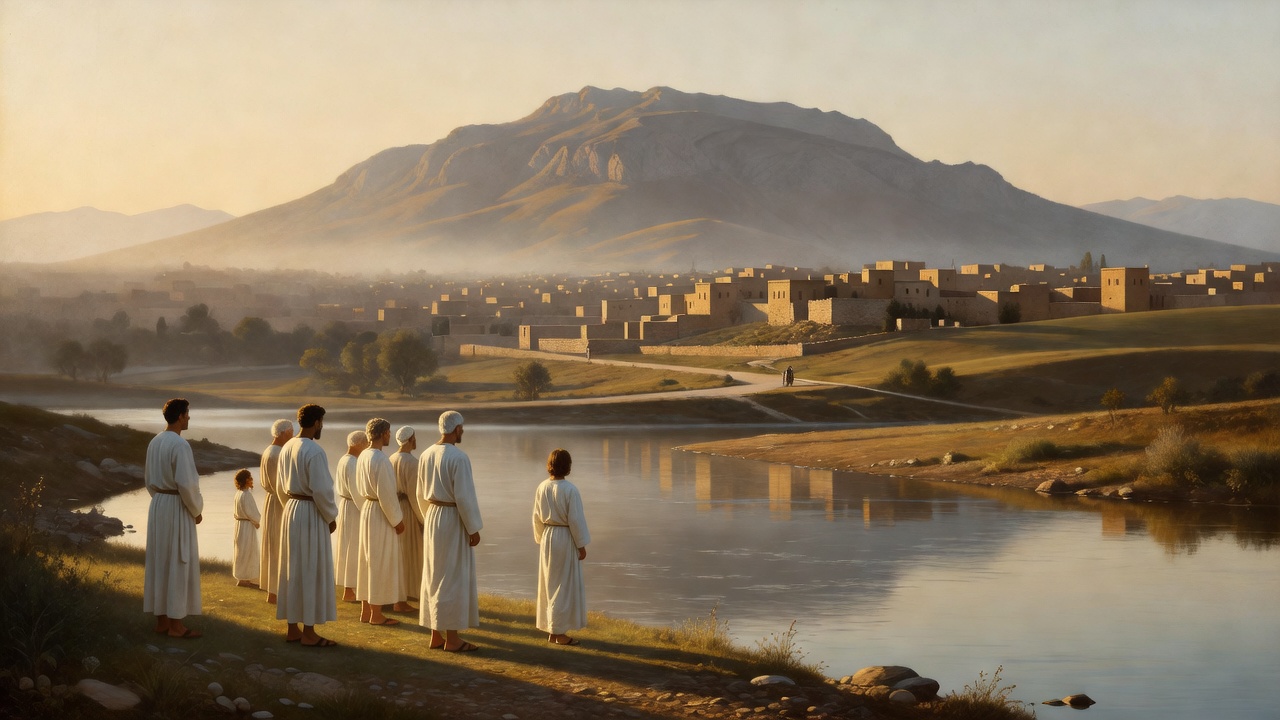
Did you know?
Letters to Sardis, Philadelphia, and Laodicea
- Revelation 3 is a set of letters to churches in three cities of Asia Minor. Sardis, the metropolis of Lydia, stood on the river Pactolus at the foot of Mount Tmolus. Philadelphia, a name that means “brotherly love,” lay about twenty-five miles southeast of Sardis, while Laodicea stood on the Lycus, where Phrygia and Lydia meet, about forty miles east of Ephesus.Sources: Sardis · Philadelphia · Laodicea · the Bible text itself
- Laodicea was first called Diospolis and then Rhoas. It was later named Laodicea after Laodice, the wife of Antiochus II, king of Syria, who rebuilt it. Easton's Bible Dictionary (1897) calls it one of the most important and flourishing cities of Asia Minor and an early leading center of Christianity; in the letter, that church is said to claim that it is rich, has grown wealthy, and needs nothing.Sources: Laodicea · the Bible text itself
- The letter to Philadelphia speaks of a “synagogue of Satan” and of people who claim to be Jews but whom it calls liars. Satan means “adversary” or “accuser,” and in the New Testament the name is used interchangeably with the devil.Sources: Satan · the Bible text itself
Notes written with AI assistance from open sources (Theographic Bible Metadata, CC BY-SA 4.0; Easton’s Bible Dictionary, public domain) and reviewed before publishing.
Places in this chapter
- Sardis · 38.488, 28.040 · verses 1, 4
- Philadelphia · Today: Alaşehir · 38.350, 28.517 · verse 7
- Jerusalem · 31.777, 35.234 · verse 12
- Laodicea · Today: Laodicea on the Lycus · 37.836, 29.108 · verse 14
Only places identified with high confidence are shown (90% or more according to the scholarly sources compiled by OpenBible). Period map: DARE (Digital Atlas of the Roman Empire), CC BY 4.0; modern map: © OpenStreetMap contributors; places: OpenBible.info (CC BY 4.0).
Credits and license for this translation
Cohamacʉ Yare Yahari Tjuel
New Testament in Guanano
copyright © 2007 Wycliffe Bible Translators, Inc.
Language: Guanano
Translation by: Wycliffe Bible Translators, Inc.
Copyright Information
© 2007, Bible League International. All rights reserved.
This translation text is made available to you under the
terms of the Creative Commons License: Attribution-Noncommercial-No Derivative Works.
( http://creativecommons.org/licenses/by-nc-nd/3.0/ )
In addition, you have permission to port the text to different file formats, as long as you
do not change any of the text or punctuation of the Bible.
You may share, copy, distribute, transmit, and extract portions
or quotations from this work, provided that you include the above copyright
information:
You must give Attribution to the work.
You do not sell this work for a profit.
You do not make any derivative works that change any of the actual words or punctuation of the Scriptures.
Permissions beyond the scope of this license may be
available if you contact
us with your request.
The New Testament
in Guanano
© 2007, Wycliffe Bible Translators, Inc. All rights reserved.
This translation is made available to you under the terms of the
Creative Commons Attribution-Noncommercial-No Derivatives license 4.0.
You may share and redistribute this Bible translation or extracts from it in any format, provided that:
You include the above copyright and source information.
You do not sell this work for a profit.
You do not change any of the words or punctuation of the Scriptures.
Pictures included with Scriptures and other documents on this site are licensed just for use with those Scriptures and documents.
For other uses, please contact the respective copyright owners.
2014-08-06
Source: http://ebible.org/gvc/ · eBible.org