Matthew 5
Cohamacʉ Yare Yahari Tjuel · Tap a verse to see its cross-references.
Tʉ̃cʉpʉ mʉja, tói buheha Jesu masare
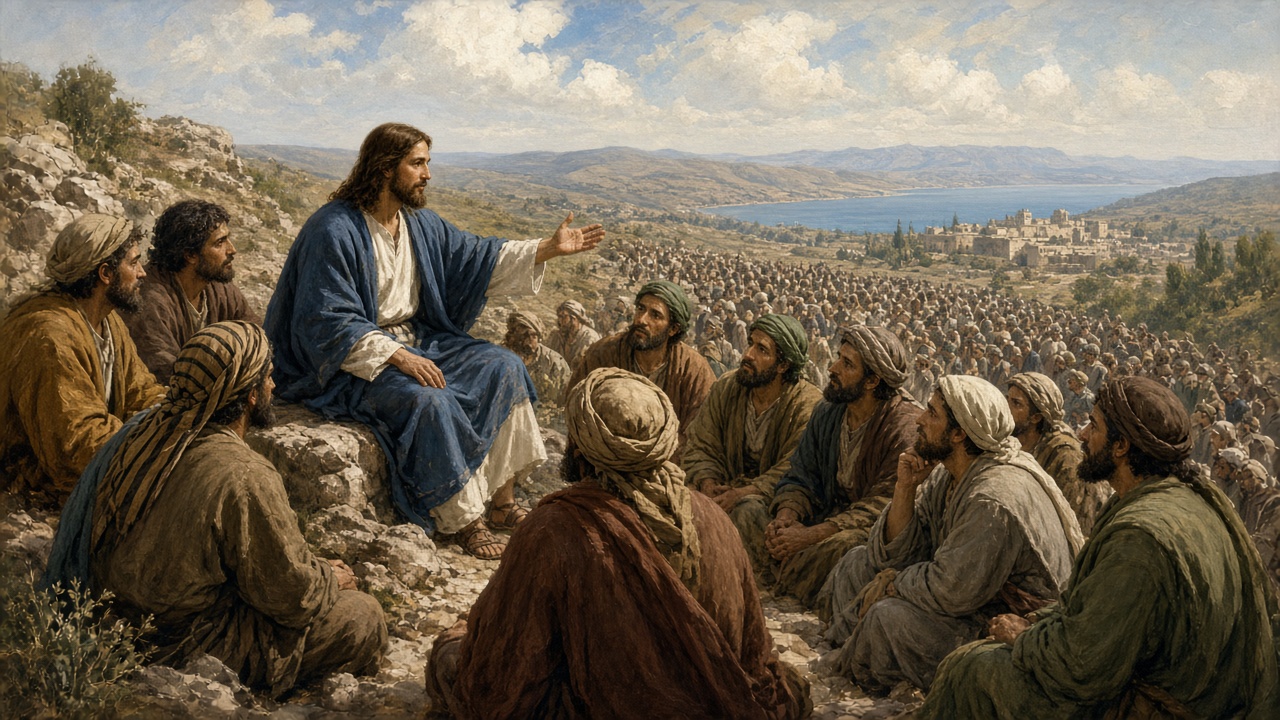
1Masa payʉ to cahai ti sʉchʉ ñʉno Jesu tʉ̃cʉpʉ mʉjaha. Mʉja sʉ, tói dujiha. Tói to dujichʉ to buheina sehe tiro cahapʉ sʉha. 2Ti sʉchʉ ñʉno õ sehe ni buhe dʉcaha:
Õ sehe jiina jira wahcheina
3—Ti ñaa tʉhotumari cjirire duhu, noaa sehere tʉhotu cohtotaina Cohamacʉre cahmaina wahcheina jira. Mʉano macariro pʉhtoro to sʉho jiropʉre wahaahca tina. Mʉano macaa ti ya jira.
4’Yahco tiina cʉ̃hʉ wahcheina jira. Tinare wahchechʉ yoarohca mari Pʉcʉ.
5’Painare yʉhdʉrʉca duaeraina ã jica nieraina wahcheina jira. Cohamacʉ “Waihtja”, tinare to nirire cjʉaahca tina.
6’Cohamacʉ to dutiro sehe yoa duaina, noaare yoa duaina wahcheina jira. Cohamacʉ to yoadohochʉ tina noaare yoa sohtori tiahca.
7’Painare pja ñʉina wahcheina jira. Ti ã pja ñʉchʉ Cohamacʉ tina cʉ̃hʉre pja ñʉnohca.
8’Ti ñaa buhirire cosanohrina wahcheina jira. Cohamacʉre ñʉahca tina.
9’Masare bosaina wahcheina jira. Tinare “Yʉ pohna jira”, ninohca Cohamacʉ.
10’Cohamacʉ dutiare ti yoari buhiri ti ñano yoanohrina sehe wahcheina jira. Mʉano macariro pʉhtoro to sʉho jiropʉ to yare cjʉaahca tina.
11’Yʉ yare mʉsa yoari buhiri paina mʉsare ti tuhtipachʉta wahcheina jira mʉsa. Mʉsare ti ñano yoapachʉta wahcheina jira mʉsa. Yʉ yaina mʉsa jiri buhiri mʉsare jipihtia ñaa ti quiti dojomehnepachʉta ti mahñopachʉta wahcheina jira mʉsa. 12Cohamacʉ yare yahu mʉhtainare mʉsa pano jiinare tinapʉreta ñano yoa mʉhtaha. Mʉsa cʉ̃hʉre ti yoariro sehe ti yoachʉ wahchega. Noano yajeripohna tiga. Ã jiro mʉanopʉ mʉsa sʉchʉ pjíro noano yoarohca mʉsare Cohamacʉ —ni yahuha Jesu.
Moa yoaro sehe, buhriaro yoaro sehe jira Jesu yaina
13Ã yoa Jesu õ sehe ni buhe namoha:
—Moa wahiquiro dihire to ñano wahaerachʉ yoaro seheta mʉsa sehe yʉ yaina sehe jipihtina painare ñaare ti yoa duaerachʉ yoara. Wiho mejeta moa sehe ti ñaa wahachʉ pari turi noaa yoahto basioerara. Tí moa ne noaerara. Ti ã wahachʉ tí moare cohãno cahmana. Ti ã cohãri baharo tí bui masa tʉ cũna. Ne yaba cjihti jierara tí moa ti cohõa. (Ti yaba cjihti jieraro seheta jiena tjiga mʉsa. Cohamacʉ ya sehere cohãena tjiga) —ni yahuha Jesu.
14Ã yoa tiro õ sehe ni buhe namoha:
—Buhriaro marine to ñʉchʉ yoaro seheta mʉsa sehe yʉ yaina sehe ahri yahpa macainare Cohamacʉre masichʉ yoara. Tʉ̃cʉ bui jiri macare nʉohto basioerara. 15Ã yoa sihãriare masa sihãa, biato docapʉ nʉoerara. Tiare sihãriare mʉanoi duhu payora tí wʉhʉ macaina jipihtina ti ñʉhtiare. 16Õ seheta mʉsa cʉ̃hʉ buhriaro yoaro sehe jiina jina, noaare yoaga. Mʉsa ã yoachʉ ñʉa masa mari Pʉcʉ mʉano macarirore ño payo, “Tuariro, noariro jira”, niahca —ni yahuha Jesu.
Cohamacʉ to dutiare to joari cjirire yahuha Jesu
17Ã ni tuhsʉ, tinare õ sehe ni yahu namoha:
—Ahrire mʉsa masichʉ cahmaja yʉhʉ. Cohamacʉ to dutiare Moise cjirore to cũrire, to yare yahu mʉhtaina cjiri ti joari cjiri cʉ̃hʉre cohãi tai nierahi. Tí dutiare mʉsare noano yahu potoi tai nii. Tí dutiare ti quihõno jichʉ ñoi tai. Ti niriro seheta yoa sohtori tii tai nii. 18Potocã mʉsare nii nija. Pihtiri dacho pano jisinichʉ Cohamacʉ dutia Moise cjirore to cũrire ne mahanocã baro cohãsi mari. Ahri yahpa, mʉano cʉ̃hʉ ti jisinino puro to dutia cʉ̃hʉ jirucuahca. Ã jirucua ti niriro seheta sohtori tirohca. 19Ã jia tí dutiare cãina yʉhdʉrʉcaa, painare tó sehe yʉhdʉrʉca dutia, mʉano macariro pʉhtoro to sʉho jiropʉ cahamaca yoaro sehe jiahca. Cʉ̃no dutiacã to jipachʉta tina yʉhdʉrʉcaa, cahamaca yoaro sehe jiahca tina. Paina tí dutiare noano yoaa, painare tí yoaro sehe yoa dutia, mʉano macariro pʉhtoro to sʉho jiropʉ pʉhtoa yoaro sehe jiahca tina sehe. 20Mʉsare niita nija yʉhʉ. Judio masare buheina, fariseo curua macaina cʉ̃hʉ Cohamacʉ cahmaare quihõno yoaerara. Tina ti yoariro yʉhdoro Cohamacʉ cahmaare yoaga mʉsa sehe. Mʉsa ã yoaerana, pʉhtoro Cohamacʉ to sʉho jiropʉre ne sʉsi mʉsa —ni yahuha Jesu.
Susiniare yahuha Jesu
21Ã ni tuhsʉ, tinare õ sehe ni yahu namoha:
—Panopʉ macaina õ sehe ni ti yahuri cjirire tʉhori jimare mʉsa: “Masare wajãena tjiga. Masare wajãriro ti buhiri dahrehtiro jira”, ti niri cjirire tʉhori jimare mʉsa. 22Ahri ti yahuri yʉhdo curero mʉsare ahri sehere yahu namoihtja. To coyeiro mehne susiniriro sehe ti buhiri dahrehtiro jira masʉnore wajãriro yoaro seheta. To coyeirore tuhtiriro, “Ne tʉho masia maerariro jira mʉhʉ”, niriro buhiri dahre dutiina cahai ti naahtiro jira. “Tʉho masierariro jira mʉhʉ”, to coyeirore nirirore pichacapʉ wahahto cua yʉhdʉara tirore.
23’Mʉsa coyeiro mʉsare to ñʉ tuhtichʉ õ sehe yoaga. Cohamacʉ wʉhʉpʉ Cohamacʉre mʉsa ño payohto pano, wahiquirore jʉ̃ mʉo, mʉsa wahto pano õ sehe yoaga. 24Mʉsa wahtire duhu cũ, mʉsa coyeiro cahapʉ waha, “Pari turi cahmachena tjijihna. Tó purota duhujihna tíre”, niga tirore. Mʉsa ã niri baharo Cohamacʉre wa, ño payona wahaga to wʉhʉpʉ.
25’Pairo mʉhʉre to yahusã duachʉ, pʉhtoro masare beseriro cahapʉ mʉhʉre to naa duachʉ, tiro mehne suaro marieno wahaga. Masare beseriro cahapʉ to na sʉhto pano tiro mehne noano jiga. Mʉ ã yoachʉ ñʉno tiro mʉhʉre yahusãeraboca. Mʉ ã yoaerachʉ tópʉre mʉsa sʉchʉ tiro sehe mʉhʉre masare beserirore yahusãnohca. To ã yahusãchʉ, beseriro sehe peresu yoainapʉre mʉhʉre warohca. Ã jia tina mʉhʉre peresu yoaahca. 26Potocã nii nija mʉhʉre. Tópʉ jisiniihca mʉhʉ. Pʉ ti wapa dutirire mʉhʉ wapa pahñoipʉ wijaaihca mʉhʉ —ni yahuha Jesu.
Pairo namono mehne ñano yoaare yahuha Jesu
27Õ sehe ni yahu namoha Jesu:
—Panopʉ macainare õ sehe ti ni yahuri cjirire tʉhori jimare mʉsa: “Pairo namono mehne ñano yoaena tjiga”, ti niri cjirire tʉhori jimare mʉsa. 28Ahri ti yahuri yʉhdo curero mʉsare ahri sehere yahu namoihtja. Numinore ñahaeraparota, cʉ̃iro ticorore ñano goa pjaro, ñano wacũ tʉhoturo ñano yoa tuhsʉha ticoro mehne.
29’Ã jicʉ mʉ capariaca poto bʉhʉsehei jiriacã mehne ñano yoacʉ, tiare orewe na mʉ cohãboriro seheta ti ñaa yoaare duhuga. Tíre duhueracʉ pichacapʉ wahaihca. Mʉ capariacare mʉ cohãchʉ tia capariaca dihta butira. Mʉhʉ sehere pichacapʉ mʉ wahachʉ ña yʉhdʉara. Ã jicʉ tí ñaa yoaare duhuga. 30Ã jicʉ mʉ wamomaca poto bʉhʉsehei jiri wamomaca mehne ñano yoacʉ, tí wamomacare mʉ dʉte cohãboriro seheta tí ñaa yoaare duhuga. Tíre duhueracʉ pichacapʉ wahaihca. Mʉ wamomacare mʉ cohãchʉ tí wamomaca dihta butira. Mʉhʉ sehere pichacapʉ mʉ wahachʉ ña yʉhdʉara. Ã jicʉ tí ñaa yoaare duhuga —ni yahuha Jesu.
To namonore cohãare yahuha Jesu
31Õ sehe ni yahu namoha Jesu:
—Panopʉ ahri cʉ̃hʉre niha: “To namonore cohã duariro to cohãhtore yahuri pũ mehne ticorore cohã masina”, nimaha panopʉ. 32Ahri ti yahuri yʉhdo curero mʉsare ahri sehere yahu namoihtja. To namono pairo mehne ñano yoaeraricoro to jipachʉta to manʉno ticorore cohãboca. To ã cohã daporicoro pairore manʉ tiro ñano yoaro nica ticoro pairo mehne jiro. To manʉno ticorore ã cohãno ticorore pairo mehne ñano yoachʉ yoara. To baharo namo tiriro cʉ̃hʉ ticoro mehne ñano yoaro nina —ni yahuha Jesu.
Wama payo niare yahuha Jesu
33Õ sehe ni yahu namoha Jesu:
—Panopʉ macaina õ sehe ti ni yahuri cjirire tʉhori jimare mʉsa: “Mʉsa niriro seheta yoaga. ‘Cohamacʉ mehne potocã ã yoaihtja’, mʉsa niriro seheta yoaga”, ti ni yahuri cjirire tʉhori jimare mʉsa. 34Ahri ti yahuri yʉhdo curero mʉsare ahri sehere yahu namoihtja. “Mʉano mehne potocã nii nija”, ni mʉano mehne wama payo niena tjiga. Mʉano sehe Cohamacʉ mari pʉhtoro to sʉho jiro jira. Wiho jiro jierara. To ã jichʉ ñʉna mʉano mehne ã niena tjiga. 35Ahri yahpa mehne ne wama payo “Potocã nii nija”, niena tjiga. Ahri yahpa Cohamacʉ ya yahpa jira. To ã jichʉ ñʉna ã niena tjiga. “Jerusalẽ mehne potocã nii nija”, ne wama payo niena tjiga. Tuariro mari pʉhtoro ya maca jira Jerusalẽ. Wiho jiri maca jierara. To ã jichʉ ñʉna ã niena tjiga. 36“Yʉ dapu mehne potocã nii nija”, ni wama payo niena tjiga. Mʉsa pjoari ti yehsea wahachʉ yoa masierara mʉsa. Ti ñia wahachʉ cʉ̃hʉre yoa masierara mʉsa. Ã yoa masieraina jina “Yʉ dapu mehne potocã nii nija”, ni wama payo niena tjiga. 37“Yoanahtja”, nina wama payoro marieno õ sehe dihta tíre nirucuga. “Yoasi”, nina cʉ̃hʉ wama payoro marieno nirucuga. Mʉsa wama payo nina, watĩno ñariro to dutiriro seheta yoana nica mʉsa —ni yahuha Jesu.
Ti cahma suaare yahuha Jesu
38Õ sehe ni yahu namoha Jesu:
—Panopʉ õ sehe ti ni yahuri cjirire tʉhori jimare mʉsa. “Mʉhʉre pairo mʉ capariacare to cjã tihãriro seheta mʉhʉ cʉ̃hʉ tirore cjã tihã cahmaga. Mʉ piriacare to cjã nuhariro seheta mʉhʉ cʉ̃hʉ cjã nuha cahmaga”, ti niri cjirire tʉhori jimare mʉsa. 39Ti yahuri yʉhdo curero ahri sehere yahu namoihtja mʉsare. Mʉhʉre ñano yoarirore ã ñʉnocahga. Cʉ̃ bʉhʉsehe mʉ wahsupure to cjãchʉ, pa bʉhʉsehe cʉ̃hʉre cjã dutiga tirore. 40Pairo buhiri dahre dutirirore mʉhʉre to yahusãchʉ, dutiriro sehe mʉ camisare mʉhʉre yahusãrirore wa dutiboca. To ã wa dutichʉ, tirore waga. Mʉ bui macari suhtiro cʉ̃hʉre wa namoga tirore. 41Pairo surara paye barore cʉ̃ kilómetro mʉhʉre to naabasa dutichʉ, pa kilómetrore waha namoga tjoa. 42Mʉhʉre sinirirore waga. Tuhsʉ, pairo mʉhʉre to waso dutichʉ wasoga tirore —ni yahuha Jesu.
Mʉsare ñʉ tuhtiinare cahĩga
43Õ sehe ni yahu namoha Jesu:
—Masa õ sehe nina: “Mʉsa mehne macainare cahĩga. Ã yoa mʉsare ñʉ tuhtiinare ñʉ tuhti cahmaga tjoa”, ti niri cjirire tʉho mʉhtari jimare mʉsa. 44Ti yahuri cjiri yʉhdo curero ahri sehere yahu namoihtja mʉsare: Mʉsare ñʉ tuhtiinare cahĩga. Ã cahĩna tinare noano yoaga. Mʉsare ñano yoainare ti ya cjihtire Cohamacʉre sini payoga. 45Mʉsa ã yoana mari Pʉcʉ mʉano macariro pohna jira mʉsa. Cohamacʉ sehe cʉ̃no potori yoara masare. Ñaina cʉ̃hʉre, noaina cʉ̃hʉre sʉ̃ sichʉ yoara tiro. Tuhsʉ, Cohamacʉ dutiare yoaina cʉ̃hʉre, yoaeraina cʉ̃hʉre coro tachʉ yoara tiro. Masare cʉ̃no potori to yoariro seheta mʉsa cʉ̃hʉ yoaga. 46Mʉsare cahĩina dihtare mʉsa cahĩchʉ tí ne yaba cjihti jierara paina sehere mʉsa cahĩerachʉ. Pʉhtoa ya cjihtire wapa na cohtaina cʉ̃hʉ tó seheta yoara. Ã jina jipihtinare cahĩga. 47Mʉsa coyea dihtare mʉsa noano piti bocachʉ tí cʉ̃hʉ ne yaba cjihti jierara paina sehere mʉsa noano piti bocaerachʉ. Cohamacʉre masieraina cʉ̃hʉ tó seheta yoara. Ã jina jipihtinare noano piti bocaga. 48Ñaa marieina jiga mʉsa. Mʉsa Pʉcʉ mʉano macariro to ñaa marieriro to jiriro seheta mʉsa cʉ̃hʉ ñaa marieina jiga —ni yahuha Jesu.
Did you know?
The Sermon on the Mount
- When Jesus saw the crowds, he went up on the mountain, sat down, and began to teach his disciples. That discourse is known as the Sermon on the Mount. A chronological note places its start in AD 28 and gives it a duration of one day.Sources: the Bible text itself · Sermon on the Mount
- Teaching about oaths, Jesus says not to swear by Jerusalem, for it is the city of the great King. In the original the name is a dual form meaning possession of peace, or foundation of peace. That form probably refers to the two mountains on which the city was built, Zion and Moriah, or, as some suppose, to the upper and the lower city; it was also called the city of God and the holy city.Sources: the Bible text itself · Jerusalem
Notes written with AI assistance from open sources (Theographic Bible Metadata, CC BY-SA 4.0; Easton’s Bible Dictionary, public domain) and reviewed before publishing.
Places in this chapter
- Jerusalem · 31.777, 35.234 · verse 35
Only places identified with high confidence are shown (90% or more according to the scholarly sources compiled by OpenBible). Period map: DARE (Digital Atlas of the Roman Empire), CC BY 4.0; modern map: © OpenStreetMap contributors; places: OpenBible.info (CC BY 4.0).
Credits and license for this translation
Cohamacʉ Yare Yahari Tjuel
New Testament in Guanano
copyright © 2007 Wycliffe Bible Translators, Inc.
Language: Guanano
Translation by: Wycliffe Bible Translators, Inc.
Copyright Information
© 2007, Bible League International. All rights reserved.
This translation text is made available to you under the
terms of the Creative Commons License: Attribution-Noncommercial-No Derivative Works.
( http://creativecommons.org/licenses/by-nc-nd/3.0/ )
In addition, you have permission to port the text to different file formats, as long as you
do not change any of the text or punctuation of the Bible.
You may share, copy, distribute, transmit, and extract portions
or quotations from this work, provided that you include the above copyright
information:
You must give Attribution to the work.
You do not sell this work for a profit.
You do not make any derivative works that change any of the actual words or punctuation of the Scriptures.
Permissions beyond the scope of this license may be
available if you contact
us with your request.
The New Testament
in Guanano
© 2007, Wycliffe Bible Translators, Inc. All rights reserved.
This translation is made available to you under the terms of the
Creative Commons Attribution-Noncommercial-No Derivatives license 4.0.
You may share and redistribute this Bible translation or extracts from it in any format, provided that:
You include the above copyright and source information.
You do not sell this work for a profit.
You do not change any of the words or punctuation of the Scriptures.
Pictures included with Scriptures and other documents on this site are licensed just for use with those Scriptures and documents.
For other uses, please contact the respective copyright owners.
2014-08-06
Source: http://ebible.org/gvc/ · eBible.org