Matthew 2
Cohamacʉ Yare Yahari Tjuel · Tap a verse to see its cross-references.
Sʉ̃ mʉja taro macaina Jesucãre ñʉa sʉha
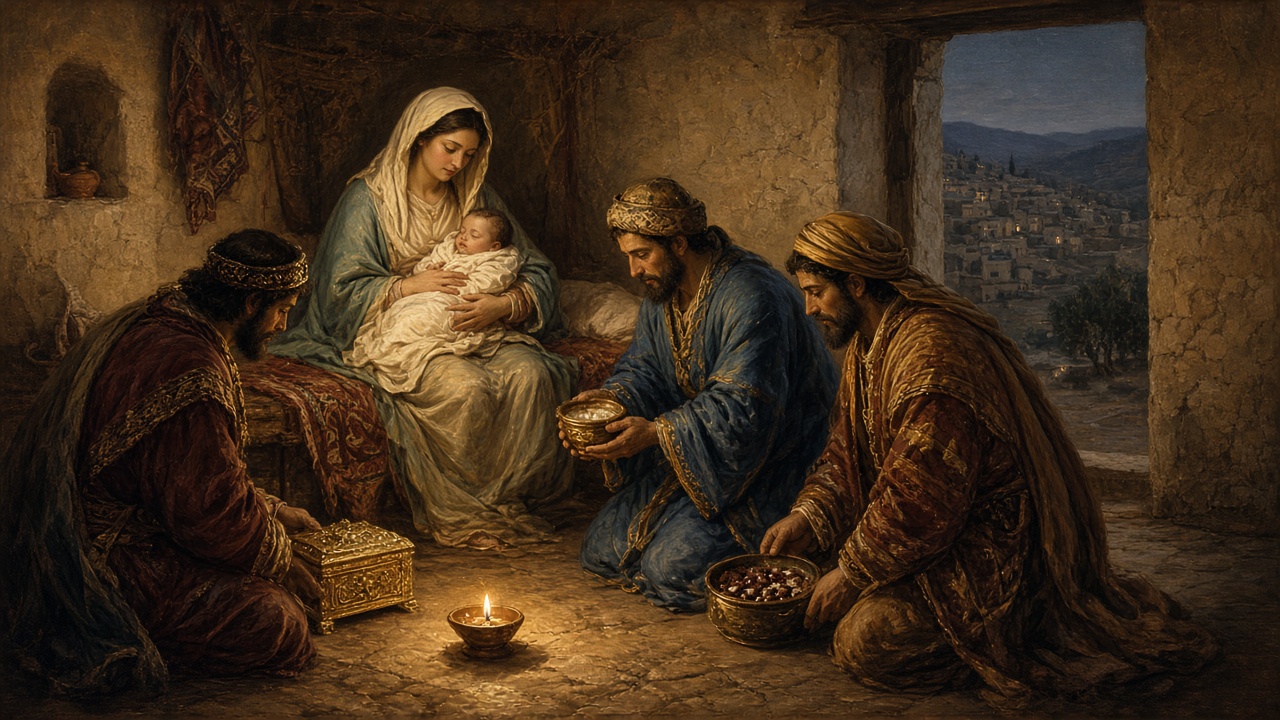
1Herode Judea yahpa macaina ti bui pʉhtoro to jiri pja tí yahpai jiri macai Belẽi Jesu masa bajuaha. To ã masa bajuari baharo ñahpichohare buheina ñahpichohare noano masiina sʉ̃ mʉja taro macaina ta, Jerusalẽpʉ wihiha. 2Ã wihia, masare tó macainare sinituha:
—¿Judio masa ti bui pʉhtoro jihtiro cjihto mipʉre nohopʉ masa bajuacari tiro? Sʉ̃ mʉja taropʉ jina, ñahpichohaca to wahma bajua wahã sʉchʉ ñʉna, “Pʉhtoro masa bajuaro nica”, ni masihi sã. Ã to bajuachʉ ñʉna, sã cʉ̃no mehne tirore ño payona tana tahi õpʉ —ni yahuha buheina masare.
3Ã yoa paina Herodere tíre yahua tiha. Ti ã yahuchʉ tʉhoro Herode sehe soro tʉhotuha. Ã jia jipihtina Jerusalẽ macaina cʉ̃hʉ to yoaro seheta soro tʉhotuha tina cʉ̃hʉ. 4Ã jiro Herode sehe jipihtina sacerdotea pʉhtoare, mari judio masare buheina cʉ̃hʉre to pjirocari baharo ti cahmachu pihtichʉ ñʉno, tinare sinituha tiro:
—¿Nohopʉ masa bajuarohcari Cristo sehe mʉsa tʉhotuchʉ? —ni sinitu ñʉha tiro.
5Õ sehe ni yahuha tirore:
—Belẽi, Judea yahpai jiri macai Cristo masa bajuarohca. Õ sehe ni joaa tiha Cohamacʉ yare yahu mʉhtariro cjiro:
6“Belẽi yʉ yainare Israe masare dutihtiro tarohca.
à jiro paye macari Judea yahpai jia macari yʉhdoro jira Belẽ”,
ni joaa tiha Cohamacʉ yare —ni yahuha tina Herodere.
7Ti ã ni yahuri baharo Herode masa ti marieno watoi sʉ̃ mʉja taropʉ tarinare pjirocaha. To cahapʉ tina ti sʉchʉ ñʉno, tinare sinitu ñʉha. To ã sinitu ñʉchʉ tʉhoa, ñahpichohacare ti ñʉri dachore yahuha tina. 8Ti ã yahuri baharo Herode sehe tinare Belẽpʉ warocaro õ sehe niha tinare:
—Tirocãre noano macaga. Tirocãre bocana tjuahna yʉhʉre yahu tjuahga. Yʉhʉ cʉ̃hʉ tirocãre ño payoi wahai tai nija —nimaha tinare Herode.
9To ã niri baharo, tina wahaa wahaha. Ti ã wahachʉ sʉ̃ mʉja taroi ti ñʉria ñahpichohaca sehe mʉ tãrucuha. Ã yoa wihãrirocã to jiro bui waroi tjua wahã sʉha tia sehe. 10Ã jia ñahpichohacare ñʉa, tuaro wahcheha tina. 11Wihãrirocã to jiri wʉhʉpʉ sʉ, sãa wahaha tina. Ã sãa sʉa, wihãrirocãre to pocoro mehne jirirocãre ñʉha tina. Ã ñʉa tina na tuhcua caha sʉ, tirocãre ño payoha. Ño payo tuhsʉ ti caa pocare naroca pjõoroca, urure, inciensore, mirra wama tia me sitia cʉ̃hʉre na wio, tíre tirocãre wapa marieno waa tiha. 12Tíre wa tuhsʉ carĩa wahaha tina. Ti ã carĩchʉ cahãnopʉ Cohamacʉ yahuha tinare: “Herode cahai tjuaena tjiga”, ni yahuha Cohamacʉ tinare cahãnopʉre. To ã ni yahuri baharo, tina sehe wahcãha. Ti ã wahcãri baharo pa mahapʉ ti ya dihtapʉ tjuaa wahaa tiha.
José cʉ̃hʉ Jesucãre Egiptopʉ na duhti wahcãa wahaha
13Ti ã wahari baharo Cohamacʉ anjo cahãnopʉ Josére bajuaro, õ sehe niha:
—Wahcãga. Herode sehe maharirocãre wajãno taro, macano nina mipʉre. Ã yoa maharirocãre, to pocoro cʉ̃hʉre Egiptopʉ cjero na duhti wahcãa wahaga. Tópʉre yʉ niriro purota jiga —ni yahuha anjo Josére.
14To ã nichʉ tʉhoro, José sehe ñamiihta wahcã, maharirocãre to pocoro cʉ̃hʉre Egiptopʉ na duhti wahcãa wahaha. 15Egiptopʉ sʉa, Herode to catiro puro tópʉre jiha tina. Ã yoaha panopʉ macariro Cohamacʉ yare yahu mʉhtariro cjiro to ni joariro seheta. Tíre tirore Cohamacʉ joa dutia tiha. Õ sehe ni joaa tiha Cohamacʉ yare: “Egiptopʉ jirirore yʉ macʉre pjirocahi”, ni joaa tiha Cohamacʉ yare.
Herode macanacãre wajã dutiri jire
16Ã yoa ñahpichohare buheina ti duhti yʉhdʉachʉ tʉhoro Herode sehe sua yʉhdʉaha. Ã suaro, Belẽ macainare, tí maca dʉhtʉ caha macaina cʉ̃hʉre ti pohnare mʉa pohnare pʉa cʉhma cjʉainacãre wajã batoa dutiha tiro. Wahmanore ñahpichoha buheina ñahpichohacare ti ñʉri dachore yahuha Herodere. Ti ã nichʉ tʉhoro tiro to wajã duarirocã to masa bajuari dachore masino, “Õpe cʉhmari cjʉara” nino, pʉa cʉhma cjʉainare wajã batoa dutiha. 17Panopʉ macariro Jeremía Cohamacʉ yare yahu mʉhtariro cjiro to ni joariro seheta ã wahaha. Õ sehe ni joaa tiha tiro:
18“Ramá wama tiropʉ bisiro coa tarohca.
Tuaro cahyaa mehne tiiro coa tarohca.
Raquel panamana numia ji turia numiapʉ Israe masa namosãnumia ti pohnare tuaro tiiahca.
Ti pohnare ti wajãchʉ ñʉa, ne cahya duhusi”,
ni joaa tiha panopʉ.
19Ã yoa Herode to yariari baharo Egiptoi jirirore Josére Cohamacʉ yairo anjo cahãnopʉ bajuaha. Ã bajuaro õ sehe niha Josére:
20—Maharirocãre wajã duaina cjiri yariaa wahahre. Ã jicʉ tirocãre to pocoro mehne Israe yahpapʉ na tjuaa wahaga mʉhʉ —ni yahuha anjo Josére.
21To ã niri baharo tiro wahcã, maharirocãre to pocoro mehneta Israe yahpapʉ na tjuaa wahaha. 22Wiho mejeta Arquelao Herode macʉno sehe to pʉcʉro cohtotariro to jichʉ tʉhoro José sehe Judea yahpai cuiro, tjuaeraha. Ã jiro pari turita cahãnopʉ tirore yahu namoha tjoa. Tirore pari turi Judea yahpare ji dutieraha. To ã ni yahuri baharo, tina Galilea yahpapʉ wahaa wahaha. 23Tí yahpapʉre Nazare wama tiri macai jiha tina. Ã yoaha tina Cohamacʉ yare yahu mʉhtaina cjiri ti joariro seheta. Õ sehe ni joaa tiha: “ ‘Cristo Nazare macariro tjira’, niahca masa”, ni joaa tiha Cohamacʉ yare yahu mʉhtaina panopʉ macaina.
Did you know?
Magi, Herod, and Nazareth
- The King Herod of this chapter is Herod the Great. His son Archelaus, by Malthace, a Samaritan woman, inherited a third of the kingdom: Idumea, Judea, and Samaria. Until a few days before Herod's death another son, Antipas, had been named successor, but in his last moments Herod named Archelaus; for fear of him, Joseph turned aside from Judea and withdrew to Galilee.Sources: Archelaus · the Bible text itself
- Matthew links the deaths of the boys in Bethlehem to words spoken through the prophet Jeremiah: a voice in Ramah, Rachel weeping for her children. Rachel, one of Jacob's wives, died giving birth to Benjamin and was buried by the wayside on the road to Ephrath, that is Bethlehem, directly north of the town. Her sepulchre is regarded with great veneration by the Jews.Sources: the Bible text itself · Rachel · Bethlehem
- Bethlehem, in the hill country of Judah, was earlier called Ephrath and was also known as the city of David; under the Romans it lay in Judea, the southernmost of the three divisions of Palestine. Joseph and Mary went instead to Nazareth in Galilee, their home, a town not mentioned in the Old Testament. The name Nazareth is generally supposed to come from the Hebrew netser, a shoot or sprout, though some connect it with a word for guarding or watching.Sources: Bethlehem · Judea · Nazareth · the Bible text itself
Notes written with AI assistance from open sources (Theographic Bible Metadata, CC BY-SA 4.0; Easton’s Bible Dictionary, public domain) and reviewed before publishing.
Places in this chapter
- Bethlehem · 31.704, 35.208 · verses 1, 5, 6, 8, 9, 16
- East · Today: region around Amman · 31.955, 35.934 · verses 1, 2, 9
- Jerusalem · 31.777, 35.234 · verses 1, 3
- Judea · Today: Judea 1 · 31.777, 35.234 · verses 1, 5, 22
- Egypt · 30.129, 31.308 · verses 13, 14, 15, 19
- Galilee · 32.760, 35.527 · verse 22
- Nazareth · 32.702, 35.298 · verse 23
Only places identified with high confidence are shown (90% or more according to the scholarly sources compiled by OpenBible). Period map: DARE (Digital Atlas of the Roman Empire), CC BY 4.0; modern map: © OpenStreetMap contributors; places: OpenBible.info (CC BY 4.0).
Credits and license for this translation
Cohamacʉ Yare Yahari Tjuel
New Testament in Guanano
copyright © 2007 Wycliffe Bible Translators, Inc.
Language: Guanano
Translation by: Wycliffe Bible Translators, Inc.
Copyright Information
© 2007, Bible League International. All rights reserved.
This translation text is made available to you under the
terms of the Creative Commons License: Attribution-Noncommercial-No Derivative Works.
( http://creativecommons.org/licenses/by-nc-nd/3.0/ )
In addition, you have permission to port the text to different file formats, as long as you
do not change any of the text or punctuation of the Bible.
You may share, copy, distribute, transmit, and extract portions
or quotations from this work, provided that you include the above copyright
information:
You must give Attribution to the work.
You do not sell this work for a profit.
You do not make any derivative works that change any of the actual words or punctuation of the Scriptures.
Permissions beyond the scope of this license may be
available if you contact
us with your request.
The New Testament
in Guanano
© 2007, Wycliffe Bible Translators, Inc. All rights reserved.
This translation is made available to you under the terms of the
Creative Commons Attribution-Noncommercial-No Derivatives license 4.0.
You may share and redistribute this Bible translation or extracts from it in any format, provided that:
You include the above copyright and source information.
You do not sell this work for a profit.
You do not change any of the words or punctuation of the Scriptures.
Pictures included with Scriptures and other documents on this site are licensed just for use with those Scriptures and documents.
For other uses, please contact the respective copyright owners.
2014-08-06
Source: http://ebible.org/gvc/ · eBible.org