Matthew 11
Cohamacʉ Yare Yahari Tjuel · Tap a verse to see its cross-references.
João masare bautisariro to buheinare Jesure sinitu ñʉ dutiro warocaha
1Sãre to buheinare to ã ni yahuri baharo tó cahai jia macaripʉ buhero wahare Jesu.
2Ã yoa to yoarire João peresui jiriro tʉhorocaha. Ã tʉhoro João to buheinare Jesure sinitu ñʉ dutiro warocaha. 3Ã jia Jesu cahapʉ sʉ, sinitu ñʉre tina João buheina.
—¿João “Yʉ baharo pairo tarohca”, to niriro tjijari mʉhʉ? ¿To niriro mʉ jierachʉ pairore cohtanahcari sã? —ni sinitu ñʉre tina sehe Jesure.
4Ti ã nichʉ tʉhoro Jesu õ sehe ni yʉhtire:
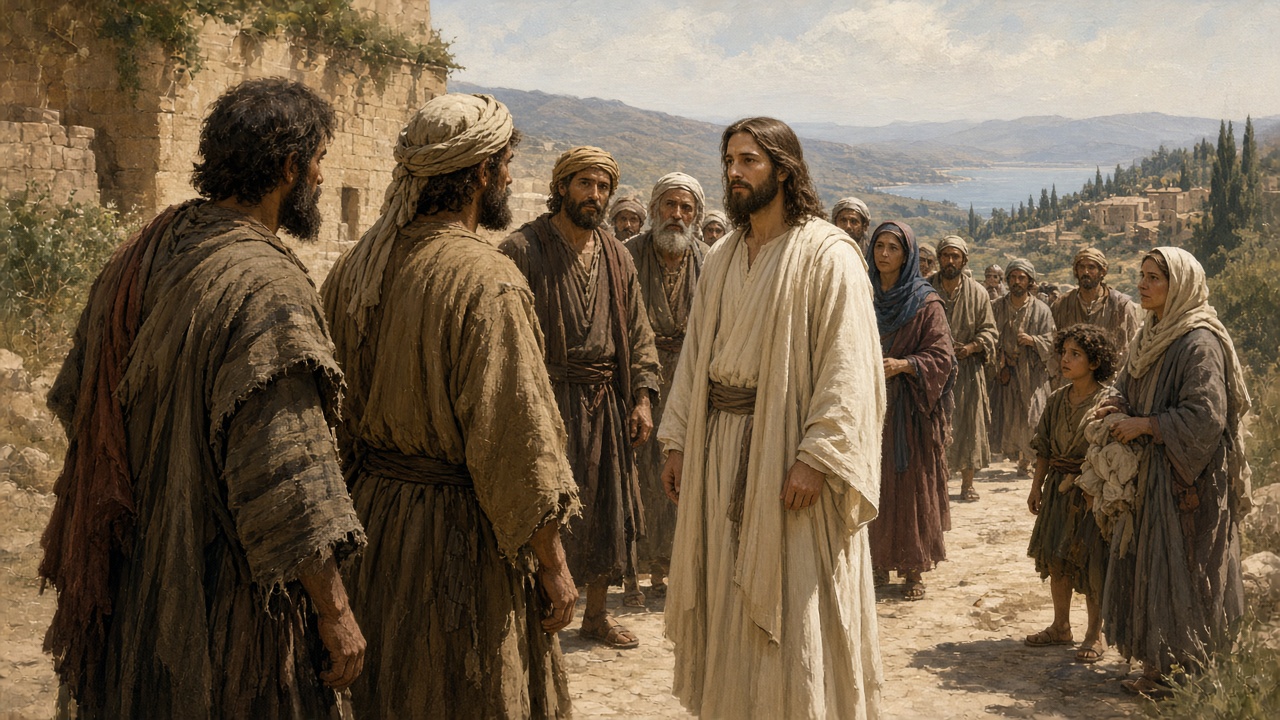
—Mipʉre mʉsa tʉhorire, mʉsa ñʉrire Joãore yahuna wahaga: 5“Capari bajueraina ñʉna. Tini masieraina tinina. Cami bʉcʉ baina noaina wahara. Tʉho bocaeraina tʉhoa wahara. Yariaina masaa wahara. Tina jipihtinare noaina wahachʉ yoahi yʉhʉ. Tuhsʉ, pjacʉoinare noaa buheare yahuja. 6Yʉhʉre tʉhoriro ‘Potocã tjira’, niriro tiro wahcheriro jira” ni, Joãore yahuna wahaga —nire Jesu.
7João buheina ti wahari baharo, Jesu sehe João to jia tiare yahu dʉcare payʉ masare:
—Masa marienopʉ João cahapʉ sʉna, tjare wihnono to wãroca cohtotachʉ yoariro seheta to buheare cohtota mʉjarirore ñʉna sʉerare mʉsa. 8“Noaa suhti tirirore ñʉna wahajihna”, nierare mʉsa João cahapʉ masa marienopʉ wahana. Noaa suhti tiina wapa bʉjʉare cjʉaina pʉhtoa ya wʉhʉsepʉ jira. 9Masa marienopʉ sʉna Cohamacʉ yare yahu mʉhtarirore ñʉna sʉre mʉsa. Potocã tjira. João Cohamacʉ yare yahu mʉhtariro jira. Paina Cohamacʉ yare yahu mʉhtaina yʉhdoro jiriro jira tiro. 10Panopʉ Cohamacʉ yare ti joari pũi Joãore õ sehe ni yahu joaa tiha:
“Cohamacʉ to macʉnore õ sehe niha: ‘Mʉ pano mʉhʉre yahuyuhtirore warocai nija’, niha”,
ni joaa tiha panopʉre Joãore. 11Mʉsare potocã niita nija. Paina jipihtina bui jira João bautisariro. Ahri turupʉre to ã jipachʉta mʉano macariro pʉhtoro to sʉho jiropʉre jipihtina docapʉ jiriro pinihta João bui jira.
12’João masare bautisariro to buhe, bautisa dʉcachʉ payʉ masa mʉano macariro pʉhtoro to sʉho jirore pihtichʉ yoa duaa, ti mʉ sʉro cahmache, tíre yoa duamana. 13Cohamacʉ yare yahu mʉhtaina ti joari cjirire, Cohamacʉ Moise cjirore to cũri cjiripʉ cʉ̃hʉre buhena pʉhtoro Cohamacʉ to sʉho jihtore masija mari. João cʉ̃hʉ tíreta yahure. 14“Elia tarohca”, panopʉ ti niriro cjirota jira João sehe. Panopʉ macaina ti nirire “Potocã tjira”, ni duana João ti ã niriro cjiro to jichʉ masinahca mʉsa. 15Noano tʉhoga mʉsa ahrire.
16’¿Mipʉ macaina masa yabaina yoaro sehe jijari tina, mʉsa tʉhotuchʉ? Tina macanacã yoaro sehe jira. Paina ti cahmano sehe ti yoaerachʉ tó wahaerara tinacãre. Pache duaropʉ pape dujia, õ sehe ni pisurucura tinacã ti basi: 17“Mʉsa basahti cjihtire sã putipemahi. ¿Dohseana mʉsa basaerari sã tíre putipechʉ? Sã tuaro ñahacaha tiipe, sañurucumahi. ¿Mʉsa sehe dohseana sã mehne tiiperari?” nirucuina yoaro seheta jira mipʉ macaina cʉ̃hʉ. Mipʉ macaina ti cahmano seheta sã yoaerachʉ ñʉa tó wahaerara tinare. 18Tina yoaro sehe yoana õ sehe yoara mʉsa mipʉ macaina. João bautisariro Cohamacʉre ño payoro taro chʉ duhuro vinore sihnierare. To ã sihnierachʉ ñʉna “Watĩno to sãanohriro, tʉho masierariro jira”, nimare mʉsa tiro sehere. 19Yʉhʉ masʉno Cohamacʉ warocariro jicʉ yʉhʉ chʉ, sihnija. Yʉ ã yoachʉ ñʉna õ sehe nina mʉsa yʉhʉ sehere: “Ñʉga. Ahriro pjíro chʉriro, cahariro jira. Wapa na cohtaina, ñano yoaina cʉ̃hʉ ti piti tiriro jira ahriro”, nina mʉsa yʉhʉre. (Ã nina macanacã yoaro sehe durucuina jira mʉsa. Mʉsa cahmano sehe sã yoaerachʉ tó wahaerara mʉsare. Ne sahsaerara mʉsa.) Ã masierapanahta sã yoarire ñʉna, Cohamacʉ masiare sã cjʉachʉ masinahca mʉsa —nire Jesu tinare.
Ti ñaare cahyaeraina ya macari macainare tuhtiha Jesu
20Baharo macari macainare tuhtire Jesu. Tí macarine paye macari yʉhdoro Cohamacʉ tuaa mehne yoa ñomare tiro. To ã yoa ñopachʉta ti ñaare tʉhotumarire duhuerasinire tina. Ã jiro õ sehe ni tuhtire tinare tiro:
21—Corazĩ macaina, mʉsa ñano yʉhdʉnahca. Betsaida macaina, mʉsa cʉ̃hʉ ñano yʉhdʉnahca. Mʉsa ya macaripʉre Cohamacʉ tuaa mehne yoa ñomahi. Tiro wama tiri macare, Sidõ wama tiri maca cʉ̃hʉre to tuaa mehne yʉ yoa ñochʉ ñʉa panopʉ tó macaina sehe ti ñaare cahyaboa. Ã yoaa ti ñaare tʉhotumari cjirire tʉhotu cohtotaboa. Cahyaa suhtire sãa, niti pohcare tina bui dahra site payoboa ti ñaa cahyaare ñoa. 22Mʉsare niita nija. Buhiri dahrehti dacho jichʉ Cohamacʉ Tiro macaina, Sidõ macaina yʉhdoro ñaina mʉsa jiri buhiri mʉsare ñano waro buhiri dahrerohca tiro. 23Capernau macaina, mʉsa mʉ sʉro mʉanopʉ waha duamana. Mʉsare Cohamacʉ pichacapʉ cohãnohca. Mʉsa ya macapʉ Cohamacʉ tuaa mehne yoa ñomahi. Mʉsa yʉhʉre tʉhoerare. Sodoma wama tiri macare Cohamacʉ tuaa mehne yʉ yoa ñochʉ tí maca sehe mipʉ jisiniboa. 24Mʉsare niita nija. Buhiri dahrehti dacho jichʉ Cohamacʉ Sodoma macainare to yoariro yʉhdoro, mʉsa sehere mʉsa ñaa buhiri ñabiaro buhiri dahrerohca —nire Jesu tí macari macainare.
“Yʉ cahapʉ sona taga”, niha Jesu
25Tí pjare õ sehe nire Jesu to Pʉcʉro mehne durucuro:
—Yʉ Pʉcʉ, mʉhʉ mʉano macaina bui pʉhtoro, ahri yahpa macaina bui pʉhtoro jira. Ahri mʉ buheare “Noano masiina jija sã”, niinare masichʉ yoaerare mʉhʉ. Buhe pahñoeraina sehere mʉ yare masichʉ yoare mʉhʉ. Mʉ ã yoachʉ, “Noana”, nija yʉhʉ mʉhʉre. 26Ã tjira. Tina sehere ti masichʉ cahmare mʉhʉ —nire Jesu to Pʉcʉrore.
27Ã ni tuhsʉ, masare õ sehe ni yahu namore:
—Yʉ Pʉcʉ jipihtiare yʉhʉre ware. Tiro dihta yʉhʉre noano masina. Ã jina sã dihta yʉhʉ yʉ masi dutiina mehne yʉ Pʉcʉre masija sã. 28Mʉsa ñano buhiri tia nʉcʉa yoaro sehe jira. Nʉcʉare mʉna mʉsa tahrĩno seheta ñano buhiri tiare pumea wahara mʉsa. Ã pumeina jina yʉhʉre cahmaga mʉsa. Mʉsare sochʉ yoaihtja. Mʉsa ñaa yoaare duhuchʉ yoaihtja. 29Yʉ dutiare yoaga. Yʉ yare noano masiga. Yʉhʉ niji siaro yoariro jija. Yʉ ã jiriro jichʉ yʉ yare noano masiga mʉsa. Ã yoa yʉhʉ mehne soga mʉsa. Ã sona noano yajeripohna tinahca mʉsa. 30Yʉ yare mʉsa yoachʉ mijoerara. Ã yoa mʉsa mʉri cjiri ti nʉcʉeraro seheta yʉhʉ sehe mʉsa bihoro purota yoa dutija mʉsare —nire Jesu.
Did you know?
John's question and the cities that did not repent
- From prison, John sent his disciples to ask whether Jesus was the one who was to come. Jesus told the crowds that John was more than a prophet—the messenger sent ahead to prepare the way—and, if they were willing to accept it, the Elijah who was to come. A Bible dictionary calls John the forerunner and says his mission was already the subject of prophecy, citing Isaiah 40:3 and Malachi 3:1; it also introduces Elijah as the Elias of the New Testament.Sources: the Bible text itself · John the Baptist · Elijah
- Jesus then denounced Chorazin, Bethsaida, and Capernaum, where most of his miracles had been performed, because they did not repent. A dictionary identifies Chorazin with modern Kerazeh, about two and a half miles up the Wady Kerazeh from Capernaum, and says that Capernaum, absent from the Old Testament, became Jesus' own city after he left Nazareth. It places Bethsaida on the east side of the lake, two miles up the Jordan in Gaulonitis, enlarged by Philip the tetrarch and named Julias after the emperor's daughter, though some have supposed there was only one Bethsaida, near where the Jordan enters the lake.Sources: the Bible text itself · Chorazin · Capernaum · Bethsaida
- He set those cities against Tyre and Sidon, which he said would have repented long ago in sackcloth and ashes, and against Sodom, which he said would have remained to this day. Sidon, on the Mediterranean coast about twenty-five miles north of Tyre, was the oldest Phoenician city there and the mother city of Tyre. A dictionary says the commerce of the whole world was gathered into Tyre's warehouses, and that Sodom, in the vale of Siddim, was destroyed by fire from heaven so completely that no trace of it has been found.Sources: the Bible text itself · Sidon · Tyre · Sodom
Notes written with AI assistance from open sources (Theographic Bible Metadata, CC BY-SA 4.0; Easton’s Bible Dictionary, public domain) and reviewed before publishing.
Places in this chapter
- Galilee · 32.760, 35.527 · verse 1
- Sidon · Today: Sandikli archaeological site in Sidon · 33.561, 35.372 · verses 21, 22
- Tyre · 33.271, 35.196 · verses 21, 22
Only places identified with high confidence are shown (90% or more according to the scholarly sources compiled by OpenBible). Period map: DARE (Digital Atlas of the Roman Empire), CC BY 4.0; modern map: © OpenStreetMap contributors; places: OpenBible.info (CC BY 4.0).
Credits and license for this translation
Cohamacʉ Yare Yahari Tjuel
New Testament in Guanano
copyright © 2007 Wycliffe Bible Translators, Inc.
Language: Guanano
Translation by: Wycliffe Bible Translators, Inc.
Copyright Information
© 2007, Bible League International. All rights reserved.
This translation text is made available to you under the
terms of the Creative Commons License: Attribution-Noncommercial-No Derivative Works.
( http://creativecommons.org/licenses/by-nc-nd/3.0/ )
In addition, you have permission to port the text to different file formats, as long as you
do not change any of the text or punctuation of the Bible.
You may share, copy, distribute, transmit, and extract portions
or quotations from this work, provided that you include the above copyright
information:
You must give Attribution to the work.
You do not sell this work for a profit.
You do not make any derivative works that change any of the actual words or punctuation of the Scriptures.
Permissions beyond the scope of this license may be
available if you contact
us with your request.
The New Testament
in Guanano
© 2007, Wycliffe Bible Translators, Inc. All rights reserved.
This translation is made available to you under the terms of the
Creative Commons Attribution-Noncommercial-No Derivatives license 4.0.
You may share and redistribute this Bible translation or extracts from it in any format, provided that:
You include the above copyright and source information.
You do not sell this work for a profit.
You do not change any of the words or punctuation of the Scriptures.
Pictures included with Scriptures and other documents on this site are licensed just for use with those Scriptures and documents.
For other uses, please contact the respective copyright owners.
2014-08-06
Source: http://ebible.org/gvc/ · eBible.org