Luke 3
Cohamacʉ Yare Yahari Tjuel · Tap a verse to see its cross-references.
João masare bautisariro masare Cohamacʉ yare yahuha
1Tí pjare ti bui pʉhtoro jiriro Tiberio wama tiriro to pʉhtoro jiri baharo quince cʉhmari wahaha. Tuhsʉ, Poncio Pilato wama tiriro sehe Judea yahpa macaina pʉhtoro jiha. Ã yoa Herode wama tiriro sehe Galilea yahpa macaina pʉhtoro jiha. To bahʉro Felipe sehe Iturea yahpa macaina, Traconite yahpa macaina cʉ̃hʉ ti pʉhtoro jiha. Tuhsʉ, Lisanias wama tiriro Abilinia yahpa macaina pʉhtoro jiha. 2Tí pjare Ana, Caifa mehne jipihtina sacerdotea bui pʉhtoa jiha. Ahrina jipihtina ti jiri pjare João Zacaria macʉno masa marienopʉ jirirore Cohamacʉ sehe tirore to yare buhe dutiha. 3Ã jiro Jordão wama tiri ma dʉhtʉ cahai jiri yahpai jipihtiropʉ João buhero wahaha:
—“Noaina jija sã”, ni mʉsa tʉhotumari cjirire tʉhotu cohtota, Cohamacʉre cahmaga mʉsa. Ã yoana tíre mʉsa yoarire ñona tana, bautisaina jiga. Mʉsa ã cohtotachʉ ñʉno Cohamacʉ mʉsa ñaa buhirire borohca —ni buhea tiha tiro.
4Isaia cjiro panopʉ macariro Cohamacʉ yare yahu mʉhtariro to joariro seheta ahriro Joaõ yoaro niha. Õ sehe ni joaa tiha Isaia cjiro João to buhehtore:
“Masa marienopʉ durucu sañurucuriro õ sehe ni buherohca: ‘Mari pʉhtoro to tahto pano “Noaina jija sã”, ni mʉsa tʉhotumari cjirire tʉhotu cohtota, Cohamacʉre cahmaga mʉsa.
5Pja wʉhtʉri, pja buri cʉ̃hʉre noari wapa mari yoariro seheta, tuhcua maharine potoa mahari mari yoariro seheta, ñaa maharine noaa maharine mari yoariro seheta, wetere mʉsa cosariro seheta mʉsa ñaa tʉhotuare cohtota, cahno mʉhtaga mʉsa.
6Mʉsa ã yoachʉ Cohamacʉ mʉsare pichacapʉ wahaborinare to yʉhdʉchʉ yoachʉ ñʉahca jipihti ahri yahpa macaina’, ninohca tiro sañurucu yahuriro sehe”,
ni joaa tiha Isaia cjiro panopʉre.
7Masa payʉ João cahai wihia tiro tinare bautisachʉ cahmaha tina. Ã jiro tiro tinare õ sehe ni yahuha:
—Agãa ñima tiina yoaro seheta masare dojomehneina, cui duhti duaina jira mʉsa. Mʉsa ñaa yoarire mʉsa cahya, duhu duaerari buhiri Cohamacʉ to buhiri dahrehto pano duhti masierara mʉsa. 8Potocãta mʉsa ñaa tʉhotumarine cohtotaina jina, Cohamacʉre cahmaina jina, tíre mʉsa yoaa mehne ñoga. Õ sehe ni tʉhotu wisiena tjiga. “Panopʉ macariro Abrahã mari ñʉchʉ cjiro jia tiha. Ã jina to panamana jina mari Cohamacʉ yaina jija”, ni tʉhotu wisiena tjiga mʉsa. Mʉsare niita nija. Abrahã panamana mʉsa jiina jimana mʉsa. Mʉsa ã jipachʉta tí mʉsa ã jia yaba cjihti jierara. Cohamacʉ sehe ahri tãa mehne Abrahã coyeare dahre masina. Ã jiro Abrahã coyea mʉsa jia wiho waro jira tãa ti wiho waro jiro seheta. 9Õ sehe jira: Masa yucʉri yoaro seheta jira. Cohamacʉ sehe coma mehne yucʉrire cjã cohãriro yoaro sehe jira. Ã jiro noaa dicha maria yucʉre nʉhcõri mehnepʉta cjã cohãnohca tiro. Tíre to cjã cohãri baharo, pichacapʉ jʉ̃ cohãnohca tiro. (Ãta yoaro taro nina masa cʉ̃hʉre tirore cahmaerainare) —ni yahuha João masare.
10To ã nichʉ tʉhoa masa sehe tirore õ sehe ni sinitu ñʉha:
—¿Dohse yoanahcari sã? —niha tina Joãore.
11—Pʉa suhtiro cjʉariro suhti marierirore cʉ̃no waga. Ã yoa mʉsa chʉa cjʉana paina cʉ̃hʉre waga —niha João.
12Mahainacã pʉhtoa ya cjihtire wapa na cohtaina cʉ̃hʉ tinare to bautisachʉ cahmaha. Ã jia João cahai wihia, tirore õ sehe ni sinituha:
—¿Buheriro, sã sehe dohse yoanahcari sã? —niha tina tirore.
13—Mʉsa pʉhtoa ti wapa na dutiro purota masare wapa naga. Mahño na namoena tjiga —ni yahuha João tinare.
14Paina surara tirore õ sehe ni sinituha tjoa:
—¿Sã sehe dohse yoanahcari? —niha tina tirore tjoa.
—Masa ti niñerure maena tjiga. Ã yoana mahñoa mehne ti niñerure naena tjiga. Mʉsare ti waparo purota wahchega —ni yahuha João.
15Masa Cristore Cohamacʉ to warocahtirore cohtaa niha. Ã jia õ sehe ni tʉhotu dʉcaha tina Joãore. “Ahriro João sehe Cristo jiboca”, ni tʉhotumaha tina. 16Ti ã nichʉ tʉhoro João jipihtinare õ sehe ni yahuha:
—Yʉ baharo yʉ yʉhdoro tuariro tarohca. Noa yʉhdʉariro jira tiro. Tiro yoaro sehe jieraja yʉhʉ sehe. Ã jicʉ tirore tʉhotucʉ, “Wiho jiriro jija yʉhʉ”, ni tʉhotuja yʉhʉ. Yʉhʉ sehe mʉsare bautisacʉ co mehne yoamahi. Tiro sehe yʉ yʉhdoro yoarohca. Espíritu Santore masa mehne ã jirucuchʉ yoarohca. Wiho mejeta paina sehere ti ñaare tʉhotumari cjirire tʉhotu cohtota duaeraina sehere tiro pichaca mehne buhiri dahrerohca. 17Yʉ baharo tariro cahsarire cohãriro yoaro sehe jira. Cahsarire cohãriro to batiro mehne jipihtia to trigo yapari cahsarire putiwera. Ã yoa tuhsʉ trigo sehere to wihbori wʉhʉi cũnohca. Tó seheta yoarohca ti tirore cahmainare yʉ baharo tariro. To putiwea cahsari sehere tiro jʉ̃nohca. Tí cahsarire to jʉ̃ri pichaca ne yatisi. (Ãta yoarohca tiro yʉ baharo tariro tirore cahmaerainare) —ni yahuha João.
18Payʉ to ã ni yahua mehne masare noaa buheare yahuha João. 19Tuhsʉ, pʉhtoro Herode sehe to bahʉro Felipe namonore to namo tiri buhiri, pjíro ñaare to yoari buhiri cʉ̃hʉre João tirore yahumaha. 20To ã ni yahuri buhiri Herode sehe ñaare yoa namoha, Joãore peresu yoaro.
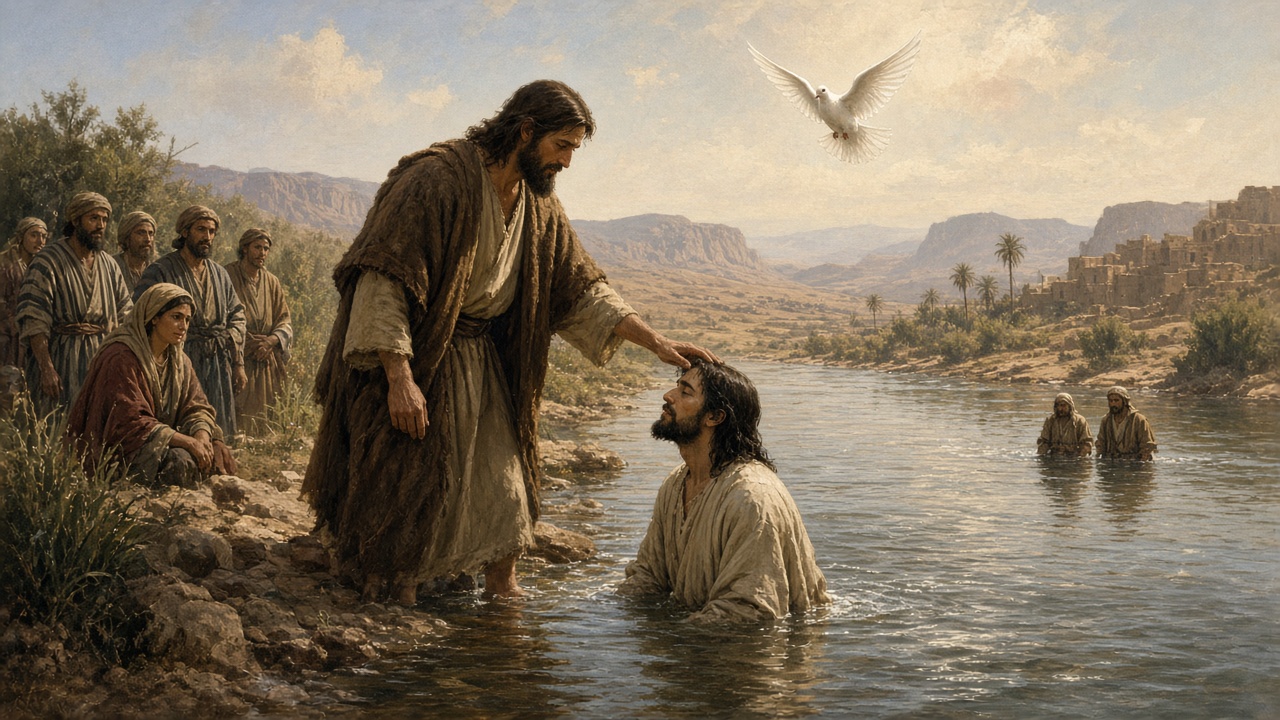
João Jesure bautisaha
21Joãore ti peresu yoahto pano paina masare João sehe bautisaro niha. Tinare bautisaro Jesu cʉ̃hʉre bautisaha. To ã bautisachʉ, Jesu diapʉ ducuriro Cohamacʉre to sinino watoi mʉano parĩ mʉa wahaha. 22To parĩ mʉari baharo Espíritu Santo buja yoaro sehe Jesu buipʉ duji taha. To ã duji tachʉ mʉanopʉ durucuro coa taha:
—Mʉhʉ yʉ macʉ yʉ cahĩriro jira. Mʉhʉ mehne wahcheja —nino coa taha mʉanopʉ.
Jesu coyea panopʉ macainare yahua jira ahri
23Jesu to buhe dʉcari cʉhmare treinta cʉhmari cjʉaha tiro. “Tiro José macʉno jira”, ni tʉhotumaha masa. José sehe Elí macʉno jiha. 24Elí Matat macʉno jiha. Matat Leví macʉno jiha. Leví Melqui macʉno jiha. Melqui Jana macʉno jiha. Jana José macʉno jiha. 25José Matatías macʉno jiha. Matatías Amós macʉno jiha. Amós Nahum macʉno jiha. Nahum Esli macʉno jiha. Esli Nagai macʉno jiha. 26Nagai Maat macʉno jiha. Maat Matatías macʉno jiha. Matatías Semei macʉno jiha. Semei Josec macʉno jiha. Josec Joiadá macʉno jiha. 27Joiadá Johanán macʉno jiha. Johanán Resa macʉno jiha. Resa Zorobabe macʉno jiha. Zorobabe Salatie macʉno jiha. Salatie Neri macʉno jiha. 28Neri Melqui macʉno jiha. Melqui Adi macʉno jiha. Adi Cosam macʉno jiha. Cosam Elmodam macʉno jiha. Elmodam Er macʉno jiha. 29Er Josué macʉno jiha. Josué Eliezer macʉno jiha. Eliezer Jorim macʉno jiha. Jorim Matat macʉno jiha. 30Matat Leví macʉno jiha. Leví Simeo macʉno jiha. Simeo Juda macʉno jiha. Juda José macʉno jiha. José Jonan macʉno jiha. Jonan Eliaquim macʉno jiha. 31Eliaquim Melea macʉno jiha. Melea Mená macʉno jiha. Mená Matatá macʉno jiha. Matatá Natán macʉno jiha. 32Natán Davi macʉno jiha. Davi Jesé macʉno jiha. Jesé Obed macʉno jiha. Obed Booz macʉno jiha. Booz Sélah macʉno jiha. Sélah Nahasón macʉno jiha. 33Nahasón Aminadab macʉno jiha. Aminadab Admín macʉno jiha. Admín Arní macʉno jiha. Arní Esrom macʉno jiha. Esrom Fares macʉno jiha. Fares Juda macʉno jiha. 34Juda Jacobo macʉno jiha. Jacobo Isaa macʉno jiha. Isaa Abrahã macʉno jiha. Abrahã Taré macʉno jiha. Taré Nahor macʉno jiha. 35Nahor Serug macʉno jiha. Serug Ragau macʉno jiha. Ragau Péleg macʉno jiha. Péleg Éber macʉno jiha. Éber Sélah macʉno jiha. 36Sélah Cainán macʉno jiha. Cainán Arfaxad macʉno jiha. Arfaxad Sẽ macʉno jiha. Sẽ Noé macʉno jiha. Noé Lame macʉno jiha. 37Lame Matusalẽ macʉno jiha. Matusalẽ Enoco macʉno jiha. Enoco Jared macʉno jiha. Jared Mahalaleel macʉno jiha. Mahalaleel Caina macʉno jiha. 38Caina Eno macʉno jiha. Eno Sete macʉno jiha. Sete Adão macʉno jiha. Adão Cohamacʉ to yoariro jiha.
Did you know?
John the Baptist prepares the way
- Luke sets John's preaching in the fifteenth year of Tiberius Caesar, the stepson of Augustus, who succeeded him in A.D. 14 and died in A.D. 37. Easton's Bible Dictionary (1897) notes that John began his public ministry in that year, and that Pontius Pilate, the sixth Roman procurator of Judea from A.D. 26 to 36, kept his headquarters at Caesarea during a term that covered the ministries of John and Jesus. Herod Antipas, a son of Herod, was then tetrarch of Galilee.Sources: the Bible text itself · Tiberius · Pontius Pilate · Herod Antipas
- The chapter dates these events during the high priesthood of both Annas and Caiaphas. Easton's Bible Dictionary (1897) records that Annas was high priest from A.D. 7 to 14 and was deposed by the Roman procurator, and that Caiaphas, who had married Annas's daughter, was raised to that office in A.D. 25. The same entry suggests that the Jews may still have regarded Annas as the lawful high priest, since Mosaic law held the office for life, and that he probably served with Caiaphas as president of the Sanhedrin or as the high priest's deputy.Sources: the Bible text itself · Annas
- John, son of Zechariah, was of priestly descent: his father was a priest of the course of Abia, and his mother, Elizabeth, belonged to the daughters of Aaron. Easton's Bible Dictionary (1897) notes that his mission was the subject of prophecy, including Isaiah's voice crying in the wilderness, and that his birth came six months before the birth of Jesus. In this chapter he preaches a baptism of repentance throughout the region around the Jordan, and Herod the tetrarch later imprisons him after John rebukes him over Herodias.Sources: the Bible text itself · John the Baptist
Notes written with AI assistance from open sources (Theographic Bible Metadata, CC BY-SA 4.0; Easton’s Bible Dictionary, public domain) and reviewed before publishing.
Places in this chapter
- Abilene · 33.627, 36.106 · verse 1
- Galilee · 32.760, 35.527 · verses 1, 19
- Ituraea · 33.400, 35.850 · verse 1
- Judea · Today: Judea 1 · 31.777, 35.234 · verse 1
- Trachonitis · Today: Lajat · 32.969, 36.455 · verse 1
- Jordan · Today: Jordan River · 31.761, 35.558 · verse 3
Only places identified with high confidence are shown (90% or more according to the scholarly sources compiled by OpenBible). Period map: DARE (Digital Atlas of the Roman Empire), CC BY 4.0; modern map: © OpenStreetMap contributors; places: OpenBible.info (CC BY 4.0).
Credits and license for this translation
Cohamacʉ Yare Yahari Tjuel
New Testament in Guanano
copyright © 2007 Wycliffe Bible Translators, Inc.
Language: Guanano
Translation by: Wycliffe Bible Translators, Inc.
Copyright Information
© 2007, Bible League International. All rights reserved.
This translation text is made available to you under the
terms of the Creative Commons License: Attribution-Noncommercial-No Derivative Works.
( http://creativecommons.org/licenses/by-nc-nd/3.0/ )
In addition, you have permission to port the text to different file formats, as long as you
do not change any of the text or punctuation of the Bible.
You may share, copy, distribute, transmit, and extract portions
or quotations from this work, provided that you include the above copyright
information:
You must give Attribution to the work.
You do not sell this work for a profit.
You do not make any derivative works that change any of the actual words or punctuation of the Scriptures.
Permissions beyond the scope of this license may be
available if you contact
us with your request.
The New Testament
in Guanano
© 2007, Wycliffe Bible Translators, Inc. All rights reserved.
This translation is made available to you under the terms of the
Creative Commons Attribution-Noncommercial-No Derivatives license 4.0.
You may share and redistribute this Bible translation or extracts from it in any format, provided that:
You include the above copyright and source information.
You do not sell this work for a profit.
You do not change any of the words or punctuation of the Scriptures.
Pictures included with Scriptures and other documents on this site are licensed just for use with those Scriptures and documents.
For other uses, please contact the respective copyright owners.
2014-08-06
Source: http://ebible.org/gvc/ · eBible.org