Acts 16
Cohamacʉ Yare Yahari Tjuel · Tap a verse to see its cross-references.
Timoteo Paulo mehne wahaha
1Ti ã yoari baharo Paulo cʉ̃hʉ Derbepʉ, Listrapʉ sʉa, Timoteore boca sʉha. Timoteo Jesu yairo jiro, judio masono macʉno jiha tiro. To pocoro cʉ̃hʉ Jesu yacorota jiha. To pʉcʉro sehe griego masʉno jiha. 2Ã jia Listra macaina, Iconio macaina Jesu yaina, “Timoteo masa noariro jira”, ni yahua tiha. 3Ã jiro Paulo Timoteore naa duaha. Wiho mejeta tí yahpa macaina judio masa sehe Timoteo pʉcʉro griego masʉno to jichʉ masiha. Ã jiro Paulo judio masare “Suari” nino, Timoteo pjacʉre mahari cahsarocã yihso naha. Judio masa ti dutia ti niriro seheta yoaha. 4To ã yoari baharo tina ti sʉa macari macainare ti joarocari pũ macaare yahuha. Tí pũ Jesu to cũrina, to yaina pʉhtoa mehne Jerusalẽpʉ jiina ti joarocari pũ jiha. Ã jia tí dutiare noano yahu turiaha tó macainare Jesu yainare. 5Ti ã yahuchʉ tʉhoa Jesu yaina sehe Jesure wacũ tua namoha. Ã yoa Jesure wahma wacũ tua dʉcaina dachoripe payʉ waha namoha.
Paulo cahãnopʉ Macedonia macarirore ñʉha
6Ã yoa Asia yahpapʉ sehere noaa buheare buhe dutieraha Espíritu Santo tinare. Ã jia tina Frigia yahpare yʉhdʉa Galacia yahpare yʉhdʉa, Misia yahpa dʉhtʉ cahai sʉha. Tópʉ sʉ, Bitinia yahpa sehe waha duamaha tina. Wiho mejeta Espíritu Santo sehe tinare tópʉre waha dutieraha. 8To ã niri baharo tina sehe Misia yahpare yʉhdʉa, Tróadepʉ buhtʉ wihire. 9Tópʉ ti buhtʉ wihiri baharo, tí ñamine õ sehe cahãri jire Paulo. Macedonia yahpa macariro to cahai ducuchʉ ñʉri jire tiro. “Sãre Macedonia yahpa macainare yoadohoi taga” ni, pjiri jire tiro Paulore. 10To cahãri baharo wahcã wihi, sã yare cahno tuhsʉ, Macedoniapʉ wahaa wahai sã. “Cohamacʉ tí yahpapʉre noaa buheare buhe dutiro nina marine”, ni tʉhotui sã.
Paulo, Sila mehne Filipopʉ jiha
11Ã jina sã Tróadepʉ jiina dohoria mehne Somatracia wama tiri nʉcopʉ pahã sʉi sã. Ã yoa pa dachoi Neapolipʉ pahãa wahai sã. 12Tí macare yʉhdʉana, Filipopʉ Roma macaina ya macapʉ sʉi sã. Tí maca Macedonia yahpai jiri maca jire. Wiho jiri maca jierare. Tópʉre mahaa dachoricã sã jii. 13Tópʉ jina Sabado jichʉ sã tí maca dʉhtʉ cahapʉ, dia dʉhtʉ cahapʉ sʉi. Tói Cohamacʉ mehne ti durucuro jire. Tói dujina tói cahmachua numia mehne sʉhʉdui sã. 14Cʉ̃coro sãre tʉhoricoro Tiatira wama tiri maca macaricoro Lidia wama tiricoro jire. Ticoro noaa suhti wapa tia suhtire duaricoro, Cohamacʉre ño payoricoro jire. Ã jiro Paulo to yahuare noano tʉhochʉ yoare Cohamacʉ ticorore. 15To quihõno tʉhochʉ ñʉno ticorore to wʉhʉ macaina mehne bautisare Paulo. To ã bautisari baharo õ sehe nire ticoro:
—“Jesu yacoro tjira mʉhʉ cʉ̃hʉ”, nina mʉsa yʉhʉre. Ã jina ya wʉhʉi sãa tasinia mʉsa. Yʉhʉ mehne tjuasinia —nire ticoro sãre.
To ã nichʉ tʉhona to wʉhʉi tjuasinii sã.
16Pa dacho Cohamacʉ mehne ti durucuropʉ sã wahachʉ watĩno to cohtotaricoro piti bocare sãre. Ticoro paina cahamacono jire. Ticoro watĩno yoadohoro mehne masare “Õ sehe waharohca mʉsare”, ni yahuyuricoro jire. Ã yahuro pjíro wapatabasare to pʉhtoare. 17Ã jiro Paulo mehne sã wahachʉ, sãre nʉnʉ ti, sañurucure ticoro:
—Ahrina Cohamacʉ Jipihtina Bui Jiriro to yoadohoina jira. Cohamacʉ marine to noano yʉhdohtire yahura tina —ni sañurucure ticoro.
18Payʉ dachori ã ni cariborucure Paulore. To ã ni sañurucuchʉ Paulo majare ñʉ, õ sehe nire watĩnore:
—Jesucristo tuaa mehne dutija mʉhʉre. Ticorore wijaahga. Waharisa mʉhʉ —nire Paulo.
To ã nichʉta watĩno sehe wahaa wahare.
19To ã wahari baharo ticoro pʉhtoa sehe niñeru to wapataeraricoro to wahachʉ ñʉa, tina Paulore, Sila cʉ̃hʉre ñahare. Ñaha tuhsʉ, tinare naahre tí maca dacho macapʉ jiina pʉhtoa cahapʉ. 20Ã naa wahcã, buhiri tiare cahnoina cahapʉ tinare cũre tina.
—Ahrina judio masa mari ya macare cariboa nina. 21Tina mari dutiare cohã dutia, paye buheare buhea nina. Mari ya dutiare yʉhdʉrʉcachʉ yoa duaa nina. Mari Roma macaina jina ahrina ti yahua sehere yoa masieraja mari. Ã jina ti buheare mari cahmaeraja —nire ticoro pʉhtoa buhiri tiare cahnoinare.
22Ti ã nichʉ tʉhoa masa payʉ Paulo cʉ̃hʉ mehne sua yʉhdʉa wahare. Ã jia buhiri tiare cahnoina sehe Paulo cʉ̃hʉ suhtire ti tʉhrẽ cohãri baharo, yucʉri wasõri mehne tjana dutire tinare. 23Tuaro tjana tuhsʉ peresu yoare tinare. Ti ã peresu yoari baharo peresure cohtarirore noano ñʉ wihbo dutiha tina. 24Ti ã dutiri baharo tinare cohtariro sehe tí wʉhʉ puhicha macari tahtiapʉ tinare cũ, taboa pahtari mehne ti dahporire biha dapoha.
25Ñami dacho macai Paulo, Sila mehne Cohamacʉre sini, tirore basa payoha. Ti ã basachʉ tʉhoha paina peresupʉ jiina. 26Ti ã ni basachʉta tí wʉhʉ tuaro ñuhmiha. To ã ñuhmichʉ cʉ̃no potori jipihtia sopa pahmari parĩ mʉa, peresupʉ jiinare ti dʉhtea dari comaa dari nuhnu site boraa wahaha. 27To ã wahachʉ tí wʉhʉre cohtariro sehe wahcã wihi, “Peresu jiina duhti tuhsʉri jire”, ni tʉhotumaha. Ã ni tʉhoturo to ñosari pjĩne naroca, to basi ñosamaha. 28To ã yoachʉ ñʉno Paulo tirore tuaro sañurucu õ sehe niha:
—Mʉ basi ñano yoai tjiga. Jipihtina õre jija sã —niha tiro tinare cohtarirore.
29To ã nichʉ tʉhoro tinare cohtariro sehe sihã buhria duti, tina cahapʉ mʉroca wahcã Paulo, Sila ti dahpori cahapʉ tetere, caha sʉha tiro. 30Tuhsʉ, tiro tinare tí tahtiapʉ jiinare na wijaa, sinituha tinare:
—¿Dohse yoaicari yʉhʉ Cohamacʉ yairo ji duacʉ, to yʉhdohtiro ji duacʉ? —ni sinituha tiro.
31—Jesucristore wacũ tuaga mʉhʉ. Mʉ coyea cʉ̃hʉ tirore wacũ tuajaro. Mʉsa ã yoachʉ mʉsare pichacapʉ wahaborinare Cohamacʉ yʉhdorohca —ni yahuha tina.
32Ti ã niri hora ñami dacho maca baharocã jiha. Ti ã niri baharo tinare cohtariro to ya wʉhʉpʉ naaha tinare. To ya wʉhʉpʉ na sʉ ti camine cosaha tiro. To ã cosa tuhsʉri baharo to coyea mehne Cohamacʉ yare buheha Paulo cʉ̃hʉ. Ti buheri baharo bautisaha tinare. 34Ti bautisa tuhsʉri baharo tinare cohtariro cjiro Paulo cʉ̃hʉre chʉare payoha. Ã jia tiro to coyea mehne noaa buheare ti tʉhori baharo tuaro wahcheha, Cohamacʉre masi dʉcaa.
35Bohrea parĩ cahachʉ ñʉa pʉhtoa sehe surarare peresupʉ warocaha Paulo cʉ̃hʉre wio dutia. 36Ti ã wio dutiri baharo tí wʉhʉre cohtariro Paulo cʉ̃hʉre yahuha:
—Pʉhtoa mʉsare wio dutire. Ã jina cuienata wijaahga —niha tiro Paulo cʉ̃hʉre.
37Ti ã wio duapachʉta Paulo õ sehe ni yahuha surarare:
—Sã ñano yoaerahi. Ã jina sã ne buhiri cjʉaeraja. Wiho warota tina pʉhtoa sehe masa ti ñʉrocaroi yucʉri wasõri mehne tjanahre sãre, Roma macaina sã jipachʉta. Tjana tuhsʉ peresu yoahre sãre. Ã jia mipʉ masa ti ñʉeraroi wio duara sãre, sãre ñano ti yoarire “Bʉoro yʉhdʉri”, nia. Pʉhtoa ti basita ta, wioa tajaro sãre —niha Paulo surarare.
38To ã nichʉ tʉhoa surara sehe pʉhtoare yahua wahaha. Ti ã ni yahuri baharo Paulo, Sila mehne Roma macaina ti jichʉ masia pʉhtoa sehe cui niha. 39Ã jia tina Paulo cʉ̃hʉ cahai sʉ, õ sehe niha:
—Ñano yoahti sã mʉsare. Ne pari turi ã yoasi —niha pʉhtoa Paulo cʉ̃hʉre.
à ni tuhsʉ pʉhtoa tinare peresupʉ jiinare wio, tinare pa sehepʉ waha dutiha. 40Ti ã niri baharo Paulo, Sila mehne peresupʉ jiina wijaa, Lidia wama tiricoro ya wʉhʉpʉ wahaha. Tí wʉhʉpʉ ti sʉri baharo Jesu yainare piti bocaha. à jia tina Jesu yainare noano buhea, noano yajeripohna tichʉ yoaha tinare. Ti ã yoari baharo Paulo, Sila mehne wahaa wahaha.
Did you know?
From Lystra to Philippi
- At Lystra, Paul met Timothy, a disciple of whom the brothers in Lystra and Iconium spoke well, the son of a believing Jewish woman and a Greek father. Wanting him as a companion, Paul had him circumcised on account of the Jews there, who knew that his father was Greek. Easton's Bible Dictionary (1897) says Timothy probably lived in Lystra and seems to have been converted during Paul's earlier visit.Sources: the Bible text itself · Timotheus
- After being kept from speaking in the province of Asia, Paul and his companions traveled through Phrygia and Galatia. At the border of Mysia they were not permitted to enter Bithynia, so they went down to Troas, Mysia's chief port on the northwest coast of Asia Minor, a city named for ancient Troy about four miles to the north. There a night vision of a man of Macedonia pleading for help led them to sail to that Roman province north of Greece.Sources: the Bible text itself · Mysia · Troas · Macedonia
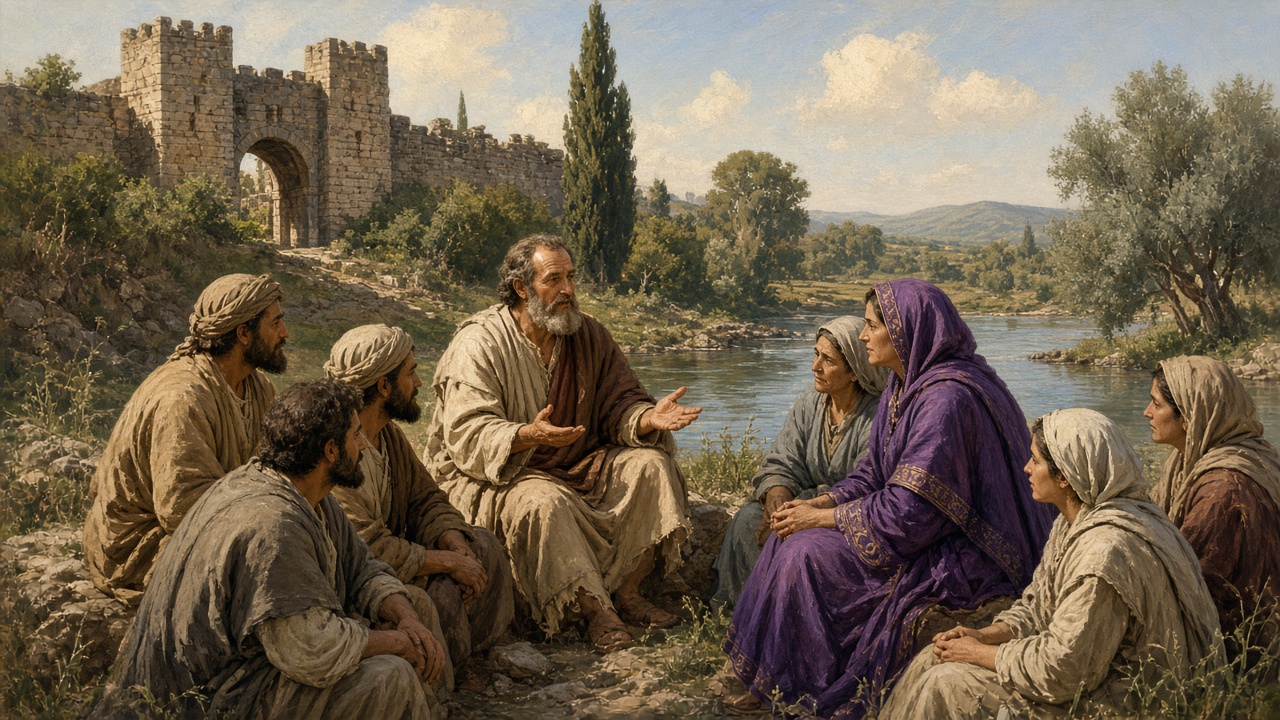
- In the Roman colony of Philippi, Paul and his companions found a customary place of prayer by the river outside the city gate, where women had gathered. Among them was Lydia, a dealer in purple cloth from Thyatira and a worshiper of God; after she and her household were baptized, she persuaded the travelers to stay at her house. Easton's Bible Dictionary (1897) describes her as a proselyte of considerable wealth and as the first person in Europe to embrace Christianity.Sources: the Bible text itself · Lydia
Notes written with AI assistance from open sources (Theographic Bible Metadata, CC BY-SA 4.0; Easton’s Bible Dictionary, public domain) and reviewed before publishing.
Places in this chapter
- Lystra · Today: Tel Lystra · 37.602, 32.338 · verses 1, 2
- Iconium · Today: Konya · 37.872, 32.492 · verse 2
- Jerusalem · 31.777, 35.234 · verse 4
- Asia · 38.400, 28.300 · verse 6
- Galatia · 39.267, 32.983 · verse 6
- Phrygia · 39.000, 31.000 · verse 6
- Bithynia · 40.500, 31.000 · verse 7
- Mysia · 40.000, 28.500 · verses 7, 8
- Troas · Today: Alexandria Troas · 39.752, 26.159 · verses 8, 11
- Greece · 37.972, 23.727 · verse 9
- Macedonia · 41.600, 22.540 · verses 9, 10, 12
- Neapolis · Today: Kavala · 40.935, 24.415 · verse 11
- Samothrace · Today: Samothraki · 40.450, 25.583 · verse 11
- Philippi · 41.012, 24.285 · verse 12
- Thyatira · Today: Akhisar · 38.920, 27.837 · verse 14
Only places identified with high confidence are shown (90% or more according to the scholarly sources compiled by OpenBible). Period map: DARE (Digital Atlas of the Roman Empire), CC BY 4.0; modern map: © OpenStreetMap contributors; places: OpenBible.info (CC BY 4.0).
Credits and license for this translation
Cohamacʉ Yare Yahari Tjuel
New Testament in Guanano
copyright © 2007 Wycliffe Bible Translators, Inc.
Language: Guanano
Translation by: Wycliffe Bible Translators, Inc.
Copyright Information
© 2007, Bible League International. All rights reserved.
This translation text is made available to you under the
terms of the Creative Commons License: Attribution-Noncommercial-No Derivative Works.
( http://creativecommons.org/licenses/by-nc-nd/3.0/ )
In addition, you have permission to port the text to different file formats, as long as you
do not change any of the text or punctuation of the Bible.
You may share, copy, distribute, transmit, and extract portions
or quotations from this work, provided that you include the above copyright
information:
You must give Attribution to the work.
You do not sell this work for a profit.
You do not make any derivative works that change any of the actual words or punctuation of the Scriptures.
Permissions beyond the scope of this license may be
available if you contact
us with your request.
The New Testament
in Guanano
© 2007, Wycliffe Bible Translators, Inc. All rights reserved.
This translation is made available to you under the terms of the
Creative Commons Attribution-Noncommercial-No Derivatives license 4.0.
You may share and redistribute this Bible translation or extracts from it in any format, provided that:
You include the above copyright and source information.
You do not sell this work for a profit.
You do not change any of the words or punctuation of the Scriptures.
Pictures included with Scriptures and other documents on this site are licensed just for use with those Scriptures and documents.
For other uses, please contact the respective copyright owners.
2014-08-06
Source: http://ebible.org/gvc/ · eBible.org