2 Corinthians 7
Cohamacʉ Yare Yahari Tjuel · Tap a verse to see its cross-references.
1Yʉ coyea, yʉ cahĩina, ahri jipihtiare Cohamacʉ to ã ni yahuchʉ tʉhona jipihtiare ñaa yoaare duhujihna mari. Ñaa wacũa cʉ̃hʉre duhujihna mari. Cohamacʉre noano ño payoa mehne ñaa buhiri tia marieno jijihna mari.
Paulo wahchea mehne yahuha Corinto macainare
2Noano mehne jiga mʉsa sã mehne. Ne mahanocã mehne ñano yoaerahi sã mʉsare. Ã yoa tuhsʉ, mʉsare buhena, ne mʉsare dojomehnerahi. Ne cʉ̃iro mʉsa mehne macarirore mahñoa mehne wapa cahmaerahi. 3Ã nicʉ mʉsare tuhtii nieraja. Mʉsare yahu tuhsʉhi. Sã yajeripohnari mehne tuaro cahĩja sã mʉsare. Catisinina mʉsare ã cahĩrucunahca. Mari yariari baharopʉ cʉ̃hʉre mʉsare ã cahĩrucunahca. 4Yʉ niriro seheta mʉsa yoarire, mʉsa yoahti cʉ̃hʉre masija yʉhʉ. Ã jicʉ mʉsare wacũrocacʉ wahcheja. Sã ñano yʉhdʉro watoi mʉsa sehe yʉhʉre pjíro wahchechʉ yoara.
5Ã yoa Macedonia yahpapʉ sã sʉri baharo tópʉ jina, ne soerahi sã. Tópʉre ñano yʉhdʉhi sã. Paina sã mehne cahma sayo yʉhdʉrʉcahre. Ã jina “Cristo yare duhuri”, nina Cristo yaina sehere cuisãahi sã. 6Sã ã ñano yʉhdʉpachʉta Cohamacʉ sãre wahchechʉ yoahre. Tiro cahyainare wahchechʉ yoariro jira. Ã jiro Tito sã cahapʉ to wihiro mehne sãre wahchechʉ yoahre Cohamacʉ. 7Tito to wihichʉ ñʉna wahchehi. Tirore mʉsa wahchechʉ yoarire sãre to yahuchʉ wahchehi. Ahri cʉ̃hʉre wahchehi. Mʉsare to quiti yahuchʉ cʉ̃hʉre tuaro wahchehi sã. Yʉhʉre mʉsa ñʉ duarire yahuhre sãre. Yʉhʉre mʉsa cahya mʉsa pjíro tʉhoturi cʉ̃hʉre yahuhre tiro. To ã ni yahuchʉ tʉhocʉ pjíro wahchehi yʉhʉ.
8Tó pano yʉ joarocari pũ mehne mʉsare cahyachʉ yoamahi. Ã yoaricʉ jipaihta cahyaeraja yʉhʉ sehe. Tí pũre mʉsa buheri baharo cahyayuhti mʉsa. Tuhsʉ, mahanocãta cahya duhuyuhti mʉsa. Ã jicʉ wahma joaroca mʉhtacʉ cahyapaihta mipʉre cahyaeraja. 9Mipʉ pinihtare wahcheja yʉhʉ. Mʉsa cahyachʉ tʉhocʉ wahcheraja. Wiho mejeta ã cahyana, mʉsa ñaare tʉhotumarire cohtotayuhti mʉsa. Ã mʉsa cahyachʉ ñʉno, Cohamacʉ sehe to cahmano seheta mʉsa ñaare tʉhotumarire cohtotachʉ yoari jira. Ã jina mʉsare cahyachʉ yoana, ñano yoa dojomehnena nierahi sã mʉsare. 10Ã jina Cohamacʉ to cahmano seheta cahyana, mari ñaare tʉhotumarire cahyanahca. Cohamacʉ to cahmano seheta cohtotanahca. Tó sehe mari cahyachʉ ñʉno marine pichacapʉ wahaborinare yʉhdora Cohamacʉ. Mari ã cahyachʉ noa nina marine. Cristore cahmaeraina sehe ti ñaare tʉhotumarire cahyaerapahta, ã cahyamacanocaa, pichacapʉ wahahtina jisinina. 11Mʉsa sehe Cohamacʉ to cahmano seheta cahyayuhti. Mʉsa ã cahyana õ sehe yoayuhti mʉsa: Mipʉre ñaare yoainare ã ñʉnocaerayuhti mʉsa. Tinare duhu dutiyuhti mʉsa. Ã jina ti ñaa yoaare cuiyuhti mʉsa “Tina yoaro sehe sã yoari”, nina. Ã yoana yʉhʉre ñʉ duayuhti mʉsa. Tuhsʉ, ñaare yoarirore buhiri dahre duayuhti mʉsa. Tí jipihtiare mʉsa yoana mipʉre quihõno yoaina mʉsa jirire masichʉ yoahre mʉsa sãre. 12Panopʉ ñano yoarirore mʉsare yahu joarocapaihta tirore yoadohocʉ tacʉ ã ni yahu joarocaerahi. To ñano yoa payoriro cʉ̃hʉre yoadohocʉ tacʉ ã ni joarocaerahi. Mʉsa sehere yoadohocʉ tacʉ tí pũre joarocahi. Sãre noano ño payora mʉsa Cohamacʉ to ñʉrocaroi. Tíre mʉsa ño payorire noano mʉsa masihto sehe tí pũre joarocahi mʉsare. Cohamacʉ tíre mʉsare masichʉ cahmare. 13Ã jina Tito mʉsa yoarire to quiti yahuchʉ tʉhona tuaro wahchehi sã.
Tito cʉ̃hʉ tuaro wahchere. Tirore mʉsa noano mehne mʉsa piti bocachʉ tʉhona, mʉsa mehne to wahcherire tʉhona sã cʉ̃hʉ noano wahchehi. 14Wahmanopʉ mʉsa cahapʉ to wahahto pano mʉsa mehne yʉ wahcherire, noaina mʉsa jirire yahuhi tirore. Yʉ ã yahuchʉ yʉ niriro seheta noano yoayuhti mʉsa tirore. Ã jicʉ tirore yʉ nirire bʉo tieraja. Mʉsare quihõno ã yahurucuja sã. Tó seheta Tito cʉ̃hʉre quihõno sã yahuhi mʉsare to ñʉriro seheta. 15Mʉsa cahapʉ to sʉchʉ ño payoa mehne tirore piti bocayuhti mʉsa. Mʉsa ã piti bocachʉ, noano yʉhtiina, yʉhdʉrʉcaro marieina mʉsa jichʉ ñʉyuhti tiro. Ã jiro mʉsare cahĩ namono nina tiro. 16Mipʉre noano yʉhtiina, Cohamacʉ to cahmano seheta mʉsa noano yoa pahñoina mʉsa jichʉ noano masija yʉhʉ. Ã masicʉ tuaro wahcheja.
Did you know?
Comfort after a painful letter
- Macedonia, where Paul says he arrived with no rest in his body—conflicts outside and fears within—was a Roman province north of Greece. There, he writes, the God who comforts the downcast comforted him by the arrival of Titus.Sources: Macedonia · the Bible text itself
- Paul speaks of a letter that made them sorrowful, but only for a short time. He now rejoices not because they were sorrowful, but because that sorrow led them to repentance; he says they felt the sorrow God intended, were not harmed by him, and showed earnestness, zeal, and innocence in the matter.Sources: the Bible text itself
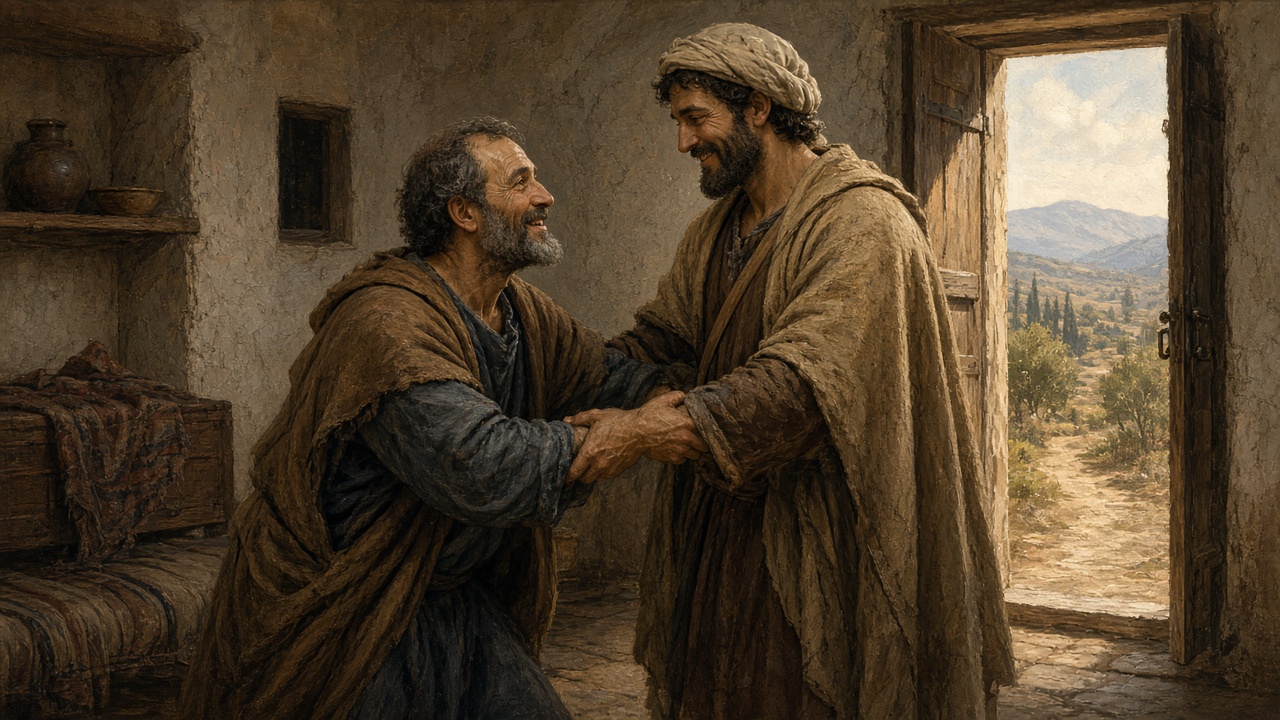
- A short account describes Titus as a companion of Paul, apparently a Gentile chiefly engaged in ministering to Gentiles. In this chapter Paul says Titus’s arrival comforted him, that Titus reported their longing, mourning, and zeal, and that they welcomed Titus with fear and trembling.Sources: Titus · the Bible text itself
Notes written with AI assistance from open sources (Theographic Bible Metadata, CC BY-SA 4.0; Easton’s Bible Dictionary, public domain) and reviewed before publishing.
Places in this chapter
- Macedonia · 41.600, 22.540 · verse 5
Only places identified with high confidence are shown (90% or more according to the scholarly sources compiled by OpenBible). Period map: DARE (Digital Atlas of the Roman Empire), CC BY 4.0; modern map: © OpenStreetMap contributors; places: OpenBible.info (CC BY 4.0).
Credits and license for this translation
Cohamacʉ Yare Yahari Tjuel
New Testament in Guanano
copyright © 2007 Wycliffe Bible Translators, Inc.
Language: Guanano
Translation by: Wycliffe Bible Translators, Inc.
Copyright Information
© 2007, Bible League International. All rights reserved.
This translation text is made available to you under the
terms of the Creative Commons License: Attribution-Noncommercial-No Derivative Works.
( http://creativecommons.org/licenses/by-nc-nd/3.0/ )
In addition, you have permission to port the text to different file formats, as long as you
do not change any of the text or punctuation of the Bible.
You may share, copy, distribute, transmit, and extract portions
or quotations from this work, provided that you include the above copyright
information:
You must give Attribution to the work.
You do not sell this work for a profit.
You do not make any derivative works that change any of the actual words or punctuation of the Scriptures.
Permissions beyond the scope of this license may be
available if you contact
us with your request.
The New Testament
in Guanano
© 2007, Wycliffe Bible Translators, Inc. All rights reserved.
This translation is made available to you under the terms of the
Creative Commons Attribution-Noncommercial-No Derivatives license 4.0.
You may share and redistribute this Bible translation or extracts from it in any format, provided that:
You include the above copyright and source information.
You do not sell this work for a profit.
You do not change any of the words or punctuation of the Scriptures.
Pictures included with Scriptures and other documents on this site are licensed just for use with those Scriptures and documents.
For other uses, please contact the respective copyright owners.
2014-08-06
Source: http://ebible.org/gvc/ · eBible.org