1 Corinthians 7
Cohamacʉ Yare Yahari Tjuel · Tap a verse to see its cross-references.
Namo tiare yahuha Paulo
1Mipʉre yʉhʉre mʉsa sinitu mʉsa joarocari cjirire yʉhʉ cʉ̃hʉ yʉhti cahmai tai nija: Masʉno namo tierachʉ cʉ̃hʉre, noanocahna, yʉ tʉhotuchʉ. 2Tí ã jipachʉta mʉa sehe namo tijaro paina numia mehne ti ñano yoaerahto sehe. Ã jia numia cʉ̃hʉ manʉ tijaro paina mʉa mehne ti ñano yoaerahto sehe. 3Manʉ tiricoro to pjacʉ to ya pjacʉ dihta jierara. To manʉno ya pjacʉ cʉ̃hʉ jira. To manʉno cʉ̃hʉ to pjacʉ to ya pjacʉ dihta jierara. To namono ya pjacʉ cʉ̃hʉ jira. Ã jina mʉsa mʉa sehe mʉsa namosãnumiare noano cjʉaga. Ã yoa mʉsa numia cʉ̃hʉ mʉsa manʉsʉmare “Yʉ pjacʉre pihaecʉ tjiga”, niena tjiga. 5Wiho mejeta Cohamacʉre pʉaro mʉsa sini duana “Mahaa dachoricã mari basi jiena tjijihna. Cohamacʉre sinijihna”, cʉ̃no potori ã nina, mʉsa basi wahã duhu masina mʉsa. Mʉsa ã duhuri baharo mʉsa jiriro seheta jirucuga tjoa, Satana ñano mʉsare to yoa dutierahto sehe. “Paina mehne ñano yoaboca” nina, mʉsa basi piti ti duhuena tjiga. Mʉsa jiriro seheta jirucuga tjoa.
6Ahrire mʉsare mipʉ yʉ niri cjirire yahucʉ mʉsare dutia waro mehne nieraja. Ã yahuta nija mʉsa yoahtore mʉsa masihto sehe. 7Jipihtina mʉsa yʉ yoaro seheta namo tieraina mʉsa jichʉ noaboa yʉhʉre. Ã ji duapanahta mari jipihtina cʉ̃no potori jieraja. Cãinare marine namo ti dutira Cohamacʉ. Cãinare namo ti dutierara.
8Ã yoa namo marieinare, manʉ marieinare, wapewahya cʉ̃hʉre õ sehe nija: Namo marieina, manʉ marieina ji masina, ãta jinocahga mʉsa yʉ yoaro seheta. 9Ã ji masierana tuaro ñaare goa pjana, potota namo tiga. Ã yoa numia cʉ̃hʉ manʉ tiga. Ñaare mʉsa goa pjachʉ noaeraputiara mʉsare. Mʉsa ã goa pjana mʉsa namo tichʉ pinihta noa nina. Ã yoa mʉsa manʉ tichʉ cʉ̃hʉre noana.
10Mʉsa namo tiinare, manʉ tia numiare õ sehe dutija. Yʉ ã nipachʉta ya dutia waro jierara ahri. Mari pʉhtoro Cristo ahrire dutira: Mʉsa numia sehe mʉsa manʉsʉmare cohãena tjiga. 11Mʉsa manʉsʉmare cohãna, manʉ mariea numia sehe tjuaga. Ã tjuaerana pari turi tjoa mʉsa manʉsʉma mehne noano jiga tjoa. Ã yoa mʉsa cʉ̃hʉ mʉa mʉsa namosãnumiare cohãena tjiga.
12Ã yoa mʉsa cʉ̃hʉre painare õ sehe nija yʉhʉ. Mari pʉhtoro to dutia jierara ahri. Yʉhʉ sehe õ sehe nija mʉsare: Cãina mʉsa mehne macaina Jesu yaina sehe Jesure cahmaeraa numiare namo tiina jira. Ã jina mʉsa namosãnumia mʉsa mehne ti tjua duachʉ tí numiare cohãena tjiga mʉsa. 13Ã yoa cãina mʉsa mehne macaa numia Jesu yaina numia Jesure cahmaerainare manʉ tia numia jira. Ã jina mʉsa manʉsʉma mʉsa mehne ti tjua duachʉ tinare cohãena tjiga. 14Mʉsa manʉsʉma Jesure cahmaeraina jipahta Jesu yaina numiare ti namo tichʉ, Cohamacʉ noaina yoaro sehe ñʉna tinare. Ã yoa mʉsa mʉa sehe Jesu yaina mʉsa jichʉ mʉsa namosãnumia Jesure cahmaera numia jiboca. Ti ã jipachʉta mʉsa mehne tí numia manʉ tichʉ Cohamacʉ noaa numia yoaro sehe ñʉna tí numia cʉ̃hʉre. To ã ñʉerachʉ mʉsa pohna Jesure cahmaeraina pohna yoaro sehe ñʉboa Cohamacʉ. Wiho mejeta ti pohna cʉ̃hʉre noaina yoaro sehe ñʉna Cohamacʉ. 15Ã yoa mʉsa mʉa sehere mʉsa namosãnumia Jesure cahmaeraa numia mʉsare cohã duaa, ãta yoajaro. Mʉsa manʉsʉma cʉ̃hʉ ã cohã duaa, ãta yoajaro. Noano mari jichʉ cahmana Cohamacʉ. Ã jiro tí numia mʉsare ti cohã duachʉ “Tí numia mehne jisiniga”, ni dutierara Cohamacʉ. 16Ti namosãnumia Jesu yaina numia sehe noano ti yoachʉ ñʉa baharopʉ ti manʉsʉma sehe Jesure cahmaboca. Ã ti cahmachʉ Cohamacʉ tinare pichacapʉ wahaborinare yʉhdʉchʉ yoarohca. Ã yoa ti manʉsʉma Jesu yaina sehe noano ti yoachʉ ñʉa baharopʉ ti namosãnumia Jesure cahmaboca. Ti ã cahmachʉ Cohamacʉ tí numiare pichacapʉ wahabori numiare yʉhdʉchʉ yoarohca. Ã Jesure cahmaborina ti jipachʉta potota Jesure ti cahmahtore masiyuhto basioerara mʉsare.
17Ã jina jipihtina mʉsa mari pʉhtoro Cristo mʉsare to ji dutiriro seheta yoaga. Ã yoana Cohamacʉ mʉsare to cũri cjirire yoaga mʉsa. Tíre jipihtina Jesu yainare ã yoa dutirucuja yʉhʉ. 18Jesu yaina mʉsa jihto pano circuncisiõre yoarina cjiri jina, ãta jirucuga. Tuhsʉ, Jesu yaina mʉsa jihto pano circuncisiõre yoaeraina cjiri jina mipʉ cʉ̃hʉre ãta jirucuga. 19Mipʉre circuncisiõre yoarina mʉsa jichʉ yaba cjihti jierara. Tíre yoaeraina mʉsa jichʉ cʉ̃hʉre yaba cjihti jierara. Wiho mejeta Cohamacʉ dutiare mari yoachʉ tí pini wiho waro jierara. 20Ã yoana Cohamacʉ Jesu yaina mʉsare to cũri pja mʉsa jiriro seheta tjuaga. 21Jesu yairo mʉ ji dʉcahto pano masʉnore dahra cohtariro mʉ jichʉ noanohca. Ãta tjuasiniga. Mʉ pʉhtoro mʉhʉre to wio duachʉ sehere wijaga mʉhʉ. Mʉ wijachʉ noanohca mʉhʉre. 22Mari pʉhtoro Jesu yairo cʉ̃iro jiro masʉnore dahra cohtariro jiparota Jesu to yʉhdʉchʉ yoariro jira. Ãta pairo mari pʉhtoro Jesu yairo jiro, masʉnore dahra cohtariro jieraparota Jesure dahra cohtariro jira tiro cʉ̃hʉ. 23Mari ñaa buhirire buhiri ti tuhsʉri jire Cristo. Ã jina tiro dihtare “Yʉ pʉhtoro waro jira”, ni tʉhotuga mʉsa. Paina mʉsare tíre ti ã ni tʉhotu dutierachʉ tinare tʉhoena tjiga. 24Ã jina yʉ coyea, Jesu yaina cjihti Cohamacʉ mʉsare to cũri pja mʉsa jiriro seheta tjuaga. Ã tjuana Cohamacʉ mehne macaina jiga.
25Mipʉre namo marieinare, manʉ maria numia cʉ̃hʉre yahu duaja mʉsare. Mari pʉhtoro ahrire “Õ sehe niga”, nierare yʉhʉre. Yʉhʉre to pja ñʉchʉ yʉhʉre to yoadohochʉ to cahmano seheta yoarucuriro jija yʉhʉ. Ã jiriro jicʉ ahrire noano yahuihtja mʉsare. 26Mipʉre mʉsa ñano yʉhdʉna nica. Ã jiromahchʉ mʉsa namo marieina cʉ̃hʉ manʉ maria numia cʉ̃hʉ mʉsa tjuachʉ noanohca, yʉ tʉhotuchʉ. 27Namo tiina, manʉ tia numia mʉsa jina ãta tjuaga. Ã yoa namo marieina, manʉ maria numia mʉsa jina ãta tjuaga. 28Namo tina ñano yoaerara mʉsa. Ã yoa mʉsa nuhmia manʉ tina ñano yoaerara mʉsa cʉ̃hʉ. Wiho mejeta namo tiina, manʉ tia numia mʉsare wapʉoro tjuarohca ahri yahpahi masa ti ñano yʉhdʉro seheta mʉsa ñano yʉhdʉchʉ. Ã jicʉ mʉsare “Ã wapʉ tiri” nicʉ, “Namo marieina, manʉ maria numia tjuaga”, nihi yʉhʉ.
29Yʉ coyea, ahrire mʉsare yahui nija. Cristo ahri yahpapʉ to tjua tahto mahanocã dʉhsara. Ã jia mipʉre namo marieina Cohamacʉ to cahmano sehe ti noano yoa masino seheta noano yoaro cahmana namo tiina cʉ̃hʉre. Ã yoa manʉ tia numia cʉ̃hʉre ãta Cohamacʉ to cahmano sehe noano yoaro cahmana. 30Ahri yahpa to mipʉ jiro seheta baharocãta pihtia waharohca. Ã pihtihti yahpa to jichʉ mipʉre mari ñahacaha tiia, mari wahchea, mari cjʉaa pihtia wahaahca. Ã jia tí wiho waro jira. Cohamacʉ yare yoaa sehe wiho waro jierara. Ã jia ahri yahpa macaare cjʉaina, cjʉaeraina yoaro sehe jijaro. Ahri yahpa macaare pjíro tʉhotuea tjijaro. Ahri yahpa to mipʉ jiro seheta baharocãta pihtia waharohca.
32Mʉsa ñano yʉhdʉerachʉ cahmaja yʉhʉ. Pjíro mʉsa tʉhotuerachʉ cʉ̃hʉre cahmaja. Namo marieriro Jesu yairo jiro Jesu yare wacũrucura. Ã wacũrucuro Jesu cahmaare tuaro yoa duara. 33Namo tiriro sehe to namono cahmaa sehere tuaro yoa duara. Ã jiro ahri yahpa macaare pjíro tʉhotura. 34Ã jiro tiro pʉaro macaare yoa duara. Jesu cahmaa cʉ̃hʉre, to namono cahmaa cʉ̃hʉre tiro yoa duara. Ã yoa bʉcoro manʉ marienicoro jiro, ticoro mari pʉhtoro Jesu cahmaare tuaro yoa duara. Nuhmino cʉ̃hʉ ãta yoa duara. Ã yoa duaro to pjacʉ mehne, to wacũa mehne cʉ̃hʉre ticoro tuaro Cohamacʉ yacoro ji duara. Manʉ tiricoro sehe ahri yahpa macaa sehere to manʉno cahmaa sehere tuaro yoa duara. Ã jiro ahri yahpa macaare pjíro tʉhotura.
35Ahrire mʉsare nii nija mʉsare yoadohocʉ tacʉ. Wapʉoa dutiare mʉsare cũ duaeraja. Ã cũ duaerapaihta noano mʉsa yoachʉ cahmaja. Jesu mari pʉhtoro yare mʉsa tuaro yoa duachʉ cahmaja yʉhʉ.
36Mʉsa mehne macariro to sʉhʉduricoro to bʉcoro curero to wahachʉ ñʉno namo tijaro tiro ticorore. “Ãta yoaro cahmana ticorore”, ni tʉhoturo to niriro seheta yoajaro tiro ticorore. Ticorore namo ti masina. Ã yoaro tiro ñano yoaerara. 37Pairo sehe to sʉhʉduricorore namo ti duaeraro, to cahmano seheta yoajaro tiro ticorore. “Ticorore namo tieraja yʉhʉ”, ni tʉhoturo to cahmano seheta yoa duaro, tó seheta yoajaro. Ã yoariro noano yoara. 38Ã yoa to sʉhʉduricorore namo tiriro cʉ̃hʉ noano yoara. Tuhsʉ, to sʉhʉduricorore mipʉre namo tierariro sehe pairo yʉhdoro noano yoaro nina.
39Manʉ tiricorore to manʉnore cohã dutierara Cohamacʉ. To ã cohã dutierapachʉta to manʉno to yariari baharo ticoro pairo mehne to cahmariro mehne manʉ ti masina. Ticoro to manʉ tirirore Jesu yairo jiro cahmana tirore. 40Ticoro manʉ marienicoro tjuaro, manʉ tiricoro yʉhdoro noano wahchericoro jirohca ticoro. Ãta ni tʉhotuja yʉhʉ sehe. Cohamacʉ to Espíritu Santore cjʉariro jija. (Yʉ ã jiriro jichʉ masina ahri yʉ yahurire masiga mʉsa.)
Did you know?
Counsel on marriage and the present crisis
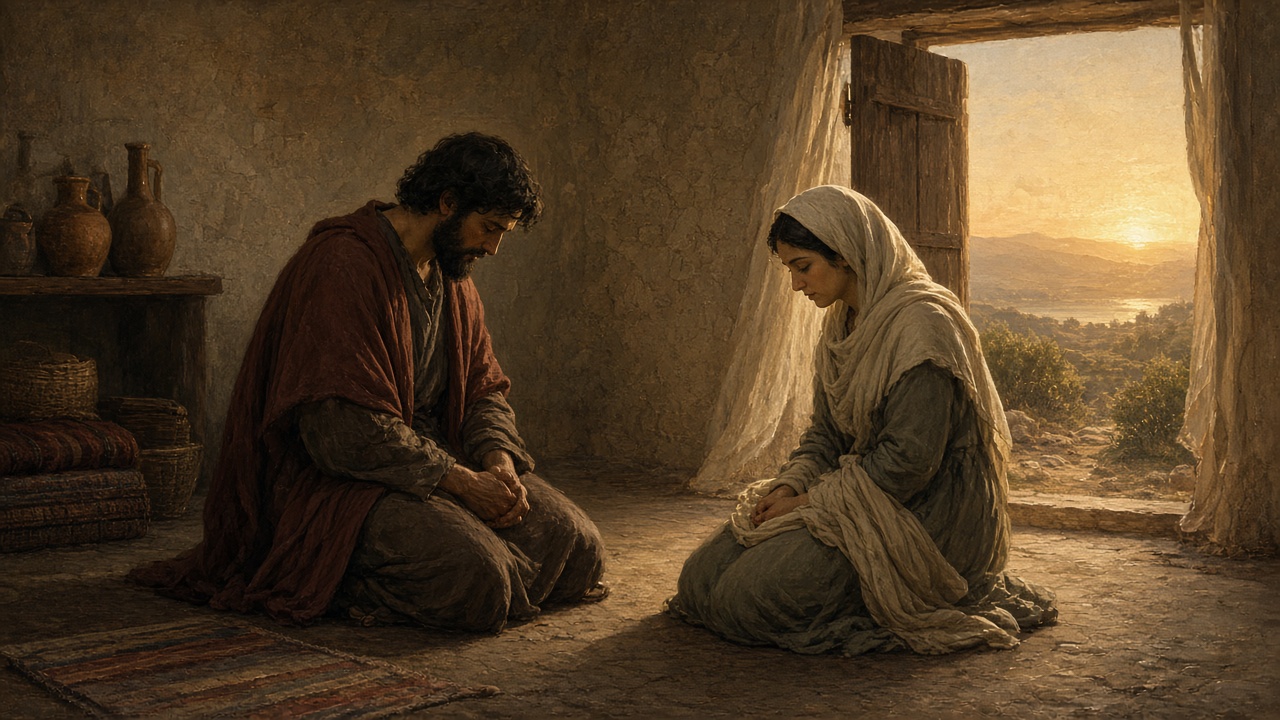
- The chapter opens as a reply to matters the readers had written about. The writer says it is good to abstain from sexual relations, yet, because there is so much sexual immorality, each man should have his own wife and each woman her own husband. He presents this as a concession, not as a command, and says that each person has their own gift from God.Sources: the Bible text itself
- In marriage, the writer says the wife does not have authority over her own body, but the husband does, and likewise the husband does not have authority over his own body, but the wife does. They should not deprive each other except by mutual consent and for a time, so they may devote themselves to prayer, and then come together again, so that Satan will not tempt them through lack of self-control. Easton's Bible Dictionary (1897) presents the name Satan as “adversary” or “accuser,” and notes that he tempted Jesus in the wilderness.Sources: the Bible text itself · Satan
- The writer distinguishes a command he attributes to the Lord—a wife must not separate from her husband, and a husband must not divorce his wife—from his own judgment where he says he, not the Lord, is speaking, including marriages with an unbeliever and questions about virgins. Because of what he calls the present crisis, and because he says the time is short and this world in its present form is passing away, he thinks it good to remain as one is. He adds that to marry is not to sin, though those who marry will face troubles in this life.Sources: the Bible text itself
Notes written with AI assistance from open sources (Theographic Bible Metadata, CC BY-SA 4.0; Easton’s Bible Dictionary, public domain) and reviewed before publishing.
Credits and license for this translation
Cohamacʉ Yare Yahari Tjuel
New Testament in Guanano
copyright © 2007 Wycliffe Bible Translators, Inc.
Language: Guanano
Translation by: Wycliffe Bible Translators, Inc.
Copyright Information
© 2007, Bible League International. All rights reserved.
This translation text is made available to you under the
terms of the Creative Commons License: Attribution-Noncommercial-No Derivative Works.
( http://creativecommons.org/licenses/by-nc-nd/3.0/ )
In addition, you have permission to port the text to different file formats, as long as you
do not change any of the text or punctuation of the Bible.
You may share, copy, distribute, transmit, and extract portions
or quotations from this work, provided that you include the above copyright
information:
You must give Attribution to the work.
You do not sell this work for a profit.
You do not make any derivative works that change any of the actual words or punctuation of the Scriptures.
Permissions beyond the scope of this license may be
available if you contact
us with your request.
The New Testament
in Guanano
© 2007, Wycliffe Bible Translators, Inc. All rights reserved.
This translation is made available to you under the terms of the
Creative Commons Attribution-Noncommercial-No Derivatives license 4.0.
You may share and redistribute this Bible translation or extracts from it in any format, provided that:
You include the above copyright and source information.
You do not sell this work for a profit.
You do not change any of the words or punctuation of the Scriptures.
Pictures included with Scriptures and other documents on this site are licensed just for use with those Scriptures and documents.
For other uses, please contact the respective copyright owners.
2014-08-06
Source: http://ebible.org/gvc/ · eBible.org