1 Corinthians 10
Cohamacʉ Yare Yahari Tjuel · Tap a verse to see its cross-references.
“Cohamacʉ jira”, ti nia masʉrine ño payo dutieraha Paulo
1Ã yoa yʉ coyea, ahrire masiga mʉsa. Sã Israe masa ñʉchʉsʉma cjiri panopʉ macaina jipihtina Cohamacʉ to me curuare ñʉ nʉnʉ ti wahcãa, wahaa tiri jire. Ã wahaa sohãri mare co watoi jiri mahai wʉa cahari mahai pahã tinia wahari jire. 2Ã wahaa tina jipihtina me curua mehne sohãri ma macaa co mehne bautisarina yoaro sehe wahari jire. Bautisarina wahana Cristo yaina mari jiare ñona nija. Tó seheta tina sohãri mare bautisarina yoaro sehe wahaa, Moise cjiro yaina ti jiare ñoa nia tiri jire. 3Ã yoa tina jipihtina mʉano macaa chʉare chʉa tiri jire Cohamacʉ to waare. 4Ã chʉa tina jipihtina Cohamacʉ to waa co cʉ̃hʉre sihnia tiri jire. Tí pjapʉre tí core Cohamacʉ to cũri tãcai wijaa core sihnia tiri jire tina. Tia tãca yoaro sehe jiriro, tinare co wariro Cristo jiri jire. 5Tina ã waharina ti jipachʉta paina tina mehne macaina ñano ti yoachʉ ñʉno Cohamacʉ sehe payʉ tina mehne macainare ñʉ ji coaerari jire. Ã jiro tinare masa marienopʉ yariachʉ yoari jire Cohamacʉ. Ã yoaro masa marienopʉ ti pjacʉrire cohã sitea wahari jire.
6Ãta yoari jire Cohamacʉ tinare marine buhero taro. Ã jiro tinare ñʉ cũ ñaare mari goa pjaerahto cjihtore Cohamacʉ ã yoari jire tinare. 7Ã jina “Cohamacʉ jira”, ti nia masʉrine ti ño payoriro seheta yoaena tjiga mʉsa sehe. Tí masʉrine ti ño payorire Cohamacʉ yare ti joari pũi yahuro õ sehe nina: “Tina chʉ duji sihni tuhsʉ, wahcãrʉcʉ sʉ, bose nʉmʉ yoa dʉcari jire wachʉ masʉre ño payoa taa”, ni joaa tiri jire panopʉre. 8Baharo paina sehe Israe masa numia mehne ñano yoari jire. Ti yoariro seheta yoaeraro cahmana marine. Tina ti ñano yoari baharo cʉ̃ dachoihta tina veintitrés mil masa yariaa wahari jire. 9Ti ã wahari baharo pari turi paina Israe masa sehe Cohamacʉre tina mehne suachʉ yoari jire. “Marine buhiri dahresi”, nia ñaa warore yoari jire. Ã yoaa tirore suachʉ yoari jire. Ti ã yoari buhiri Cohamacʉ agãa mehne bahca wajãri jire tinare tjoa. Ã jina tina yoaro sehe Cristore yoaena tjiga mʉsa “Marine buhiri dahresi”, nina. 10Pa tehe tjoa paina ñaa quiti dahre ti tuhtichʉ anjo masare wajãriro tinare wajãri jire. Ã jina tina yoaro sehe yoaena tjiga.
11Ã wajã dutiri jire tinare Cohamacʉ marine buhero taro. Mari sehe pihtiri dacho panocã jiina jija. Mari ã jiina jichʉ panopʉ macaina ti ã waharire Cohamacʉ joa dutiri jire marine noano buhero taro. 12Ã jina “Noaina jija sã, Cohamacʉ to ñʉchʉ”, ni tʉhotuina jina, noano yoaga mʉsa “Ñaare yoari”, nina. 13Mari jipihtina cʉ̃iro dʉhsaro marieno cãa tahari ñaare wacũja. Ã wacũna tí ñaare yoa duaja. Mari ã yoa duapachʉta Cohamacʉ marine yoadohorucuriro jira. Ã jiro tí ñaa wacũare mʉsa bo masierachʉ tiro sehe mʉsare yoadohorohca. Ã jiro tí ñaare mʉsa yoa duachʉ ñʉno Cohamacʉ tí ñaare mʉsare yoa duaerachʉ yoarohca. To ã yoachʉ tí ñaare yoa duasi mʉsa.
14Ã jina yʉ cahĩina yʉhʉre tʉhoga. “Cohamacʉ jira”, ti nia masʉrine ne ño payoena tjiga. 15Mʉsa noano masiina jichʉ mʉsare yahuja. Ã jina yʉ nihti cjihtire quihõno ti jichʉ masiga mʉsa basi. 16Cristore ti ñahari ñamine vinore to sihnihto pano Cohamacʉre “Noana”, niri jire. To niriro seheta mari cʉ̃hʉ tí core sihnina Cohamacʉre “Noana” nina, mari ya buhiri Cristo to yariarire masichʉ yoana nija. To di wijaarire masichʉ yoana nija. Tuhsʉ, to yaina mari jia tia cʉ̃hʉre masichʉ yoana nija mari. Ã yoa pãore mari Cristo yaina nuha, chʉna, mari ya cjihtire to pjacʉ crusapʉ to yariarire masichʉ yoana nija. Tuhsʉ, to yaina mari jia tia cʉ̃hʉre masichʉ yoana nija. 17Ã jina payʉ masa jipanahta cʉ̃ curi pão curire chʉna jipihtina mari Cristo yaina cʉ̃ curuata jija.
18Israe masa ti yoarire wacũga mʉsa: Tina wahiquirore wajãa, jʉ̃ mʉo waa, Cohamacʉre ño payora. Ã ti wari baharo cʉ̃ curuaihta ti wariro cjirore chʉra. Ã chʉa Cohamacʉre ti ño payoare masichʉ yoara tina. 19Cohamacʉre ti waa chʉare yahucʉ “ ‘Cohamana jira’, ti nia masʉrine ti waa chʉa sehe tí waro jira”, nii nieraja. Tí chʉa pinihta wiho waro jia nina. Tí masʉri cʉ̃hʉ wiho waro jia nina. 20Tí chʉa ti yaba cjihti jierapachʉta tí chʉare chʉeraro cahmana. Õ sehe jira tí. Cohamacʉre cahmaeraina wahiquirore wajã, jʉ̃ mʉoa, Cohamacʉre ño payoa nierara. Ã yoaa watĩa sehere ño payora tina. Ti ã ño payoina jichʉ tina mehne chʉna watĩno yaina yoaro sehe yoana nica mʉsa cʉ̃hʉ. Mʉsa ã yoachʉ pinihtare ne cahmaeraja. 21Santa Cenare mari yoari dachoi mari pʉhtoro Jesure wacũna tana sihnija. Mari ã sihniina jina, watĩa sehere ño payo masieraja mari. Ã yoa Jesure wacũna tana pãore chʉja. Mari ã chʉina jina, watĩa sehere ño payo masieraja mari. 22¿Jesure mʉsa mehne suachʉ yoa duajari mʉsa, pʉarore mʉsa ño payona? ¿Tiro yʉhdoro tuaina jijari mʉsa? Jierara. (Ã jina noano yoaga mʉsa.)
Cohamacʉ to cahmaa dihtare yoaga
23Õ sehe nina cãina: “Sã cahmano seheta yoa masija sã”, nina. Mʉsa yoari cjiri ñaa ti jierapachʉta tíre yoana painare yoadohoeraboca mʉsa. Tuhsʉ, tíre yoana Jesure wacũ tua namochʉ yoaeraboca mʉsa painare. 24Mʉsa cahmaa dihtare yoaena tjiga. Paina sehere noano yoadohoga mʉsa.
25Chʉa duaropʉre chʉare nuchʉna “¿Ahri chʉa masʉrine ti duhu payoa chʉa jijari?” ni sinitu ñʉena tjiga. “Ñaare yoari” nina, sinitu ñʉboca mʉsa. Ã ni sinitu ñʉena tjiga. Ahri yahpa, ahri yahpai jia cʉ̃hʉ Cohamacʉ ya jira. Ã jina tí chʉare “¿Ñaa chʉa jijari?” niena tjiga.
27Jesure cahmaerariro mʉsare chʉ dutiro to pjirocachʉ waha duana wahaga. Ã wahana mʉsare to duhu payoare chʉga. “¿Ahri chʉa masʉrine ti duhu payoa chʉa jijari?” ni sinitu ñʉena tjiga. 28Ã jina pairo Jesu yairo “Ahri chʉa masʉrine ti duhu payoa chʉa jira”, mʉsare to ni yahuchʉ tí chʉa pinihtare chʉena tjiga. Mʉsare ã ni yahuriro “Ñaa chʉare chʉra ahrina”, mʉsare to ni tʉhotuerahto sehe chʉena tjiga mʉsa. Mʉsa cʉ̃hʉ ã ni tʉhoturi nina tí chʉare chʉena tjiga. 29Ã chʉ dutieracʉ mʉsa ya cjihtire ã nierahi. Mʉsare ahrire yahuriro ya cjihti sehere tí chʉare chʉ dutieraja. Tiropʉ mʉsare “Ñaa chʉare chʉra ahrina”, niboca. “Ã niri” nina, tí chʉare chʉena tjiga.
“Chʉena tjiga”, yʉ nichʉ õ sehe ni sinitu yʉhtiboca mʉsa yʉhʉre: “¿Dohse jiro baro pairore ‘Soro tʉhoturi’ nina, chʉerabocari sã? 30¿Cohamacʉre ‘Noana’, sã niri baharo sã chʉchʉ dohsearo tíre sã chʉri buhiri pairo sãre yahuwajabocari?” ni sinitu yʉhtiboca mʉsa yʉhʉre. 31Ahri jipihtiare yahucʉ õ sehe nii nija mʉsare: Dachoripe Cohamacʉ to dutiriro seheta wahchea mehne chʉ, sihnija, Cohamacʉre masa ti ño payohto sehe. Ã jina jipihtiare noano yoarucuga Cohamacʉre masa ti ño payohto sehe. 32Ne judio masare, judio masa jierainare, Cohamacʉ yaina cʉ̃hʉre ñano yoachʉ yoaena tjiga mʉsa tinare. 33Õ seheta yoaja yʉhʉ sehe. Masa jipihtinare yoadoho duaja. Ã yoacʉ ya cjihti waro sehere pjíro tʉhotueraja. Yʉ ñano yʉhdʉchʉ noanohca. Payʉ masa sehere yoadohoja tinare pichacapʉ wahaborinare Cohamacʉ to yʉhdʉchʉ yoahto sehe.
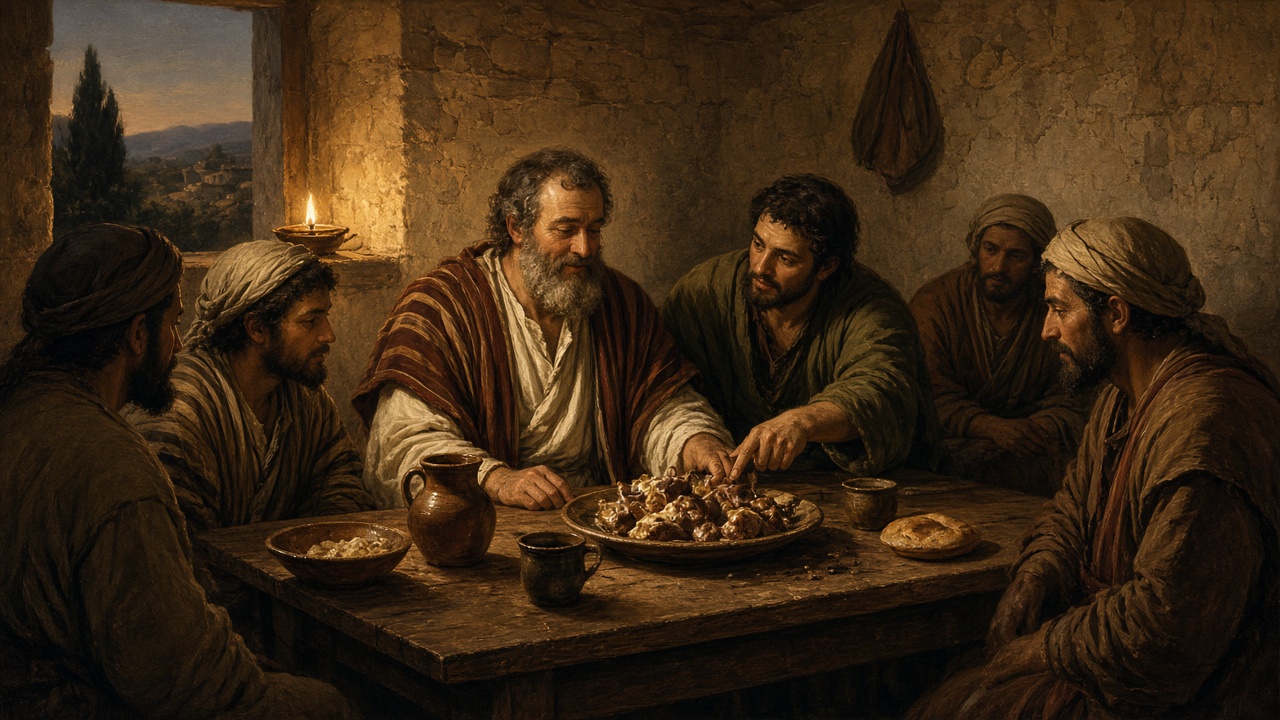
Did you know?
Wilderness Warnings and the Lord's Table
- Paul says he does not want the Corinthians unaware that the forefathers were all under the cloud and all passed through the sea, and that they were baptized into Moses in the cloud and in the sea. They all ate the same spiritual food and drank the same spiritual drink from the spiritual rock that accompanied them, and he says that rock was Christ.Sources: the Bible text itself
- Paul says God was not pleased with most of them, for they were struck down in the wilderness. He lists idolatry, sexual immorality in which twenty-three thousand died in one day, testing Christ, which brought death by snakes, and complaining, punished by the destroying angel, and calls these events examples written down as warnings.Sources: the Bible text itself
- He calls the cup of blessing and the bread that is broken a participation in the blood and body of Christ, and says pagan sacrifices are offered to demons, not to God, so the two tables cannot be shared. Food sold in the meat market may be eaten without raising questions of conscience, for "The earth is the Lord's, and the fullness thereof," but if someone says it was offered to idols, it should be refused for that person's conscience.Sources: the Bible text itself
Notes written with AI assistance from open sources (Theographic Bible Metadata, CC BY-SA 4.0; Easton’s Bible Dictionary, public domain) and reviewed before publishing.
Credits and license for this translation
Cohamacʉ Yare Yahari Tjuel
New Testament in Guanano
copyright © 2007 Wycliffe Bible Translators, Inc.
Language: Guanano
Translation by: Wycliffe Bible Translators, Inc.
Copyright Information
© 2007, Bible League International. All rights reserved.
This translation text is made available to you under the
terms of the Creative Commons License: Attribution-Noncommercial-No Derivative Works.
( http://creativecommons.org/licenses/by-nc-nd/3.0/ )
In addition, you have permission to port the text to different file formats, as long as you
do not change any of the text or punctuation of the Bible.
You may share, copy, distribute, transmit, and extract portions
or quotations from this work, provided that you include the above copyright
information:
You must give Attribution to the work.
You do not sell this work for a profit.
You do not make any derivative works that change any of the actual words or punctuation of the Scriptures.
Permissions beyond the scope of this license may be
available if you contact
us with your request.
The New Testament
in Guanano
© 2007, Wycliffe Bible Translators, Inc. All rights reserved.
This translation is made available to you under the terms of the
Creative Commons Attribution-Noncommercial-No Derivatives license 4.0.
You may share and redistribute this Bible translation or extracts from it in any format, provided that:
You include the above copyright and source information.
You do not sell this work for a profit.
You do not change any of the words or punctuation of the Scriptures.
Pictures included with Scriptures and other documents on this site are licensed just for use with those Scriptures and documents.
For other uses, please contact the respective copyright owners.
2014-08-06
Source: http://ebible.org/gvc/ · eBible.org