Mark 1
Kuninjku Selections · Tap a verse to see its cross-references.
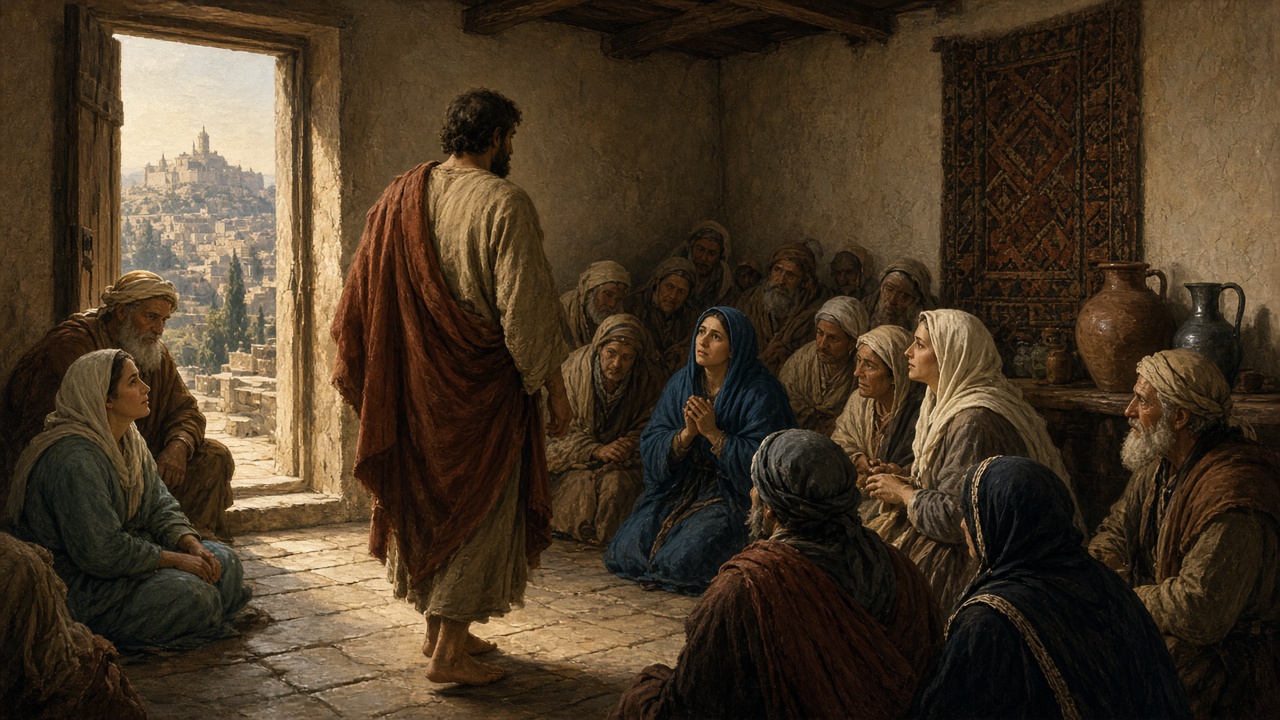
About this book
About Mark
- Easton's Bible Dictionary (1897) identifies the evangelist as John, whose surname was Mark. Mark, or Marcus, was his Roman name and gradually replaced the Jewish name John. He was the son of Mary, a woman of some means and influence, was probably born in Jerusalem, where she lived, and was a cousin of Barnabas; of his father, the entry says, nothing is known.Sources: Easton: Mark
- Easton's Bible Dictionary (1897) does not give a date for the Gospel. It places Mark with Paul and Barnabas on their first journey about A.D. 47 as their attendant, called their minister; he turned back at Perga in Pamphylia, and about three years later Paul refused to take him, which caused a sharp contention with Barnabas. The entry says he was later reconciled, was with Paul during his first imprisonment in Rome, then with Peter in Babylon—at that time and for some centuries afterward one of the chief seats of Jewish learning—and with Timothy in Ephesus.Sources: Easton: Mark
- Under the Romans in the time of Christ, Judea was the southernmost of the three divisions of Palestine and part of the province of Syria, though the name was sometimes used for Palestine as a whole. Pontius Pilate, the sixth procurator of Judea (A.D. 26–36), had his headquarters at Caesarea but often went up to Jerusalem; his rule covered the ministries of John the Baptist and of Jesus.Sources: Judea · Pontius Pilate
- The Jews called the region Galil; because its original inhabitants remained there a long time, it was also called Galilee of the Gentiles, and Upper Galilee was distinguished from Lower Galilee to the south. Simon Peter, of Bethsaida on the western coast of the Sea of Galilee, was trained as a fisher, and James and John, sons of Zebedee, also worked as fishermen on that lake.Sources: Galilee · Simon Peter · James (Son of Zebedee) · John the Apostle
- Easton considers it probable that Mark was converted by Peter in his mother's house in Jerusalem, where Peter, released from prison, found many gathered in prayer, and notes that Peter calls him his son. The same entry also thinks it probable that the young man mentioned in Mark 14:51–52 was Mark himself.Sources: Easton: Mark
Notes written with AI assistance from open sources (Theographic Bible Metadata, CC BY-SA 4.0; Easton’s Bible Dictionary, public domain) and reviewed before publishing.
Djon [John] bi‑yingkih‑marne‑bolh‑marnbom manbolh nuye Jesus.
1Mane kunwok manmak. Kabi‑yolyolme Jesus Christ[1], nawu beywurd nuye Kod. [1] “Christ” – mane kunngey kayime “Nawu Ngabbard Bi‑munkeweng”
2Kune wanjh yingkih‑karremarnbom kure nakare Isaya [Isaiah] bimbom, bi‑wok‑mulewam bu kunyungki, bu yimeng, “Nungan Kod yimeng, “Kan‑bekka! Ngayi nga‑munkewe bininj nawu ngan‑marne‑wokdi ngayi ngardduk, ka‑yingkih‑bolh‑marnbun manbolh‑kenh. 3Kure kubolk‑mudjmudj nane bininj kah‑kayhme kah‑yime, “Manbolh ngurri‑marnbu nuye nawu Kaworhnan Rowk! Karri‑marnbu manbolh mandjad nuye!”
4Nungka Djon [John] ben‑kodj‑djuhkeng bininj, bebmeng kure kubolk‑mudjmudj, ben‑marne‑mulewam ben‑marneyimeng kure bininj birriwern, “Ngurri‑borledmen nuye nawu Kaworhnan. Ngurri‑bawo kunwarre, Kod ngun‑bengdubberranj ngudberre, bu ngurri‑kodj‑djuhmen.
5Wanjh kure kunred ngalengarre Djerusalem [Jerusalem] mak kubolk‑warlah Djudeya [Judea] birriwern bininj birrim‑wam bu birri‑yikang Djon. Wanjh kumekke birri‑warnyak‑mulewarrinj kunwarre bedberre, Djon ben‑kodj‑djuhkeng kure mankabo Djordan [Jordan]. 6Djon djongburrinj kunmadj nawu marnbom kure kunmarre mayh nuye nawu kamel [camel]. Mak nawu kunngardmokenh kulahno mayh marnbom dukkarrinj, mak nguneng djaddedde mak mankung.
7Djon yolyolmeng bedberre yimeng mane kunwok, “Nakudji bininj kam‑re nawu wernh‑ngudj‑kimuk duninjh ngan‑yurrhke ngayi. Ngayi minj ngamak ba nga‑boddan nga‑rrenge‑yerrkke nawu kah‑denge‑djongburren nuye. 8Ngayi kodj‑djuhke ngudberre kure kunronj, nungka ngun‑kodj‑djuhke ngudberre kure Nawaralmakkaykenh.”
Nawral Makkaykenh Kam‑koluy kure Jesus
9Wanjh kunekke rerrih Jesus bolk‑bawong Nazared kure Kalili wam kure Djon ningih‑ni, wanjh kumekke Djon bi‑djuhkeng Jesus kure mankabo kabo‑ngeyyo Djordan. 10Jesus bidbom kure kuronj‑beh, worhnang kaddum nang dangmarrhmiwam, Nawaralmakkaykenh yiman marlum kamh‑koluy kure nungka dingih‑di. 11Wanjh kam‑wokdi kure kaddum‑beh, yimeng, “Ngudda beywurd nardduk. Ngayi wanjh nga‑djurrkwon nguddangke.”
12Kunekke rerrih Nawaralmakkaykenh bi‑kang Jesus kure bi‑munkeweng kubolk‑mudjmudj. 13Kure kumekke kubolk‑mudjmudj Jesus ni kunkodjdje kunwern 40, kumekke birrih‑ni mayh nawu birribang. Kure kubolk‑mudjmudj ningih‑ni Jesus, Naderr Satan wanjh bi‑djurrk‑kang. Kumekke andjels birri‑marne‑bebmeng birri‑bidyikarrmeng Jesus.
Jesus yolyolmeng kunwok bu bi‑mulewam Ngabbard
14Wanjh bininj birri‑kang Djon kure kururrk birri‑dangbalhmeng. Wanjh Jesus wanahwam kure Kalili mulewam manmak kunwok nuye Ngabbard. 15Wanjh ben‑marneyimeng, “Kune wanjh darnkih kah‑yimerranj kamh‑re Kod nawu Kaworhnan Rowk. Ngurri‑borledmen, ngurri‑bawo kunwarre, ngurri‑woybukwo manmak kunwok.”
Jesus ben‑kayhmeng birri‑buyika bininj nawu birrih‑mey djenj.
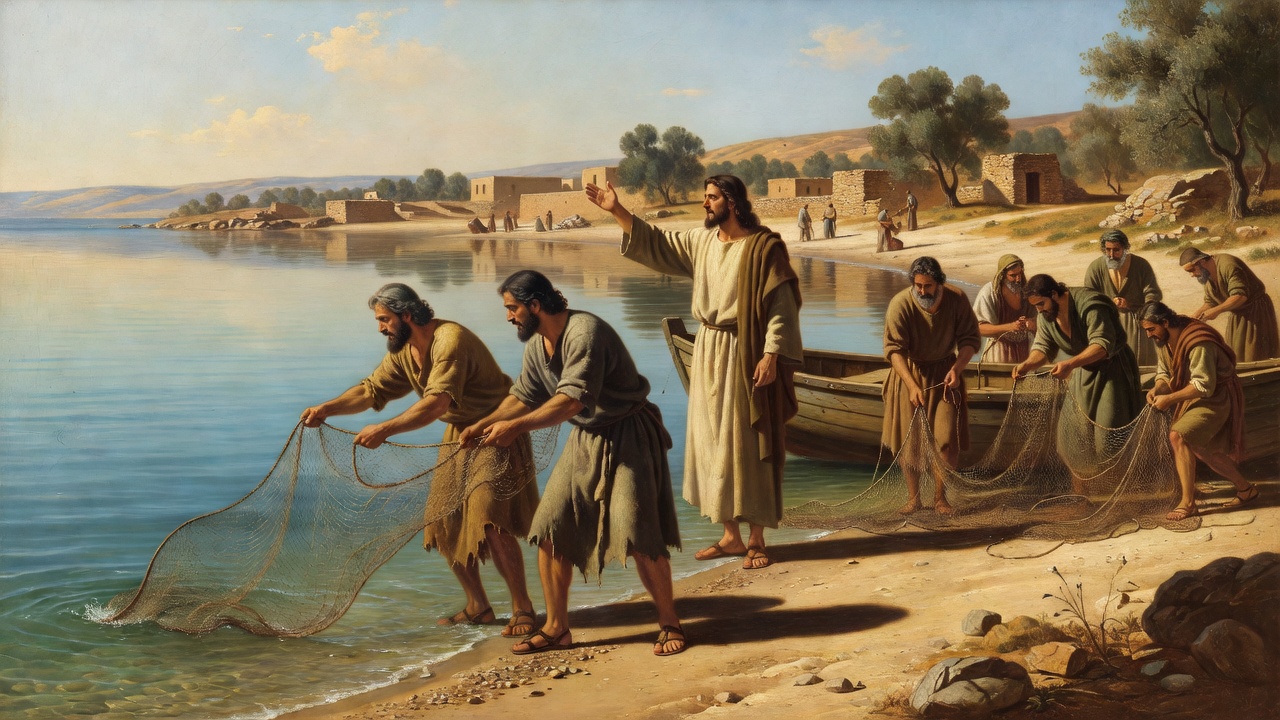
16Jesus wanah‑wam kure manwern mankabo‑kimuk kabo‑ngeyyo Kalili [Galilee], wanjh woh‑nang ben‑nang Saymon, Andru [Andrew] nawu bene‑danginj. Beneh‑weng warrkaridj kure kubuldjdjarn, djenj beneh‑mey. Bedda bene‑durrkmirri bu beneh‑mey djenj.
17Wanjh bu Jesus ben‑marneyimeng berrewoneng, “Ngunem‑ray ngayi kandi‑kaydju, bu bukkan ngurrewoneng ngurrben‑mang bininj.” 18Wanjh kunekke rerrih Saymon, Andru bene‑bawong warrkaridj berrewoneng manbu djenj beneh‑mey wanjh bene‑munkekadjuy Jesus.
19Jesus wanah‑wam minj djarreh‑niwirrinj ben‑yawoyh‑nang bene‑buyika bininj, bene‑ngeyyoy Djayms [James], Djon [John] nawu bebeywurd nuye Zebedi [Zebedee]. Bedda kure bene‑barndi kabbala bene‑marnbom berrewoneng warrkaridj. 20Mak kornkumo berrewoneng nawu Zebedi nawu birrih‑djarrk‑durrkmirri nuye kumekke birrih‑barndi kure kabbala bebeywurd nuye Zebedi.
Kunekke rerrih Jesus ben‑kayhmeng benemekke nawu bene‑danginj, wanjh rerre bindi‑bawong birri‑buyika kornkumo dorrengh, wanjh bene‑munkekadjuy Jesus.
Jesus weng nawarre
21Jesus birri‑wam nuye bininj kure kabolk‑ngeyyo Kabernayum [Capernaum]. Kunekke wanjh benbekad yimerranj Sabbad [Sabbath], Jesus wam ngimeng kure kururrk kure yiwarrudj birri‑di Sinakok [Synagogue], kumekke durrkmirri ben‑bukkang birrimekke bininj.
22Birri‑wern bininj birri‑kangebarrhmeng birri‑bekkang kunwok, ben‑bukkang kunmurrngrayek kunwok nuye Ngabbard, minj ka‑rohrok nawu bininj mankarre kure kabindi‑bukkan.
23Kumekke Jesus ningih‑ni, nakudji bininj di kure kururrk yiwarrudj, nungka karrmeng nawarre. Wanjh namekke nawarre kayhmeng, yimeng, 24“Jesus kure Nadared‑beh [Nazareth‑beh], yey! Ngudda njale yi‑djare? Yiddok ngudda yim‑wam kan‑bun ngadberre? Ngayi bengkan ngudda, ngudda Kod nuye yi‑kukdjamun.”
25Wanjh Jesus bi‑marneyimeng bi‑wok‑rayek‑wong, “Yi‑ngurdmen. Yi‑bebmen, yi‑bawo nakkan bininj!”
26Nawarre bi‑marnbom namekke bininj deldelmeng kunkimuk duninjh. Kumekke rerre nawarre bi‑kayhmeng wernkih, wanjh bebmeng, wam, bi‑bawong bininj.
27Kaluk birriwern bininj birri‑nang birri‑kange‑barrhmeng. Wanjh birri‑djawarrinj bu birri‑marneyimerrinj, “Kaluk baleh kune kukyimerranj? Nane bininj kah‑yolyolme mankarre‑kerrnge, mak kah‑yolyolme yiman ka‑yime nawu ka‑worhnan duninjh. Nungka kaben‑marneyime nawu na‑warre kunwaral nawern, kaben‑kundjibun.”
28Manekke kunwok wernminj kure kubolk‑warlah Kalili Jesus nuye.
Jesus ben‑marnbom birri‑wern bininj
29Jesus birri‑wam nuye bininj benemekke Djayms [James], Djon [John] birri‑djarrk‑wam birri‑bolkbawong kururrk ngalengarre kure yiwarrudj birri‑di. Wanjh birri‑wam kure Saymon [Simon], Andru [Andrew] berrewoneng kured. 30Ngalu Saymon nuye ngal‑binjbalak yoy doweh‑doweng karrmeng kundjak. Wanjh bininj nawu kumekke birrih‑ni birri‑marneyimeng Jesus ngaleng‑kenh.
31Wanjh Jesus bi‑yikang kure ngaleng yongohyoy. Wanjh bi‑bidkarrmeng bi‑rrolkkayhweng. Kumekke rerrih kundjak bi‑bawong, wanjh ngaleng makminj. Wanjh ngaleng wam kinjeng manme ben‑wong birri‑nguneng.
32Bu ngokdanj‑ngokdanj mununminj, birri‑wern bininj bindim‑kang nawu kundjak birri‑karrmeng, bindim‑kang kure Jesus. Mak nawu wayarra birri‑karrmeng, nakka mak bindim‑kang kure Jesus. 33Wanjh kumekke kunred kure birrih‑ni birri‑kaberrk‑raworrinj birrih‑ni kure kurrambalk kure kururrk.
34Wanjh kumekke Jesus ben‑marnbom birri‑wern nawu mankukbuyika kundjak birri‑karrmeng. Mak ben‑bebkeng wayarra nawu birrikukbuyika bindi‑karrmeng birri‑wern. Kaluk wayarra birrikuk‑bengkang Jesus, wanjh kunekke‑kenh Jesus ben‑ngurdkeng birrimekke wayarra.
Jesus dingih‑di yiwarrudj kure kubolk‑mudjmudj
35Bu kunkodjdje‑buyika kamh‑kabelni, Jesus dolkkang kukak rerrih, wanjh bolk‑bawong kure yongohyoy. Wam bolk‑ngalkeng kure minj bininj birri‑niwirrinj, wanjh yiwarrudj di. 36Wanjh rerre, Saymon bedda birri‑wam birri‑yawam Jesus.
37Kaluk bu birri‑ngalkeng wanjh birri‑marneyimeng, “Birri‑wern bininj ngundih‑yawan!” 38Wanjh Jesus yimeng, “Ngad wanjh karri‑re kubolk‑bubuyika. Karri‑re darnkih kure ka‑rurrk‑kaberrkdi ba nga‑yolyolme bedberre bininj. Kunekke‑kenh ngam‑wam.”
39Wanjh birri‑djarrk‑wam kure ku‑yaw‑bolkkimuk kunred ngalengarre Kalili. Nungka yolyolmeng kure kunrurrk nuye yiwarrudj‑kenh, nungka ben‑bebkeng bedberre nawu nawarre birri‑karrmeng.
Jesus bi‑marnbom bininj nawu kulah‑warreni
40Nakudji bininj kundjak karrmeng. Kaluk kulah‑mokni, wanjh bim‑yikang Jesus, kam‑wam bard‑durrungkulhdanj, wanjh bi‑marne‑kongiburrinj Jesus bu yimeng, “Nga‑djare kan‑marnbu kan‑djirridjbu. Nga‑bengkan ngudda yi‑karrme kunngudj.”
41Wanjh Jesus bi‑kongibom namekke bininj. Bid‑yirriyoy Jesus, bi‑karrmeng bu yimeng, “Ngayi nga‑djare marnbun. Wanjh yi‑makmen.” 42Wanjh kun‑djal‑kudji rerrih manekke kundjak bi‑bawong namekke bininj, wanjh kulah‑makminj.
43Wanjh Jesus bi‑marneyimeng namekke bininj bu ka‑re werrk, wanjh bi‑wok‑rayek‑wong bi‑marneyimeng, 44“Minj nangale yi‑marne‑mulewan bu kune nga‑rrurrkmirri ke. Yi‑djalay yingan kure djungkay yi‑kuk‑bukkarren. Kod Ngabbard bi‑wong Moses kure mankarre. Kaben‑bukkan bininj kure ngayi belewo.”
45Wanjh bonj, namekke bininj bolk‑bawong kumekke, wanjh wam. Ben‑marne‑yolyolmeng birri‑wern bininj bu Jesus bi‑marnbom. Jesus minj rayinj kure birri‑kaberrkdi. Wanjh djalwah‑djalwam kure kunred minj nangale niwirrinj. Birri‑wern bininj birri‑yorrmeng birri‑kang kubolk‑bubuyika birri‑bebmeng kure nungka ningih‑ni.
Did you know?
The gospel begins by the Jordan and in Galilee
- John, who appears in the wilderness preaching a baptism of repentance, was of priestly descent. His father Zacharias was a priest of the course of Abia, and his mother Elisabeth was of the daughters of Aaron; his birth is said to have taken place six months before that of Jesus. His mission is described as the subject of prophecy in Isaiah and Malachi.Sources: John the Baptist · the Bible text itself
- Simon and his brother Andrew were fishermen from Bethsaida, on the western coast of the Sea of Galilee. Andrew had been a disciple of John the Baptist and had already brought Simon to Jesus; the brothers kept working as fishermen until after John's imprisonment. James and John were sons of Zebedee, a Galilean fisherman of some position in Capernaum who had hired servants of his own; they left him in the boat with those men.Sources: Simon Peter · Andrew · Zebedee · the Bible text itself
- The Sea of Galilee, also called the Sea of Tiberias, is about twelve and a half miles long and from four to seven and a half miles wide, and its surface lies 682 feet below the Mediterranean. Jesus came to be baptized from Nazareth in Galilee, a town not mentioned in the Old Testament and the home of Joseph and Mary. Under the Romans, Judea was the southernmost of the three divisions of Palestine, and people went out to John from Jerusalem and the countryside of Judea.Sources: Sea of Galilee · Nazareth · Judea · the Bible text itself
Notes written with AI assistance from open sources (Theographic Bible Metadata, CC BY-SA 4.0; Easton’s Bible Dictionary, public domain) and reviewed before publishing.
Places in this chapter
- Jerusalem · 31.777, 35.234 · verse 5
- Jordan · Today: Jordan River · 31.761, 35.558 · verses 5, 9
- Judea · Today: Judea 1 · 31.777, 35.234 · verse 5
- Galilee · 32.760, 35.527 · verses 9, 14, 28, 39
- Nazareth · 32.702, 35.298 · verses 9, 24
- Sea of Galilee · 32.819, 35.590 · verse 16
Only places identified with high confidence are shown (90% or more according to the scholarly sources compiled by OpenBible). Period map: DARE (Digital Atlas of the Roman Empire), CC BY 4.0; modern map: © OpenStreetMap contributors; places: OpenBible.info (CC BY 4.0).
Credits and license for this translation
Kuninjku Selections
Scripture portions in the Kuninjku language of Australia
copyright © 2021-2026 Wycliffe Bible Translators, Inc.
Language: Kuninjku (Kunwinjku)
This translation is made available to you under the terms of the
Creative Commons Attribution-Noncommercial-No Derivatives license 4.0.
You may share and redistribute this Bible translation or extracts from it in any format, provided that:
You include the above copyright and source information.
You do not sell this work for a profit.
You do not change any of the words or punctuation of the Scriptures.
Pictures included with Scriptures and other documents on this site are licensed just for use with those Scriptures and documents.
For other uses, please contact the respective copyright owners.
2026-09-09
Source: http://ebible.org/gupk/ · eBible.org