Leviticus 11
Nhanderuete ayvu iky'a e'ỹ va'e · Tap a verse to see its cross-references.
1Senhor ijayvu Moisés ha'e Arão pe. Ha'e vy aipoe'i:
2— Aipopeje Israel kuery pe: Yvy re mymba ipy irundy va'e ikuai va'e gui ma pova'e anho 'rã pe'u:
3Ipyapẽ mbyte rupi ja'o va'e ha'e oixu'u jevy va'e ha'e javi ma ha'eve 'rã mymba ikuai va'e gui pe'u aguã.
4Ha'e rã pova'e nunga ma ndape'ui 'rã: oixu'u jevy va'e rive, ha'e e'ỹ vy ipyapẽ ja'o va'e'ỹ rive. Camelo ma oixu'u jevy va'eri ipyapẽ ja'o va'e'ỹ. Ha'e nunga ma ha'eve'ỹ va'e pendevy.
5Arganaz ma oixu'u jevy avi va'eri ipyapẽ ja'o va'e'ỹ. Ha'e nunga ma pendevy ha'eve'ỹ va'e.
6Tapixi ma oixu'u jevy va'eri ipyapẽ ja'o va'e'ỹ. Ha'e nunga pendevy ha'eve'ỹ va'e.
7Poryko ma ipyapẽ ja'o va'eri oixu'u jevy va'e'ỹ. Ha'e va'e ma pendevy ha'eve'ỹ va'e.
8Ha'e nunga ro'okue ma ndape'ui 'rã, neĩ he'õgue re ma voi ndapepokoi 'rã, pendevy ha'eve'ỹ va'e ramo.
9— Ha'e gui yy rupi ikuai va'e regua ma pova'e pe'u 'rã: ye'ẽ ha'e yakã rupi ipepo ha'e ipekue va'e ma pe'u 'rã.
10Ha'e rã ipepo e'ỹ va'e, e'ỹ vy ipekue e'ỹ va'e ma nda'evei: ye'ẽ rupi, yakã, yy rupi onhemboaty okuapy, yy rupi temimoingo ikuai va'e tema nda'evei, ha'eve'ỹ va'e pendevy.
11Pendevy ha'eve'ỹ va'e ramo ma ho'okue ndape'ui 'rã, he'õgue voi ha'eve'ỹ va'e.
12Yy rupigua ipepo e'ỹ va'e, e'ỹ vy ipekue e'ỹ va'e ma pendevy ha'eve'ỹ va'e meme.
13— Guyra oveve va'e regua ha'eve'ỹ va'e ma pova'e regua ro'o ndape'ui 'rã, ojeguarupy ramo: taguato xiĩ, xapirẽ ha'e taguato ye'ẽ rupigua gui;
14milhano, falção ha'e hexegua va'e ma guive rã;
15xapirẽ regua ha'e javi, ha'e hexegua va'e ma guive rã;
16avestruz, urukure'a, gaivota, taguato, ha'e hexegua va'e ma guive rã;
17mocho, xapirẽ ye'ẽ rupigua, íbis,
18aka'ẽ, pelicano, abutre,
19cegonha, garça ha'e hexegua va'e ma guive rã, poupa ha'e mbopi.
20— Ha'e gui omyĩ'i va'e oveve'i ha'e ipy irundy'i va'e regua ma guive rã ha'eve'ỹ va'e pendevy.
21Ha'e rã omyĩ'i ha'e oveve'i va'e, opy irundy re oguata va'e regua yvy áry rupi opo aguã hetyma mbukuve va'e ma pe'u 'rã.
22Ha'e va'e regua pe'u va'erã ma pova'e: locusta ha'e hexegua va'e ma guive rã, tuku-karu ha'e hexegua va'e ma guive rã, kyju ha'e hexegua va'e ma guive rã, ha'e tuku hexegua va'e ma guive rã.
23Ha'e gui amboae oveve'i va'e ha'e omyĩ'i va'e opy irundy re oguata va'e ma ha'eve'ỹ va'erã meme pendevy.
24— Pova'e nunga re'õgue ma penemongy'aarã ramo amongue va'e rei hexe opoko va'ekue ma ha'eve'ỹ va'e 'rã oiko ka'aru peve.
25He'õgue reraare ma ojoi 'rã oao, ha'e rami teĩ ha'eve'ỹ va'e 'rã oiko ka'aru peve.
26Mymba ipyapẽ ja'o va'eri mbyte rupi e'ỹ oja'o va'e, ha'e oixu'u jevy va'e'ỹ ma pendevy ha'eve'ỹ va'e meme. Ha'e nunga re opoko va'e rei ma ha'eve'ỹ va'e avi 'rã oiko.
27Mymba ipy irundy va'eri opy mbyte re oguata va'e ma pendevy ha'eve'ỹ va'e meme. He'õgue re opoko va'e ma guive rã ha'eve'ỹ va'e 'rã oiko ka'aru peve.
28He'õgue reraare voi ojoi 'rã oao, ha'e ha'eve'ỹ va'e oiko 'rã ka'aru peve. Ha'e nunga ha'e javi ma ha'eve'ỹ va'e pendevy.
29— Ha'e gui yvy jave re temimoingo ikuai va'e-va'e regua ma pova'e nunga ha'eve'ỹ va'e 'rã: doninha, anguja, teju ha'e hexegua va'e ma guive rã,
30ha'e geco, jakare yvy re ikuai va'e, tejuro, teju ye'ẽ yvýrygua ha'e camaleão.
31Ha'e gui temimoingo ikuai va'e ha'e javi gui ma ha'e nunga pendevy ha'eve'ỹ va'e meme 'rã. He'õgue re opoko va'ekue ma oiko 'rã ha'eve'ỹ va'e ka'aru peve.
32Ha'e mba'emo áry ha'e nunga re'õgue ho'a ramo voi ha'eve'ỹ va'e 'rã, mba'emo ryru yvyra guigua mba'e, ao, ipire, voxa, e'ỹ vy tembiporu mba'emo jajapoa va'e rei, ha'e nunga nhamoĩ 'rã yy py, ka'aru peve 'rã opyta ha'eve'ỹ va'e. Ha'e ramo ma ha'eve va'e ju 'rã opyta.
33Ha'e gui mba'emo ryru nhae'ũ guigua py ri ha'e nunga ho'a ramo ma ha'e py omboyru pyre ha'e javi ha'eve'ỹ va'e 'rã opyta. Hyru voi pembovo 'rã.
34Ha'e va'e py tembi'u yy reve ojy va'ekue ma ha'eve'ỹ va'e meme 'rã opyta. Hykue va'e jay'u va'erã omboyru pyre ma ha'eve'ỹ va'e meme avi 'rã.
35Ha'e mba'emo áry rei he'õgue ho'a ramo opyta 'rã ha'eve'ỹ va'e: tatakua, e'ỹ vy tata rupa yapo guigua áry ho'a ramo pembovopa 'rã, ha'eve'ỹ va'e ma opyta ramo, ha'e nunga rupi ha'eve'ỹ va'ea peikuaa aguã.
36Ha'e rã yvu, e'ỹ vy yy omboty pyre py ri ho'a ramo ma ha'eve va'e 'rã opyta. Ha'e rã yy py omano va'ekue re opoko va'ekue ma ha'eve'ỹ va'e 'rã opyta.
37Xapy'a rei mba'emo ra'yĩgue onhotỹ mbyrã va'e áry ri he'õgue ho'a ramo ma opyta 'rã ha'eve va'e.
38Ha'e rã xapy'a rei amongue ha'yĩgue yy py omoakỹ va'ekue áry mba'emo re'õgue ho'a ramo ma ha'eve'ỹ va'e 'rã opyta pendevy.
39— Xapy'a rei mymba pe'u aguã ha'eve va'e omano ramo he'õgue re amongue opoko ri vy opyta 'rã ha'eve'ỹ va'e ka'aru peve.
40He'õgue regua ho'u va'ekue ma ojoi 'rã oao, ha'e ka'aru peve 'rã oiko ha'eve'ỹ va'e. He'õgue reraare voi ojoi 'rã oao, ha'e oiko 'rã ha'eve'ỹ va'e ka'aru peve.
41— Opa marãgua temimoingo yvy rupi omyĩ okuapy va'e ma pe'u aguã ha'eve'ỹ va'e meme. Ha'e nunga ma pe'u va'erã e'ỹ.
42Opa marãgua temimoingo yvy rupi omyĩ okuapy va'e guye re oguata va'e, opy irundy re oguata va'e, e'ỹ vy ipy reta va'e ma nda'evei 'rã pe'u aguã, ha'eve'ỹ va'e ramo.
43Ha'eve'ỹ va'e penhemoingo eme ha'e va'e regua temimoingo yvy rupi omyĩ okuapy va'e pe'ua py, penhemongy'a eme ha'e va'e regua gui, ha'eve'ỹ va'e peiko e'ỹ aguã.
44Xee ma Senhor Penderuete. Ha'e nunga rupi peẽ voi pejeky'a'o iky'a e'ỹ va'e peiko aguã, mba'eta xee ma iky'a e'ỹ va'e. Penhemongy'a eme temimoingo kuery yvy rupi onhembotyryry va'e gui.
45Xee Senhor ae Egito yvy gui penenoẽmba va'ekue, Penderuete aiko aguã. Ha'e nunga rupi iky'a e'ỹ va'e 'rã peiko, mba'eta xee ma iky'a e'ỹ va'e.
46— Ha'e va'e lei ma mymba kuery, guyra oveve va'e, yy rupi omyĩ va'e, ha'e temimoingo yvy re ikuai va'e ha'e javi regua,
47peikuaa aguã ha'eve va'e ha'e ha'eve'ỹ va'e reve joo rami e'ỹa, ha'e mymba pe'u aguã ha'eve va'e ha'e ha'eve'ỹ va'e voi.
Did you know?
Clean and Unclean Animals
- The dietary laws of Leviticus establish clear dual criteria for land and aquatic animals: land creatures had to both chew the cud and possess fully divided hooves to be eaten, while water creatures required both fins and scales.Sources: the Bible text itself
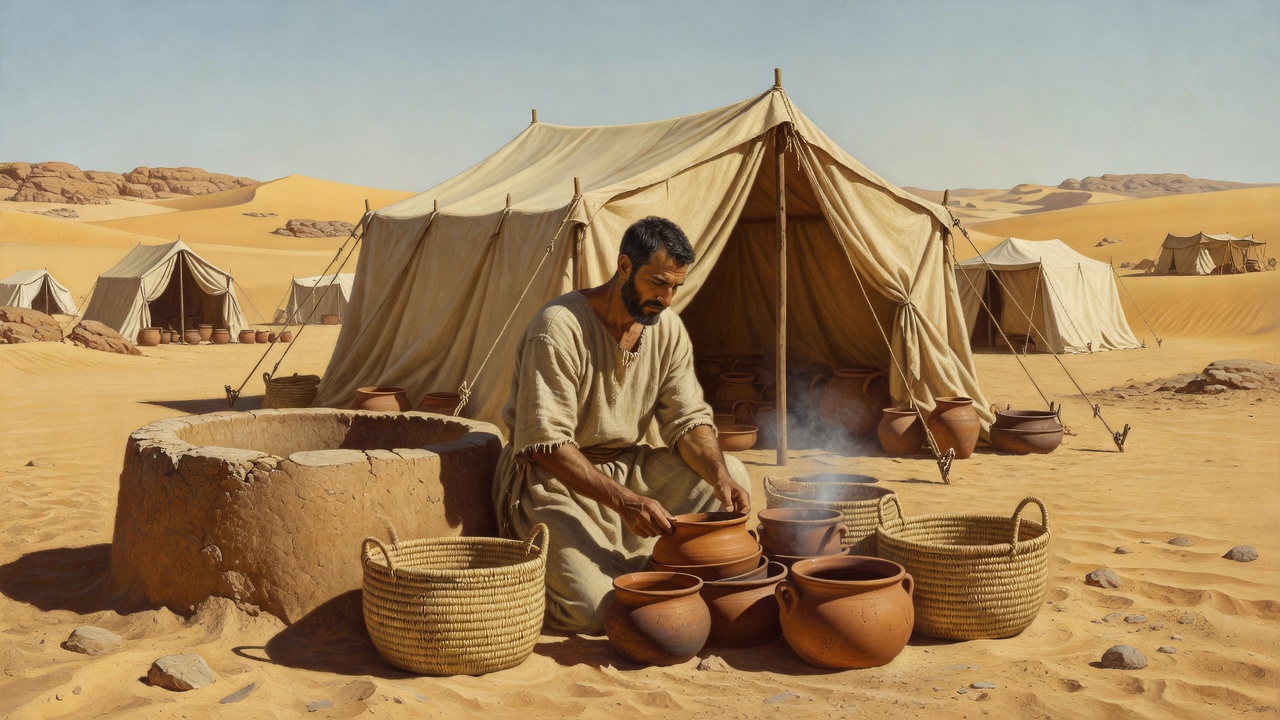
- Purity laws extended to household items: porous clay pots and ovens contaminated by the carcass of an unclean crawling creature could not be washed like wooden or cloth items, but had to be smashed entirely.Sources: the Bible text itself
- The stated theological purpose for distinguishing between clean and unclean creatures was Israel's consecration to God, who delivered them from Egypt and called them to be holy because He is holy.Sources: the Bible text itself · Egypt
Notes written with AI assistance from open sources (Theographic Bible Metadata, CC BY-SA 4.0; Easton’s Bible Dictionary, public domain) and reviewed before publishing.
Places in this chapter
- Egypt · 30.129, 31.308 · verse 45
Only places identified with high confidence are shown (90% or more according to the scholarly sources compiled by OpenBible). Period map: DARE (Digital Atlas of the Roman Empire), CC BY 4.0; modern map: © OpenStreetMap contributors; places: OpenBible.info (CC BY 4.0).
Credits and license for this translation
Nhanderuete ayvu iky'a e'ỹ va'e
New Testament in Guaraní, Mbyá
copyright © 2004 Wycliffe Bible Translators, Inc.
Language: Mbyá Guaraní (Guaraní, Mbyá)
Translation by: Wycliffe Bible Translators, Inc.
Copyright Information
© 2004, Wycliffe Bible Translators, Inc. All rights reserved.
This translation text is made available to you under the
terms of the Creative Commons License: Attribution-Noncommercial-No Derivative Works.
( http://creativecommons.org/licenses/by-nc-nd/3.0/ )
In addition, you have permission to port the text to different file formats, as long as you
do not change any of the text or punctuation of the Bible.
You may share, copy, distribute, transmit, and extract portions
or quotations from this work, provided that you include the above copyright
information:
You must give Attribution to the work.
You do not sell this work for a profit.
You do not make any derivative works that change any of the actual words or punctuation of the Scriptures.
Permissions beyond the scope of this license may be
available if you contact
us with your request.
Printed book ISBN 853110565X
The New Testament
in Guaraní, Mbyá
© 2004, Wycliffe Bible Translators, Inc. All rights reserved.
This translation is made available to you under the terms of the
Creative Commons Attribution-Noncommercial-No Derivatives license 4.0.
You may share and redistribute this Bible translation or extracts from it in any format, provided that:
You include the above copyright and source information.
You do not sell this work for a profit.
You do not change any of the words or punctuation of the Scriptures.
Pictures included with Scriptures and other documents on this site are licensed just for use with those Scriptures and documents.
For other uses, please contact the respective copyright owners.
2014-08-06
Source: http://ebible.org/gun/ · eBible.org