Jeremiah 16
Nhanderuete ayvu iky'a e'ỹ va'e · Tap a verse to see its cross-references.
Profeta ha'e ae'i oiko aguã re ijayvuague, heta va'e kuery oikuaa aguã
1Ha'e gui Senhor oayvu ombou ju xevy. Ha'e vy aipoe'i:
2“Ejou eme ndera'yxyrã, ndera'y ha'e nderajy e'ỹ aguã kova'e tekoa py”, he'i.
3Mba'eta po rami Senhor ijayvu kova'e tekoa py ta'y ha'e tajy kuery itui'i va'erã rekorã re, tuu ha'e ixy kuery rekorã re guive. Ha'e vy aipoe'i:
4“Ha'e kuery omano 'rã mba'eaxy gui teĩ ndojae'oai 'rã, nonhono porãai 'rã guive. Yvy irũrã rive 'rã opyta. Kyxe ha'e karuai py 'rã omano, ha'e he'õgue opyta 'rã guyra yvate rupi oveve va'e ha'e mymba yvy rupigua rembi'urã.”
5Mba'eta po rami Senhor ijayvu: “Eike eme omanogue re ojae'o okuapya py, ndepy'a vai eme, eronhemboaxy eme guive, mba'eta ha'e kuery gui aipe'a ma mby'a porã, ayvua ha'e amboaxya rupi aiko aguã”, he'i Senhor.
6“Mba'eta kova'e yvy re omano 'rã yvatekueve ha'e yvyĩgueve. Ha'e va'e kuery ma ndojatyai 'rã, ndojae'oai 'rã, ha'e kuery re ipy'a vaia rupi nonhekyxĩmba reiai 'rã, neĩ oakã nonhopĩai 'rã guive.
7Ojae'o va'e kuery pe ma nome'ẽavei 'rã mbojape omanogue re ombopy'a porã ju aguã, neĩ peteĩve karo yy nome'ẽai 'rã opo'o aguã regua, tuu e'ỹ vy ixy omano rire teĩ.
8Eike eme oo ngaru oikoa py, ha'e kuery reve reguapy vy rekaru ha'e rey'u e'ỹ aguã.”
9Mba'eta Senhor ixondaro reta va'e, Israel kuery Ruete aipoe'i: “Ne'exa, peikove teri reve, ha'e pexaa py ae amombytu'u 'rã pevy'aa kova'e tekoa gui, peporaeia, ha'e omenda va'erã oguerovy'aa rupi oporaeia guive.
10“Neretarã kuery pe remombe'u 'rã pova'e ayvu ha'e javi. Ha'e ramo ha'e kuery oporandu 'rã: ‘Mba'e re tu Senhor ha'e rami ete oremongyje nda'evei ete va'e py? Mba'e nunga py tu orereko vai ha'e rojejavy Senhor Nhanderuete rovai?’ he'i 'rã ndevy.
11Ha'e ramo ndee rembovai 'rã: ‘Mba'eta peneramoĩ kuery xerejapa’, he'i Senhor. ‘Ha'e rami vy oje'oi amboae ramigua tuuete kuery re rive, ha'e kuery pe ju ikuai vy ombojerovia aguã. Ha'e rã xee ma xerejapa okuapy, xeguigua lei rami voi nda'ikuaixei raka'e.
12Ha'e gui peẽ kuery ma peneramoĩ kuery ikuaiague gui pendereko vaive ju, mba'eta peneakã ratãa rupi peteĩ-teĩ pendekuai, xenhe'ẽ rendu e'ỹ vy.
13Ha'e nunga rupi kova'e yvy gui roipe'apa 'rã peteĩ yvy peẽ ha'e peneramoĩ kuery ndapeikuaaiague katy. Xee noromboaxyvei ramo ha'e py ju 'rã pendekuai amboae ramigua tuuete pe, ara py ha'e pyávy.’ ”
14Senhor aipoe'ive ju: “Ha'e rami teĩ ne'exa, ou ma oiny ára, ‘Anhetẽ ete Senhor oikove va'e Egito yvy gui Israel kuery oguenoẽ va'ekue rery rupi aura’, ndapejeveia ára.
15Ha'e rami 'rãgue py po rami 'rã peura: ‘Anhetẽ ete Senhor oikove va'e kuaray apu'a'ia katy gui ha'e yvy jave rupi omondoukapaague gui Israel kuery ogueru va'ekue rery rupi aura’, peje 'rã. Mba'eta xee ajapo 'rã pendeyvy katy ae ju pejevypa aguã rami, peneramoĩ kuery yvyrã ame'ẽ va'ekue py ae.”
16Senhor aipoe'i: “Ne'exa, ambou reta 'rã pira mbo'aa kuery. Ha'e va'e kuery ma Judá regua kuery ae 'rã ombo'a. Ha'e va'e rire ma imba'ejuka va'e kuery ju 'rã ambou reta, pira mbo'aa kuery ojuka aguã yvyty ha'e yvy'ã ikuai va'e áry rupi, ita pa'ũ rupi guive ikuai va'e ojuka aguã.
17Mba'eta aexa pota 'rã ha'e kuery ikuaia ha'e javi rupi. Avave rei nonhemi 'rã xegui, gueko vai voi nonhomi 'rã aikuaa pota aguã gui.
18Jypy'i ma ambopagave ete 'rã heko vaiague ha'e ojejavyague re, mba'eta xevygua yvy omongy'apa rire mba'emo ra'angaa ojou vaipy peguare kuery re'õgue py, yvy xevy guarã va'ekue omonyẽmba ojeguarupy rive.”
19Ha'e gui ndee Senhor ma xemombaraetea reiko, ajexavaia ára anhemi aguã. Ha'e gui ndea py ou 'rã yvy regua kuery yvy apy guive. Ha'e vy aipoe'i 'rã okuapy: “Oreramoĩ kuery ma apu regua anho oguereko va'ekue, mba'emo ra'angaa ovare'ỹ va'e, iporã va'e noĩa.
20Ha'e gui avakue ha'e kuery ae nda'u ojapo 'rã ri nguueterã? Ha'e rami avi ha'e nunga ma tuuete e'ỹ ae guive”, he'i 'rã okuapy.
21“Ne'exa, aỹ ha'e kuery pe aexa uka 'rã xembaraetea ha'e xepo'akapaa. Ha'e ramo ma ha'e kuery oikuaa 'rã Senhor aikoa.”
Did you know?
A Prophet's Solitude and Signs of Judgment
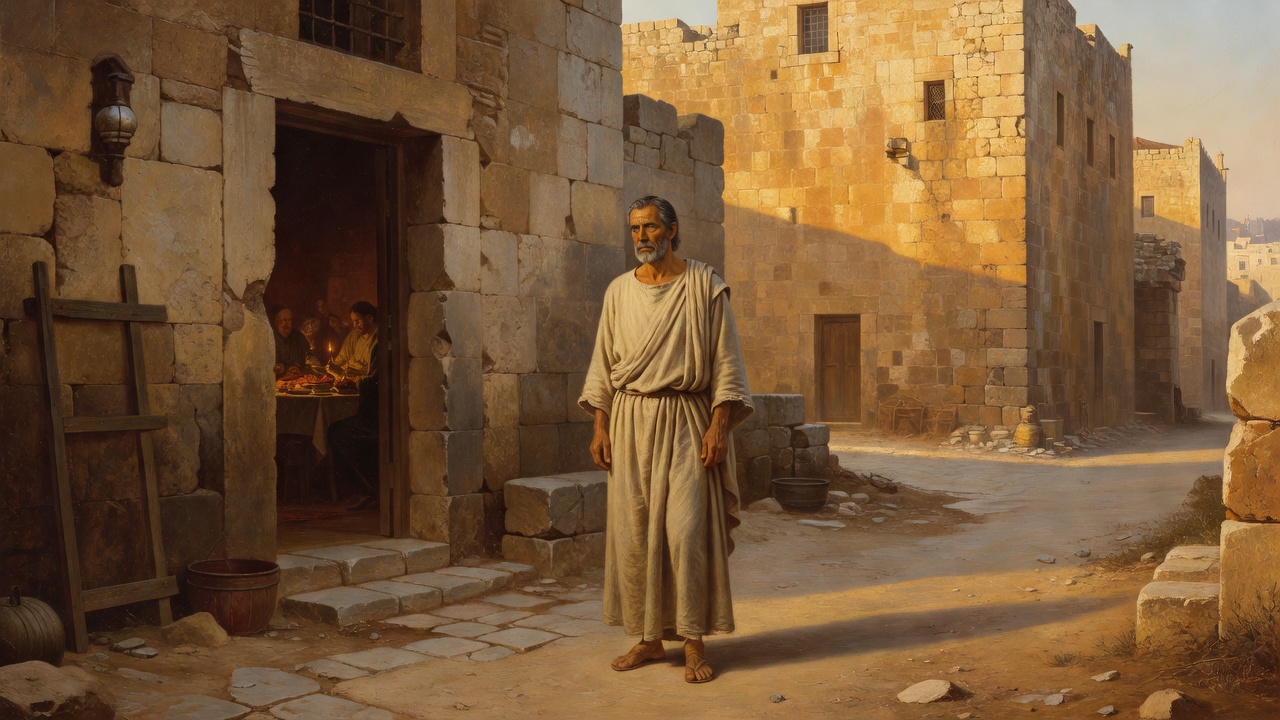
- God commands Jeremiah to abstain from marriage, funeral meals, and festive gatherings. His enforced isolation served as a living sign to the people that catastrophic loss, famine, and sword would soon eliminate both joyful celebrations and normal mourning rituals from the land.Sources: the Bible text itself
- The chapter lists customary mourning practices of the era, including sharing a cup of consolation and bread for the bereaved, as well as shaving the head and cutting the body in grief. The scale of the coming disaster would be so overwhelming that these traditional communal expressions of grief would cease completely.Sources: the Bible text itself
- Historically, the exodus from Egypt served as Israel's foundational narrative of divine deliverance. Jeremiah prophesies that a future restoration from exile in the northern lands would eclipse even the memory of the deliverance from Egypt.Sources: the Bible text itself · Egypt
Notes written with AI assistance from open sources (Theographic Bible Metadata, CC BY-SA 4.0; Easton’s Bible Dictionary, public domain) and reviewed before publishing.
Places in this chapter
- Egypt · 30.129, 31.308 · verse 14
Only places identified with high confidence are shown (90% or more according to the scholarly sources compiled by OpenBible). Period map: DARE (Digital Atlas of the Roman Empire), CC BY 4.0; modern map: © OpenStreetMap contributors; places: OpenBible.info (CC BY 4.0).
Credits and license for this translation
Nhanderuete ayvu iky'a e'ỹ va'e
New Testament in Guaraní, Mbyá
copyright © 2004 Wycliffe Bible Translators, Inc.
Language: Mbyá Guaraní (Guaraní, Mbyá)
Translation by: Wycliffe Bible Translators, Inc.
Copyright Information
© 2004, Wycliffe Bible Translators, Inc. All rights reserved.
This translation text is made available to you under the
terms of the Creative Commons License: Attribution-Noncommercial-No Derivative Works.
( http://creativecommons.org/licenses/by-nc-nd/3.0/ )
In addition, you have permission to port the text to different file formats, as long as you
do not change any of the text or punctuation of the Bible.
You may share, copy, distribute, transmit, and extract portions
or quotations from this work, provided that you include the above copyright
information:
You must give Attribution to the work.
You do not sell this work for a profit.
You do not make any derivative works that change any of the actual words or punctuation of the Scriptures.
Permissions beyond the scope of this license may be
available if you contact
us with your request.
Printed book ISBN 853110565X
The New Testament
in Guaraní, Mbyá
© 2004, Wycliffe Bible Translators, Inc. All rights reserved.
This translation is made available to you under the terms of the
Creative Commons Attribution-Noncommercial-No Derivatives license 4.0.
You may share and redistribute this Bible translation or extracts from it in any format, provided that:
You include the above copyright and source information.
You do not sell this work for a profit.
You do not change any of the words or punctuation of the Scriptures.
Pictures included with Scriptures and other documents on this site are licensed just for use with those Scriptures and documents.
For other uses, please contact the respective copyright owners.
2014-08-06
Source: http://ebible.org/gun/ · eBible.org