Hebrews 5
Nacom Pejume Diwesi po diwesi pena jume diwesi xua Jesucristo yabara tinatsi · Tap a verse to see its cross-references.
1Mø sacerdotetøgucha maya sacerdotesmeran nø karub sacerdote yu pirauigwane møguelai utugurri wesrawa pasrig køn, Tiusweimburabeløyu misagweimburø nø marøb pasrønrrai, Tiuswan keta tranøb, katø misaamerai kaig mariilaimburø animal kweecha tranøb, treeg martrai. 2Inchen tru sacerdotebe mayeelø lataitøwei chine nebuinabig kullaguig kuig køppe, chugúi mørmeelø pella amøñibelan maig købash kømø, tab inchun. 3Incha nøgucha treetøwei kullaguig kuikkurri animal kweecha Tiuswan tranamig købig køn, misaamerai kaig mariilaimburøtø kømøtø, tru kaig mariilø nuimburabigweiwan chigucha. 4Pøs øyeeg purø nuig tabig indig sacerdote kømigwane mugøben ka yandø nøasiitøbe tøgagønrraamøn, treeg kømøtø, tru Aarón latawei Tius wamitøwei trunune tøgagønrrun. 5Katø treetøwei Cristogucha tru Maya Sacerdotesmeran Nø Karub Sacerdote kønrrab nøasiitø purø nuig misrmøtø, nøbe Tius øyeeg chibigweinukkurringuen utig køn:
“Ñibe nai Nusrkain køben,
møin kwaløm nabe ñui Møskai misrar” chibigwan.
6Katø katøganbaløsrøngucha Tiuswei wamwan pørigu nøbe Criston trendaig køn:
“Ñibeguende managatigwei sacerdote køn cha,
Melquisedec maig køben, treetøweingue.”
7Cristobe yu pirau nø uñippatø Tiusba waminchib kappin kørrøgøb, isuig trashib truba miabig køn, Tius tru kwamigugurri wesramø kømø, wesrabigwan. Inchen nune Tiusbe mørig kuig køn, maig taigwan nø køriibala mørøbig kuikkurri. 8Cristo ya Tiuswei Nusrkain købenguen, chine, chine nebuinab purayaigu maig karuigwan møramig købig kuin kui treegwan kusreig køn. 9Incha kerrigu newanig misrabe, tru mayeelø nun mørøbelaimbe managatigwei kaigyugurri wesraig kømigwane nøgurrin kønrrai, treeg misra pasramisrig køn. 10Inchen Tiusbe nune maya sacerdotesmeran nø karub sacerdote kønrrai wesrawa pasrig købig køn, tru Melquisedec maig køben treetøweingue.
Isubigwan Jesucristoinug pasra tøgagúigwan elachib melønrrab kømø, isuptø tøgaguy
11Pøs øyeegweimburab wamindamibe truba truba nu tøgaguer. Inchendø ñimun ni kan mandø chaguen øyeeg køn tamgailø køn, pøs ñim chi taig møramigwane purø tsøndailø kuikkurri. 12Pøs ñim kusreb melaibe yeeg yanaguen køben, ashene, ñimbe manawei kusrenanøbeløguen kønrrapteelø købendø, katøgucha ñimbe Tiuswei wamwan srøsrø mandø pølbasra kusrenanigwan katøle møikkøben trunundøwei srøig kusrenanamig palain køn. Ñimbe palain køppe, tranrrø mamig kømøtø, katøgucha pitsøbe palain køn. 13Inchen møitøgucha pitsøtø muchibiibe katøgucha tru sølgandø tabig maram wamwane ni mandø kuinguen mørtrab kaimabig køn, katøgucha unøzhig lataig srø kua. 14Inchen tru tranrrø mamibe tru Tiusweimburabigu yandø ne nørrørawarwein køn, tru chi maramigwan yandø trendø mara ashibelø tru tabigwanba, kaigwanba maig kuigwan tab chigúi mørøbelai.
Did you know?
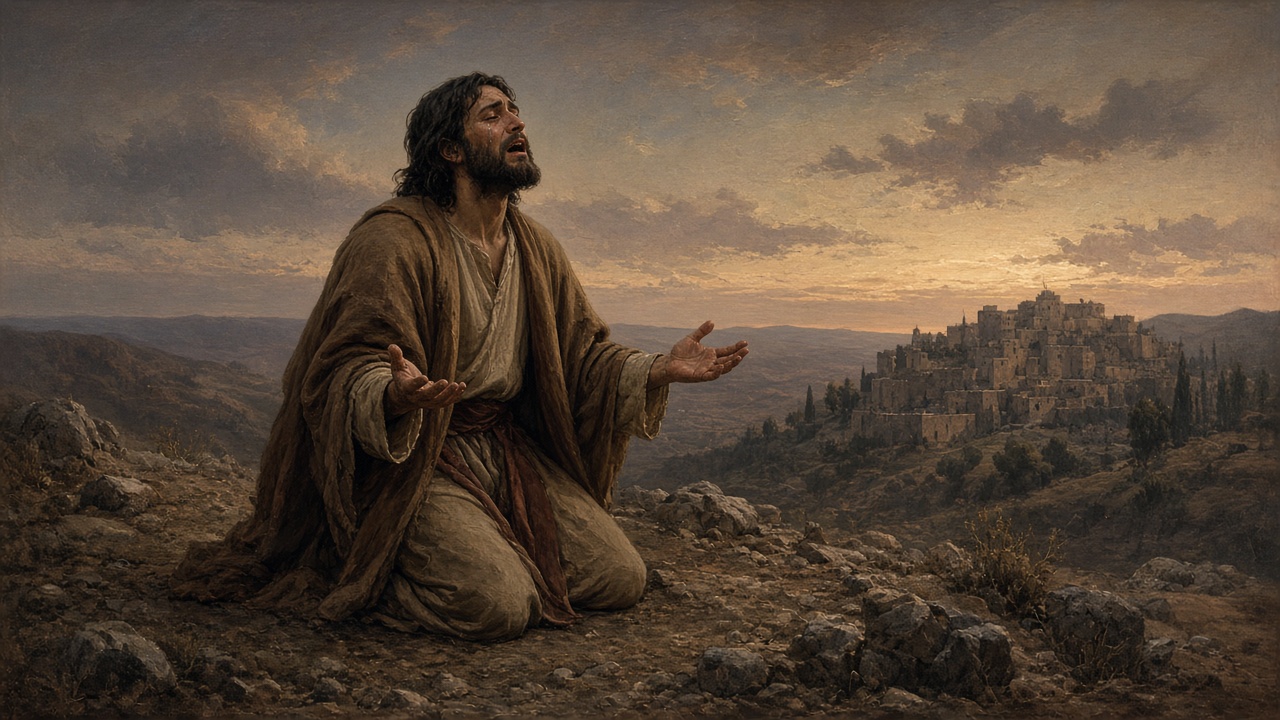
A High Priest Called by God
- Hebrews 5 presents Aaron as the pattern of a high priest who does not take the honor upon himself but is called by God. Aaron, eldest son of Amram and Jochebed, was born in Egypt three years before his brother Moses. When the time drew near for Israel’s deliverance from Egypt, God sent him to meet his long-absent brother so that they might work together toward the Exodus.Sources: the Bible text itself · Aaron
- Melchizedek, whose name Easton's Bible Dictionary (1897) explains as “king of righteousness,” was king of Salem. All that the Old Testament records of him is in Genesis 14:18–20, and he is mentioned only once more, in Psalm 110:4. Hebrews 5 applies to Christ the words “You are a priest forever in the order of Melchizedek,” and the same dictionary says that Hebrews 7 sets out the significance of his story in detail and presents his priesthood as superior to Aaron’s, noting that Abraham paid him tithes and that Melchizedek blessed Abraham.Sources: the Bible text itself · Melchisedec
Notes written with AI assistance from open sources (Theographic Bible Metadata, CC BY-SA 4.0; Easton’s Bible Dictionary, public domain) and reviewed before publishing.
Credits and license for this translation
Nacom Pejume Diwesi po diwesi pena jume diwesi xua Jesucristo yabara tinatsi
New Testament in Guambiano
copyright © 2010 Wycliffe Bible Translators, Inc.
Language: Guambiano
Translation by: Wycliffe Bible Translators, Inc.
Copyright Information
© 2010, Wycliffe Bible Translators, Inc. All rights reserved.
This translation text is made available to you under the
terms of the Creative Commons License: Attribution-Noncommercial-No Derivative Works.
( http://creativecommons.org/licenses/by-nc-nd/3.0/ )
In addition, you have permission to port the text to different file formats, as long as you
do not change any of the text or punctuation of the Bible.
You may share, copy, distribute, transmit, and extract portions
or quotations from this work, provided that you include the above copyright
information:
You must give Attribution to the work.
You do not sell this work for a profit.
You do not make any derivative works that change any of the actual words or punctuation of the Scriptures.
Permissions beyond the scope of this license may be
available if you contact
us with your request.
The New Testament
in Guambiano
© 2010, Wycliffe Bible Translators, Inc. All rights reserved.
This translation is made available to you under the terms of the
Creative Commons Attribution-Noncommercial-No Derivatives license 4.0.
You may share and redistribute this Bible translation or extracts from it in any format, provided that:
You include the above copyright and source information.
You do not sell this work for a profit.
You do not change any of the words or punctuation of the Scriptures.
Pictures included with Scriptures and other documents on this site are licensed just for use with those Scriptures and documents.
For other uses, please contact the respective copyright owners.
2014-04-25
Source: http://ebible.org/gum/ · eBible.org