Genesis 20
Nacom Pejume Diwesi po diwesi pena jume diwesi xua Jesucristo yabara tinatsi · Tap a verse to see its cross-references.
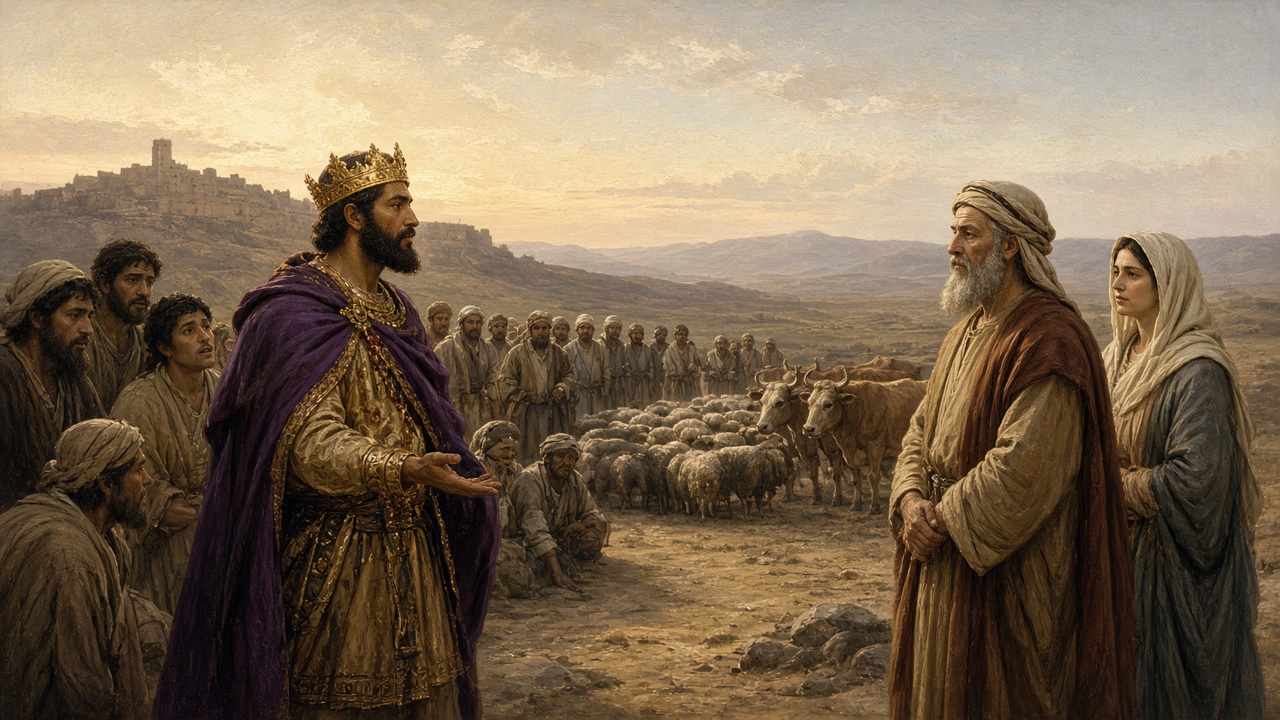
1Incha Abrahambe tru nø tsuinukkurri Neguev pirausrømay ya, truibe Gadesba tru Shur ciudameraba pønrrabnug tru utu kørrømisrøbig køn. Incha tru Gerarsrømbe ka purainrrab arrubig lataitø tsuabe, 2trusrømbe tru nui srai Sarane, “naimbe nøbe nuchag køn” chibig køn. Inchen Abimélec tru Gerarsrø reybe Sarane wamønrrab øra, nui srain kønrrai isua kørrømarøbig køn.
3Inchen tru yem Abimélecbe kan piaig tøgaguiyu Tiusbe arrua, nune trenchibig køn:
—Ñibe kwanrrabguen cha, kaguende ñi ñui srain kønrrai ñi kørrømari ishuube kasharaweig køn— cha.
4Inchendø tru Abimélecbe tru ishuwane pera kib chi marmuig kua, nøbe trenchibig køn: —Señor, ¿chi kalø marmíigwangucha ñigan kwetchab indirru? cha. 5Yamba Abraham nøtøwei ¿øyah chimuig kuitarru? cha: “Naimbe nøbe nuchag køn” cha. Inchen katø ishug misakkucha: “Naimbe nuchagwein køn” cha trendaig køn cha. Nabe nai manrrø umbugurri chi kaig isua kømøtø, nai tasiimeran chishig tøga pasrab, iigwan øyeeg marig køn— cha.
6Inchen Tiusbe piaigu trenchibig køn:
—Nagucha asha pasrar cha, ñui manrrø umbugurri tabig isua marigwan. Incha nabe ñi nan kalø marmønrrai na ñun kebachibashmuig køn cha. 7Inchawei ñi katøle nui keeba inrrai ibashmuisruandøbe ñibe isa kømø, kwanrrabguen cha, ñui yau mutø purrabelø køben truiløbañau. Kaguendø nøbe Tius maig karuigwan eshkabig køn cha. Incha ñi øsig kønrrai ñuimburø purøwaminchun cha—
8Indig katø løtsøbe Abimélecbe løtsø kurra, nui tru karub peraguilan wama, truilan mayeelan nun chi purayaigwan kerriguh eshkabig køn. Inchen tru møgueløbe purø kørrø kørig kui inchibelø køn.
9Inchen Abimélecbe Abrahamwan wama, trenchibig køn:
—¿Ñibe namune chi mara pasrøgu? cha. ¿Pøs, nabe ñune chiyu kalø marta? cha. Ñibe naimbalaba, na misagwan karub tøga waimbalaba purø trømbøig kalø maringarubsrutan cha. Ñibe nane chi maraamíig mara pasrtan cha.— 10Incha katø Abimélecbe Abrahamwane trenchibig køn:
—¿Chi isuarre ñibe øyeeg marig kø?— cha.
11Inchen Abrahambe trenchibig køn:
—Nabe nainetø treeg isuig køn cha: “Yusrømbe Tiuswan kørig tøgar muguen kaagua, nai srawan nømui mara kørrømarøkkøptø nane kwetchaitamab”. 12Inchendø chiwei isamø chibig køn: “nøbe naimbe nuchagwein køn” cha. Nai møskaweimbe nøbe nimbasrwein køn cha, usrimbe katøgan usrin kuindøgucha. Inchagurri nabe nune nai srain kønrrai marig køn cha. 13Nai møskawei yaugurri nan Tius ka truørøtø, truørøtø uñchai nan webingarub uras nabe Sarane trendaig køn cha: Na ñui keg kuitamab isua ñi tøga pasrøwabe trube, øyeeg chirrunrrig cha. Nam chu pub ambiisrøndøgucha ñibe øyah chirrunrrig cha, ‘ñibe nai nuchag kur’”— cha.
14Inchen Abimelecbe Abrahamwane ubishamera køben, waaramera køben, katø nui karuig mendig melab møguelan køben, ishumburmeran køben tranøbig køn. Incha katøle nui srai Sarangucha tranøbig køn. 15Incha Abimelecbe trenchibig køn:
—Nai pirømerabe kerriguba ñui merrab pasran cha, ñun katøguchi tab tsumdønug, truyu kørrømisra tsu— cha.
16Incha Sarane trenchibig køn:
—Nabe ñui nuchawane tsantsøn anmera mil tranar cha, tru anbe øyeeg purayaigwan truburø trani an køn cha, truibe ñi chi kalø marmíig kuin kui ashchai maya misagwei malau kenamarig kønrrain cha. Trumaybe ñune mugucha kaig waminchippe kønrraamøn— cha.
17Inchen Abrahambe Tiusba waminchen, Tiusbe Abimelecwanba, nui srawanba trugurri nui karuig mendig melab ishumburmeranba ureg tøgagønrrai tamarøbig køn. 18Kaguende Jehovábe Abrahamwei srai tru Saran øyeeg puraiben Abimelecwei yauelane ureg chigaanrrai mayeelai matrizwan kasraig kua.
Did you know?
Sister and Wife in Gerar
- Abraham was staying in Gerar, a very ancient town and district on the southern border of Palestine, then ruled by a king named Abimelech. He had journeyed to the Negev, the arid district south of Palestine on the caravan route toward Egypt, and settled between Kadesh and Shur. Shur, a name meaning “wall,” was a desert region on Egypt’s northeastern edge, probably named for the frontier wall the Egyptians built there.Sources: the Bible text itself · Gerar · Negeb · Shur
- When Abraham said that Sarah was his sister, the kinship was not wholly invented: she was also his half-sister, the daughter of his father but not of his mother. Easton's Bible Dictionary (1897) gives the name Sarah as meaning “princess,” and says that name was given when it was announced that she would be the mother of the promised child.Sources: the Bible text itself · Sarah
- The name Abimelech appears again at Gerar in Isaac’s story. Easton's Bible Dictionary (1897) describes that later king as probably the son of the Abimelech Abraham met, and says he rebuked Isaac for a similar deception about his wife Rebekah, which the king discovered by accident. The same work says Gerar seems to have been a rich pastoral country.Sources: Abimelech (King of Gerar) · Gerar
Notes written with AI assistance from open sources (Theographic Bible Metadata, CC BY-SA 4.0; Easton’s Bible Dictionary, public domain) and reviewed before publishing.
Places in this chapter
- Negeb · 31.245, 34.841 · verse 1
Only places identified with high confidence are shown (90% or more according to the scholarly sources compiled by OpenBible). Period map: DARE (Digital Atlas of the Roman Empire), CC BY 4.0; modern map: © OpenStreetMap contributors; places: OpenBible.info (CC BY 4.0).
Credits and license for this translation
Nacom Pejume Diwesi po diwesi pena jume diwesi xua Jesucristo yabara tinatsi
New Testament in Guambiano
copyright © 2010 Wycliffe Bible Translators, Inc.
Language: Guambiano
Translation by: Wycliffe Bible Translators, Inc.
Copyright Information
© 2010, Wycliffe Bible Translators, Inc. All rights reserved.
This translation text is made available to you under the
terms of the Creative Commons License: Attribution-Noncommercial-No Derivative Works.
( http://creativecommons.org/licenses/by-nc-nd/3.0/ )
In addition, you have permission to port the text to different file formats, as long as you
do not change any of the text or punctuation of the Bible.
You may share, copy, distribute, transmit, and extract portions
or quotations from this work, provided that you include the above copyright
information:
You must give Attribution to the work.
You do not sell this work for a profit.
You do not make any derivative works that change any of the actual words or punctuation of the Scriptures.
Permissions beyond the scope of this license may be
available if you contact
us with your request.
The New Testament
in Guambiano
© 2010, Wycliffe Bible Translators, Inc. All rights reserved.
This translation is made available to you under the terms of the
Creative Commons Attribution-Noncommercial-No Derivatives license 4.0.
You may share and redistribute this Bible translation or extracts from it in any format, provided that:
You include the above copyright and source information.
You do not sell this work for a profit.
You do not change any of the words or punctuation of the Scriptures.
Pictures included with Scriptures and other documents on this site are licensed just for use with those Scriptures and documents.
For other uses, please contact the respective copyright owners.
2014-04-25
Source: http://ebible.org/gum/ · eBible.org