Revelation 3
Nuevo Testamento Guaraní Pe · Tap a verse to see its cross-references.
Ñee Sardis peguara
1Jare eicuatía araɨgua oporogüɨrovia vae Sardis pe oñemboatɨ vae reta pe oyeócuai vae pe corai: Cuae jei jocuae siete yasɨtata reta güɨnoi vae - jae co jocuae siete araɨgua Tumpa jemimbota oyapo vae reta oyeócuai chupe vae:
“Che aicuaa peparavɨquɨ. Iru vae reta jei tei peicove catu co, erei mbaeti etei peicove catu Tumpa cotɨ. 2Peñeandu jare peñemomɨrata jocuae penoi vɨteri vae re. Echa mbaeti etei pepɨrata jese. Mbaeti etei peyapo mbaravɨquɨ Tumpa oipota peyapo vaera vae. 3Jae rambue pemaendúa Tumpa omee peve vae re jare quirai peyeapɨsaca jese. Peñemomɨrata jocuae re, jare peeya peñemongueta icavi mbae vae pepɨa pe oi vae. Echa mbaeti yave peñeandu, ajata pepɨri ɨmambae metei imonda vae oique o pe rami, jare ngaraa peicuaa quirai yave ra ajata pepɨri.
4“Oime mbovɨ Sardis pegua mbaeti icavi mbae vae oyapo vae reta. Jae reta oguatata che ndive jemimonde ti vae reve icavi vae oyapo vae jeco pegua.
5“Oporomoamɨri vae pe ameeta temimonde ti vae omonde vaera, jare ngaraa amboai jee libro tecove opa mbae vae pegua güi. Aicuaucata cheRu jare araɨgua cheRu pe oyeócuai vae reta jóvai jae co chembae.
6“Ipuere oendu vae toyeapɨsaca Espíritu Santo oporogüɨrovia vae oñemboatɨatɨ vae reta pe jei vae re.
Jocorai eicuatía —jei—.
Ñee Filadelfia peguara
7Jare eicuatía araɨgua oporogüɨrovia vae Filadelfia pe oñemboatɨ vae reta pe oyeócuai vae pe corai: Cuae jei iyoa mbae vae. Jae co añete vae jei vae. Jae güɨnoi mbaepuere Tumpa omee David pe vae. Jocuae mbaepuere metei onque illave rami co. Echa jae oipea yave metei onque, mbaeti quia ipuere oñoquenda ye. Jae ramiño vi jae oñoquenda yave metei onque, mbaeti quia ipuere oipea ye:
8“Che aicuaa peparavɨquɨ. Mase, aechauca ma peve metei onque oyepea oi vae. Mbaeti quia ipuere oñoquenda jocuae onque. Pembaepuere michi co, erei peyapo che jae peve peyapo vaera vae jare mbaeti checuacu.
9“Oime pepɨte pe ñogüɨnoi jocuae oñemboatɨ omboete vaera Satanás vae reta. Yepe tei jei reta: Ore co jae judío reta, erei mbaeti co. Iyapu reta co. Mase, ayapota chupe reta yogüɨraja vaera oyeatɨca peróvai, jare aicuaucata chupe reta che poaɨu co.
10“Peyapo che jae peve peyapo vaera vae pepɨaguasu reve rambue, che poepɨta opaete ɨvɨ pe yogüɨreco vae reta oiporarata vae güi. 11Mase, aja yeta ɨmambae. Peñemomɨrata mborogüɨrovia penoi vae re, agüɨye vaera iru vae pe oñemee neaca reguara vae.
12“Oporomoamɨri vae pe ameeta oico vaera cheTumpa jo pe, jare ngaraa etei oe chugüi. Güɨnoita mbaepuere tuicha vae metei oquɨta ipɨrata yae vae rami. Jare aicuatiata jese cheTumpa jee jare cheTumpa jenta jee - jae co Jerusalén ipɨau vae cheTumpa ombouta ara güi vae. Jae ramiño vi aicuatiata jese cheree ipɨau vae.
13“Ipuere oendu vae toyeapɨsaca Espíritu Santo oporogüɨrovia vae oñemboatɨatɨ vae reta pe jei vae re.
Jocorai eicuatía —jei—.
Ñee Laodicea peguara
14Jare eicuatía araɨgua oporogüɨrovia vae Laodicea pe oñemboatɨ vae reta pe oyeócuai vae pe corai: Cuae jei jocuae Amén jee vae. Jae jecuaeño omombeu cavi añete vae Tumpa regua. Jae co opaete Tumpa oyapo vae iYa:
15“Che aicuaa peparavɨquɨ, jare quirai mbaeti chemotareɨ jare mbaeti cheraɨu. Icavita tei co cheve chemotareɨ yave ani cheraɨu yave. 16Erei mbaeti peñemongueta cheré. Mbaeti chemotareɨ jare mbaeti cheraɨu. Jae rambue pomombota, metei cuimbae tembíu mbaeti oyúe vae iyuru güi omombo rami.
17“Echa pe reta pere corai: Yaicocatu co. Jeta mbaembae ñanoi. Mbaeti etei mbae oata ñandeve. Jocorai pere. Erei mbaeti peicuaa quirai pepɨatɨtɨ yae, jare peparavete, jare peresa mbae, jare penandi.
18“Che pomboaracuaa pegua vaera chegüi oro tata pe oñembochɨrɨrɨ iquɨagüe oe vaera chugüi vae, peicocatu vaera, jare temimonde ti vae peremimondera, agüɨye vaera penandi yave pemara. Jae ramiño vi che pomboaracuaa peñono vaera moa peresa pe pepuere vaera pemae. 19Che aiporarauca aaɨu vae ñavo pe, amboe vaera. Jae rambue peñemoatangatu jare peeya peñemongueta icavi mbae vae pepɨa pe oi vae.
20“Mase, che añemboɨ ai onque pe jare ambopu ai onque. Oime yave quia cheñee oendu vae, oipea yave onque, aiqueta acaru vaera jae ndive, jare jae ocaruta che ndive.
21“Oporomoamɨri vae pe ameeta oguapɨ vaera che ndive cheguapɨa pe. Echa che vi aporomoamɨri jare aguapɨ cheRu ndive iguapɨa pe.
22“Ipuere oendu vae toyeapɨsaca Espíritu Santo oporogüɨrovia vae oñemboatɨatɨ vae reta pe jei vae re.
Jocorai eicuatía —jei.
Did you know?
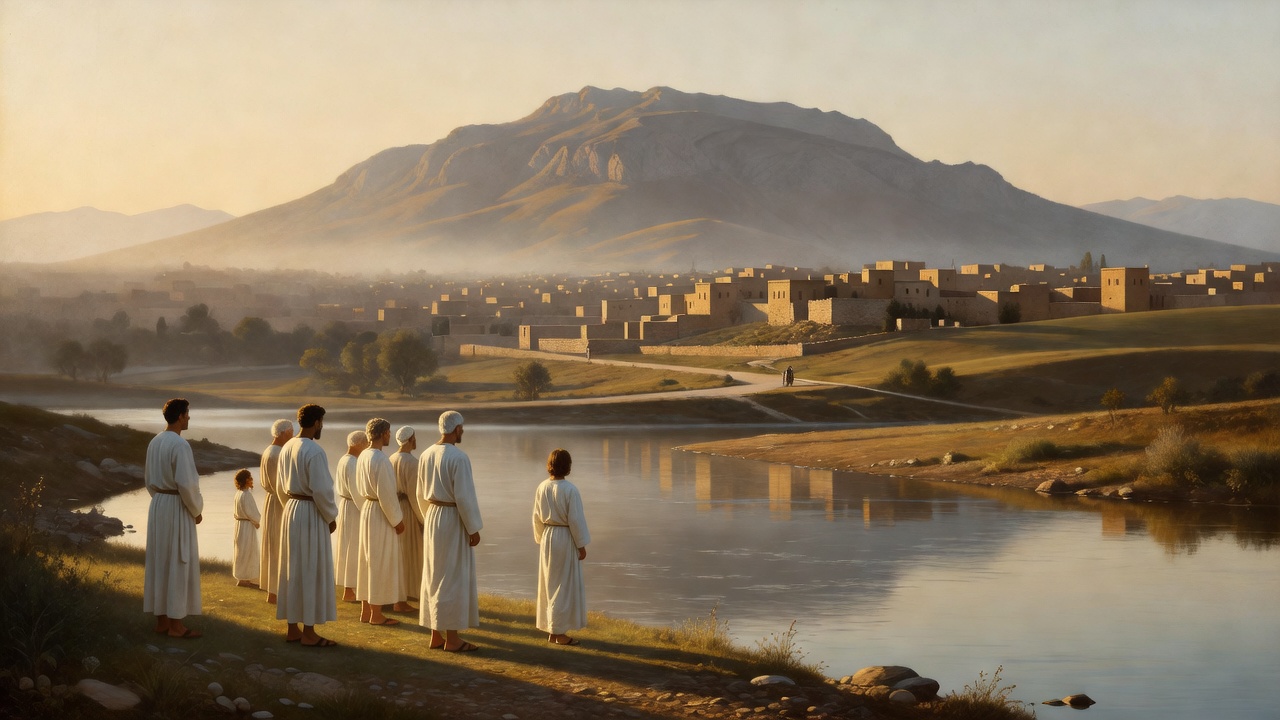
Letters to Sardis, Philadelphia, and Laodicea
- Revelation 3 is a set of letters to churches in three cities of Asia Minor. Sardis, the metropolis of Lydia, stood on the river Pactolus at the foot of Mount Tmolus. Philadelphia, a name that means “brotherly love,” lay about twenty-five miles southeast of Sardis, while Laodicea stood on the Lycus, where Phrygia and Lydia meet, about forty miles east of Ephesus.Sources: Sardis · Philadelphia · Laodicea · the Bible text itself
- Laodicea was first called Diospolis and then Rhoas. It was later named Laodicea after Laodice, the wife of Antiochus II, king of Syria, who rebuilt it. Easton's Bible Dictionary (1897) calls it one of the most important and flourishing cities of Asia Minor and an early leading center of Christianity; in the letter, that church is said to claim that it is rich, has grown wealthy, and needs nothing.Sources: Laodicea · the Bible text itself
- The letter to Philadelphia speaks of a “synagogue of Satan” and of people who claim to be Jews but whom it calls liars. Satan means “adversary” or “accuser,” and in the New Testament the name is used interchangeably with the devil.Sources: Satan · the Bible text itself
Notes written with AI assistance from open sources (Theographic Bible Metadata, CC BY-SA 4.0; Easton’s Bible Dictionary, public domain) and reviewed before publishing.
Places in this chapter
- Sardis · 38.488, 28.040 · verses 1, 4
- Philadelphia · Today: Alaşehir · 38.350, 28.517 · verse 7
- Jerusalem · 31.777, 35.234 · verse 12
- Laodicea · Today: Laodicea on the Lycus · 37.836, 29.108 · verse 14
Only places identified with high confidence are shown (90% or more according to the scholarly sources compiled by OpenBible). Period map: DARE (Digital Atlas of the Roman Empire), CC BY 4.0; modern map: © OpenStreetMap contributors; places: OpenBible.info (CC BY 4.0).
Credits and license for this translation
Nuevo Testamento Guaraní Pe
New Testament in Guaraní, Eastern Bolivian (BL:gui:Guaraní, Eastern Bolivian)
copyright © 2012 Wycliffe Bible Translators, Inc.
Language: Guaraní, Eastern Bolivian
Translation by: Wycliffe Bible Translators, Inc.
Guaraní, Eastern Bolivian [gui], Bolivia
Copyright Information
© 2012, Wycliffe Bible Translators, Inc. All rights reserved.
This translation text is made available to you under the
terms of the Creative Commons License: Attribution-Noncommercial-No Derivative Works.
( http://creativecommons.org/licenses/by-nc-nd/3.0/ )
In addition, you have permission to port the text to different file formats, as long as you
do not change any of the text or punctuation of the Bible.
You may share, copy, distribute, transmit, and extract portions
or quotations from this work, provided that you include the above copyright
information:
You must give Attribution to the work.
You do not sell this work for a profit.
You do not make any derivative works that change any of the actual words or punctuation of the Scriptures.
Permissions beyond the scope of this license may be
available if you contact
us with your request.
The New Testament
in Guaraní, Eastern Bolivian
© 2012, Wycliffe Bible Translators, Inc. All rights reserved.
This translation is made available to you under the terms of the
Creative Commons Attribution-Noncommercial-No Derivatives license 4.0.
You may share and redistribute this Bible translation or extracts from it in any format, provided that:
You include the above copyright and source information.
You do not sell this work for a profit.
You do not change any of the words or punctuation of the Scriptures.
Pictures included with Scriptures and other documents on this site are licensed just for use with those Scriptures and documents.
For other uses, please contact the respective copyright owners.
2014-04-25
Source: http://ebible.org/guiNT/ · eBible.org