Psalms 73
Tupàn ze'eg · Tap a verse to see its cross-references.
PAPE NA'IRUZ HAW
Tupàn ikatu haw
Zegar haw Azaw hemiapo kwer
1Azeharomoete Tupàn ikatu teko Izaew izuapyapyr wanupe a'e.
Ikatu teko ipy'a ikatuahy ma'e Tupàn heruzar katu ma'e wanupe.
2Herewyrowyroahy ihe, amo wanuwi wiko wera'u ma'e wanehe. Herewyrowyroahy ikatu 'ym ma'e wanehe ihe no, ta'e aexak waneko haw ikatu ma'e ihe xe.
A'e rupi apytu'u tària'i Tupàn rehe hezeruzar ire ihe,
Ta'e hewyrowyroahy wanehe ihe xe.
4Ikatu 'ym ma'e nupuraraw kwaw ma'erahy wà.
Ikàg a'e wà. Huhàgatu a'e wà no.
5Nupuraraw kwaw ma'erahy amogwer wazàwe wà.
Nuzemumikahy kwaw amogwer wazàwe wà.
6A'e rupi umunehew amo wanuwi wiko wera'u haw mu'yr ài wà.
Umunehew puruzuka haw kamirànàm ài wà no.
7Wapy'a tynehem ikatu 'ymaw pupe wà.
Xo ikatu 'ym ma'e iapo àwàm rehe zo ima'enukwaw wà.
8Ze'eg urywahyahy haw ikatu wanupe. Xo ikatu 'ym ma'e zo umume'u wà.
Wiko wera'u amo wanuwi wà. Umume'u amo wanehe umunar àwàm uzeupe wà.
9Uze'eg zemueteahy Tupàn ywak rehe har rehe wà.
Uzapo kar ma'e ywy rehe har wanupe wiko wera'u haw rupi wà.
10Nezewe Tupàn hemiaihu mua'u oho a'e teko wanekar pà wà.
Uzeruzar waze'eg rehe wà no.
11— Tupàn nukwaw kwaw ko ma'e a'e nehe.
Ywate Wera'u Har nuexak pixik kwaw ko zaneremiapo kwer a'e nehe, i'i uzeupe wà.
12Nezewe wanekon ikatu 'ym ma'e wà.
Heta tetea'u ma'e wanupe. Tuweharupi hemetarer katu wera'u oho waiko wà.
13Na'ikatu kwaw katu 'ygwer wi hetyrykaw ihe.
Màràzàwe tuwe amonokatu hepo iaiw paw wi.
14O Tupàn, erepuraraw kar ma'erahy ihewe 'ar katu rehe.
Tuweharupi ku'em mehe erezepyk herehe.
15Aze mo aze'eg ikatu 'ym ma'e wazàwe,
Iaiw ma'e azapo mo neremiaihu wanupe.
16A'e rupi azeagaw ko ma'e ikwaw pà ihe.
Zawaiw katu wera'u ikwaw paw ihewe.
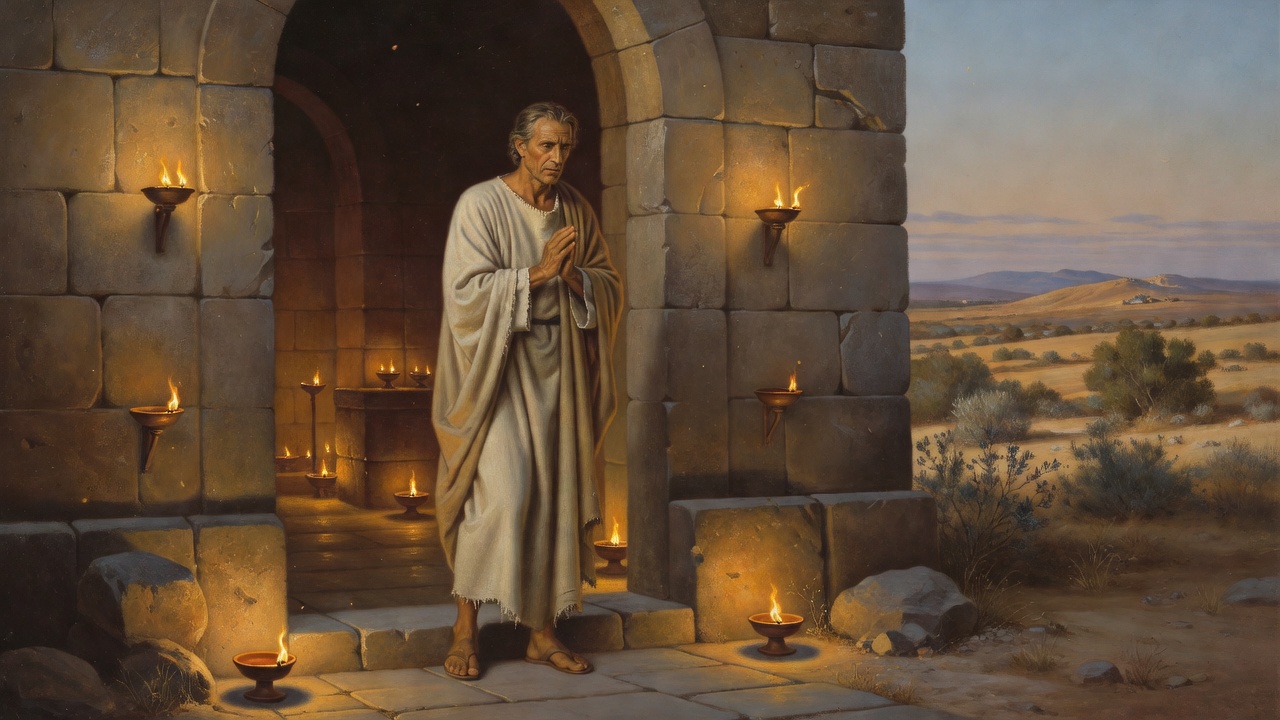
17Na'e amo 'ar mehe neràpuzuhu pupe heixe mehe
Akwaw ikatu 'ym ma'e wanupe uzeapo ma'e ràm iahykaw rehe har ihe.
18Eremupu'àm ywy ihym ma'e rehe ne wà.
Eremu'ar kar umumaw pàwàm me ne wà.
19Na'arewahy eremumaw ikatu 'ym ma'e ne wà.
Iaiw wamumaw paw.
20Teko heharaz upuahu awer wi ku'em mehe ume'e mehe wà.
Nezewegatete, o hezar, nanema'enukwaw kwaw a'e teko wanehe ne.
21Hepy'a tynehem iro haw pupe a'e mehe.
Aikwahy ihe.
22Napuner kwaw neremiapo kwer ikatu haw ikwaw paw rehe.
Aiko miar ài ma'e kwaw 'ymar romo ihe.
23Nezewe rehe we aiko nerehe we tuweharupi.
Hepyhyk pe hepo rehe ne.
24Hereruze'eg pe herape ràm ikwaw kar pà ihewe.
Iahykaw rehe hemur kar putar pe nepyr tuwihaw ài herereko pà nehe.
25Ne ywak rehe har ne, xo ne urereko ihe.
A'e rupi naputar kwaw amo ma'e ywy rehe har ihe.
26Apuner ma'e kwaw par 'ym romo hereko haw rehe nehe.
Apuner hetekwer ikàg 'ym ma'e romo hereko haw rehe nehe no.
Nezewe rehe we Tupàn wiko putar hekàgaw romo nehe. Naputar kwaw amo ma'e ihe nehe.
27Newi utyryk ma'e ràm umàno putar azeharomoete a'e wà nehe.
Eremumaw putar nerehe uzeruzar ire upytu'u ma'e ràm ne wà nehe no.
28Ihe naiko kwaw wazàwe ihe. Tupàn huwake hereko haw ikatuahy ihewe.
Tupàn Tuweharupi Wiko Ma'e azapo hemimaw romo ihe.
Amume'u hemiapo kwer paw rupi no.
Did you know?
The Prosperity of the Wicked and the Sanctuary
- Psalm 73 begins Book III of the Psalter and is attributed to Asaph, a Levite musician and seer who served as one of King David's choir leaders. A group of twelve psalms (Psalm 50 and 73–83) is associated with him and his guild of singers.Sources: Asaph (Levite) · the Bible text itself
- The psalmist struggles with a deep crisis of faith, questioning the value of personal purity when seeing the carefree wealth and apparent lack of suffering among the wicked. This internal struggle only resolves when he enters the sanctuary of God, where he gains perspective on their eventual ruin.Sources: the Bible text itself
Notes written with AI assistance from open sources (Theographic Bible Metadata, CC BY-SA 4.0; Easton’s Bible Dictionary, public domain) and reviewed before publishing.
Credits and license for this translation
Tupàn ze'eg
Bible without Deuterocanon in Guajajára (BR:gub:Guajajára)
copyright © 2007 Wycliffe Bible Translators, Inc.
Language: Guajajára
Translation by: Wycliffe Bible Translators, Inc.
Guajajára [gub], Brazil
Copyright Information
© 2007, Wycliffe Bible Translators, Inc. All rights reserved.
This translation text is made available to you under the
terms of the Creative Commons License: Attribution-Noncommercial-No Derivative Works.
( http://creativecommons.org/licenses/by-nc-nd/3.0/ )
In addition, you have permission to port the text to different file formats, as long as you
do not change any of the text or punctuation of the Bible.
You may share, copy, distribute, transmit, and extract portions
or quotations from this work, provided that you include the above copyright
information:
You must give Attribution to the work.
You do not sell this work for a profit.
You do not make any derivative works that change any of the actual words or punctuation of the Scriptures.
Permissions beyond the scope of this license may be
available if you contact
us with your request.
Printed book ISBN 9788531109713
The Bible without Deuterocanon
in Guajajára
© 2007, Wycliffe Bible Translators, Inc. All rights reserved.
This translation is made available to you under the terms of the
Creative Commons Attribution-Noncommercial-No Derivatives license 4.0.
You may share and redistribute this Bible translation or extracts from it in any format, provided that:
You include the above copyright and source information.
You do not sell this work for a profit.
You do not change any of the words or punctuation of the Scriptures.
Pictures included with Scriptures and other documents on this site are licensed just for use with those Scriptures and documents.
For other uses, please contact the respective copyright owners.
2020-03-30
Source: http://ebible.org/gubBl/ · eBible.org