Psalms 7
Tupàn ze'eg · Tap a verse to see its cross-references.
Tupàn pe ze'egaw ikatu haw henoz taw
Zegar haw Tawi hemiapo kwer
1O Tupàn Tuweharupi Wiko Ma'e hezar, aexak hepyro haw nerehe we ihe.
Hepyro pe nehe. Hepyro pe ihewe ikatu 'ym ma'e rehe ipurapo wer ma'e paw wanuwi nehe.
2Zàwàruhu iriàw her ma'e upyhyk wemiar ipei'ài'àg pà a'e wà.
Heàmàtyry'ymar ipurupyhyk wer herehe zàwàruhu ài wà. Hepyhyk kar pe zo wanupe nehe.
Tuwe naiko kwaw hepyro har hereko 'ymar romo nehe.
3O Tupàn Tuweharupi Wiko Ma'e, Hezar, aze wyzài ikatu 'ym ma'e iapo har romo aiko,
Tuwe heàmàtyry'ymar hepyhyk wà nehe. Aipo amo ikatu 'ym ma'e azapo ihe.
4Aipo azapo ikatu 'ym ma'e hemyrypar wanupe.
Aipo azepyk e amo heàmàtyry'ymar rehe.
5Aze agwer ma'e iapo har romo aiko, tuwe heàmàtyry'ymar ur heraikweromo wà nehe.
Tuwe hepyhyk wà nehe. Tuwe hereityk ywy rehe hezuka re wà nehe.
Tuwe ywy imuku'i pyrer rehe hemàno re hereityk wà nehe.
6O Tupàn Tuweharupi Wiko Ma'e, epu'àm nekwahy pà nehe.
Eho heàmàtyry'ymar wakwahy haw kutyr nehe.
Epu'àm hepytywà pà nehe,
Ta'e erezapo kar ikatu ma'e ne xe.
7Emono'og teko ywy nànànar paw nezeywyr ne wà nehe.
Ereruze'eg ne wà nehe.
8O Tupàn Tuweharupi Wiko Ma'e, ereiko teko paw wanemiapo kwer imume'u har romo ne.
Emume'u ikatu ma'e romo hereko haw nehe.
Ta'e naiko kwaw ikatu 'ym ma'e iapo har romo ihe xe. Ikatu ma'e romo aiko.
9Emumaw ikatu 'ym ma'e wakatu 'ymaw nehe.
Emekuzar ikatu ma'e wanemiapo kwer nehe, wanupe nehe.
Ta'e ne Tupàn ne xe,
Teko wanemiapo kwer imume'u har ikatu ma'e romo ereiko ne xe. Eremume'u katu urema'enukwaw paw ne. Eremume'u katu ureremimutar no.
10Tupàn nuzuawy kwaw u'yw wi purumim ma'e a'e. Hemim a'e.
Upyro imunar 'ym ma'e hemu'em 'ym ma'e azeharomo har a'e wà.
11Tupàn wiko teko wanemiapo kwer imume'u har ikatuahy ma'e romo a'e.
Tuweharupi umume'u teko ikatu 'ym ma'e iapo har wanehe uzepyk àwàm a'e.
12Aze nuzemumikahy kwaw wemiapo kwer rehe wà nehe, aze nupytu'u kwaw ikatu 'ym ma'e iapo re wà nehe,
Tupàn umuaime putar utakihepuku nehe.
Umuàgà'ym uwyrapar u'yw imomor àwàm.
13Upyhyk putar a'e puruzuka haw opo pe nehe.
Omomor u'yw tata iapo pyrer nehe.
14Ikatu 'ym ma'e ima'enukwaw wemiapo ràm ikatu 'ym ma'e rehe a'e wà. Pexak wanemiapo nehe.
Ipurapo wer xiroxiroahy àwàm rehe wà. Hemu'em wemiapo rehe wà no.
15Teko uzapo ywykwar ywy pupe ohoete ma'e wemiar wapyhyk pà wà. Teko ikatu 'ym ma'e ipurupyhyk wer amo teko wanehe wà no.
A'e ae u'ar a'e ywykwar zàwenugar pupe wà no.
16A'e rupi wakatu 'ymaw uzepyk uzar wanehe a'e wà.
Wapurukutukaw ukutuk uzar a'e wà no.
17Ihe amume'u Tupàn ikatu haw izupe ihe, ta'e uzepyk ikatu 'ym ma'e wanehe a'e xe.
Azegar Tupàn Tuweharupi Wiko Ma'e hezar ywate wera'u har pe ihe, ikatu haw rehe ihe.
Did you know?
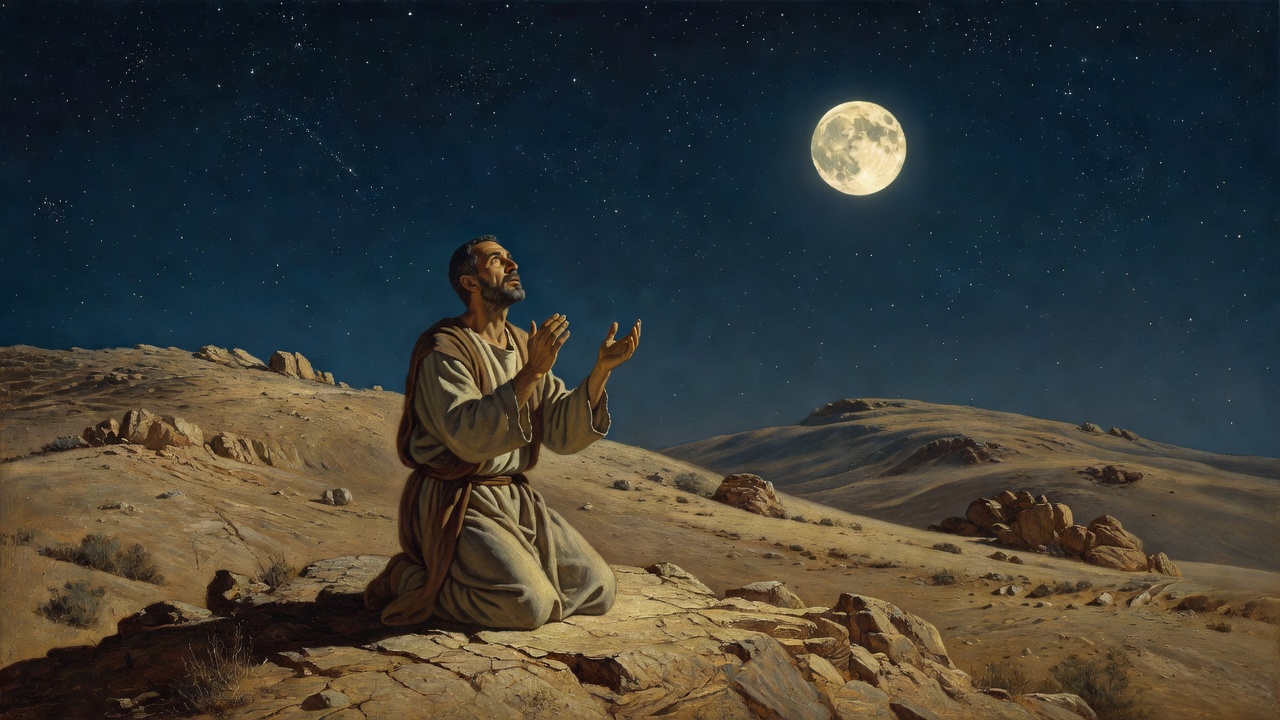
Psalm 7: An Appeal to the Righteous Judge
- The psalm opens with the title 'A Shiggaion of David,' sung concerning 'the words of Cush, a Benjamite,' an individual mentioned only in this superscription in the context of hostile accusations.Sources: the Bible text itself
- The psalmist uses a formal oath of innocence, declaring that if he has wronged an ally or plundered an enemy without cause, he accepts being overtaken and trampled by his pursuers.Sources: the Bible text itself
- The text portrays divine justice through the metaphor of retributive recoil, where the wicked person digs a pit only to fall into it, and their own violence falls back upon their head.Sources: the Bible text itself
Notes written with AI assistance from open sources (Theographic Bible Metadata, CC BY-SA 4.0; Easton’s Bible Dictionary, public domain) and reviewed before publishing.
Credits and license for this translation
Tupàn ze'eg
Bible without Deuterocanon in Guajajára (BR:gub:Guajajára)
copyright © 2007 Wycliffe Bible Translators, Inc.
Language: Guajajára
Translation by: Wycliffe Bible Translators, Inc.
Guajajára [gub], Brazil
Copyright Information
© 2007, Wycliffe Bible Translators, Inc. All rights reserved.
This translation text is made available to you under the
terms of the Creative Commons License: Attribution-Noncommercial-No Derivative Works.
( http://creativecommons.org/licenses/by-nc-nd/3.0/ )
In addition, you have permission to port the text to different file formats, as long as you
do not change any of the text or punctuation of the Bible.
You may share, copy, distribute, transmit, and extract portions
or quotations from this work, provided that you include the above copyright
information:
You must give Attribution to the work.
You do not sell this work for a profit.
You do not make any derivative works that change any of the actual words or punctuation of the Scriptures.
Permissions beyond the scope of this license may be
available if you contact
us with your request.
Printed book ISBN 9788531109713
The Bible without Deuterocanon
in Guajajára
© 2007, Wycliffe Bible Translators, Inc. All rights reserved.
This translation is made available to you under the terms of the
Creative Commons Attribution-Noncommercial-No Derivatives license 4.0.
You may share and redistribute this Bible translation or extracts from it in any format, provided that:
You include the above copyright and source information.
You do not sell this work for a profit.
You do not change any of the words or punctuation of the Scriptures.
Pictures included with Scriptures and other documents on this site are licensed just for use with those Scriptures and documents.
For other uses, please contact the respective copyright owners.
2020-03-30
Source: http://ebible.org/gubBl/ · eBible.org