Psalms 139
Tupàn ze'eg · Tap a verse to see its cross-references.
Tupàn ukwaw ma'e upaw rupi a'e, wiko ywy nànàn no
Zegar haw Tawi hemiapo kwer
1O Tupàn Tuweharupi Wiko Ma'e, ereme'e herehe. Hekwaw pe ne.
2Erekwaw heremiapo upaw rupi.
Muite ereiko ihewi. Nezewe rehe we erekwaw hema'enukwaw paw upaw rupi.
3Herexak pe herereko hema'ereko mehe.
Herexak pe hepytu'u mehe no.
Erekwaw heremiapo.
4Heze'eg 'ym mehe we
Erekwaw heremimume'u ràm.
5Ereiko heywyr upaw rupi.
Hepyro pe ikatu 'ymaw wi nekàgaw pupe.
6Màràzàwe tuwe hekwaw katu pe nezewe. Nakwaw kwaw ihe.
Nema'ekwaw paw uhua'u a'e. Napuner kwaw ikwaw paw rehe ihe.
7Ma'e pe apuner heho haw rehe nerekwe wi hehem pà nehe.
Aze hehem wer neruwa wi nehe, ma'e pe àzàn putar nehe.
8Aze azeupir ywak rehe nehe, ereiko putar a'e pe nehe.
Aze awezyw umàno ma'e kwer wapyta haw pe nehe, ereiko putar a'e pe nehe no.
9Aze awewe kwarahy ihemaw kutyr nehe,
Aze azapo hereko haw muite xe wi kwarahy heixe haw kutyr nehe,
10nezewe rehe we nepo hereraha putar nehe.
Nezewe rehe we hepytywà pe a'e pe nehe.
11— Pytunaw, hemim pe nehe, apuner mo he'e haw rehe izupe.
— Tatainy heywyr har, eiko pytunahy haw romo nehe, apuner mo he'e haw rehe izupe.
12Herexak putar pe nezewe rehe we nehe, ta'e ipytunaw na'ipytun kwaw newe xe.
Erexak katu ma'e pyhaw no.
Nuzawy kwaw 'aromo neremixak a'e.
Tatainy a'e, ipytunaw a'e no, uzuawygatu newe wà.
13Erezapo heretekwer rehe har paw.
Heapo hehy hie pe hereko mehe we.
14Amume'u nekatu haw ihe, ta'e heapo awer xiroxirogatu a'e xe.
Neremiapo kwer ikatuahy upaw rupi.
Akwaw katu ko ma'e ihe.
15Herexak pe hekàgwer izeapoapo mehe we ne.
Herexak pe hehy hie pe heapoapo mehe we no.
Teko naherexak kwaw a'e pe heapo mehe wà.
16Herexak pe hezexak kar 'ym mehe we ne.
He'ar ihewe neremimume'u kwer paw
Eremuapyk nepape rehe ne wà.
A'e 'ar nuhem kwaw imume'u mehe wà rihi.
17O Tupàn, heta tetea'u nema'enukwaw paw wà.
Zawaiw katu nema'enukwaw paw ikwaw paw urewe.
18Aze mo apapar ihe wà, waneta haw uhua'u wera'u mo ywyxig waneta haw wi wà.
Azypyrog mo wapapar pà. Apapar wiwi mo aha iteko no.
Nezewe rehe we napuner iwer mo a'e paw wapapar haw rehe.
19O Tupàn, aze mo eremumaw ikatu 'ym ma'e ne wà, herurywete mo ihe.
Aze mo awa ipuruzukaiw ma'e utyryk ihewi wà, herurywete mo ihe.
20Uze'eg zemueteahy nerehe wà.
Iaiw ma'e umume'u nerer rehe uze'eg mehe wà.
21O Tupàn Tuweharupi Wiko Ma'e, naheakatuwawahy kwaw tuwe nerehe iakatuwawahy 'ym ma'e wanehe ihe.
Neàmàtyry'ymar iroahy ihewe wà.
22Naheakatuwawahy kwaw wanehe. Naheakatuwawahy kwaw wanehe azeharomoete.
Wiko heàmàtyry'ymar romo wà.
23O Tupàn, eme'e herehe nehe. Ekwaw hepy'a nehe.
Heragaw pe hema'enukwaw paw ikwaw pà nehe.
24Ekar ikatu 'ym ma'e iapo haw herehe nehe.
Hereraha pe nehe, tuweharupi hereko àwàm piar rupi nehe.
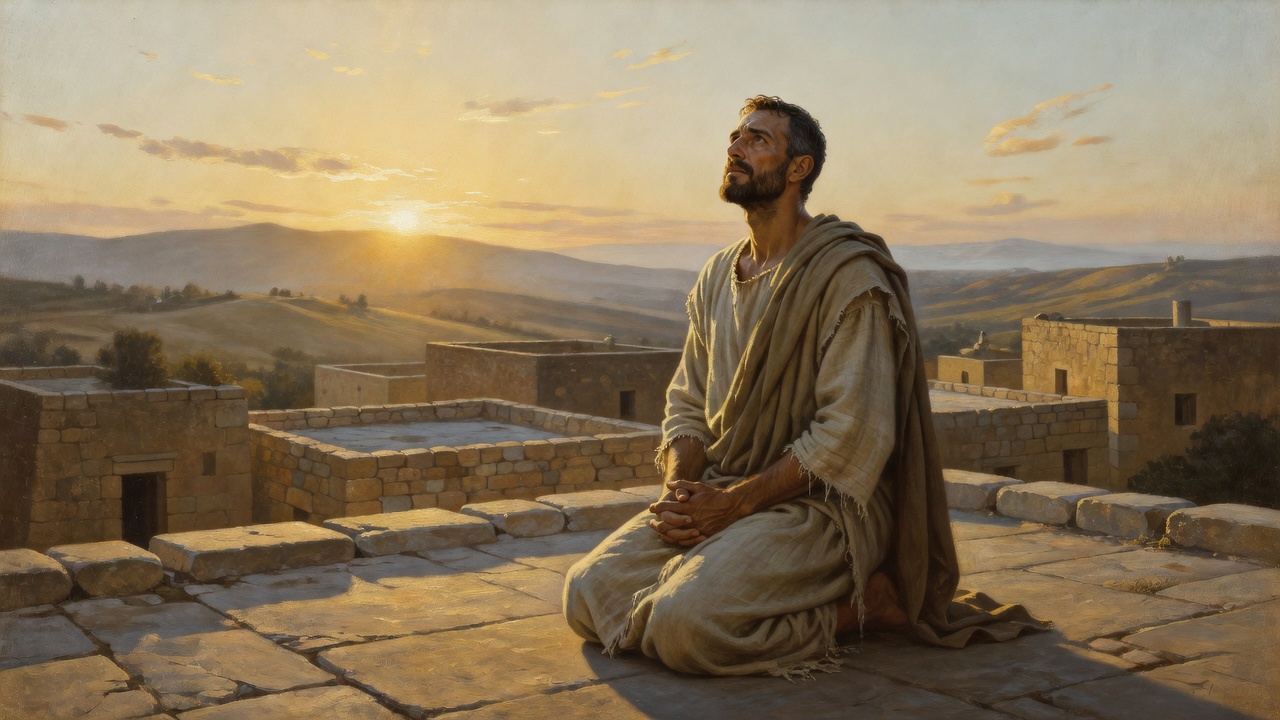
Did you know?
God's Complete Knowledge and Presence
- The psalmist uses geographic and cosmic extremes—ascending to the heavens, descending to Sheol (the realm of the dead), flying toward the dawn in the east, or settling by the farthest sea in the west—to illustrate that no place exists beyond God's presence and guidance.Sources: the Bible text itself
- The psalm depicts the creation of human life using the imagery of being knit or woven together in secret within the mother's womb, emphasizing that God observed the unformed body before any of its days existed.Sources: the Bible text itself
- After declaring total separation from the wicked and deceitful, the author concludes by inviting God to thoroughly search his own heart, test his anxieties, and redirect any offensive way toward the everlasting path.Sources: the Bible text itself
Notes written with AI assistance from open sources (Theographic Bible Metadata, CC BY-SA 4.0; Easton’s Bible Dictionary, public domain) and reviewed before publishing.
Credits and license for this translation
Tupàn ze'eg
Bible without Deuterocanon in Guajajára (BR:gub:Guajajára)
copyright © 2007 Wycliffe Bible Translators, Inc.
Language: Guajajára
Translation by: Wycliffe Bible Translators, Inc.
Guajajára [gub], Brazil
Copyright Information
© 2007, Wycliffe Bible Translators, Inc. All rights reserved.
This translation text is made available to you under the
terms of the Creative Commons License: Attribution-Noncommercial-No Derivative Works.
( http://creativecommons.org/licenses/by-nc-nd/3.0/ )
In addition, you have permission to port the text to different file formats, as long as you
do not change any of the text or punctuation of the Bible.
You may share, copy, distribute, transmit, and extract portions
or quotations from this work, provided that you include the above copyright
information:
You must give Attribution to the work.
You do not sell this work for a profit.
You do not make any derivative works that change any of the actual words or punctuation of the Scriptures.
Permissions beyond the scope of this license may be
available if you contact
us with your request.
Printed book ISBN 9788531109713
The Bible without Deuterocanon
in Guajajára
© 2007, Wycliffe Bible Translators, Inc. All rights reserved.
This translation is made available to you under the terms of the
Creative Commons Attribution-Noncommercial-No Derivatives license 4.0.
You may share and redistribute this Bible translation or extracts from it in any format, provided that:
You include the above copyright and source information.
You do not sell this work for a profit.
You do not change any of the words or punctuation of the Scriptures.
Pictures included with Scriptures and other documents on this site are licensed just for use with those Scriptures and documents.
For other uses, please contact the respective copyright owners.
2020-03-30
Source: http://ebible.org/gubBl/ · eBible.org