Numbers 11
Tupàn ze'eg · Tap a verse to see its cross-references.
Tamera pe teko wikwahyahy wà
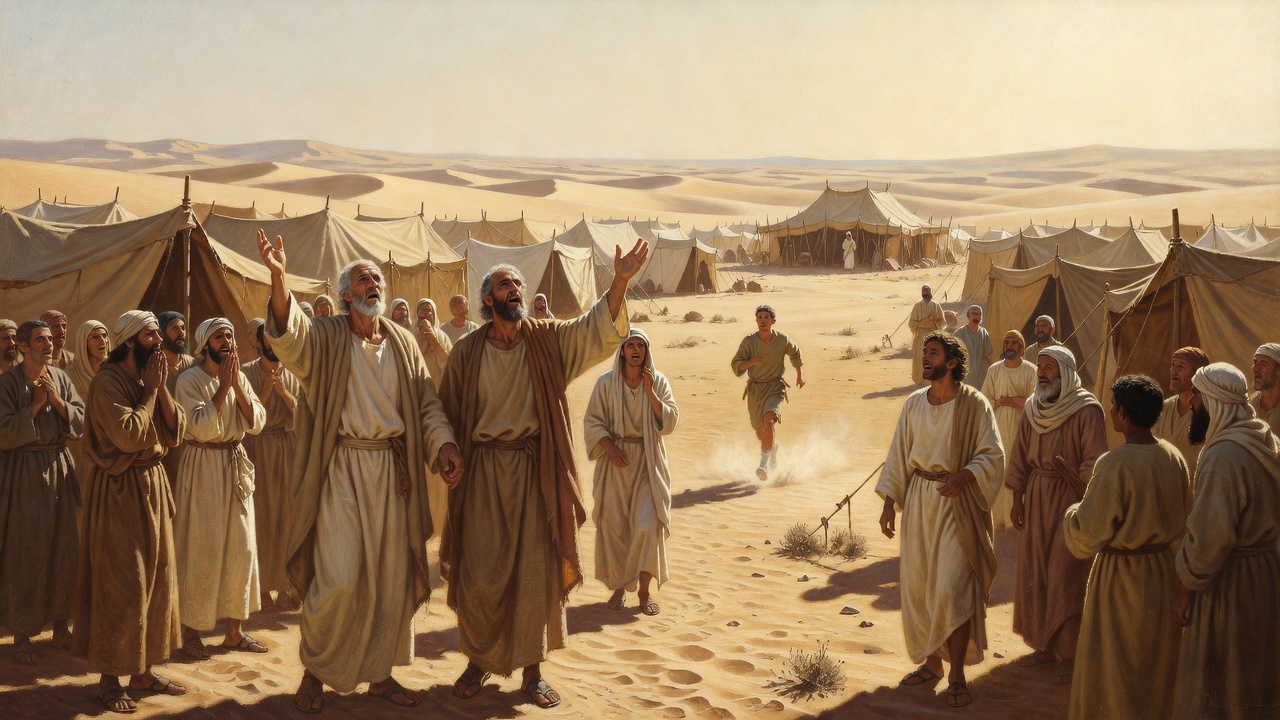
1Na'e zawaiw katu Izaew waneko haw kury. A'e rupi uzypyrog Tupàn Tuweharupi Wiko Ma'e rehe uze'eg zemueteahy haw rehe wà kury. Waze'eg henu mehe Tuweharupi Wiko Ma'e wikwahy wanupe. Umu'ar kar tata wanehe. Tata ukaz wamyter pe waker haw ipehegwer hapy pà. 2Na'e teko uhapukaz upytywà àwàm henoz pà Moizez pe wà. Moizez uze'eg Tupàn Tuweharupi Wiko Ma'e pe. Na'e tata uwew. 3A'e rupi omono Tamera a'e ywy pehegwer her romo wà, ta'e Tupàn Tuweharupi Wiko Ma'e hata ukaz wamyter pe a'e pe xe. — Tata, i'i her zaneze'eg rupi.
Wexaexak Moizez 70 upytywà àràm wà
4Heta amo ywy rehe arer Izaew wanupi wata ma'e wà. Uhez tuwe ma'ero'okwer wà. Te Izaew uzypyrog uma'uhez haw imume'u pà wà no. — A, aze mo heta ma'ero'o kwer pixik zaneremi'u ràm romo, i'i wà. 5— Ezit ywy rehe xi'u ipira. Te zanerewykàtà. Nahekuzar kwaw. Azeharomoete xiuhez temi'u a'e pe har: pipin, meràw, ka'a i'u pyr, ma'ywanem xemor her ma'e, ma'ywanem az her ma'e. 6Upaw zanekàgaw kwez kury. Naheta kwaw i'u pyr. Xo mana zo xixak.
7Mana nuzawy kwaw ma'eà'yz pixika'i ma'e xig izu wewer ma'e. 8U'ar pyhaw zuwiri inuinuromo. Iku'egwer pe teko uhem oho imono'og pà uker haw izywyr wà. Umuku'iku'i wà. Aze ru'u oxooxok ygu'a pupe wà. Umupupur zapepo pupe wà. Uma'ema'e a'e mana typy'ak ipew ma'e iapo pà wà. Hete haw nuzawy kwaw typy'ak uri kawer inuromo imihir pyrer hete haw.
10Na'e Moizez wenu teko wazai'o mehe a'e wà. Teko uzai'o wàpuzràn pupe teixe haw pe pitàitàigatu wà. Tuweharupi Wiko Ma'e wikwahy. Moizez wikwahy a'e no. 11A'e rupi Moizez uze'eg Tupàn pe. — Màràzàwe tuwe hererekoahy pe nezewe. Màràzàwe tuwe erekwahy ihewe. Màràzàwe tuwe erezapo kar ma'ereko haw zawaiw katu wera'u ma'e ihewe. Màràzàwe tuwe hemuigo kar pe 'aw teko paw wanuwihaw romo. 12Nazapo kwaw 'aw teko ihe wà. Namuzexak kar kwaw ihe wà. Màràzàwe tuwe hemuigo kar pe wanehe uzekaiw ma'e zàwenugar romo. Araha he'uwaromo kwarera'i ài ihe wà, ywy waipy pe neremimono kwer kutyr ihe wà. 13Ma'e pe apyhyk putar ma'ero'o kwer 'aw teko wanupe nehe. Heta tetea'u wà. Ur heruwake uzai'o pà wà. — Uruhez ma'ero'o kwer, i'i ihewe wà. 14Ihe zutyka'i napuner kwaw 'aw teko wanehe hezekaiw haw rehe ihe. Heta tetea'u ihewe wà. 15Aze herereko pe nezewe nehe, hepuhareko pe hezuka pà nehe. Aze hekatu newe, epuraraw kar zo ma'erahy nezewe ihewe nehe, i'i izupe.
16Tupàn Tuweharupi Wiko Ma'e uwazar Moizez ize'eg izupe kury. — Emono'og 70 awa teko Izaew wanuwihaw ihewe ne wà nehe. Eraha tàpuzràn ihewe imonokatu pyrer pe ne wà nehe. Epyta a'e pe wanehe we nehe. 17A'e mehe awezyw putar wanupe heze'eg pà nehe. Amunyryk putar herekwe ikurer newe imono pyrer newi nehe, wanupe imono pà nehe. Nezewe mehe nepytywà putar teko wanehe nezekaiw mehe a'e wà nehe. Ipuhuz katu a'e ma'ereko haw. Ne zutyka'i nerepuner kwaw iapo haw rehe nehe. A'e 70 awa nepytywà putar wà nehe. 18Emume'u ko heze'eg teko wanupe nehe kury. — Pezemukatu nehe. Nezewe mehe pyhewe pekatu putar herenataromo nehe. Pe'u putar ma'ero'o kwer nehe. Tupàn Tuweharupi Wiko Ma'e penenu pezai'o mehe a'e, ma'ero'o kwer izuhez haw imume'u mehe a'e, Ezit ywy rehe peneko katu haw imume'u mehe a'e. A'e rupi Tupàn Tuweharupi Wiko Ma'e umur putar ma'ero'o kwer peme nehe. Pe'u putar nehe. 19Napemumaw kwaw xo pitài 'ar zo i'u pà nehe. Napemumaw kwaw xo mokoz 'ar zo i'u pà nehe. Napemumaw kwaw xo 5 'ar zo i'u pà nehe. Napemumaw kwaw xo 10 'ar zo i'u pà nehe. Napemumaw kwaw xo 20 'ar zo i'u pà nehe. 20Pemumaw putar pitài zahy i'u pà nehe. Te uhem putar peapygwar rupi nehe. Pezewaru putar izuwi nehe. Pehuhuk putar hexak mehe nehe. Ta'e peityk Tupàn Tuweharupi Wiko Ma'e pemyter pe har pe xe. Ta'e peze'eg zemueteahy hehe xe. — Aze mo nazahem iwer Ezit ywy wi, peze izupe, ere wanupe nehe.
21Uze'eg Moizez. — Araha 600.000 awa wanereko ihe wà. — Amono putar ma'ero'o kwer tetea'u wanupe nehe. Umumaw putar pitài zahy i'u pà wà nehe, ere kwez ihewe. 22Ma'e pe heta àràpuhàràn hawitu ma'e tetea'u izuka pyràm wà. Ma'e pe heta tapi'ak 'aw teko wamuewykàtà kar àràm wà. Aze mo omono'og pira yryhu pe har paw, aipo uhyk mo, i'i izupe.
23Na'e Tupàn Tuweharupi Wiko Ma'e uwazar Moizez ze'eg izupe. — Aipo aiko ikàg 'ym ma'e romo nezewe ihe. Tàrityka'i erexak putar hepuner haw nehe kury. Na'arewahy erexak putar uzeapo ma'e ràm nehe kury, i'i izupe.
24Na'e Moizez umume'u Tupàn Tuweharupi Wiko Ma'e ize'eg awer teko wanupe kury. Omono'og 70 teko wanuwihaw wà. Umupu'àm kar a'e awa tàpuzràn Tupàn pe imonokatu pyrer izywyr wà. 25Na'e Tuweharupi Wiko Ma'e wezyw ywàkun pupe Moizez pe uze'eg pà kury. Ozo'ok wekwe kurer Moizez pe wemimono kwer izuwi, a'e 70 wanupe imono pà. Tekwe wanehe tur mehe uzypyrog uze'eg pà wahy haw rupi Tupàn ze'eg imume'u har zàwe wà. Nan kwehe tete upytu'u wà.
26Amo mokoz a'e 70 wanehe we har tuwihaw upyta teko waker haw pe wà. Noho kwaw tàpuzràn Tupàn pe imonokatu pyrer pe wà. Ewnaz awa ipy her romo. Menaz inugwer her romo. Tupàn Hekwe ur wanehe. Uzypyrog uze'eg pà Tupàn ze'eg imume'u har zàwe wà. 27Na'e amo kwàkwàmo uzàn oho Moizez pe. — Ewnaz a'e, Menaz a'e no, uze'eg waiko Tupàn ze'eg imume'u har zàwe teko waker haw myter pe wà. 28Na'e Zuzue Nun ta'yr a'e, kwàkwàmo romo heko mehe arer Moizez ipytywà har a'e, uze'eg nezewe a'e. — Moizez heruwihaw, emupytu'u kar nezewe waze'eg ire ne wà nehe, i'i izupe.
29Na'e uwazar ize'eg izupe. — Nema'enukwaw zo hereko haw rehe nehe. Ihe hema'enukwaw hereko haw rehe ihe. Aze mo Tupàn Tuweharupi Wiko Ma'e umur wekwe 'aw teko nànàn, ikatu mo ihewe. Aze mo umuigo kar uze'eg imume'u har romo paw rupi wà, ikatu mo ihewe, i'i.
30Na'e Moizez a'e, a'e 70 tuwihaw a'e wà no, uzewyr teko waker haw pe wà.
Tupàn umur kar wiràmiri konor her ma'e a'e wà
31A'e 'ar mehe we Tupàn Tuweharupi Wiko Ma'e umur kar ywytu yryhu wi a'e pe kury. Ywytu werur wiràmiri konor her ma'e tetea'u uzemono'og pyrer a'e pe wà. U'ar teko waker haw nànàn wà. U'ar izywyr katu wà no. Aze amo umumaw 30 kirom wata pà, nupaw kwaw wà. Upyk ywy ywytyr tetea'u iapo pà wà. Heta ru'u pitài met aiha haw pe. 32Nezewe umumaw a'e 'ar wà. Umumaw pytun gatu wà no. Umumaw amo 'ar wà no, uma'ereko pà konor wamono'og pà wà. Pitàitàigatu omono'og 1.000 kir wà. Umuhàmuhàz uker haw izywyr wamuxinig kar pà wà. 33Wano'o kwer heta tetea'u mehe we Tupàn Tuweharupi Wiko Ma'e wikwahy teko wanupe kury. Uzepyk wanehe ma'eahy haw iaiw ma'e imono pà wanupe. Umàno teko tetea'u wà. 34A'e rupi Kimorot-Atawa i'i a'e ywy pehegwer pe wà. — Ma'e putar haw izutym awer, i'i zaneze'eg rupi. Ta'e uzutym teko ma'ero'o kwer hemimue'o kar kwer a'e pe wà xe.
35A'e re Izaew oho Azerot pe uker haw iapo pà a'e pe wà kury.
Did you know?
Complaints, Quail, and the Spirit in the Camp
- The places mentioned in this chapter derive their names from events during the journey: Taberah means "burning," named after fire consumed the outskirts of the camp, while Kibroth-hattaavah means "graves of longing" or "graves of lust," where those who craved meat were buried.Sources: Taberah · Kibroth-hattaavah · the Bible text itself
- Although seventy elders were selected to help Moses bear the responsibility of leadership, Eldad and Medad remained in the camp instead of going to the Tent of Meeting, yet the Spirit rested on them and they prophesied. When Joshua urged Moses to stop them, Moses replied that he wished all the Lord's people were prophets.Sources: Eldad · Joshua · the Bible text itself
- The text describes manna as resembling coriander seed and resin, which the Israelites gathered, ground with handmills or crushed in mortars, and boiled in pots or baked into cakes tasting like pastry prepared with fine oil.Sources: the Bible text itself
Notes written with AI assistance from open sources (Theographic Bible Metadata, CC BY-SA 4.0; Easton’s Bible Dictionary, public domain) and reviewed before publishing.
Places in this chapter
Only places identified with high confidence are shown (90% or more according to the scholarly sources compiled by OpenBible). Period map: DARE (Digital Atlas of the Roman Empire), CC BY 4.0; modern map: © OpenStreetMap contributors; places: OpenBible.info (CC BY 4.0).
Credits and license for this translation
Tupàn ze'eg
Bible without Deuterocanon in Guajajára (BR:gub:Guajajára)
copyright © 2007 Wycliffe Bible Translators, Inc.
Language: Guajajára
Translation by: Wycliffe Bible Translators, Inc.
Guajajára [gub], Brazil
Copyright Information
© 2007, Wycliffe Bible Translators, Inc. All rights reserved.
This translation text is made available to you under the
terms of the Creative Commons License: Attribution-Noncommercial-No Derivative Works.
( http://creativecommons.org/licenses/by-nc-nd/3.0/ )
In addition, you have permission to port the text to different file formats, as long as you
do not change any of the text or punctuation of the Bible.
You may share, copy, distribute, transmit, and extract portions
or quotations from this work, provided that you include the above copyright
information:
You must give Attribution to the work.
You do not sell this work for a profit.
You do not make any derivative works that change any of the actual words or punctuation of the Scriptures.
Permissions beyond the scope of this license may be
available if you contact
us with your request.
Printed book ISBN 9788531109713
The Bible without Deuterocanon
in Guajajára
© 2007, Wycliffe Bible Translators, Inc. All rights reserved.
This translation is made available to you under the terms of the
Creative Commons Attribution-Noncommercial-No Derivatives license 4.0.
You may share and redistribute this Bible translation or extracts from it in any format, provided that:
You include the above copyright and source information.
You do not sell this work for a profit.
You do not change any of the words or punctuation of the Scriptures.
Pictures included with Scriptures and other documents on this site are licensed just for use with those Scriptures and documents.
For other uses, please contact the respective copyright owners.
2020-03-30
Source: http://ebible.org/gubBl/ · eBible.org