Micah 6
Tupàn ze'eg · Tap a verse to see its cross-references.
Tupàn umume'u wemiaihu wanemiapo kwer ikatu 'ym ma'e wanehe uzepyk àwàm no
1Tupàn Tuweharupi Wiko Ma'e umume'u putar wemiaihu wanemiapo kwer ikatu 'ym ma'e nehe kury. Peinu katu ize'eg nehe kury.
Epu'àm, Tupàn, wanemiapo kwer ikatu 'ym ma'e imume'u pà nehe.
Ywytyruhu wà nehe, ywytyr wà nehe no, tuwe wenu ize'eg mehe wà nehe kury.
2O ywytyruhu wà. O ywy iwype har ikàg ma'e wà.
Peinu katu Tupàn Tuweharupi Wiko Ma'e Izaew wanemiapo kwer ikatu 'ym ma'e imume'u mehe nehe kury.
Ta'e heta amo ma'e wemiaihu wanehe we iapo katu pyràm a'e rihi xe.
Umume'u putar teko Izaew wanemiapo kwer ikatu 'ym ma'e a'e nehe kury.
3Nezewe uze'eg Tupàn Tuweharupi Wiko Ma'e kury. — Heremiaihu wà, ma'e azapo kar peme herape iawy kar pà peme. Aipo azapo kar ma'e tetea'u wera'u peme. Pewazar heze'eg ihewe kury. 4Kwehe mehe apupyro Ezit ywy wi ihe. Peiko amo wanupe uma'erekoahy e ma'e romo a'e 'ar mehe. Apupyro ihe. Amono kar Moizez peme. Amono kar Àràw peme no. Amono kar Mirià peme no. Peneruze'eg arer romo wanekon wà. Wexak kar peata àwàm ywyxiguhu rehe har peme wà. 5Heremiaihu wà. Pema'enukwaw Marak hemiapo putar awer rehe. Moaw wanuwihawete romo hekon a'e. Ipurapo kar wer ikatu 'ym ma'e rehe peme. Pema'enukwaw Màrààw Meor ta'yr peze'eg iwazar awer rehe no. Uzeapo ma'e tetea'u a'e 'ar rehe. Pehem ywyàpyznaw Akaz her ma'e wi peker haw wi. Peata tetea'u peho peiko. Na'e iahykaw rehe pehem tawhu Ziwkaw pe. Pema'enukwaw a'e 'ar rehe uzeapo ma'e kwer paw wanehe. Ihe Tupàn Tuweharupi Wiko Ma'e apupytywà ihe. A'e rupi peityk peàmàtyry'ymar paw wà. Peneharaz zo a'e ma'e paw wanuwi nehe.
Ma'e te Tupàn uzapo kar zanewe
6Ma'e araha putar hezeupi Tupàn Tuweharupi Wiko Ma'e imuwete katu mehe ihe nehe. Ma'e amono putar Tupàn Ywate Wera'u Ma'e pe nehe. Aipo amono putar tapi'aka'yr pitài kwarahy hereko har izupe wà nehe. Aipo amunyk putar tata wanapy paw pà nehe. 7Aipo Tupàn Tuweharupi Wiko Ma'e hurywete putar nehe, aze azuka àràpuhàràn hawitu ma'e tetea'u henataromo wà nehe. Aipo hurywete putar uri kawer 'y yrykawhu pupe har zàwenugar rehe nehe, aze amono izupe nehe. Aipo azuka putar hera'yripy heremiapo kwer ikatu 'ym ma'e hekuzaromo nehe, iaiw ma'e hekuzaromo nehe, henataromo nehe.
8Tupàn Tuweharupi Wiko Ma'e wexak kar ukatu haw zanewe a'e. Uzapo kar ma'e iko zanewe. Umume'u wemiapo putar haw zanewe. Ikatu ma'e iapo haw uputar iko a'e. Aze zazeamutamutar katu tuwe nehe, hurywete putar nehe. Aze nazaiko wera'u kwaw amo wanuwi nehe, aze xiruzar ize'eg nehe, hurywete putar nehe.
9Tupàn Tuweharupi Wiko Ma'e uze'eg iko Zeruzarez tawhu pe har wanupe. Ma'e kwaw katu har uzeapyaka katu ize'eg rehe wà, imuwete katu pà wà. Nezewe uze'eg iko. — Zuta izuapyapyr wà. Zeruzarez tawhu pe har wà. Peinu katu ko heze'eg nehe. 10Heta tetea'u temetarer teko ikatu 'ym ma'e wanàpuz me. Imunar a'e temetarer rehe imono'og mehe wà. Uma'ereko puhuz haw hagaw paw hemu'em ma'e rehe we wà. Iro wanemiapo kwer ihewe. 11Aze amo wexak kar ma'e puhuz haw hagaw paw hemu'em ma'e pupe, aipo apuner iaiw paw wi hereharaz haw rehe nehe. 12Zeruzarez tawhu pe hemetarer katu ma'e imunar teko wama'e rehe wà. A'e pe wiko ma'e paw a'e wà, wiko hemu'em ma'e romo a'e wà, imunar ma'e romo a'e wà no. 13A'e rupi azypyrog penehe hezepyk pà kury. Apumumaw putar penemiapo kwer ikatu 'ym ma'e rehe ihe nehe. 14Penemi'u ràm nuhyk kwaw peme nehe. Pema'uhez putar tuweharupi nehe. Peporomono'og wer putar penemetarer tetea'u rehe nehe. Napepuner kwaw wyzài penemetarer imono'ogaw rehe nehe. Aze pemonokatu amo ma'e pe nehe, amuaiw kar putar a'e ma'e zauxiapekwer wanupe peàmàtyry'ym kar mehe ihe nehe. 15Pezutym putar ma'eà'yz nehe. Nape'u kwaw ma'e nehe. Pezuhazuhaw putar uri nehe. Nape'u kwaw ikawer nehe. Pepyropyrog putar uwà rehe nehe. Nape'u kwaw tykwer nehe. 16A'e ma'e paw uzeapo putar nehe, ta'e pezapo iaiw ma'e tuwihawete Oniri ài pe xe, ta'yr tuwihawete Akaw ài pe no xe. Pezapo ma'e peho peiko waze'eg awer rupi katete. A'e rupi amumaw putar Zeruzarez tawhu nehe. Teko amo ae ywy rehe har paw upuka putar a'e tawhu pe har wanehe wà nehe. Teko paw uze'eg zemueteahy putar penehe wà nehe.
Did you know?
The Lord's Lawsuit and True Requirements
- The chapter opens as a legal covenant dispute where God calls the mountains and foundations of the earth to stand as witnesses against Israel. God reminds the people of his faithfulness in delivering them from Egypt under Moses, Aaron, and Miriam, and protecting them from Balak of Moab through Balaam during their journey from Shittim to Gilgal.Sources: the Bible text itself · Miriam · Balak · Balaam
- The text contrasts extreme outward sacrifices—such as offering thousands of rams, torrents of olive oil, or even child sacrifice—with what God genuinely requires. True devotion is defined simply as acting justly, loving mercy, and walking humbly with God.Sources: the Bible text itself
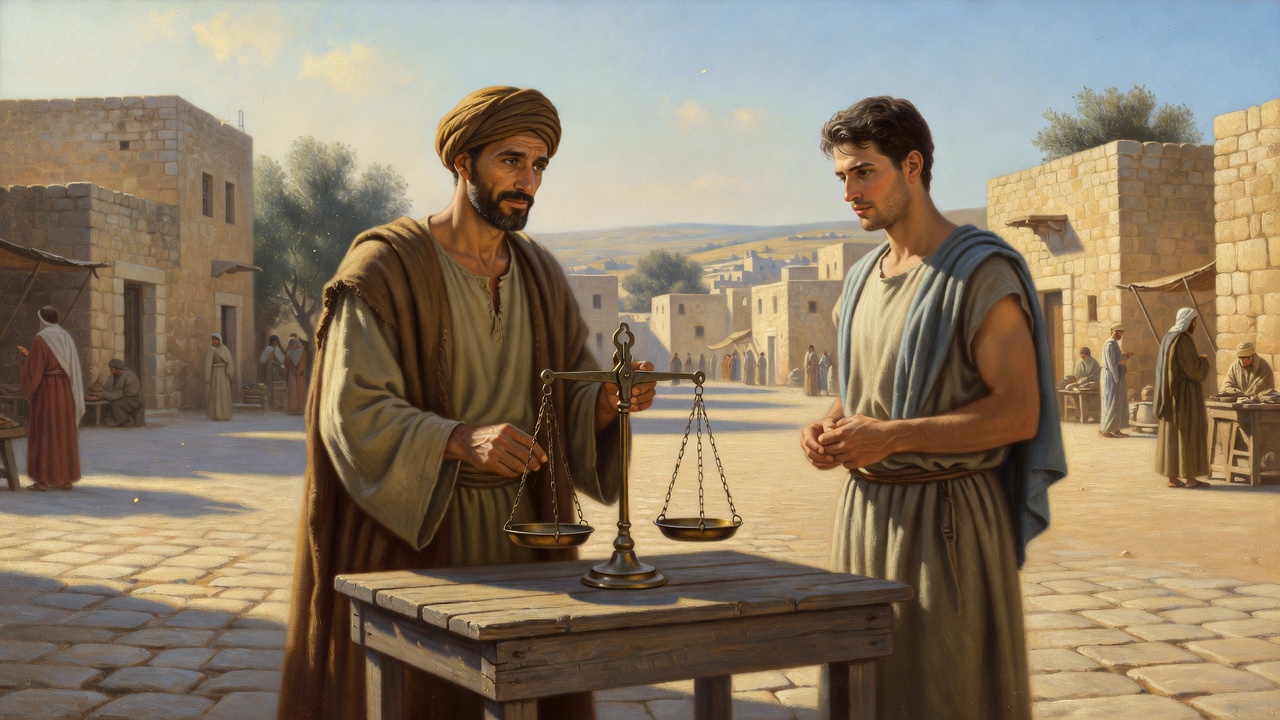
- Micah denounces urban economic injustice, explicitly condemning dishonest merchants who used false weights, deceptive scales, and short ephahs. He warns that following the corrupt statutes and practices associated with northern kings Omri and Ahab will bring devastation and public contempt.Sources: the Bible text itself · Omri · Ahab
Notes written with AI assistance from open sources (Theographic Bible Metadata, CC BY-SA 4.0; Easton’s Bible Dictionary, public domain) and reviewed before publishing.
Places in this chapter
- Egypt · 30.129, 31.308 · verse 4
- Moab · Today: Moab 1 · 31.181, 35.701 · verse 5
- Jerusalem · 31.777, 35.234 · verse 9
Only places identified with high confidence are shown (90% or more according to the scholarly sources compiled by OpenBible). Period map: DARE (Digital Atlas of the Roman Empire), CC BY 4.0; modern map: © OpenStreetMap contributors; places: OpenBible.info (CC BY 4.0).
Credits and license for this translation
Tupàn ze'eg
Bible without Deuterocanon in Guajajára (BR:gub:Guajajára)
copyright © 2007 Wycliffe Bible Translators, Inc.
Language: Guajajára
Translation by: Wycliffe Bible Translators, Inc.
Guajajára [gub], Brazil
Copyright Information
© 2007, Wycliffe Bible Translators, Inc. All rights reserved.
This translation text is made available to you under the
terms of the Creative Commons License: Attribution-Noncommercial-No Derivative Works.
( http://creativecommons.org/licenses/by-nc-nd/3.0/ )
In addition, you have permission to port the text to different file formats, as long as you
do not change any of the text or punctuation of the Bible.
You may share, copy, distribute, transmit, and extract portions
or quotations from this work, provided that you include the above copyright
information:
You must give Attribution to the work.
You do not sell this work for a profit.
You do not make any derivative works that change any of the actual words or punctuation of the Scriptures.
Permissions beyond the scope of this license may be
available if you contact
us with your request.
Printed book ISBN 9788531109713
The Bible without Deuterocanon
in Guajajára
© 2007, Wycliffe Bible Translators, Inc. All rights reserved.
This translation is made available to you under the terms of the
Creative Commons Attribution-Noncommercial-No Derivatives license 4.0.
You may share and redistribute this Bible translation or extracts from it in any format, provided that:
You include the above copyright and source information.
You do not sell this work for a profit.
You do not change any of the words or punctuation of the Scriptures.
Pictures included with Scriptures and other documents on this site are licensed just for use with those Scriptures and documents.
For other uses, please contact the respective copyright owners.
2020-03-30
Source: http://ebible.org/gubBl/ · eBible.org