Malachi 3
Tupàn ze'eg · Tap a verse to see its cross-references.
1Nezewe uze'eg Tupàn Ikàg Wera'u Ma'e. — Amono kar putar heze'eg heraha har herenataromo nehe. Umuàgà'ym putar herape ràm ihewe nehe. Pekar pezar ràm peiko. A'e tuwihaw uhem putar na'arewahy wàpuzuhu pe nehe. Ize'eg imume'u àràm penemiàro uhem iko kury. Azapo putar heze'egaw penehe we ihe nehe. Werur a'e heze'egaw iko peme.
2Ihemaw 'ar mehe mo upuner putar umàno 'ymaw rehe wà nehe. Mo ikàg putar izexak kar mehe wà nehe. Ta'e nuzawy kwaw tata nehe xe, tata zanemukatu àràm nehe xe. Nuzawy kwaw zàmàw zanemuzahak àwàm nehe no. 3Wapyk putar wenaw rehe xaxeto Erewi izuapyapyr wamukatu pà nehe. Teko umupyràn itaxig parat wà, itazu or wà no, ipiw paw imuhem kar pà izuwi wà, imukatu pà wà. Nezewegatete umukatu putar xaxeto wà nehe. Nezewe mehe upuner putar Tupàn pe ma'ea'yr wazuka haw rehe henataromo hemimutar rupi a'e wà nehe. 4A'e 'ar mehe ma'e Zuta wanemirur ràm wà nehe, Zeruzarez pe har wanemirur ràm wà nehe no, ikatuahy putar Tupàn pe wà nehe, kwehe arer zàwegatete wà nehe.
5Tupàn Ikàg Wera'u Ma'e uze'eg iko teko wemiaihu wanupe kury. — Azur putar penemiapo kwer ikatu 'ymaw imume'u pà nehe. Amume'u putar hemuwete 'ymar wanemiapo kwer nehe. Paze ma'e wà, wemireko 'ym puhe oho ma'e wà, umen 'ym puhe oho ma'e wà, hemu'em ma'e wà, uma'ereko ma'e wanehe imunar ma'e wà, kuzà imen umàno ma'e kwer wanemetarer ipyhyk e har wà, kwarer tu 'ym ma'e kuzàtài tu 'ym ma'e wanemetarer ipyhyk e har wà. Agwer peinuinuromo har paw wanehe azepyk putar nehe.
Ma'e Tupàn pe imur pyràm
6Nezewe uze'eg Tupàn Tuweharupi Wiko Ma'e kury. — Aiko Tupàn Tuweharupi Wiko Ma'e romo ihe. Herekuwe haw tuweharupi a'e rupi katete we ihe. A'e rupi ni amo napemumaw kwaw a'e wà. Peiko Zako izuapyapyr romo. 7Peiko peipy wazàwe. Pepytu'u heze'eg heruzar ire. Napezeruzar kwaw herehe. Pezewyr ihewe nehe. Ihe azewyr putar peme ihe nehe no. Na'e pepuranu herehe kury. — Ma'e uruzapo putar newe urezemuzewyr kar pà nehe, peze ihewe. 8Na'e apuranu penehe. — Aipo amo upuner Tupàn rehe imunar haw rehe wà, a'e peme. Pemunar herehe tuweharupi. Nezewe rehe we pepuranu peiko herehe. — Ma'e uruzapo nerehe uremunar pà ure, peze peiko ihewe. Heze'eg kwehe arer umur kar amo ma'e peme. Pemunar peiko herehe a'e ma'e imur mehe. Aze heta 10 ma'e peme, pemur pitài ihewe nehe, i'i ze'eg kwehe arer. — Pitài ma'e 10 ma'e wanuwi Tupàn pe imono pyr, i'i teko a'e ma'e pe wà. (-Zizimo, i'i karaiw izupe wà.) Pemunar herehe ihewe imur pyr herur mehe. 9Pe upaw rupi pemunar peiko herehe. A'e rupi amono heze'egaiw peiwy rehe har nànàn ihe kury. 10Ihe Tupàn Ikàg Wera'u Ma'e azapo kar ko ma'e teko peme kury. Perur pema'e ihewe imur pyràm paw heràpuzuhu pe imonokatu haw pe nehe. Nezewe mehe uhyk putar temi'u heràpuzuhu pe nehe. Heragaw pe nehe. Pexak putar hekatu haw nehe. Awàpytymawok putar ywak hukenaw nehe. Amur kar putar heze'egatu ikatuahy ma'e penehe ihe nehe. 11Namumaw kar kwaw penemitygwer tukur wanupe nehe. Uwà tyw peiwy rehe har i'akatu tetea'u wà nehe no. 12Teko amo ae ywy nànànar uze'eg putar nezewe penehe wà nehe. — A'e teko hurywete tuwe wà, i'i putar wà nehe. Ta'e peiko ywy ikatuahy ma'e rehe pe xe. Ta'e hezuz katu ma'e peiwy rehe xe. Ihe Tupàn Ikàg Wera'u Ma'e aze'eg kwez kury.
Tupàn purupuhareko haw
13Tupàn Tuweharupi Wiko Ma'e uze'eg kury. — Peze'eg zemueteahy herehe. Nezewe rehe we pepuranu herehe nezewe. — Ma'e uru'e nerehe ureze'eg zemueteahy mehe ure, peze peiko. 14Nezewe peze'eg peiko. — Na'ikatu kwaw Tupàn hemiruze'eg romo zanereko haw. Aze xiapo Tupàn Ikàg Wera'u Ma'e hemiapo putar haw zane, nezewe rehe we nazanekatu kwaw izupe. Aze ximunehew kamir pihun teko umàno ma'e kwer tymaw pe har zanezemumikahy haw hexak kar pà Tupàn pe, nezewe rehe we nazanekatu kwaw izupe. 15Wiko wera'u ma'e hurywete wà. Nazawaiw kwaw wanurywete haw hexakaw. Waneko haw paw ikatuahy ikatu 'ym ma'e iapo har wanupe. Aze wagaw Tupàn Tuweharupi Wiko Ma'e wà, nuzepyk kwaw wanehe a'e, peze peiko.
16Na'e Tupàn Tuweharupi Wiko Ma'e wi ukyze katu ma'e uze'eg uzeupeupe wà kury. Tupàn uzeapyaka katu waze'eg rehe. Na'e amo werur amo pape Tupàn henataromo kury. Umuapyk imuwete katu har waner a'e pape rehe. 17Na'e uze'eg Tupàn Ikàg Wera'u Ma'e kury. — Wiko putar heremiaihu romo wà nehe. Amuàgà'ym amo 'ar teko ihe. A'e 'ar ihem mehe wiko putar teko heremiaihu romo wà nehe. Apuhareko katu ihe wà nehe. Aze ta'yr weruzar katu u ze'eg, tu uzamutar katu wa'yr. Nezewegatete azamutar katu putar a'e teko ihe wà nehe no. 18Iahykaw rehe uzeapo putar ikatu ma'e teko ikatu ma'e wanupe nehe. Uzeapo putar ikatu 'ym ma'e teko ikatu 'ym ma'e wanupe nehe no. Heremiaihu wexak putar a'e ma'e uzeapo ma'e ràm wà nehe. Ikatu ma'e uzeapo putar hereruzar har wanupe nehe. Ikatu 'ym ma'e uzeapo putar hereruzar 'ymar wanupe nehe, i'i Tupàn.
Did you know?
The Messenger of the Covenant and the Refiner's Fire
- The prophecy describes the coming messenger of the covenant acting like a refiner's fire and launderer's soap to purify the descendants of Levi, the third son of Jacob whose lineage served as priests. This purification was intended to restore righteous offerings from Judah and Jerusalem.Sources: the Bible text itself · Levi (patriarch) · Jerusalem
- The chapter addresses the withholding of tithes and offerings as robbing God. The people are challenged to bring the full tithe into the temple storehouse, with the promise that heaven's windows would open and the devourer would be rebuked from ruining their fields and vines.Sources: the Bible text itself
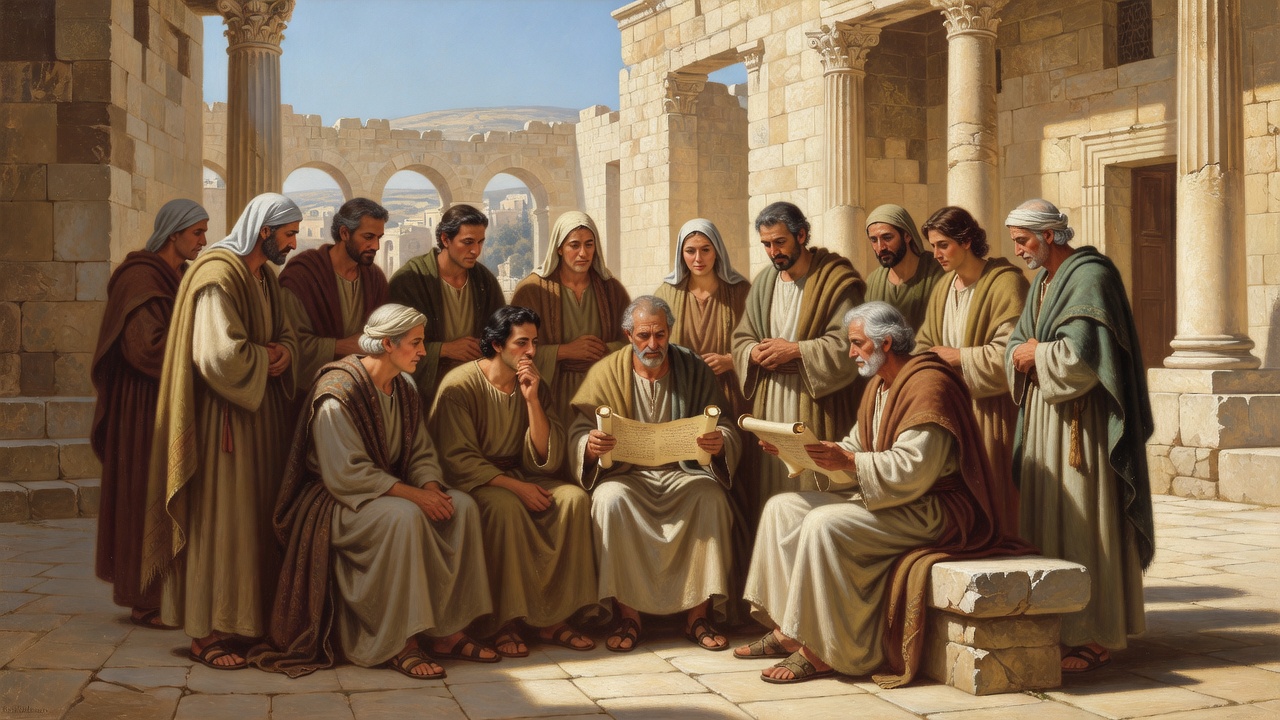
- When skeptics complained that keeping God's requirements yielded no profit while wrongdoers prospered, those who feared the Lord gathered to speak with one another. In response, a scroll of remembrance was written before Him to honor those who revere His name.Sources: the Bible text itself
Notes written with AI assistance from open sources (Theographic Bible Metadata, CC BY-SA 4.0; Easton’s Bible Dictionary, public domain) and reviewed before publishing.
Places in this chapter
- Jerusalem · 31.777, 35.234 · verse 4
Only places identified with high confidence are shown (90% or more according to the scholarly sources compiled by OpenBible). Period map: DARE (Digital Atlas of the Roman Empire), CC BY 4.0; modern map: © OpenStreetMap contributors; places: OpenBible.info (CC BY 4.0).
Credits and license for this translation
Tupàn ze'eg
Bible without Deuterocanon in Guajajára (BR:gub:Guajajára)
copyright © 2007 Wycliffe Bible Translators, Inc.
Language: Guajajára
Translation by: Wycliffe Bible Translators, Inc.
Guajajára [gub], Brazil
Copyright Information
© 2007, Wycliffe Bible Translators, Inc. All rights reserved.
This translation text is made available to you under the
terms of the Creative Commons License: Attribution-Noncommercial-No Derivative Works.
( http://creativecommons.org/licenses/by-nc-nd/3.0/ )
In addition, you have permission to port the text to different file formats, as long as you
do not change any of the text or punctuation of the Bible.
You may share, copy, distribute, transmit, and extract portions
or quotations from this work, provided that you include the above copyright
information:
You must give Attribution to the work.
You do not sell this work for a profit.
You do not make any derivative works that change any of the actual words or punctuation of the Scriptures.
Permissions beyond the scope of this license may be
available if you contact
us with your request.
Printed book ISBN 9788531109713
The Bible without Deuterocanon
in Guajajára
© 2007, Wycliffe Bible Translators, Inc. All rights reserved.
This translation is made available to you under the terms of the
Creative Commons Attribution-Noncommercial-No Derivatives license 4.0.
You may share and redistribute this Bible translation or extracts from it in any format, provided that:
You include the above copyright and source information.
You do not sell this work for a profit.
You do not change any of the words or punctuation of the Scriptures.
Pictures included with Scriptures and other documents on this site are licensed just for use with those Scriptures and documents.
For other uses, please contact the respective copyright owners.
2020-03-30
Source: http://ebible.org/gubBl/ · eBible.org