Leviticus 21
Tupàn ze'eg · Tap a verse to see its cross-references.
Tupàn hemiapo kar xaxeto wanupe
1— Emume'u ko heze'eg xaxeto Àràw izuapyapyr wanupe nehe, i'i Tupàn Tuweharupi Wiko Ma'e Moizez pe. — Tuwe ni amo xaxeto nopokok kwaw wànàm umàno ma'e kwer hetekwer rehe wà nehe. Ta'e ikatu 'ym ma'e romo uzeapo putar nezewe mehe wà nehe xe. 2Xo wànàmete rehe zo upuner opokokaw rehe: uhy, aze ru'u wa'yr, 3wazyr, wyky'yr, wywyr, weinyr wàpuz me wiko ma'e. 4Tuwe nuzeapo kwaw ikatu 'ym ma'e romo weinyr imen ma'e kwer umàno ma'e kwer rehe opokok awer rehe nehe.
5Tuwe xaxeto nupin kwaw wàkàg wà nehe. Tuwe nomonohok kwaw wamutaw wà nehe. Nuzekixi kwaw umàno ma'e kwer rehe uzemumikahy haw hexak kar pà wà nehe. 6Uzeruzar putar Tupàn uzar rehe wà nehe. Nuzeruzar kwaw amo rehe wà nehe. Nuze'eg zemueteahy kwaw Tupàn her rehe wà nehe. Omono putar temi'u Tupàn Tuweharupi Wiko Ma'e pe imono pyr izupe wà nehe. A'e rupi, tuwe uzeruzar katu hehe wà nehe. 7Uzemonokatu Tupàn ima'ereko haw rehe wà nehe. A'e rupi nupuner kwaw kuzà wyzài hereko haw rehe wemireko romo wà nehe. Nuwereko kwaw kuzà amo awa puhe oho ma'e kwer wà nehe. Aze kuzà wiko amo awa hemireko romo nehe, aze imen upuir izuwi nehe, xaxeto nuwereko kwaw a'e kuzà wà nehe. 8Xaxeto omono temi'u Tupàn pe imono pyr izupe. A'e rupi teko katuahy, i'i a'e xaxeto pe wà. Ihe Tupàn Tuweharupi Wiko Ma'e ihe, hekatuahy ihe. Aexaexak Izaew izuapyapyr ihe wà, ikatuahy ma'e romo wamuigo kar pà ihe wà.
9Aze amo xaxeto tazyr umuaiw uwer kuzà wyzài romo wiko pà nehe, umumaranugar kar putar u nezewe mehe a'e nehe. Peapy hekuwe mehe wà nehe.
10Xaxeto wanuwihaw wiko xaxeto romo a'e, amo xaxeto uri kawer Tupàn henataromo imukatu pyrer izakook mehe iàkàg rehe a'e, xaxeto wama'e imunehew pà uzehe a'e. A'e rupi, tuwe nupytu'u kwaw u'aw imuguz re a'e nehe. Tuwe numu'i kwaw uma'e uzemumikahy haw hexak kar pà nehe. 11Tuwe nopokok kwaw umàno ma'e kwer hetekwer rehe nehe. Ni u hetekwer rehe ni uhy hetekwer rehe nopokok kwaw nehe. Wiko mo ikatu 'ym ma'e romo aze mo opokok hehe. 12Tàpuzràn Tupàn pe imonokatu pyrer pupe heixe mehe umuaiw mo tàpuzràn. Aiko Tupàn Tuweharupi Wiko Ma'e romo ihe. 13Xo kuzà awa puhe oho pixik 'ym ma'e hereko haw rehe zo xaxeto wanuwihaw upuner putar nehe. 14Nuwereko kwaw kuzà imen umàno ma'e nehe. Aze kuzà wiko amo awa hemireko romo nehe, aze imen upuir izuwi nehe, nuwereko kwaw a'e kuzà nehe. Nupuner kwaw kuzà wyzài romo wiko ma'e hereko haw rehe nehe. Upuner xo kuzà Izaew izuapyr awa puhe oho pixik 'ym ma'e hereko haw rehe zo wemireko romo nehe. 15Nezewe mehe izuapyapyr wiko putar ikatu ma'e romo Tupàn henataromo wà nehe. Aiko Tupàn Tuweharupi Wiko Ma'e romo ihe. Ihe amuigo kar a'e awa xaxeto romo ihe.
16Tupàn Tuweharupi Wiko Ma'e umume'u ko ma'e Moizez pe kury.
17— Emume'u ko ma'e Àràw pe nehe. — Wyzài izuapyr a'e, aze heta amo ixiro haw hehe nehe, nupuner kwaw temi'u ihewe imur pyr imur haw rehe ihewe nehe. Ko heze'eg peruzar tuweharupi nehe. Pepytu'u zo heruzar ire nehe. 18Ni amo awa uxiro ma'e nupuner kwaw ma'e imur pyr imur haw rehe herenataromo wà nehe: hehàpyhà 'ym ma'e, wata 'ym ma'e, huwaxiro ma'e, hetekwer iapar ma'e, 19hetymà upen ma'e, izywa upen ma'e, 20ikupeapar ma'e, iaikwer ma'e, heha rehe ima'eahy ma'e, ipir rehe izuhazuhar ma'e, wyzài perew hereko har, hapi'a hereko 'ymar. 21Ni amo Àràw izuapyr agwer ixiro ma'e nupuner kwaw temi'u imur pyr ihewe imur haw rehe wà nehe. Aze heta ixiro haw hehe nehe, nupuner kwaw temi'u herenataromo imur haw rehe nehe. 22A'e awa upuner a'e temi'u ikurer i'u haw rehe nehe, imonokatu pyrer nehe, imonokatu pyrer 'ym nehe no. 23Nupuner kwaw pànuhu herenaw ikatuahy ma'e izywyr har huwake uhemaw rehe nehe. Nupuner kwaw ma'ea'yr hapy haw huwake uhemaw rehe nehe. Ta'e heta ixiro haw hehe xe. A'e rupi umuaiw mo a'e ma'e. Aiko Tupàn Tuweharupi Wiko Ma'e romo. Amonokatu a'e ma'e paw hezeupe.
24Moizez umume'u a'e ma'e Àràw pe, ta'yr wanupe no, teko Izaew izuapyapyr nànàn no.
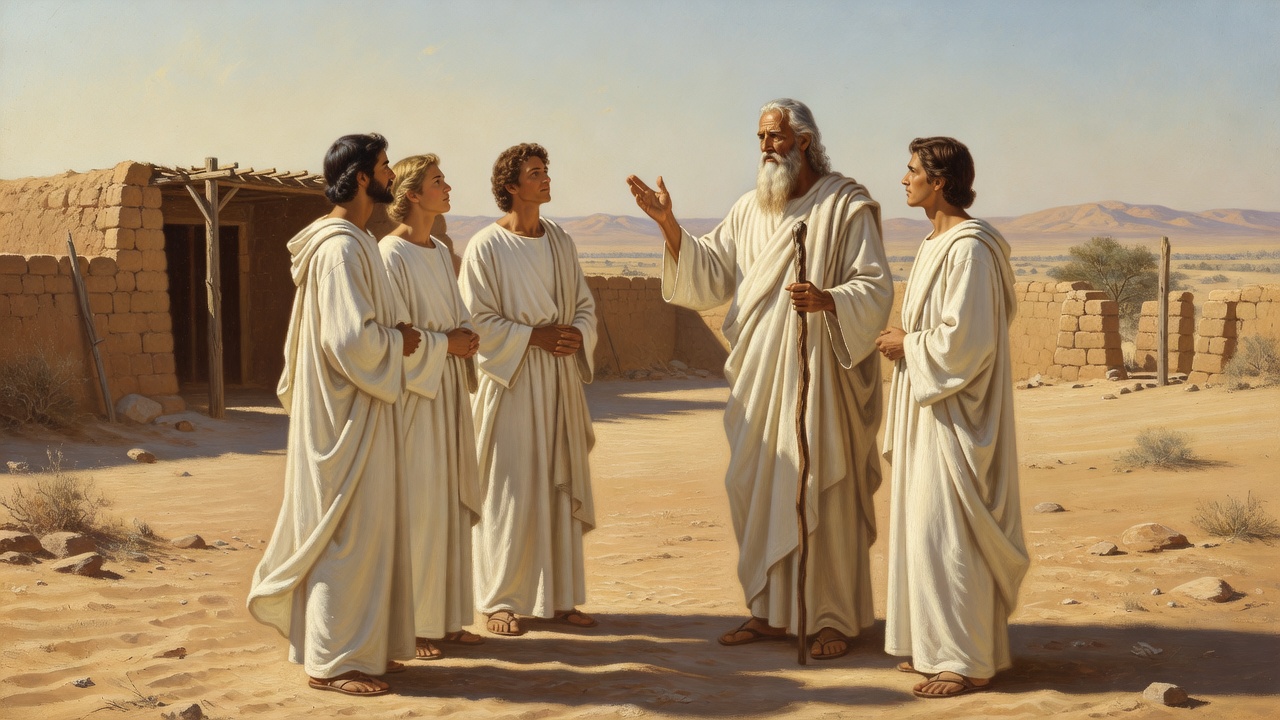
Did you know?
Holiness and Requirements for the Priesthood
- Ordinary priests were permitted to mourn only for immediate blood relatives—parents, children, and unmarried siblings—whereas the high priest was strictly forbidden from defiling himself for any corpse, including his own parents, and could not tear his vestments in grief.Sources: the Bible text itself
- While regular priests were forbidden from marrying divorced women or prostitutes, the high priest faced an even stricter standard: he was permitted to marry only a virgin from his own people.Sources: the Bible text itself
- Descendants of Aaron with physical blemishes or injuries were disqualified from presenting fire offerings at the altar, but they were still fully permitted to share in and eat the holy and most holy food portions.Sources: the Bible text itself
Notes written with AI assistance from open sources (Theographic Bible Metadata, CC BY-SA 4.0; Easton’s Bible Dictionary, public domain) and reviewed before publishing.
Credits and license for this translation
Tupàn ze'eg
Bible without Deuterocanon in Guajajára (BR:gub:Guajajára)
copyright © 2007 Wycliffe Bible Translators, Inc.
Language: Guajajára
Translation by: Wycliffe Bible Translators, Inc.
Guajajára [gub], Brazil
Copyright Information
© 2007, Wycliffe Bible Translators, Inc. All rights reserved.
This translation text is made available to you under the
terms of the Creative Commons License: Attribution-Noncommercial-No Derivative Works.
( http://creativecommons.org/licenses/by-nc-nd/3.0/ )
In addition, you have permission to port the text to different file formats, as long as you
do not change any of the text or punctuation of the Bible.
You may share, copy, distribute, transmit, and extract portions
or quotations from this work, provided that you include the above copyright
information:
You must give Attribution to the work.
You do not sell this work for a profit.
You do not make any derivative works that change any of the actual words or punctuation of the Scriptures.
Permissions beyond the scope of this license may be
available if you contact
us with your request.
Printed book ISBN 9788531109713
The Bible without Deuterocanon
in Guajajára
© 2007, Wycliffe Bible Translators, Inc. All rights reserved.
This translation is made available to you under the terms of the
Creative Commons Attribution-Noncommercial-No Derivatives license 4.0.
You may share and redistribute this Bible translation or extracts from it in any format, provided that:
You include the above copyright and source information.
You do not sell this work for a profit.
You do not change any of the words or punctuation of the Scriptures.
Pictures included with Scriptures and other documents on this site are licensed just for use with those Scriptures and documents.
For other uses, please contact the respective copyright owners.
2020-03-30
Source: http://ebible.org/gubBl/ · eBible.org