Job 20
Tupàn ze'eg · Tap a verse to see its cross-references.
Zopar uze'eg mokoz haw rupi
1Zopar Nama pe har uze'eg putar a'e nehe kury.
2Izo, hemuzemumikahy kar pe ne.
A'e rupi awazar putar neze'eg newe na'arewahy nehe kury.
3Urewe neze'egahy awer na'ikatu kwaw.
Nezewe rehe we akwaw iwazar haw imume'u haw.
Iaiw ma'e iapo har hurywete haw ipixika'i a'e
4Erekwaw katu ko ma'e. Kwehe mehe arer we,
Teko ywy rehe waneko mehe arer we,
Nezewe wanekon wà.
5Ikatu 'ym ma'e numumaw kwaw kwarahy tetea'u hurywete pà.
Aze ma'e ikatu izupe, upaw na'arewahy izuwi.
6Aze iaiha katu ywak ài,
Aze iàkàg uzekok ywàkun rehe,
7Nezewe rehe we upaw putar tuwe tanimuk ài nehe. Nukweraw kwaw nehe.
Ikwaw parer nukwaw kwaw izupe uzeapo ma'e kwer wà.
8Ukàzym putar puahu haw ài nehe.
Nuzawy kwaw puahu haw zàwenugar pyhaw har.
Ni amo nuexak wi kwaw wà nehe.
9Ipyr wiko ma'e kwer
Nuexak wi pixik kwaw wà nehe.
10Imunar teko hemetarer 'ym ma'e wanemetarer rehe wikuwe mehe.
Ta'yr umuzewyr putar wanemetarer wanupe wà nehe.
11Hetekwer ipyahu ma'e ikàg ma'e uzeapo putar ywyku'i romo nehe.
Katu 'ymaw uzeapo puruzuka haw iaiw ma'e romo
12Ikatu 'ymaw hete katu ikatu 'ym ma'e pe.
Umim uwapeku iwy pe.
13Omonokatu uzuru pupe.
Nezewe mehe umumaw a'e 'ar hete katu haw ikwaw pà.
14Na'e uwezyw ipy'a pe kury.
A'e pe uzeapo puruzuka haw iro ma'e romo.
15Awa ikatu 'ym ma'e uhuhuk, temetarer amo wanuwi wemipyhyk kwer imur pà wie wi. Ta'e imunar hehe xe.
Tupàn wenuhem hie wi.
16U'u puruzuka haw mozaiw izuru pe har.
A'e puruzuka haw uzuka i'u arer.
17Tapi'ak kamykwer uwyryk yrykaw ài. Hàir uwyryk nezewegatete no. Ikatu i'u mehe.
Ikatu 'ym ma'e nu'u kwaw nehe.
18Weityk putar ma'e uma'ereko haw pupe wemimono'og kwer nehe.
Hemetarer numurywete kar kwaw nehe.
19Ta'e imunar hemetarer 'ym ma'e wanehe a'e xe. Heharaz wanuwi.
Imunar amo wanehe wanàpuz pupe wixe pà no.
Nuzapo kwaw wàpuz uzeupe.
20Ma'e hemimono'og kwer ipo pe har numurywete kar pixik kwaw uzar.
Tuweharupi uputar amo. Na'e uputar amo no.
21Tuweharupi hemetarer wera'u oho iko, aze upuner.
Nezewe rehe we hemetarer upaw putar izuwi nehe.
22Hemetarer katuahy ma'e romo heko mehe hemetarer 'ym ma'e romo heko haw ur putar izupe iàmàtyry'ym pà nehe.
Iaiw paw ipuhuz haw u'ar putar hehe paw rupi nehe.
Tupàn izepykaw u'ar putar ikatu 'ym ma'e wanehe
23Tuwe umynehem upy'a nehe.
Ta'e Tupàn umu'ar kar putar wekwahy haw hehe nehe xe.
Tupàn umugyr kar putar wekwahy haw hehe àmàn ài nehe.
24Aze uzepyro takihepuku wi nehe,
U'yw itazu morog wakwa katu ma'e ukutuk putar nehe. Waxaw putar nehe.
25Ozo'ok putar u'yw ikupe wi wà nehe.
Huwykwer heny putar u'yw rehe nehe.
Ma'e wi ikyze haw wiko putar izar romo nehe.
26Amo ukauka putar hemimono'og kwer paw rupi wà nehe.
Tata teko wanemimunyk kwer 'ym umumaw putar a'e awa nehe.
Umumaw putar iànàm paw rupi wà nehe no.
27Ywak wexak kar putar ikatu 'ym ma'e wanemiapo kwer purupe nehe.
Ywy upu'àm putar wanemiapo kwer ikatu 'ym ma'e imume'u pà nehe no.
28Tupàn uzakook putar wekwahy haw wanehe nehe.
A'e 'ar mehe umumaw putar wanemetarer paw rupi nehe no.
29Nezewe haw Tupàn uzapo iaiw ma'e wanupe.
Omonokatu agwer ma'e imono pà ikatu 'ym ma'e wanemiapo kwer hekuzaromo.
Did you know?
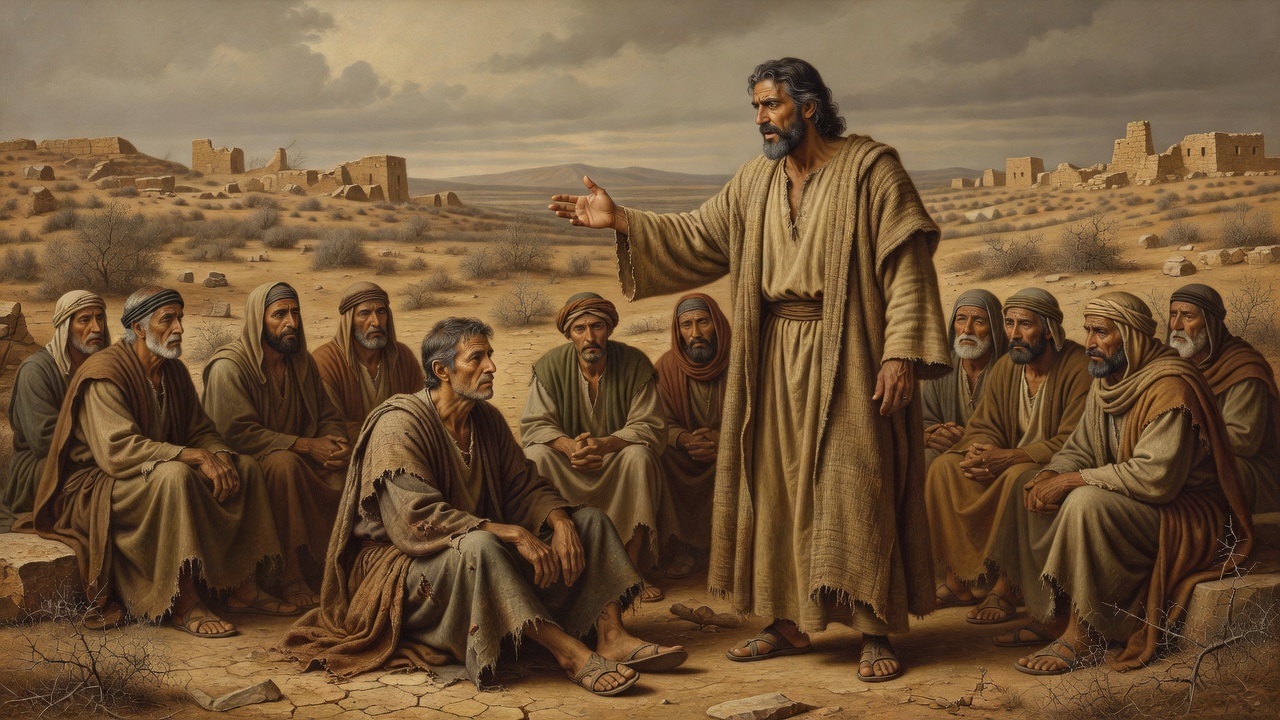
Zophar on the Fate of the Wicked
- Zophar is identified as a Naamathite, pointing to an otherwise unknown location named Naamah. In the ancient Greek Septuagint translation of the Hebrew Scriptures, he is described as a king of the Mineans or Maonites from southern Arabia.Sources: Zophar · the Bible text itself
- In his speech, Zophar uses metaphors of digestion and venom, asserting that ill-gotten wealth turns into the poison of vipers and cobras within the stomach of the wicked person.Sources: the Bible text itself
- Zophar also incorporates military imagery from the ancient world, describing a fleeing transgressor escaping an iron weapon only to be struck down by a bronze-tipped arrow.Sources: the Bible text itself
Notes written with AI assistance from open sources (Theographic Bible Metadata, CC BY-SA 4.0; Easton’s Bible Dictionary, public domain) and reviewed before publishing.
Credits and license for this translation
Tupàn ze'eg
Bible without Deuterocanon in Guajajára (BR:gub:Guajajára)
copyright © 2007 Wycliffe Bible Translators, Inc.
Language: Guajajára
Translation by: Wycliffe Bible Translators, Inc.
Guajajára [gub], Brazil
Copyright Information
© 2007, Wycliffe Bible Translators, Inc. All rights reserved.
This translation text is made available to you under the
terms of the Creative Commons License: Attribution-Noncommercial-No Derivative Works.
( http://creativecommons.org/licenses/by-nc-nd/3.0/ )
In addition, you have permission to port the text to different file formats, as long as you
do not change any of the text or punctuation of the Bible.
You may share, copy, distribute, transmit, and extract portions
or quotations from this work, provided that you include the above copyright
information:
You must give Attribution to the work.
You do not sell this work for a profit.
You do not make any derivative works that change any of the actual words or punctuation of the Scriptures.
Permissions beyond the scope of this license may be
available if you contact
us with your request.
Printed book ISBN 9788531109713
The Bible without Deuterocanon
in Guajajára
© 2007, Wycliffe Bible Translators, Inc. All rights reserved.
This translation is made available to you under the terms of the
Creative Commons Attribution-Noncommercial-No Derivatives license 4.0.
You may share and redistribute this Bible translation or extracts from it in any format, provided that:
You include the above copyright and source information.
You do not sell this work for a profit.
You do not change any of the words or punctuation of the Scriptures.
Pictures included with Scriptures and other documents on this site are licensed just for use with those Scriptures and documents.
For other uses, please contact the respective copyright owners.
2020-03-30
Source: http://ebible.org/gubBl/ · eBible.org