Jeremiah 20
Tupàn ze'eg · Tap a verse to see its cross-references.
Zeremi, xaxeto Pazur no
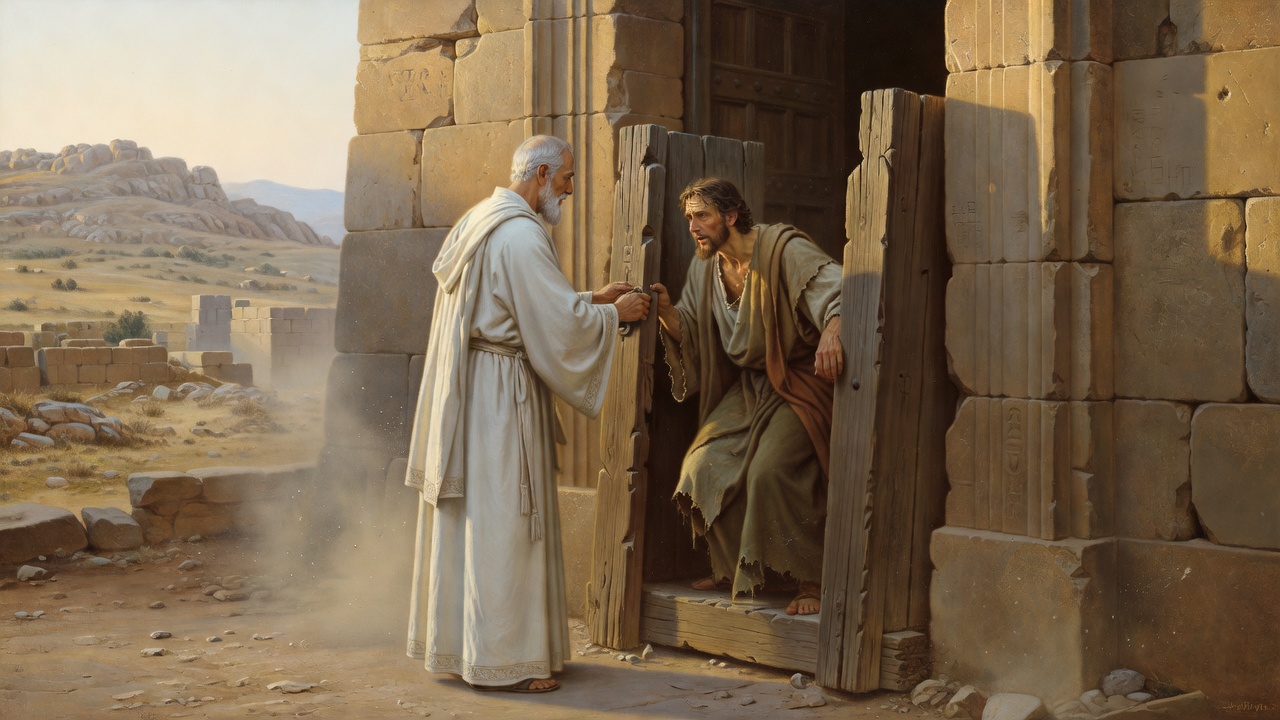
1Pazur Imer ta'yr wiko xaxeto romo ma'ereko haw tàpuzuhu pe har rehe uzekaiw ma'e romo a'e. Herenu a'e ma'e paw imume'u mehe. 2A'e rupi uze'eg zauxiapekwer wanupe kury. — Pepetek Zeremi nehe. A'e re peàpixipixi kyhàhàm tàtà pupe ukenawhu Mezàmi her ma'e rehe nehe. Aze teko iho wer tàpuzuhu pe wà, wixe a'e ukenawhu rupi wà. 3Iku'egwer pe Pazur hemuhem kar kyhàhàm tàtà wi. Na'e aze'eg izupe kury. — Tupàn Tuweharupi Wiko Ma'e o'ok nerer newi. Nereiko kwaw Pazur her ma'e romo kury. — Kyzeahy haw uhàuhàz ma'e kwer, nerer romo kury, a'e izupe. 4Tupàn Tuweharupi Wiko Ma'e uze'eg izupe no. — Pazur, Urumuigo kar putar nemukyzeahy kar har romo ihe nehe, nemyrypar wamukyzeahy kar har romo ihe nehe no. Waàmàtyry'ymar uzuka putar nemyrypar paw rupi wà nehe. Erexak putar wazuka mehe wà nehe. Mawiron wanuwihawete wiko putar Zuta ywy rehe har paw wazar romo a'e nehe. Weraha putar amo Mawiron pe wemipyhyk romo wà nehe. Uzuka kar putar amo wà nehe no. 5Araha kar putar temetarer 'aw tawhu pe har paw peàmàtyry'ymar wanupe nehe. Upyhyk putar ma'e hekuzar katu ma'e paw rupi wà nehe. Upyhyk putar Zuta ywy rehe har wanuwihawete wanemetarer paw wà nehe, Mawiron pe heraha pà wà nehe. 6Nepyhyk putar wà nehe. Upyhyk putar neànàm paw wà nehe no. Peneraha putar a'e pe wà nehe. Eremàno putar a'e pe nehe. Uzutym putar neretekwer nemyrypar wainuinuromo wà nehe. Eremume'u temu'emaw tetea'u wanupe. Nezutym putar wainuinuromo wà nehe, i'i Tupàn Pazur pe.
Zeremi umume'u uzemumikahy haw Tupàn pe
7O Tupàn Tuweharupi Wiko Ma'e, neremu'em ihewe.
Azeruzar neremu'em awer rehe.
Nekàg wera'u ihewi.
Ereiko hezar romo.
Teko paw upuka herehe wà.
Umumaw u'ar paw herehe uze'eg urywahyahy pà wà.
8Tuweharupi heze'eg mehe ahapukaz ze'eg imume'u pà ihe.
— Puruzuka haw, a'e wanupe. — Ma'e imumaw paw, a'e wanupe.
O Tupàn Tuweharupi Wiko Ma'e, aiko ikàg 'ym ma'e romo wanupe.
Uze'eg uryweteahy herehe tuweharupi wà.
Ta'e amume'u neze'eg wanupe ihe xe.
9— Hereharaz putar Tupàn Tuweharupi Wiko Ma'e wi nehe,
a'e hezeupe.
— Namume'u pixik kwaw her ihe nehe, a'e hezeupe.
Nezewe haw rehe hema'enukwaw mehe neze'eg uzemunehew hepupe a'e.
Ukaz tata ài hepy'a pupe.
Hekene'o hepupe ipyhyk ire.
Napuner kwaw hehe kury.
10Aenu teko tetea'u wanewowo mehe ihe wà.
— Heta tetea'u kyzeahy haw zaneywyr, i'i wà.
— Zazepyk Zeremi rehe nehe.
Ximume'u hemiapo kwer nehe, i'i wà.
Te hemyryparete wàro hezepyapi àwàm he'ar àwàm wà.
— Aze ru'u u'ar putar miar zuka haw zàwenugar pupe nehe.
A'e mehe zazepyk putar hehe nehe, i'i wà.
11Ne Tupàn Tuweharupi Wiko Ma'e ereiko herehe we.
Nekàg.
Erepuner katu no.
Herehe ipuruzuka wer ma'e uzepyapi putar wà nehe.
Nuityk kwaw wàmàtyry'ymar wà nehe.
Imaranugar tuwe u'ar awer rehe wà nehe.
Waàiw paw nupaw pixik kwaw wanuwi nehe.
Teko naheharaz pixik kwaw izuwi wà nehe.
12Nezewe mehe, o Tupàn Tuweharupi Wiko Ma'e Upuner Wera'u ma'e, nekatu haw rupi ureagaw pe ne.
Ta'e erekwaw urema'enukwaw paw ne xe.
Erekwaw urepy'a pe har no.
Tuwe aexak heàmàtyry'ymar wanehe nezepyk àwàm nehe.
Amono herekuwe haw nepo pe.
13Pezegar Tupàn Tuweharupi Wiko Ma'e pe nehe.
Pemume'u ikatu haw nehe.
Ta'e upyro hemetarer 'ym ma'e ikatu 'ym ma'e wapo wi a'e wà xe.
14Heta ze'egaiw hezexak kar awer 'ar rehe.
Peneharaz 'ar hehy hemuzexak kar awer wi nehe.
15— Awa a'e, eremuzàg awa ne,
i'i amo awa heru imurywete kar pà hezexak kar mehe a'e.
Tuwe Tupàn omono uze'egaiw a'e awa rehe nehe.
16Tupàn Tuweharupi Wiko Ma'e umuaiw amo tawhu wapuhareko 'ym pà a'e wà.
Tuwe a'e awa wiko a'e tawhu wazàwe nehe.
Tuwe wenu teko wahy haw rehe wakuhemaw ku'em mehe wà nehe.
Tuwe wenu zauxiapekwer waàmàtyry'ym mehe kwarahy wapytepe hin mehe wà nehe no.
17Ta'e nahezuka kwaw hezexak kar 'ym mehe we a'e xe.
Nezewe mehe mo hehy hie uzeapo mo heretekwer itym awer romo.
Nazexak kar iwer mo.
18Màràzàwe tuwe azexak kar.
Aipo xo zemumikahy haw hereko haw rehe zo azexak kar. Aipo xo tahy haw hereko haw rehe zo azexak kar.
Aipo xo hereko haw iaiw paw rehe zo azexak kar.
Did you know?
Jeremiah's Persecution and Inner Turmoil
- Pashhur, the priest who arrested and beat Jeremiah, was the son of Immer—the ancestral head of the sixteenth priestly division—and served as chief official in the house of the LORD. His high administrative post gave him the authority to punish Jeremiah and confine him in wooden stocks at the Upper Gate of Benjamin near the temple.Sources: Immer · Gate of Benjamin · the Bible text itself
- Upon being released, Jeremiah announced that God gave Pashhur the symbolic name 'Magor-missabib' ('terror on every side'). Jeremiah prophesied that Pashhur, his household, and his friends would be carried away captive into Babylon to die, alongside the plunder of Judah's wealth.Sources: Babylon · the Bible text itself
- The chapter reveals Jeremiah's intense emotional struggle between public derision and prophetic compulsion. Although mocked and betrayed by close friends, he confessed that holding back God's message felt like a fire burning in his heart and shut up within his bones.Sources: Jeremiah · the Bible text itself
Notes written with AI assistance from open sources (Theographic Bible Metadata, CC BY-SA 4.0; Easton’s Bible Dictionary, public domain) and reviewed before publishing.
Places in this chapter
- Benjamin Gate · Today: in Jerusalem · 31.777, 35.234 · verse 2
- Babylon · 32.543, 44.422 · verses 4, 5, 6
- Jerusalem · 31.777, 35.234 · verse 5
Only places identified with high confidence are shown (90% or more according to the scholarly sources compiled by OpenBible). Period map: DARE (Digital Atlas of the Roman Empire), CC BY 4.0; modern map: © OpenStreetMap contributors; places: OpenBible.info (CC BY 4.0).
Credits and license for this translation
Tupàn ze'eg
Bible without Deuterocanon in Guajajára (BR:gub:Guajajára)
copyright © 2007 Wycliffe Bible Translators, Inc.
Language: Guajajára
Translation by: Wycliffe Bible Translators, Inc.
Guajajára [gub], Brazil
Copyright Information
© 2007, Wycliffe Bible Translators, Inc. All rights reserved.
This translation text is made available to you under the
terms of the Creative Commons License: Attribution-Noncommercial-No Derivative Works.
( http://creativecommons.org/licenses/by-nc-nd/3.0/ )
In addition, you have permission to port the text to different file formats, as long as you
do not change any of the text or punctuation of the Bible.
You may share, copy, distribute, transmit, and extract portions
or quotations from this work, provided that you include the above copyright
information:
You must give Attribution to the work.
You do not sell this work for a profit.
You do not make any derivative works that change any of the actual words or punctuation of the Scriptures.
Permissions beyond the scope of this license may be
available if you contact
us with your request.
Printed book ISBN 9788531109713
The Bible without Deuterocanon
in Guajajára
© 2007, Wycliffe Bible Translators, Inc. All rights reserved.
This translation is made available to you under the terms of the
Creative Commons Attribution-Noncommercial-No Derivatives license 4.0.
You may share and redistribute this Bible translation or extracts from it in any format, provided that:
You include the above copyright and source information.
You do not sell this work for a profit.
You do not change any of the words or punctuation of the Scriptures.
Pictures included with Scriptures and other documents on this site are licensed just for use with those Scriptures and documents.
For other uses, please contact the respective copyright owners.
2020-03-30
Source: http://ebible.org/gubBl/ · eBible.org