Judges 18
Tupàn ze'eg · Tap a verse to see its cross-references.
Nà izuapyapyr oho Mika heko haw pe wà
1A'e 'ar rehe naheta kwaw tuwihawete Izaew izuapyapyr wanupe. Izaew ta'yr Nà izuapyapyr wekar ywy weko àwàm oho waiko wà. Heko wer a'e zutyka'i amo ywy rehe wà. Naheko wer kwaw amo teko wainuromo wà. A'e 'ar rehe nupyhyk kwaw uiwy uzeupe imume'u pyrer a'e wà rihi. Amogwer Izaew ta'yr izuapyapyr upyhyk uiwy Moizez hemimume'u kwer upaw rupi a'e wà. 2A'e rupi Nà izuapyapyr wexaexak 5 awa ikàg ma'e ukyze 'ym ma'e wà kury, uzehe we har wà kury. — Peho Zora tawhu pe Etao tawhu pe a'e pe har wanehe peme'egatu pà nehe, waiwy hexak katu pà nehe, i'i a'e 5 awa wanupe wà. A'e rupi oho Eparai waiwy ywytyr heta haw pe wà. Uker oho Mika ràpuz me wà kury. 3A'e pe wiko mehe wenu kwàkwàmo Erewi zuapyr ize'eg mehe wà. — Kwa, nuiko kwaw xe har romo a'e, i'i uzeupeupe wà. A'e rupi uhem huwake wà izupe uze'eg pà wà. — Ma'e erezapo iko xe. Mo nererur xe, i'i izupe wà.
4— Azapokatu heze'eg Mika hehe we ihe. Umur temetarer ihewe a'e. Aiko xaxeto romo ma'ea'yr zuka har romo Tupàn henataromo izupe ihe, i'i wanupe.
5A'e rupi i'i izupe wà. — Epuranu Tupàn rehe kury. — Aipo ko 5 awa waata àwàm ikatu putar wanupe nehe, ere izupe nehe, i'i izupe wà.
6— Pekyze zo ma'e wi nehe, ta'e Tupàn Tuweharupi Wiko Ma'e wiko putar penehe we ko 'ar rehe peata mehe a'e nehe xe, i'i wanupe.
7A'e rupi a'e 5 awa uhem oho a'e wi wà kury, Irai tawhu pe oho pà wà kury. Uhem a'e pe wà. Wexak a'e pe har wà. Wiko Xitom tawhu pe har wazàwe wà. Nukyze kwaw amo teko wanuwi wà. Nupuruàmàtyry'ym kwaw wà. Nuzàmàtyry'ym kwaw ni amo wà. Heta temi'u wanupe. Heta ma'e wanupe. Uhyk ma'e paw wanupe. Wiko muite Xitom tawhu pe har wanuwi wà. Wiko muite amogwer teko wanuwi wà no. 8Uzewyr a'e 5 awa oho Zora tawhu pe Etao tawhu pe wà kury. A'e pe har upuranu wanehe wà. — Ma'e pexak ra'e, i'i wanupe wà. 9— Xiàmàtyry'ym a'e pe har zaha nehe ty wà, i'i wanupe wà. — Uruexak ywy ure. Ikatuahy a'e. Peiko zo xe upytu'u ma'e romo nehe. Pezàn peho a'e ywy ipyro pà nehe.
10Pexak putar a'e pe har pe wà nehe. Nukyze kwaw ma'e wi wà. Nukwaw kwaw zauxiapekwer wahem àwàm wà. Uhua'u waiwy. Heta tetea'u zaneremimutar a'e pe no. Uhyk putar zanewe nehe. Tupàn umur iko peme, i'i wanupe wà.
11A'e rupi 600 awa Nà izuapyapyr oho Zora wi Etao wi wà kury. Uzemuàgà'ym amo puruàmàtyry'ym àwàm rehe wà. 12Uzeupir ywytyr rehe wà kury. Upytu'u tawhu Kiriat-Zeàri huwake wà. Uzapo uker haw a'e pe wà. Zuta waiwy rehe tuz a'e tawhu. A'e rupi — Nà waker haw, i'i teko a'e ywy pehegwer pe wà, te ko 'ar rehe wà. 13Oho a'e wi Eparai waiwy ywytyr heta haw pe wà kury. Uhem Mika ràpuz me wà.
14A'e 5 awa Irai tawhu hexak katu arer a'e wà no, oho wanupi a'e wà no. Uze'eg uzehe we har wanupe wà kury. — Amo tàpuz xe har pupe heta amo tupàn hagaw paw parat pupe iwàiwàn pyrer a'e. Aipo pekwaw xe heta haw. Heta amo ae tupàn hagapaw wà no. Heta xaxeto iaxi'i rehe har a'e no. Ma'e xiapo putar nehe, i'i wanupe wà.
15Na'e wixe Mika hàpuz me wà kury, a'e kwàkwàmo Eri izuapyr heko haw pe wà kury. — Zaneku'em, i'i izupe wà. 16A'e 600 zauxiapekwer Nà izuapyapyr a'e wà, wàro uken me wà. Ipuruàmàtyry'ym e wer purehe wà. 17Wixe a'e 5 ma'e hexak àràm tàpuz me wà. Upyhyk a'e tupàn hagapaw ywyra iapo pyrer parat pupe iwàiwàn pyrer wà. Upyhyk amogwer tupàn hagapaw wà no. Upyhyk a'e xaxeto iaxi'i rehe har wà no. Xaxeto oho uken pe amogwer 600 zauxiapekwer wanehe we a'e. Nupyta kwaw wàpuz me. 18Awa Mika ràpuz me waneixe mehe wà, a'e ma'e Tupàn pe imonokatu pyrer wapyhyk mehe wà, xaxeto upuranu wanehe kury. — Ma'e pezapo peiko, i'i wanupe.
19— Eze'eg zo kury. Emume'u zo ma'e nehe. Ezur urerupi nehe. Eiko urexaxeto romo nehe. Eiko urereruze'egar romo nehe. Xe ereiko xaxeto romo màràn teko wanupe. Aze erezur urerupi nehe, ereiko putar xaxeto romo teko tetea'u wanupe nehe, Nà izuapyapyr paw wanupe nehe. Aipo na'ikatu wera'u kwaw nezewe haw nehe, i'i izupe wà.
20Waze'eg awer ikatu xaxeto pe. Upyhyk a'e ma'e Tupàn pe imono pyrer wà kury. Oho a'e ma'e hexak arer wanupi kury, zauxiapekwer wanupi kury. 21Uzeapar waikwerupi uzewyr pà wà. Umuata kar kwarearer kuzàtàigwer uzenataromo wà. Umuata kar tapi'ak uzenataromo wà no. Weraha uma'e paw uzeupi wà no. Oho a'e wi wà kury. 22Wenoz Mika zauxiapekwer weko haw huwake har uzeupe wà kury. Oho Nà izuapyapyr wanaikweromo wà. Muite wata wanuwàxi 'ym pà wà. Te uhem wanuwake wà kury. 23Uhapukaz oho waiko wanaikweromo uzàn pà wà. Nà izuapyapyr wenu wanehapukaz mehe wà. Uzewyr wakutyr wà. Upuranu Mika rehe wà. — Màràzàwe tuwen aipo pà. Màràzàwe tuwe erezur teko tetea'u wanupi ne, i'i izupe wà.
24— Màràzàwe tuwe pepuranu peiko herehe, i'i wanupe. — Peraha tupàn hezar hagapaw paw kwez ihewi pe wà. Peraha hexaxeto ihewi no. Ma'e upyta ihewe kury, i'i wanupe.
25— Epytu'u neze'eg ire kury. Aze mo nàn kwaw nehe, ko awa upuner mo wikwahy haw rehe wà nehe, upuner mo peàmàtyry'ymaw rehe wà nehe. Nezewe mehe mo eremàno. Neànàm paw umàno mo wà no, i'i izupe wà.
26A'e ma'e imume'u re awa Nà izuapyapyr uhem oho a'e wi wà. Mika wexak waneta tetea'u haw. Wexak wakàgaw no. A'e rupi uzewyr oho weko haw pe.
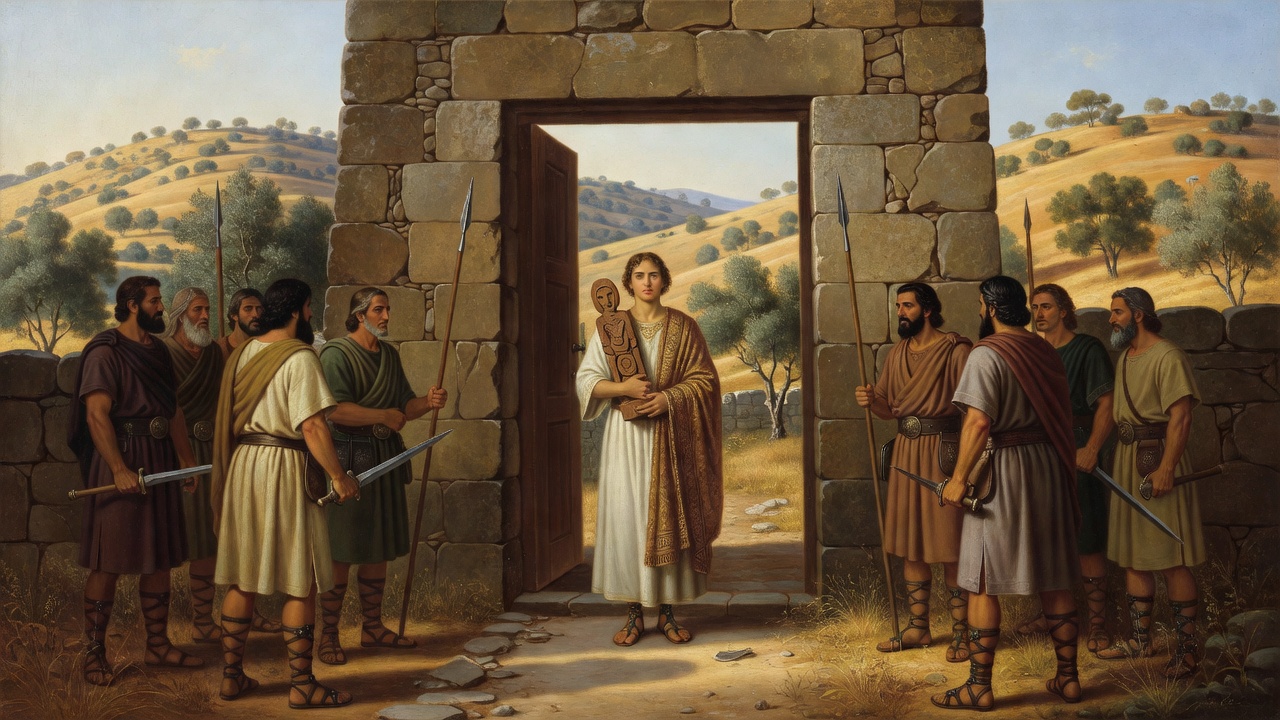
27Awa Nà izuapyapyr weraha ma'e Mika hemiapo kwer wà. Weraha ixaxeto wà no. A'e wi oho Irai tawhu kutyr wà kury. Uzàmàtyry'ym a'e pe har wà kury. A'e pe har nuiko kwaw puruàmàtyry'ymar romo wà. Nà uzuka tawhu pe har paw wà. Umunyk tata tawhu rehe wà. Ukaz paw. 28Ni amo nupyro kwaw a'e tawhu pe har wà. Ta'e Irai a'e xe, muite Xitom tawhu wi tuz a'e xe. Nukwaw kwaw amo teko wà. A'e rupi naheta kwaw amo teko a'e teko wapytywà har wà. Ywytyr iàpy'àmaw pe iapypew paw pe tuz, Mete Heo tawhu huwake tuz. Nà izuapyapyr uzapo wi Irai tawhu wà. Upyta a'e pe wiko pà wà. 29Omono Nà tawhu her romo wà. Ta'e waipy her romo a'e xe, ta'e Nà Zako ta'yr romo hekon a'e xe. 30Awakwer Nà izuapyapyr umupu'àm a'e tupàn hagapaw a'e wà. Umuwete katu wà. Amo awa Zonata her ma'e a'e, Zerexo ta'yr Moizez hemimino a'e, wiko xaxeto romo Nà izuapyapyr wanupe a'e. A'e a'e, izuapyapyr a'e wà no, umumaw kwarahy tetea'u xaxeto romo wiko pà Nà wanupe wà. Amo 'ar mehe amo ae zauxiapekwer weraha Nà izuapyapyr waiwy wi wà. Xo a'e mehe zo upytu'u waxaxeto romo wiko re wà. 31Izaew uzapo tàpuzuhu Tupàn imuwete katu haw Xiro tawhu pe wà. Umumaw kwarahy tetea'u a'e pe upyta pà wà. A'e pe ipyta mehe tupàn hagapaw Mika hemiapo kwer upyta Nà wainuromo a'e no.
Did you know?
The Migration of Dan and the Stolen Sanctuary
- Seeking territory of their own, Danite scouts identified Laish, a tranquil and isolated settlement in the far north near the sources of the Jordan. Because the city had no military alliances and was far from the Phoenician city of Sidon, six hundred Danite warriors easily captured and burned it, rebuilding the settlement and renaming it Dan.Sources: the Bible text itself · Laish · Dan · Sidon
- On their march northward, the Danites confiscated Micah's carved idol, ephod, and household gods, convincing his young Levite priest to join them as tribal priest. At the end of the narrative, the priest is identified as Jonathan, son of Gershom, a descendant of Moses, whose family maintained this northern priesthood for generations.Sources: the Bible text itself · Jonathan · Gershom · Micah
- The six hundred armed Danites mobilized from the towns of Zorah and Eshtaol. Their temporary encampment west of Kiriath-jearim in the territory of Judah became known as Mahaneh-dan, which means 'Camp of Dan.'Sources: the Bible text itself · Mahaneh-dan · Zorah · Eshtaol
Notes written with AI assistance from open sources (Theographic Bible Metadata, CC BY-SA 4.0; Easton’s Bible Dictionary, public domain) and reviewed before publishing.
Places in this chapter
- Aram · 33.511, 36.306 · verses 7, 28
- Dan · Today: Tel Dan · 33.249, 35.652 · verses 7, 14, 27, 29
- Sidon · Today: Sandikli archaeological site in Sidon · 33.561, 35.372 · verses 7, 28
- Kiriath-jearim · Today: Deir el Azar · 31.809, 35.104 · verse 12
- Shiloh · Today: Khirbet Seilun · 32.056, 35.290 · verse 31
Only places identified with high confidence are shown (90% or more according to the scholarly sources compiled by OpenBible). Period map: DARE (Digital Atlas of the Roman Empire), CC BY 4.0; modern map: © OpenStreetMap contributors; places: OpenBible.info (CC BY 4.0).
Credits and license for this translation
Tupàn ze'eg
Bible without Deuterocanon in Guajajára (BR:gub:Guajajára)
copyright © 2007 Wycliffe Bible Translators, Inc.
Language: Guajajára
Translation by: Wycliffe Bible Translators, Inc.
Guajajára [gub], Brazil
Copyright Information
© 2007, Wycliffe Bible Translators, Inc. All rights reserved.
This translation text is made available to you under the
terms of the Creative Commons License: Attribution-Noncommercial-No Derivative Works.
( http://creativecommons.org/licenses/by-nc-nd/3.0/ )
In addition, you have permission to port the text to different file formats, as long as you
do not change any of the text or punctuation of the Bible.
You may share, copy, distribute, transmit, and extract portions
or quotations from this work, provided that you include the above copyright
information:
You must give Attribution to the work.
You do not sell this work for a profit.
You do not make any derivative works that change any of the actual words or punctuation of the Scriptures.
Permissions beyond the scope of this license may be
available if you contact
us with your request.
Printed book ISBN 9788531109713
The Bible without Deuterocanon
in Guajajára
© 2007, Wycliffe Bible Translators, Inc. All rights reserved.
This translation is made available to you under the terms of the
Creative Commons Attribution-Noncommercial-No Derivatives license 4.0.
You may share and redistribute this Bible translation or extracts from it in any format, provided that:
You include the above copyright and source information.
You do not sell this work for a profit.
You do not change any of the words or punctuation of the Scriptures.
Pictures included with Scriptures and other documents on this site are licensed just for use with those Scriptures and documents.
For other uses, please contact the respective copyright owners.
2020-03-30
Source: http://ebible.org/gubBl/ · eBible.org