Hosea 2
Tupàn ze'eg · Tap a verse to see its cross-references.
1A'e rupi emono Tupàn hemiaihu nerywyr Izaew wanupe waner romo nehe. Emono Tupàn Hemiamutar wanupe waner romo nehe no.
Izaew nuweruzar kwaw Tupàn wà
2Tupàn Tuweharupi Wiko Ma'e uze'eg teko wanupe kury. — Peze'eg zemueteahy pehy wanehe nehe. Pemume'u hemiapo kwer ikatu 'ym ma'e nehe. Ta'e nuiko kwaw heremireko romo a'e kury xe. Naiko kwaw imen romo kury xe. Pemupytu'u kar pehy awa umen 'ym wapuhe iker ire nehe. Pemono kar a'e awa pehy puhe uker ma'e kwer xe wi izuwi pe wà nehe (Izaew wiko teko wahy ài, Tupàn hemireko ài). 3Aze nuweruzar kwaw peze'eg nehe, apyro putar ima'e hopoz paw izuwi nehe. Amuigo kar putar kuzà hopoz 'ym ma'e romo ihe nehe. Wiko putar uzexak kar ma'e kwer 'ar mehe arer zàwenugar romo nehe. Amuigo kar putar pehy ywyxiguhu zàwenugar romo nehe. Wiko putar ywy uxinig ma'e kwer ài nehe. Umàno putar iziwez katu ma'e ài nehe. 4Napuhareko kwaw imemyr ihe wà nehe. Ta'e kuzàwyzài imemyr romo wanekon wà xe. 5Uzemono kuzàwyzài ma'e romo wiko pà. — Aekar putar awa hemen 'ym hepuhe uker ma'e ràm ihe wà nehe, i'i uzeupe a'e, ta'e na'imaranugar kwaw a'e xe. — Hepuhe uker ma'e ràm umur putar heremi'u ràm ihewe wà nehe. Umur putar 'y ihewe wà nehe no. Umur putar heropoz àràpuhàràn hawitu ma'e hawer iapo pyrer ihewe wà nehe. Umur putar heropoz irin iapo pyrer wà nehe no. Umur putar uri kawer ihewe wà nehe. Umur putar win ihewe wà nehe no, i'i pehy iko a'e.
6— A'e rupi azapo putar xu pari romo izywyr ihe nehe. Azapo putar pàrirogaw pe rupi nehe no. Nezewe mehe nuexak kwaw oho àwàm a'e nehe. 7Uzàn putar oho awa upuhe uker ma'e ràm wanaikweromo nehe. Nuhem kwaw wanupe nehe. Wekar putar wà nehe. Nuexak kwaw wà nehe. Na'e uze'eg putar nezewe nehe. — Azewyr putar hemen pe nehe. Ta'e hehe we hereko mehe herurywete ihe 'y. Ta'e ko 'ar rehe naherurywete kwaw ihe 'y, i'i putar nehe. 8Nukwaw kwaw arozràn izupe imur arer romo hereko haw. Nukwaw kwaw win izupe imur arer romo hereko haw. Nukwaw kwaw uri kawer izupe imur arer romo hereko haw. Ihe amono ma'e tetea'u parat iapo pyrer izupe ihe. Amono ma'e tetea'u or iapo pyrer izupe ihe no. A'e ae omono e a'e ma'e tupàn ua'u Ma'aw her ma'e pe a'e. 9Arozràn ipo'o haw 'ar ihem mehe nehe, apyhyk putar arozràn hema'e a'e kuzà wi ihe nehe, apyhyk putar win izuwi ihe nehe no. Araha putar hopoz àràpuhàràn hawer iapo pyrer heremimono kwer ihe nehe, izuwi ihe nehe. Araha putar ima'e irin iapo pyrer izuwi nehe no. Ihe amono a'e ma'e izupe hopoz ràm romo kwehe mehe ihe. 10Amuigo kar putar a'e kuzà hopoz 'ym ma'e romo nehe kury, ipuhe uker ma'e kwer wanenataromo nehe kury. Ni amo nupyro kwaw hepuner haw wi wà nehe. 11Amumaw putar hurywete haw nehe. Amupytu'u kar putar hurywete re ihe nehe. Nuzapo kwaw mynykawhu kwarahy nànànar nehe. Nuzapo kwaw mynykawhu zahy nànànar nehe. Nuzapo kwaw mynykaw mytu'u haw 'ar nànànar nehe. Nuzapo kwaw wyzài mynykaw nehe. 12Amumaw putar iko uwà tyw nehe. Amumaw putar iko ma'e'yw pi her ma'e tyw nehe no. Ipuhe uker ma'e kwer omono a'e ko izupe hekuzaromo wà. A'e ko uzeapo putar ka'a romo nehe. Miar u'u putar ma'e a'e pe har paw wà nehe. 13Upuir ihewi a'e. Umuwete katu tupàn ua'u Ma'aw hagapaw a'e. Wapy yhyk henataromo no. Umunehew kwàku'aw har. Umunehew ita hekuzar katu ma'e no. Uzàn oho upuhe uker ma'e ràm wanaikweromo. Azepyk putar hehe a'e ma'e hemiapo kwer paw rehe ihe nehe. Ihe Tupàn Tuweharupi Wiko Ma'e aze'eg kwez ihe kury, i'i Tupàn.
Tupàn uzamutar katu wemiaihu a'e wà
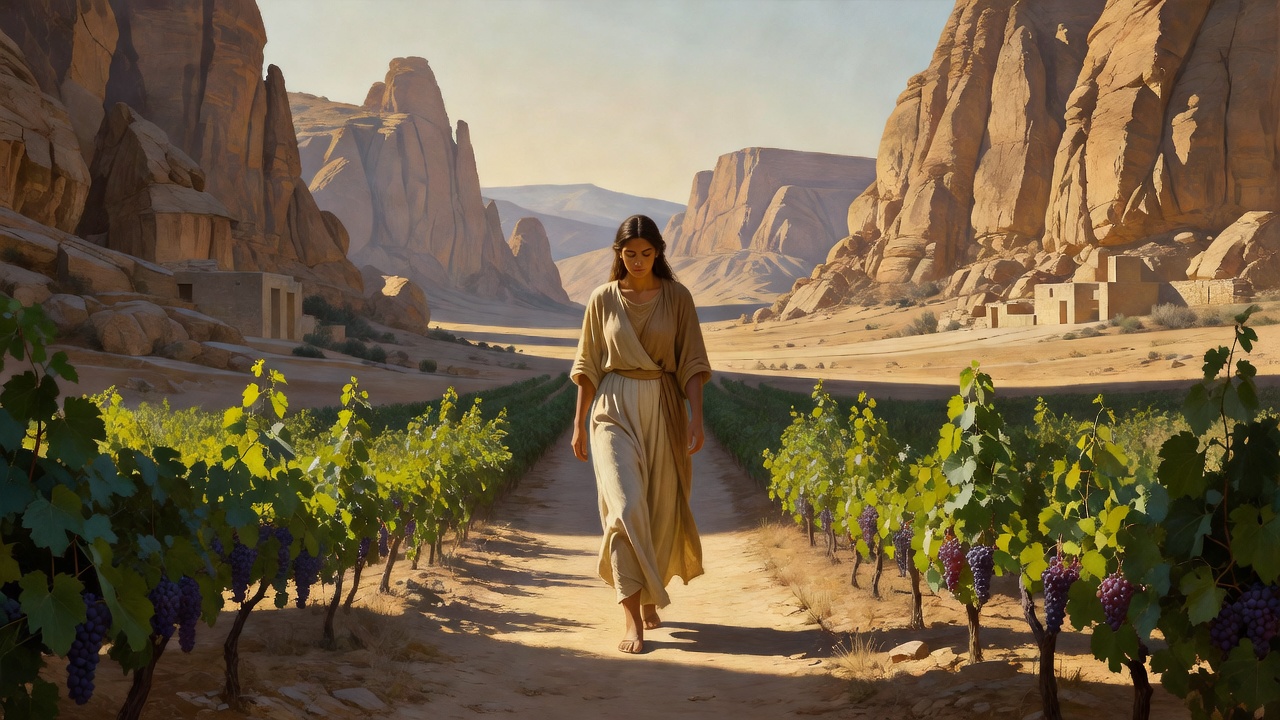
14Tupàn uze'eg teko Izaew wanupe kury. — Amume'u putar heremiapo ràm ikatu ma'e kuzà heremiamutar pe nehe. A'e rupi oho putar wi ywyxiguhu pe herupi nehe. A'e pe urehem mehe amume'u putar iamutar haw izupe nehe. — Uruamutar ihe, a'e putar izupe nehe. 15A'e pe urereko mehe amuzewyr kar putar ikukwer uwà tyw kwer izupe nehe. Ywyàpyznaw Iaiw Paw her ma'e azapo putar ukenaw romo ma'e hàrogatu haw romo ihe nehe. A'e mehe uze'eg putar ihewe, uze'eg awer kwehe mehe arer kuzàwaza romo wiko mehe arer zàwenugar rupi katete nehe, Ezit ywy wi uhem mehe arer zàwenugar rupi katete nehe. 16— Hemen, i'i wi putar ihewe nehe. — Ma'aw hezar, ni'i kwaw ihewe nehe. 17Namume'u wi kar pixik kwaw Ma'aw her izupe ihe nehe. Teko nuze'eg pixik kwaw a'e tupàn ua'u rehe wà nehe. Ihe Tupàn Tuweharupi Wiko ta'e amume'u ko ma'e kwez ihe kury, i'i Tupàn.
18— A'e 'ar mehe azapokatu putar heze'egaw miar hehaite ma'e wanehe we nehe, wiràmiri wanehe we nehe no, moz wanehe we nehe no. Nezewe mehe nuxi'u kwaw heremiamutar nehe. Nuzuka kwaw wà nehe. Azuka putar ma'e puruzuka haw ihe nehe: ywyrapar, takihepuku. Naheta pixik kwaw zeàmàtyry'ymaw nehe. Teko heremiaihu wiko putar uzeàmàtyry'ym 'ym pà wà nehe. Ikatu putar waneko àwàm wanupe nehe.
19— Izaew, urereko putar heremireko romo ihe nehe. Tuweharupi ereiko putar heremireko ete romo nehe. Uruamutar katu putar tuweharupi nehe. Azapo putar ikatu ma'e newe tuweharupi nehe no. 20Aiko putar nemen newi upuir pixik 'ym ma'e romo nehe no. A'e rupi erezemonokatu putar ihewe nehe. Tupàn Tuweharupi Wiko Ma'e romo aiko ihe. 21A'e 'ar rehe aiko putar Tupàn purupe ze'eg uwazar har romo ihe nehe. Aiko putar ywak rehe nehe, teko wanupe waze'eg iwazar pà nehe. Ywak uwazar putar ywy rehe har waze'eg wanupe nehe. Umugyr kar àmàn ywy rehe har wanupe nehe. 22Ywy uwazar putar ywak rehe arozràn imuezuz kar pà nehe, uwà imuezuz kar pà nehe no, uri imuezuz kar pà nehe no. Nezewe awazar putar teko Izaew heremiaihu wanupe waze'eg mehe nehe. 23Amuigo kar putar teko heremiaihu ywy heremimume'u kwer rehe wà nehe. Nuzawy kwaw ma'e'yw heremitygwer romo wà nehe. Azamutar katu putar iamutar pyr 'ym her ma'e ihe nehe. Aze'eg putar heremiaihu 'ym her ma'e wanupe nehe. — Ereiko heremiaihu romo, a'e putar izupe nehe. — Ereiko Tupàn hezar romo, i'i putar ihewe nehe.
Did you know?
Judgment and Restoration
- The Valley of Achor, located near Jericho, derived its name from the trouble caused by the sin of Achan in the book of Joshua. Hosea uses this proverbial site of calamity to promise that a place of past disaster will be transformed into a gateway of hope.Sources: Valley of Achor · the Bible text itself
- Baal was the chief male deity of the Phoenicians, whose worship had become widespread among the northern tribes of Israel. Hosea challenges the belief that agricultural provisions such as grain, wine, oil, and wool came from Baal, declaring instead that they were gifts from the LORD.Sources: Baal · the Bible text itself
- The chapter announces a reversal of the symbolic names of judgment given to the children earlier in the book. Those named No Compassion are promised mercy, and those called Not My People are once again recognized as God's people in a restored covenant.Sources: the Bible text itself
Notes written with AI assistance from open sources (Theographic Bible Metadata, CC BY-SA 4.0; Easton’s Bible Dictionary, public domain) and reviewed before publishing.
Places in this chapter
- Egypt · 30.129, 31.308 · verse 15
Only places identified with high confidence are shown (90% or more according to the scholarly sources compiled by OpenBible). Period map: DARE (Digital Atlas of the Roman Empire), CC BY 4.0; modern map: © OpenStreetMap contributors; places: OpenBible.info (CC BY 4.0).
Credits and license for this translation
Tupàn ze'eg
Bible without Deuterocanon in Guajajára (BR:gub:Guajajára)
copyright © 2007 Wycliffe Bible Translators, Inc.
Language: Guajajára
Translation by: Wycliffe Bible Translators, Inc.
Guajajára [gub], Brazil
Copyright Information
© 2007, Wycliffe Bible Translators, Inc. All rights reserved.
This translation text is made available to you under the
terms of the Creative Commons License: Attribution-Noncommercial-No Derivative Works.
( http://creativecommons.org/licenses/by-nc-nd/3.0/ )
In addition, you have permission to port the text to different file formats, as long as you
do not change any of the text or punctuation of the Bible.
You may share, copy, distribute, transmit, and extract portions
or quotations from this work, provided that you include the above copyright
information:
You must give Attribution to the work.
You do not sell this work for a profit.
You do not make any derivative works that change any of the actual words or punctuation of the Scriptures.
Permissions beyond the scope of this license may be
available if you contact
us with your request.
Printed book ISBN 9788531109713
The Bible without Deuterocanon
in Guajajára
© 2007, Wycliffe Bible Translators, Inc. All rights reserved.
This translation is made available to you under the terms of the
Creative Commons Attribution-Noncommercial-No Derivatives license 4.0.
You may share and redistribute this Bible translation or extracts from it in any format, provided that:
You include the above copyright and source information.
You do not sell this work for a profit.
You do not change any of the words or punctuation of the Scriptures.
Pictures included with Scriptures and other documents on this site are licensed just for use with those Scriptures and documents.
For other uses, please contact the respective copyright owners.
2020-03-30
Source: http://ebible.org/gubBl/ · eBible.org