Ecclesiastes 9
Tupàn ze'eg · Tap a verse to see its cross-references.
1Hema'enukwaw katu ihe. Azeagaw tetea'u a'e ma'e paw ikwaw pà. Akwaw ko ma'e kury. Tupàn a'e, uzapo kar wanemiapo a'e Ma'e Kwaw Katu Har wanupe a'e. Wiko imunar 'ym ma'e wanemiapo iapo kar har romo a'e no. Wiko wamutar katu haw izar romo. Wiko wakatuwawahy 'ymaw izar romo no. Ni amo nukwaw kwaw amo 'ar mehe uzeapo ma'e ràm wà. Zazekaiw zo hehe nehe. 2Imunar 'ym ma'e wanupe uzeapo ma'e nuzawy kwaw imunar ma'e wanupe uzeapo ma'e. Ikatu ma'e wanupe uzeapo ma'e nuzawy kwaw ikatu 'ym ma'e wanupe uzeapo ma'e. Tupàn wi ukyze ma'e wanupe uzeapo ma'e nuzawy kwaw ukyze 'ym ma'e wanupe uzeapo ma'e. Tupàn imuwete har wanupe uzeapo ma'e nuzawy kwaw imuwete 'ymar wanupe uzeapo ma'e. Ikatu ma'e wanupe uzeapo ma'e nuzawy kwaw ikatu 'ym ma'e iapo har wanupe uzeapo ma'e. Wemiapo ràm imume'u har wanupe uzeapo ma'e nuzawy kwaw wemiapo ràm imume'u 'ymar wanupe uzeapo ma'e. 3Teko paw wanupe uzeapo ma'e uzuawygatu wà. A'e uzeapo ma'e iaiw wera'u ko ywy rehe uzeapo ma'e wanuwi a'e. Teko wapy'a tynehem wakatu 'ymaw pupe wà, wane'o haw pupe wà no. Na'arewahy umàno wà. 4Ko ywy rehe zanereko mehe we heta ikatu ma'e hàro haw. Zawar wikuwe ma'e ikatu wera'u zàwàruhu iriàw umàno ma'e kwer wi. 5— Zàmàno putar amo 'ar mehe nehe, i'i wikuwe ma'e uzeupe wà. Umàno ma'e kwer nukwaw pixik kwaw ma'e wà. Nupyhyk kwaw amo ma'e a'e wà nehe kury. Teko heharaz putar tuwe wanuwi a'e wà nehe no. 6Wapuruamutar haw umàno wainuromo. Wakatuwawahy 'ymaw umàno wainuromo no. Wama'eputar tetea'u haw umàno wainuromo no. A'e ma'e paw umàno wainuromo. Nuiko pixik kwaw ko ywy rehe uzeapo ma'e wainuromo nehe.
7A'e rupi, eho nerenataromo nehe. E'u neremi'u nerurywete haw rupi nehe. E'u ma'ywa tykwer nezewe nehe no. Ta'e Tupàn umuawyze neremiapo kwer urywete haw rupi a'e xe. 8Tuweharupi ezeagaw hurywete ma'e romo nezexak kar pà nehe. Ezeagaw wemimutar hereko har romo nezexak kar pà nehe no. 9Ko ywy tynehem na'arewahy ukàzym ma'e ràm pupe a'e. Hehe nereko mehe ezemurywete kar neremireko neremiamutar rehe we nehe. Ta'e xo a'e zo erepyhyk putar nema'ereko awer hekuzaromo nehe xe. Tupàn umur zanereko haw zanewe a'e. Zawaiw katu zanereko haw. 10Neremiapo ràm paw ezapokatu tuwe nehe. Ta'e nuzeapo pixik kwaw ma'e umàno ma'e kwer wapyta haw pe xe. Naheta kwaw ma'enukwaw paw a'e pe, ni ma'e kwaw paw, ni ma'e kwaw katu haw. Ereho putar a'e pe nehe.
11Amo ae ma'e rehe azemu'e ko ywy rehe ihe. Akwaw a'e ma'e kury. Uzàn wera'u ma'e nuhem kwaw amo wanenataromo tuweharupi wà. Zauxiapekwer ipuruzukaiwahy wera'u ma'e nuweityk kwaw amogwer zauxiapekwer tuweharupi wà. Teko ma'e kwaw katu wera'u har wanupe naheta kwaw temi'u tuweharupi wà. Ma'e kwaw wera'u har nuzeapo kwaw hemetarer katu ma'e romo tuweharupi wà. Amo ma'e aexak ihe no. Ma'e iapo haw ikwaw katu wera'u har nuiko kwaw tuwihaw ikàg ma'e romo tuweharupi wà. Amo 'ar mehe waneko haw ikatu. Amo 'ar mehe na'ikatu kwaw. 12Ni amo nukwaw kwaw iaiw haw zanewe ihem àwàm 'ar wà. Wiràmiri u'ar na'arewahy upyhykaw pupe wà. Pira uzepyhyk kar oho kyhapari pupe wà. Nezewegatete zapuner iaiw haw pupe zane'ar haw rehe na'arewahy no. Aze naxiàro pixik kwaw zane'ar àwàm amo 'ar mehe nehe, a'e 'ar mehe we za'ar putar ipupe nehe.
Ima'enukwaw ma'e kwaw katu haw rehe
13Aexak amo ma'e ihe. Hexak mehe akwaw ko ma'e ihe. Teko ko ywy rehe har nuzekaiw kwaw ma'e kwaw katu haw rehe wà. 14Aexak amo taw pixika'i ma'e. Naheta tete kwaw teko a'e pe wiko ma'e wà. Amo tuwihaw werur zauxiapekwer tetea'u a'e pe wà. Uzàmàtyry'ym a'e taw wà wà. Uzapo ipàrirogaw tàtà ma'e iaiha ma'e rehe uzeupir haw izywyr wà. Uzemuàgà'ym heityk àwàm rehe wà. 15Amo awa wikuwe a'e pe. Nahemetarer katu kwaw a'e. Nezewe rehe we ukwaw katu ma'e. Upuner mo taw ipyro haw rehe. Nupyro kwaw, ta'e ni amo a'e pe har na'ima'enukwaw kwaw hehe wà xe. 16Tuweharupi aze'eg nezewe: Ma'e kwaw katu haw ikatu wera'u zanekàgaw wi a'e. — Hemetarer 'ym ma'e nupuner kwaw Ma'e Kwaw Katu Har romo weko haw rehe, i'i teko wà. Ni amo nuzekaiw kwaw ize'eg rehe wà.
17Ma'e kwaw katu har ize'egatu henu haw ikatu wera'u iranaiw ma'e uzemono'og ma'e wanuwihaw hehapukaz haw henu haw wi. 18Ma'e kwaw katu haw ikatu wera'u puruzuka haw zeàmàtyry'ymawhu pe har wi. Pitài ikatu 'ym ma'e iapo haw upuner ikatu ma'e tetea'u imuaiw haw rehe a'e.
Did you know?
A Common Destiny and the Value of Life
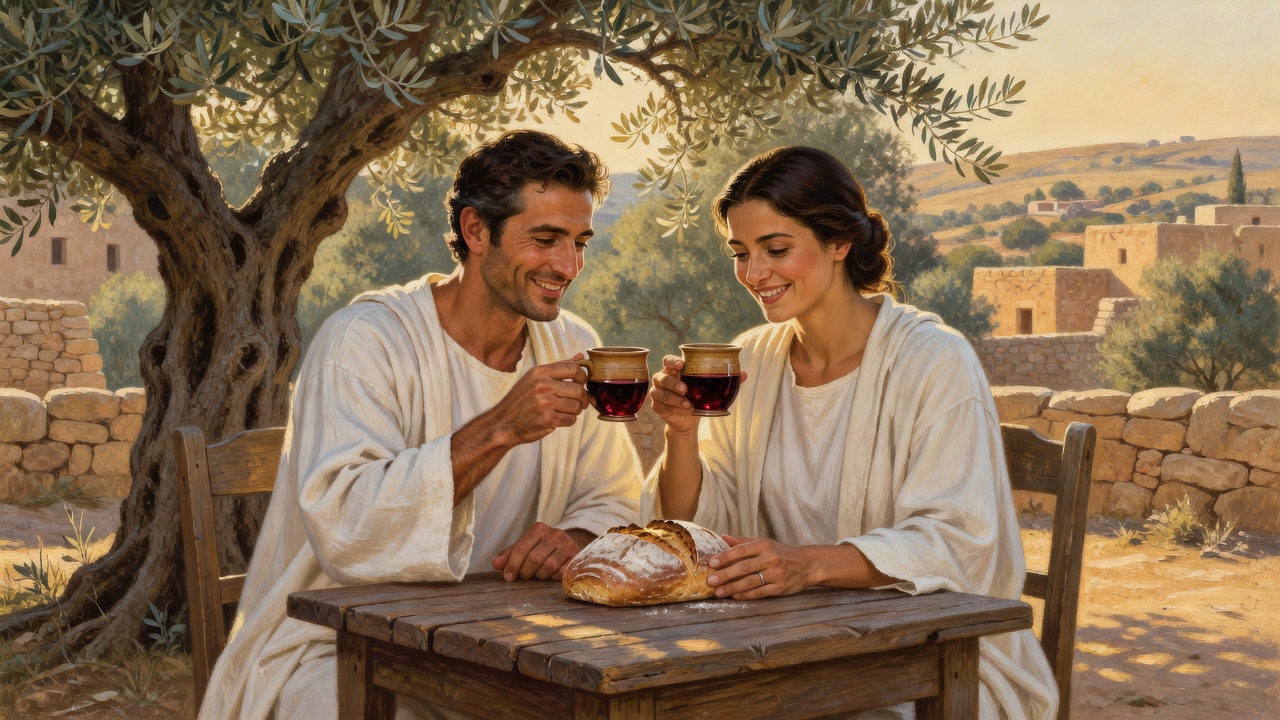
- The author counsels celebrating everyday life through customary ancient expressions of joy and honor: eating bread, drinking wine, wearing white garments, and anointing the head with oil.Sources: the Bible text itself
- The passage refers to Sheol as the realm of the dead, describing it as a state where work, planning, knowledge, and wisdom cease, which underscores the urgency to live actively while alive.Sources: the Bible text itself
- Ancient siege warfare is illustrated through the account of a mighty king building large siege ramps against a small city, only for a poor wise man to deliver it through wisdom rather than military force.Sources: the Bible text itself
Notes written with AI assistance from open sources (Theographic Bible Metadata, CC BY-SA 4.0; Easton’s Bible Dictionary, public domain) and reviewed before publishing.
Credits and license for this translation
Tupàn ze'eg
Bible without Deuterocanon in Guajajára (BR:gub:Guajajára)
copyright © 2007 Wycliffe Bible Translators, Inc.
Language: Guajajára
Translation by: Wycliffe Bible Translators, Inc.
Guajajára [gub], Brazil
Copyright Information
© 2007, Wycliffe Bible Translators, Inc. All rights reserved.
This translation text is made available to you under the
terms of the Creative Commons License: Attribution-Noncommercial-No Derivative Works.
( http://creativecommons.org/licenses/by-nc-nd/3.0/ )
In addition, you have permission to port the text to different file formats, as long as you
do not change any of the text or punctuation of the Bible.
You may share, copy, distribute, transmit, and extract portions
or quotations from this work, provided that you include the above copyright
information:
You must give Attribution to the work.
You do not sell this work for a profit.
You do not make any derivative works that change any of the actual words or punctuation of the Scriptures.
Permissions beyond the scope of this license may be
available if you contact
us with your request.
Printed book ISBN 9788531109713
The Bible without Deuterocanon
in Guajajára
© 2007, Wycliffe Bible Translators, Inc. All rights reserved.
This translation is made available to you under the terms of the
Creative Commons Attribution-Noncommercial-No Derivatives license 4.0.
You may share and redistribute this Bible translation or extracts from it in any format, provided that:
You include the above copyright and source information.
You do not sell this work for a profit.
You do not change any of the words or punctuation of the Scriptures.
Pictures included with Scriptures and other documents on this site are licensed just for use with those Scriptures and documents.
For other uses, please contact the respective copyright owners.
2020-03-30
Source: http://ebible.org/gubBl/ · eBible.org