Ecclesiastes 6
Tupàn ze'eg · Tap a verse to see its cross-references.
1Amo ae ma'e purumuzemumikahy kar haw ko ywy rehe har aexak ihe no. 2Tupàn omono wanemimutar paw amo teko wanupe a'e: temetarer tetea'u, ywy tetea'u, tàpuz tetea'u. Ukwaw katu kar a'e teko ikàg ma'e amogwer wanupe wà no. A'e re numurywete kar kwaw a'e teko a'e ma'e paw pupe wà. Amo ae teko ikwaw pyr 'ym uzemurywete kar wama'e rehe. Na'ikatu kwaw nezewe haw. Uzeapo na'arewahy ukàzym ma'e ràm romo a'e. 3Amo awa umumaw kwarahy tetea'u a'e. Heta 100 ta'yr izupe wà. Na'e nuzemurywete kar kwaw a'e ma'e paw rehe no. Iànàm nuzutym katu kwaw hetekwer imàno re wà. Màràzàwe tuwe aipo. Ko ma'e amume'u kury. Kwarer umàno ma'e kwer uhy hie wi uzexak kar ma'e kwer hurywete wera'u a'e awa wi a'e. 4A'e kwarer tur haw na'ikatu kwaw a'e. Ukàzym ipytunaw rehe a'e. Teko heharaz izuwi wà. 5Ni kwarahy nuexak pixik kwaw. Nukwaw pixik kwaw weko haw. Nezewe rehe we upytu'u katu wera'u a'e awa wi. 6A'e awa upuner mo miw kwarahy imumaw paw rehe a'e. Nezewe rehe we nuzemurywete kar pixik iwer mo weko haw rehe. Iahykaw rehe zaha zanemàno haw pe paw rupi zane.
7Teko paw uma'ereko katu wemi'u ràm imono'og pà wà. Nezewe rehe we ni amo nahurywete kwaw weko haw rehe wà. Nuhyk pixik kwaw wanupe. 8Aipo Ma'e Kwaw Katu Har ikatu wera'u iranaiw ma'e wi. Aipo hemetarer 'ym ma'e ukwaw wera'u weko haw amo wanuwi a'e. 9A'e ma'e uzeapo na'arewahy ukàzym ma'e ràm romo a'e no. Nuzawy kwaw ywytu haikweromo zanezànaw. Zanema'e zanepo pe har rehe zanerurywete haw ikatu wera'u amo ma'e tetea'u iputar haw wi.
10Ma'e ko ywy rehe uzeapo ma'e ràm paw uzekwaw kwehe mehe a'e. Amo teko izexak kar 'ym mehe we, amo umume'u heko àwàm a'e wà. Xikwaw ko ma'e zane. Nazapuner kwaw zaneze'eg tetea'u haw rehe zanewi ikàg wera'u ma'e wanupe. 11Xikwaw katu amo ma'e zane. Aze zaze'eg e tetea'u, ximume'u ranaiw paw tetea'u. Na'ikatu kwaw nezewe haw zanewe. 12Zanereko haw uzeapo na'arewahy ukàzym ma'e ràm romo a'e. Upaw zane'àgaw ài. Ma'enugar ma'e ikatu wera'u zanewe zanereko mehe. Aipo zapuner a'e ma'e ikwaw paw rehe. Ma'e uzeapo putar ywy rehe zanemàno re nehe. Ma'e zapuner iapo haw rehe a'e ma'e ikwaw pà nehe.
Did you know?
The Vanity of Unsatisfied Wealth
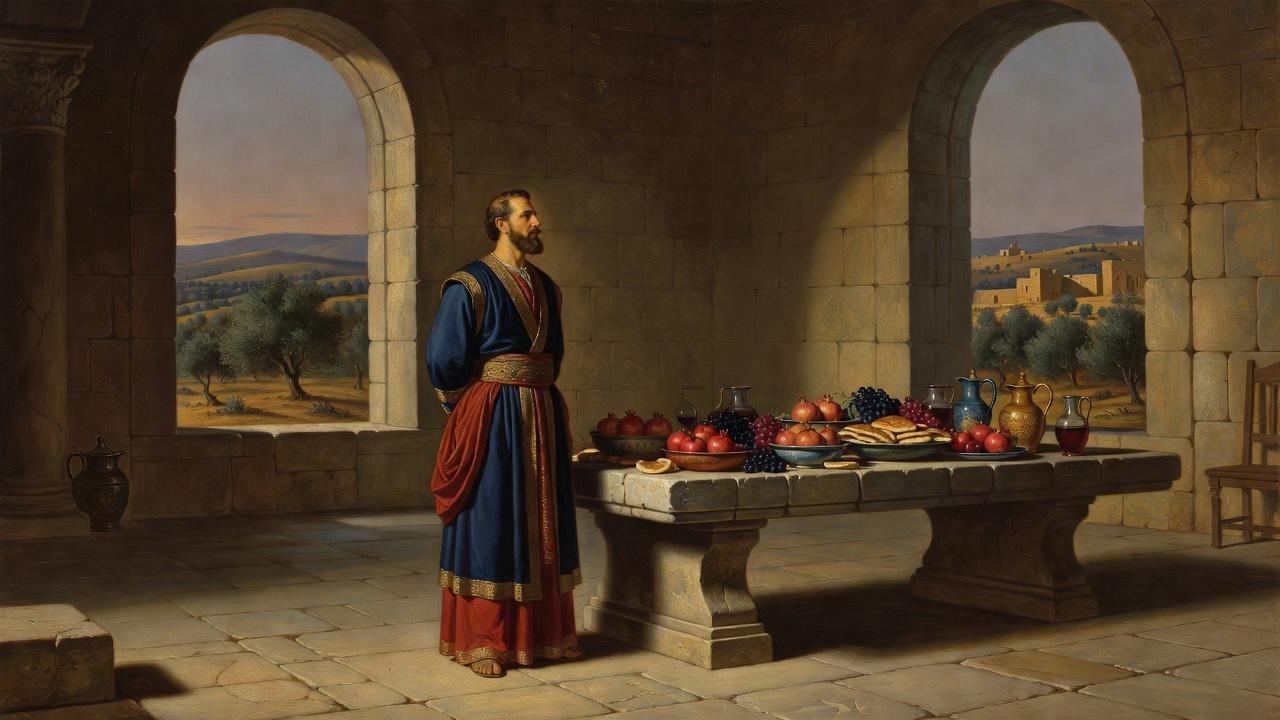
- In ancient thought, having a long life and fathering many children were considered the highest signs of blessing. Ecclesiastes observes, however, that even living two thousand years and fathering a hundred children is hollow if a person cannot enjoy their prosperity or receive a proper burial.Sources: the Bible text itself
- The author points out that although human labor is spent satisfying basic physical needs such as food, human appetite and desire remain continually unfulfilled. He contrasts enjoying what is directly present before the eyes with the ceaseless wandering of unsatisfied cravings.Sources: the Bible text itself
- The chapter emphasizes human limitations, noting that mortals cannot dispute with what has been established by one stronger than they are. Because life is fleeting like a shadow, humans cannot fully know what is truly good for them or foresee what will happen after they are gone.Sources: the Bible text itself
Notes written with AI assistance from open sources (Theographic Bible Metadata, CC BY-SA 4.0; Easton’s Bible Dictionary, public domain) and reviewed before publishing.
Credits and license for this translation
Tupàn ze'eg
Bible without Deuterocanon in Guajajára (BR:gub:Guajajára)
copyright © 2007 Wycliffe Bible Translators, Inc.
Language: Guajajára
Translation by: Wycliffe Bible Translators, Inc.
Guajajára [gub], Brazil
Copyright Information
© 2007, Wycliffe Bible Translators, Inc. All rights reserved.
This translation text is made available to you under the
terms of the Creative Commons License: Attribution-Noncommercial-No Derivative Works.
( http://creativecommons.org/licenses/by-nc-nd/3.0/ )
In addition, you have permission to port the text to different file formats, as long as you
do not change any of the text or punctuation of the Bible.
You may share, copy, distribute, transmit, and extract portions
or quotations from this work, provided that you include the above copyright
information:
You must give Attribution to the work.
You do not sell this work for a profit.
You do not make any derivative works that change any of the actual words or punctuation of the Scriptures.
Permissions beyond the scope of this license may be
available if you contact
us with your request.
Printed book ISBN 9788531109713
The Bible without Deuterocanon
in Guajajára
© 2007, Wycliffe Bible Translators, Inc. All rights reserved.
This translation is made available to you under the terms of the
Creative Commons Attribution-Noncommercial-No Derivatives license 4.0.
You may share and redistribute this Bible translation or extracts from it in any format, provided that:
You include the above copyright and source information.
You do not sell this work for a profit.
You do not change any of the words or punctuation of the Scriptures.
Pictures included with Scriptures and other documents on this site are licensed just for use with those Scriptures and documents.
For other uses, please contact the respective copyright owners.
2020-03-30
Source: http://ebible.org/gubBl/ · eBible.org