Deuteronomy 19
Tupàn ze'eg · Tap a verse to see its cross-references.
Upuruzuka e ma'e upuner amo tawhu pe uzeàmimaw rehe wà
1Uze'eg Moizez teko wanupe. — Tupàn Tuweharupi Wiko Ma'e Zanezar umumaw putar teko ywy peme wemimono ràm rehe har a'e wà nehe. Pemuhem kar putar a'e wi pe wà nehe. Peiko putar tawhu waneko awer pupe tàpuz waneko awer pupe nehe. 2Pemuza'aza'ak a'e ywy na'iruz pehegweruhu romo nehe. Ipehegwer nànàn pexaexak amo tawhu nehe. Tuwe nazawaiw kwaw a'e tawhu pe teko wazànaw nehe. Nezewe mehe wyzài awa amo teko izuka arer upuner a'e tawhu pe oho haw rehe nehe. Ni amo nupuner kwaw izuka haw rehe a'e pe wà nehe.
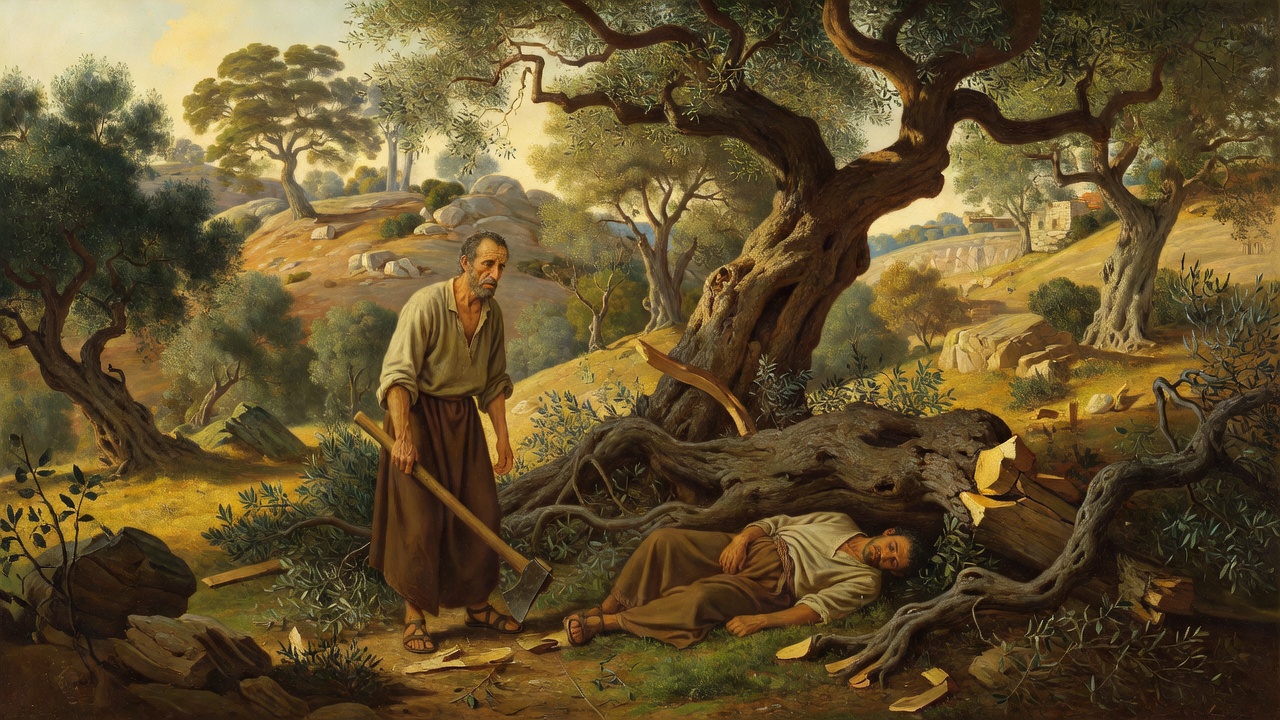
4Aze awa uzuka amo hehe ipuruzuka wer 'ym pà nehe, aze nuiko kwaw iàmàtyry'ymar romo nehe, izuka arer upuner amo a'e tawhu pe uzàwehemaw rehe a'e nehe. Ni amo nupuner kwaw izuka haw rehe a'e pe wà nehe. 5Amo awa wixe ka'a pe umyrypar rupi zepe'aw imonohok pà. Ywyra imonohok mehe itazy ita per iapo pyrer uhem putar u'yw wi inugwer izuka pà nehe. A'e mehe a'e awa oho putar a'e tawhu pe nehe. Ni amo nupuner kwaw izuka haw rehe a'e pe wà nehe. 6Aze mo heta xo pitài tawhu zo uzàn ma'e wanupe nehe, muite mo ru'u izuwi. A'e mehe mo umàno ma'e kwer iànàm uzepyk ma'e ràm upuner mo wànàm izuka arer ipyhykaw rehe wà. Iànàm wikwahy mo wà. A'e rupi uzuka mo wà. Na'ipuruzuka wer iwer mo hehe. Nezewe rehe we mo hemizuka kwer iànàm uzuka mo wà. 7A'e rupi aexaexak kar na'iruz tawhu uzàn ma'e wazepyro àwàm peme ihe.
8Tupàn Tuweharupi Wiko Ma'e Zanezar umur putar amo ywy peme a'e nehe, ta'e umume'u imur àwàm zaneipy wanupe a'e xe. Aze umur a'e ywy paw peme nehe, 9a'e mehe, pexaexak amo na'iruz tawhu uzàn ma'e wazepyro àwàm romo wà nehe. Tupàn umur putar amo ywy peme nehe, aze peruzar ize'eg peme kutàri heremimono paw rupi nehe, aze pezamutar katu Tupàn Tuweharupi Wiko Ma'e Zanezar pepy'a nànàn nehe, aze napehem pixik kwaw penape ràm peme hemixak kar wi nehe no. 10Aze pexaexak a'e tawhu uzàn ma'e uzepyro àwàm romo wà nehe, a'e mehe teko nuzuka e kwaw awa ywy Tupàn Tuweharupi Wiko Ma'e peme imur pyràm rehe wà nehe. Nezewe mehe napeiko kwaw awa ikatu ma'e izuka e har romo nehe.
11Aze ru'u amo awa na'iakatuwawahy kwaw amo rehe nehe. Uzeàmim tukaz pupe hàro pà. Na'e uzàmàtyry'ym wàmàtyry'ymar izuka pà. Na'e uzàn oho amo a'e tawhu pe uzepyro pà uzuka haw wi. 12Nezewe mehe tuwihaw a'e tawhu pe har wenoz putar imuwà uzenataromo wà nehe. Omono putar izuka arer izuka pyrer iànàm pe wà nehe, hehe uzepyk ma'e ràm pe wà nehe. Hehe uzepyk ma'e ràm uzuka putar wànàm izuka arer nehe. 13Pepuhareko zo nehe. Pezo'ok izuka arer Izaew wamyter wi nehe. Nezewe mehe peneko haw ikatu wera'u putar peme nehe.
Ywyzaw
14Heta ita peywyzaw hexak kar haw romo. Pemunyryk kar zo a'e ita nehe. Kwehe mehe amo umuapyk a'e ita ywy Tupàn Tuweharupi Wiko Ma'e Zanezar peme hemimur ràm rehe wà.
Ikatu 'ym ma'e iapo haw hexakar wà
15— 'Aw awa uzuka amo, aze amo i'i tàmuz wanupe amo rehe nehe, aze xo pitài zo umume'u hemiapo kwer nehe, nuhyk kwaw nehe. Aze mokoz teko umume'u hemiapo kwer wà nehe, xo a'e mehe zo uhyk putar wà nehe. 16Aze amo hemu'em amo hemiapo kwer imume'u mehe nehe, 17imume'u har weraha putar wemimume'u Tupàn imuwete haw pe. A'e pe uze'eg putar xaxeto wanupe tàmuz wanupe wà nehe. 18A'e tuwihaw wenu katu putar paw rupi wà nehe, a'e ma'e imuàgà'ym pà wà nehe. Aze a'e awa hemu'em ma'e romo wiko tuwe nehe, 19tuwihaw umume'u putar hehe uzepyk àwàm wà nehe. A'e 'ym mehe hemu'em ma'e wenoz inugwer rehe zepyk àwàm tuwihaw wanupe. Tuwihaw umume'u putar hehe zepyk àwàm hemimutar kwer zàwenugar izupe wà nehe kury. Uzepyk putar hehe wà nehe. Nezewe mehe pezo'ok putar ikatu 'ymaw teko wamyter wi nehe. 20Izaew paw ukwaw putar uzeapo ma'e kwer wà nehe. Ukyze putar paw rupi wà nehe. Ni amo nuzapo kwaw agwer ikatu 'ym ma'e teko wamyteromo wà nehe. 21Pepuhareko zo ikatu 'ym ma'e iapo har pe wà nehe. Nezewe pezepyk wanehe nehe: aze amo uzuka amo nehe, pezuka izuka arer nehe. Aze amo ozo'ok amo heha izuwi nehe, pezo'ok izo'ok arer heha izuwi nehe no. Aze amo ozo'ok amo hàz izuwi nehe, pezo'ok izo'ok arer hàz izuwi nehe no. Aze amo omonohok amo ipy izuwi nehe, pemonohok imonohok arer ipy izuwi nehe no.
Did you know?
Cities of Refuge, Boundaries, and Fair Justice
- The law commanded Israel to set aside three cities of refuge and build clear roads to them across three regions of the land. These designated cities allowed someone who accidentally killed a neighbor, such as by an axe head slipping off its handle, to safely escape an avenger of blood before being overtaken.Sources: the Bible text itself
- Moving an ancestral boundary stone or marker was strictly forbidden. These markers defined land inheritances assigned to families, and shifting them was considered an unjust seizure of a neighbor's property.Sources: the Bible text itself
- To prevent false convictions, a single witness was never sufficient to convict someone of a crime; at least two or three witnesses were required. If an investigation by priests and judges proved a witness had lied maliciously, the false accuser received the exact penalty intended for the accused.Sources: the Bible text itself
Notes written with AI assistance from open sources (Theographic Bible Metadata, CC BY-SA 4.0; Easton’s Bible Dictionary, public domain) and reviewed before publishing.
Credits and license for this translation
Tupàn ze'eg
Bible without Deuterocanon in Guajajára (BR:gub:Guajajára)
copyright © 2007 Wycliffe Bible Translators, Inc.
Language: Guajajára
Translation by: Wycliffe Bible Translators, Inc.
Guajajára [gub], Brazil
Copyright Information
© 2007, Wycliffe Bible Translators, Inc. All rights reserved.
This translation text is made available to you under the
terms of the Creative Commons License: Attribution-Noncommercial-No Derivative Works.
( http://creativecommons.org/licenses/by-nc-nd/3.0/ )
In addition, you have permission to port the text to different file formats, as long as you
do not change any of the text or punctuation of the Bible.
You may share, copy, distribute, transmit, and extract portions
or quotations from this work, provided that you include the above copyright
information:
You must give Attribution to the work.
You do not sell this work for a profit.
You do not make any derivative works that change any of the actual words or punctuation of the Scriptures.
Permissions beyond the scope of this license may be
available if you contact
us with your request.
Printed book ISBN 9788531109713
The Bible without Deuterocanon
in Guajajára
© 2007, Wycliffe Bible Translators, Inc. All rights reserved.
This translation is made available to you under the terms of the
Creative Commons Attribution-Noncommercial-No Derivatives license 4.0.
You may share and redistribute this Bible translation or extracts from it in any format, provided that:
You include the above copyright and source information.
You do not sell this work for a profit.
You do not change any of the words or punctuation of the Scriptures.
Pictures included with Scriptures and other documents on this site are licensed just for use with those Scriptures and documents.
For other uses, please contact the respective copyright owners.
2020-03-30
Source: http://ebible.org/gubBl/ · eBible.org