Amos 4
Tupàn ze'eg · Tap a verse to see its cross-references.
1— Peinu katu ko ze'eg nehe, kuzà Xamari pe har wà. Ikatuahy peneko haw. Pekyra katu tapi'ak kuzà Màxà pe har ài. Pepuraraw kar ma'erahy hemetarer 'ym ma'e wanupe. Pepyhyk temetarer ma'e hereko 'ymar wanuwi. — Erur amo win ihewe tàrityka'i ta'e hepuru'u wer hehe ihe kury 'y, peze peiko pemen wanupe. 2Ihe pezar Tupàn Tuweharupi Wiko Ma'e ihe, amume'u ko ma'e herer ikatu ma'e rehe ihe kury. Uhem putar amo 'ar nehe. A'e 'ar mehe zauxiapekwer pemutyk putar pinahu pupe ywy rehe tawhu wi kaiwer pe wà nehe, pira ài peiko putar wanupe nehe. Ni pitài peinuromo har nuzepyro kwaw wà nehe. 3Pehem putar peho pezeiroirogatu pàrirogawhu ikwar rupi nehe. Zauxiapekwer pemomor putar ywytyr Eremon her ma'e kutyr wà nehe.
Izaew nuzewyr wer kwaw Tupàn pe wà kury
4Pezar Tupàn Tuweharupi Wiko Ma'e uze'eg kury. — Teko Izaew wà. Aipo pepurapo wer ikatu 'ym ma'e rehe. Peho tupàn a'ua'u Metew pe har wanupe nehe, Ziwkaw pe har pe nehe. Pezapo wyzài iaiw ma'e a'e pe penemimutar rupi nehe. Tuweharupi ku'em mehe pezuka ma'ea'yr a'e pe wà nehe. Na'iruz haw 'ar nànàn pemono imono pyràm Tupàn pe nehe. 5Pemono typy'ak Tupàn ikatu haw hexak kar haw izupe nehe. A'e re pehem a'e wi penemiapo kwer imume'u pà teko wanupe nehe. — Oromono e ma'e kwez Tupàn pe ure kury. Ni amo nuerur kar kwaw a'e ma'e urewe wà, peze wanupe nehe. Ikatuahy agwer ma'e iapo haw peme.
6Amumaw temi'u tawhu nànàn ihe. Amuma'uhez kar teko paw ihe wà no. Nezewe rehe we napezewyr kwaw ihewe. 7Amupik kar àmàn ihe. Arozràn ipo'o 'ym mehe we umumaw kar na'iruz zahy ukyr 'ym pà. Amugyr kar àmàn amo tawhu pe. Namugyr kar kwaw àmàn amo ae tawhu pe no. Àmàn ukyr amo ko rehe. Nukyr kwaw amo ae ko rehe. Ma'e paw uxinig àmàn ikyr 'ym awer rehe. 8Teko wata oho taw nànàn 'y hekar pà wà. Xo pixika'i wexak wà. Iziwez wiwi wà. Nezewe rehe we napezewyr kwaw ihewe. Ihe Tupàn Tuweharupi Wiko Ma'e amume'u ko ma'e teko ihe kury.
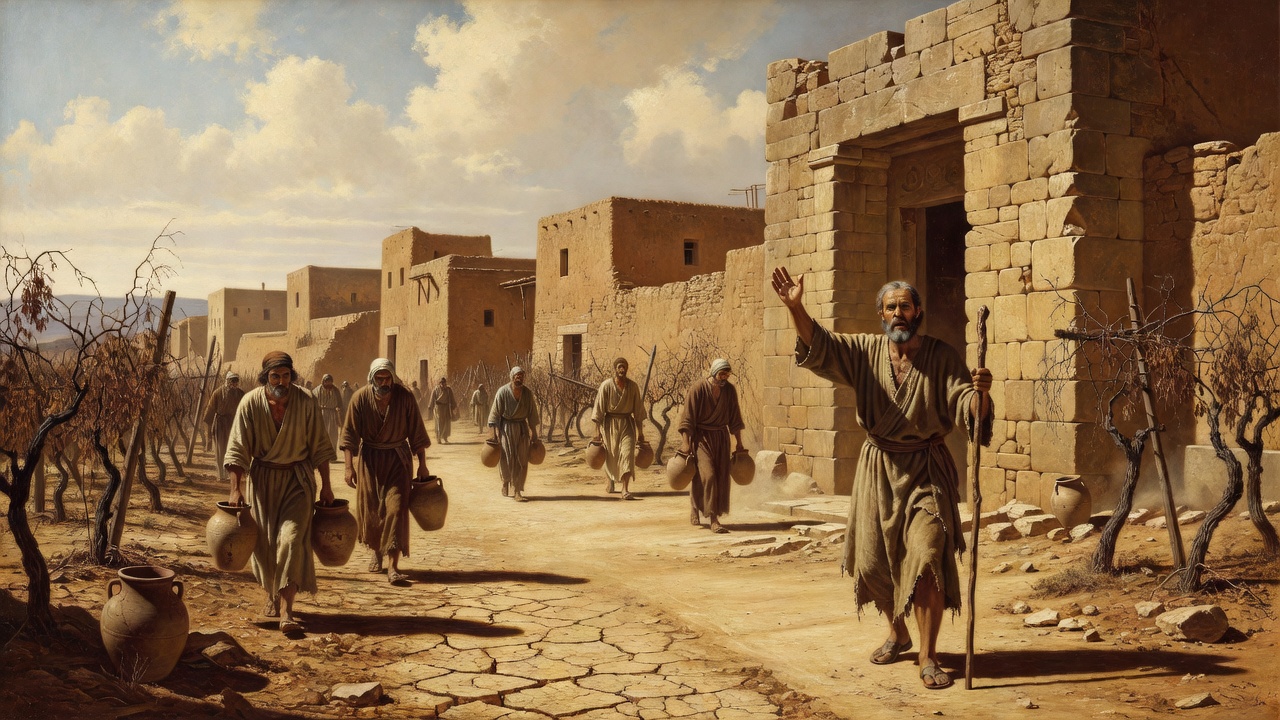
9Amono kar ywytu haku ma'e tetea'u peme penehe hezepyk pà. Amono kar tukur tetea'u penemi'u ko pe har rehe wà no. Tukur umumaw ma'e ko pe itym pyrer paw wà. Umumaw uwà tyw wà no. Umumaw pi tyw wà no. Umumaw uri tyw wà no. Nezewe rehe we napezewyr kwaw ihewe. 10Amu'ar kar amo purumuma'eahy kar haw penehe, Ezit pe uzeapo ma'e kwer zàwenugar. Azuka kar kwàkwàmo zauxiapekwer wanupe zeàmàtyry'ymawhu pe ihe wà. Araha kar peneimaw kawaru paw peàmàtyry'ymar wanupe wà. Umàno teko tetea'u wà. Inem wanetekwer wà. Amuhàmuhàz inemaw zauxiapekwer waker haw nànàn no. Nezewe rehe we napezewyr kwaw ihewe. Ihe Tupàn Tuweharupi Wiko Ma'e amume'u ko ma'e teko ihe kury.
11Amumaw tawhu Xotom kwehe mehe ihe. Amumaw tawhu Komor kwehe mehe ihe no. Amumaw amo tawhu peiwy rehe har nezewegatete no. Amo pepyro zepykaw wi ywyra hàkàgwer tata wi ikaz paw etea'i mehe ipyro pyrer ài. Nezewe rehe we napezewyr kwaw ihewe. 12A'e rupi, teko Izaew wà, azepyk putar penehe nehe. Azepyk putar penehe nehe, a'e rupi pezemuàgà'ym Tupàn pezar iàwàxi àwàm rehe nehe. Ihe Tupàn Tuweharupi Wiko Ma'e amume'u ko ze'eg kwez ihe.
13Tupàn uzapo ywytyr paw a'e. Umur kar ywytu a'e no.
Umume'u wemiapo ràm teko wanupe.
Umupytun kar 'ar a'e.
Wata ywytyruhu 'aromo.
Zanezar Tupàn Tuweharupi Wiko Ma'e ikàg wera'u ma'e her romo a'e.
Did you know?
Unheeded Warnings and the God of Hosts
- Amos addresses the wealthy, exploitative women of Samaria by calling them cows of Bashan. Samaria was the hilltop capital of the northern kingdom of Israel, while Bashan was a fertile region north of Gilead known for its rich pastures.Sources: the Bible text itself · Samaria · Bashan
- The prophet sarcastically invites the people to bring sacrifices and tithes to Bethel and Gilgal. Both locations had deep historical and religious importance in Israel, but had become sites of hollow religious ritual and transgression.Sources: the Bible text itself · Bethel (of Palestine) · Gilgal
- Amos recounts a series of divine warnings through natural and military disasters, including severe drought, crop-destroying locusts, pestilence reminiscent of Egypt, and battlefield defeat. Despite each disaster, the text repeats the refrain that the people refused to return to God.Sources: the Bible text itself · Egypt
Notes written with AI assistance from open sources (Theographic Bible Metadata, CC BY-SA 4.0; Easton’s Bible Dictionary, public domain) and reviewed before publishing.
Places in this chapter
- Bashan · 32.781, 35.935 · verse 1
- Samaria · 32.276, 35.195 · verse 1
- Egypt · 30.129, 31.308 · verse 10
Only places identified with high confidence are shown (90% or more according to the scholarly sources compiled by OpenBible). Period map: DARE (Digital Atlas of the Roman Empire), CC BY 4.0; modern map: © OpenStreetMap contributors; places: OpenBible.info (CC BY 4.0).
Credits and license for this translation
Tupàn ze'eg
Bible without Deuterocanon in Guajajára (BR:gub:Guajajára)
copyright © 2007 Wycliffe Bible Translators, Inc.
Language: Guajajára
Translation by: Wycliffe Bible Translators, Inc.
Guajajára [gub], Brazil
Copyright Information
© 2007, Wycliffe Bible Translators, Inc. All rights reserved.
This translation text is made available to you under the
terms of the Creative Commons License: Attribution-Noncommercial-No Derivative Works.
( http://creativecommons.org/licenses/by-nc-nd/3.0/ )
In addition, you have permission to port the text to different file formats, as long as you
do not change any of the text or punctuation of the Bible.
You may share, copy, distribute, transmit, and extract portions
or quotations from this work, provided that you include the above copyright
information:
You must give Attribution to the work.
You do not sell this work for a profit.
You do not make any derivative works that change any of the actual words or punctuation of the Scriptures.
Permissions beyond the scope of this license may be
available if you contact
us with your request.
Printed book ISBN 9788531109713
The Bible without Deuterocanon
in Guajajára
© 2007, Wycliffe Bible Translators, Inc. All rights reserved.
This translation is made available to you under the terms of the
Creative Commons Attribution-Noncommercial-No Derivatives license 4.0.
You may share and redistribute this Bible translation or extracts from it in any format, provided that:
You include the above copyright and source information.
You do not sell this work for a profit.
You do not change any of the words or punctuation of the Scriptures.
Pictures included with Scriptures and other documents on this site are licensed just for use with those Scriptures and documents.
For other uses, please contact the respective copyright owners.
2020-03-30
Source: http://ebible.org/gubBl/ · eBible.org