1 Corinthians 2
Η Καινή Διαθήκη · Tap a verse to see its cross-references.
1Κἀγὼ ἐλθὼν πρὸς ὑμᾶς, ἀδελφοί, ἦλθον οὐ καθ᾽ ὑπεροχὴν λόγου ἢ σοφίας καταγγέλλων ὑμῖν τὸ ⸂μαρτύριον⸃ τοῦ θεοῦ. 2Οὐ γὰρ ἔκρινα ⸋τοῦ⸌ ⸉εἰδέναι τι⸊ ἐν ὑμῖν, εἰ μὴ Ἰησοῦν χριστόν, καὶ τοῦτον ἐσταυρωμένον. 3Καὶ ἐγὼ ἐν ἀσθενείᾳ καὶ ἐν φόβῳ καὶ ἐν τρόμῳ πολλῷ ἐγενόμην πρὸς ὑμᾶς. 4Καὶ ὁ λόγος μου καὶ τὸ κήρυγμά μου οὐκ ἐν ⸂πειθοῖς ἀνθρωπίνης σοφίας λόγοις,⸃ ἀλλ᾽ ἐν ἀποδείξει πνεύματος καὶ δυνάμεως· 5ἵνα ἡ πίστις ὑμῶν μὴ ᾖ ἐν σοφίᾳ ἀνθρώπων, ἀλλ᾽ ἐν δυνάμει θεοῦ.
6Σοφίαν δὲ λαλοῦμεν ἐν τοῖς τελείοις· σοφίαν δὲ οὐ τοῦ αἰῶνος τούτου, οὐδὲ τῶν ἀρχόντων τοῦ αἰῶνος τούτου, τῶν καταργουμένων· 7ἀλλὰ λαλοῦμεν ⸉σοφίαν θεοῦ⸊ ἐν μυστηρίῳ, τὴν ἀποκεκρυμμένην, ἣν προώρισεν ὁ θεὸς πρὸ τῶν αἰώνων εἰς δόξαν ἡμῶν· 8ἣν οὐδεὶς τῶν ἀρχόντων τοῦ αἰῶνος τούτου ἔγνωκεν· εἰ γὰρ ἔγνωσαν, οὐκ ἂν τὸν κύριον τῆς δόξης ἐσταύρωσαν· 9ἀλλὰ καθὼς γέγραπται, Ἃ ὀφθαλμὸς οὐκ εἶδεν, καὶ οὖς οὐκ ἤκουσεν, καὶ ἐπὶ καρδίαν ἀνθρώπου οὐκ ἀνέβη, ⸂ἃ⸃ ἡτοίμασεν ὁ θεὸς τοῖς ἀγαπῶσιν αὐτόν. 10Ἡμῖν ⸂δὲ⸃ ⸉ὁ θεὸς ἀπεκάλυψεν⸊ διὰ τοῦ πνεύματος ⸋αὐτοῦ·⸌ τὸ γὰρ πνεῦμα πάντα ἐρευνᾷ, καὶ τὰ βάθη τοῦ θεοῦ. 11⸂Τίς γὰρ οἶδεν ἀνθρώπων τὰ τοῦ ἀνθρώπου, εἰ μὴ τὸ πνεῦμα τοῦ ἀνθρώπου τὸ ἐν αὐτῷ; Οὕτως καὶ τὰ τοῦ θεοῦ οὐδεὶς οἶδεν,⸃ εἰ μὴ τὸ πνεῦμα τοῦ θεοῦ. 12Ἡμεῖς δὲ οὐ τὸ πνεῦμα τοῦ κόσμου ἐλάβομεν, ἀλλὰ τὸ πνεῦμα τὸ ἐκ τοῦ θεοῦ, ἵνα εἰδῶμεν τὰ ὑπὸ τοῦ θεοῦ χαρισθέντα ἡμῖν. 13Ἃ καὶ λαλοῦμεν, οὐκ ἐν διδακτοῖς ἀνθρωπίνης σοφίας λόγοις, ἀλλ᾽ ἐν διδακτοῖς ⸂πνεύματος ἁγίου,⸃ πνευματικοῖς πνευματικὰ συγκρίνοντες. 14Ψυχικὸς δὲ ἄνθρωπος οὐ δέχεται τὰ τοῦ πνεύματος τοῦ θεοῦ· μωρία γὰρ αὐτῷ ἐστιν, καὶ οὐ δύναται γνῶναι, ὅτι πνευματικῶς ἀνακρίνεται. 15Ὁ δὲ πνευματικὸς ἀνακρίνει ⸋μὲν⸌ ⸆ πάντα, αὐτὸς δὲ ὑπ᾽ οὐδενὸς ἀνακρίνεται. 16Τίς γὰρ ἔγνω νοῦν κυρίου, ὃς συμβιβάσει αὐτόν; Ἡμεῖς δὲ νοῦν χριστοῦ ἔχομεν.
Did you know?
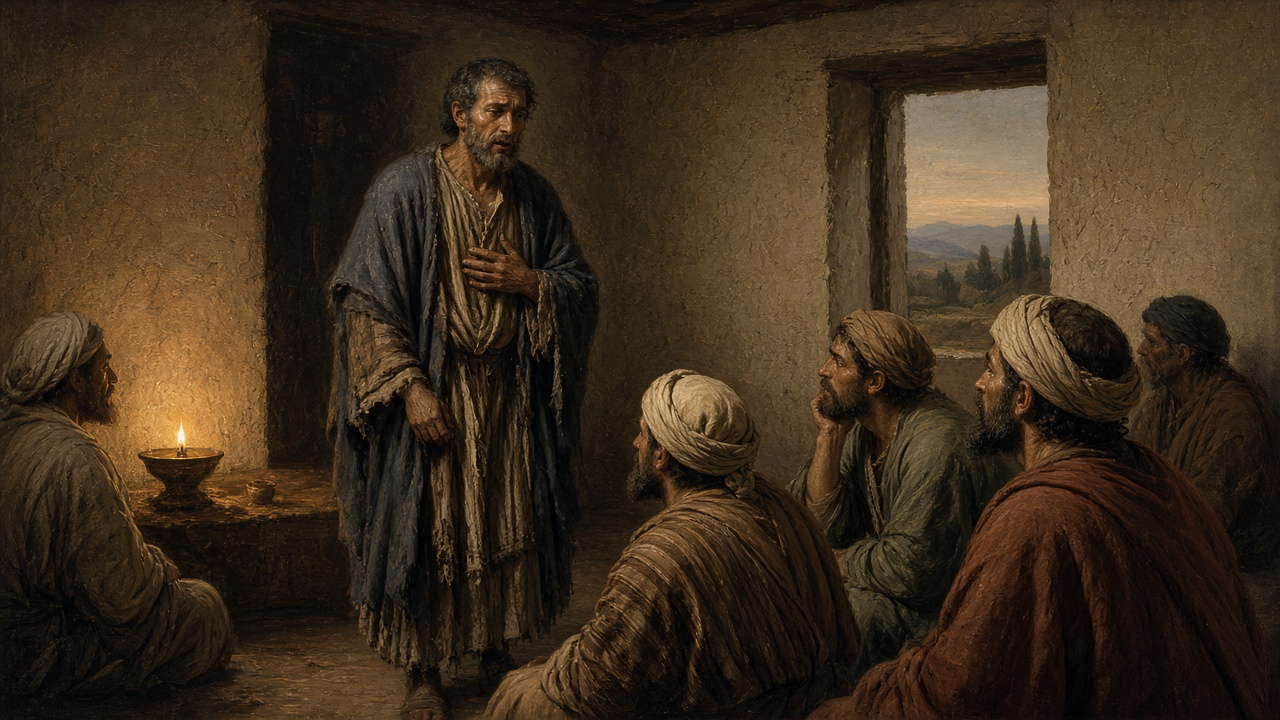
Christ crucified and the Spirit's wisdom
- The writer says he did not come with eloquence or wisdom when he proclaimed the testimony about God. He had resolved to know nothing while he was with them except Jesus Christ and him crucified, and he came in weakness, fear, and much trembling, so their faith would rest on God's power rather than on human wisdom.Sources: the Bible text itself
- The wisdom spoken among the mature is not the wisdom of this age or of its rulers, who are coming to nothing. It is called God's mysterious, hidden wisdom, destined for glory before time began; those rulers did not understand it, or they would not have crucified the Lord of glory.Sources: the Bible text itself
- The chapter says God has revealed by the Spirit what lies beyond human sight, hearing, and imagination. Only a person's own spirit knows that person's thoughts, and only the Spirit of God knows God's thoughts. The natural person does not accept what comes from the Spirit, treats it as foolishness, and cannot understand it, because it is spiritually discerned.Sources: the Bible text itself
Notes written with AI assistance from open sources (Theographic Bible Metadata, CC BY-SA 4.0; Easton’s Bible Dictionary, public domain) and reviewed before publishing.
Credits and license for this translation
Η Καινή Διαθήκη
Solid Rock Greek New Testament, Scholar's Edition
Public Domain
Language: Ελληνικά (Greek, Ancient)
Translation by: Robinson and Pierpont
Contributor: Joey McCollum and Stephen Brown
2026-10-02
Source: http://ebible.org/grcsr/ · eBible.org