Job 31
Geeshsha Maxaafa · Tap a verse to see its cross-references.
1“Geela7o xeellada amottonna mela,
taani ta ayfiyara caaqetas.
2Bollan de7iya Xoossaa matape asas imetida qaaday aybee?
Salon de7iya Ubbaa Danda7iya Xoossay asas immiya gishoy aybee?
3Iitata bolla boshi, bala ootheyisata bolla gadoy
gakanaysi eretidaba gidenneyee?
4Xoossay ta ogiya ubbaa be7eneyee?
ta tanguwa ubbaa taybeneyee?
5“Taani wordon de7idaba gidiko,
ase cimmidaba gidiko,
6Xoossay tana like mizaanen mazzano;
yaatidi ta xillo gideysa be7o.
7Ta hemethay ogepe keydaba gidiko,
ta wozanay ta ayfey xeellidaba amotidaba gidiko,
ta kushey nagaran tunidaba gidiko,
8ta dolay shodetidi dhayo;
ta zeridaysa hari mo.
9“Ta wozanay hara maccas amotidaba gidiko,
woyko taani ta shooruwa machiw geeddidaba gidiko,
10ta machiya hara asas gaacco;
iira hara addey aqo.
11Hessi yeellayiya nagaras koshshiya
gita pirda.
12Ha nagaray tamada xuuggiyaba gidiya gisho,
ta aquwa ubbaa dhaysanashin.
13“Ta adde woyko ta macca aylleti abeeti gin,
entaw pirdonna ixidaba gidiko,
14Xoossa sinthan ta pirdas shiiqiya wode waananee?
I tana oychiya wode taani woyga zaaranee?
15Tana medhida Xoossay enta I medhibeneyee?
Nuna ubbaa nu aaye ulon medhiday issi iya gidenneyee?
16“Taani manqoti woossidaba diggidaba gidiko,
woyko am7eta minthethonna aggidaba gidiko,
17yi7o nayti mela aqiya wode be7ashe, taani tarka midaba gidiko,
18Taani enta ta na7atethafe doomada enta aawada dichas;
ta yeletoosope doomada am7eta maaddas.
19Ma7oy dhayin meegoy wodhiya uraa,
woyko kallo de7iya metootanchuwa be7ada,
20ta dorsata ikisepe oosetida ma7o mayzin,
tana anjona biday de7iko,
21Taani mooton enta shatimmanaysa erada,
yi7o nayta naaqidaba gidiko,
22ta qesey kuriyape me77o;
ta kushey hashiyape kareti wodho.
23Xoossaa hanquwa yayyida gisho
hessa oothanaw danda7ike.
24“Taani worqan ammanetidaba gidiko,
woyko walahi bayna worqaa ‘Ta ceeqoy nena’ gidaba gidiko,
25Ta duretetha darotethan,
ta kushey demmida wodhen ufaytidaba gidiko,
26Awa phoolethi be7ada,
woyko ageena lo77otethi xeellada,
27ta wozanay geeman enta nashshibeenna,
woyko ta enta yeerada goyinnabike.
28Hessi pirda ehiya nagara gidiya gisho
Xoossaa kaddas guussu.
29“Ta morketa kundethan ufaytabike;
enta gakida metuwan hashshu gabike.
30‘Ta morkey dhayo’ yaaga baaddada,
nagara oothabike.
31Ta soo asay, ‘Iya son
kathi midi kallonnay oonee?’ yaagidi markatoosona.
32Ta soy ubba wode dooya gidiya gisho,
oge asi karen aqi erenna.
33Harati ootheysada,
ta nagaraa ta wozanan genthabike.
34Asa pokos yayyada,
enta boriyas dagammada,
soo gelada qosetida wodey deenna.
35“Tana si7iya asi de7eerenneshin,
Ta oday tuma gideysa paramayis;
Ubbaa Danda7iya Xoossay taw zaaro immo
Ta morkey ba mootuwa xaafidi shiishin
ta be7arkinashin.
36Be7iyako woytoda qoodhen aathada ma7anashin,
Kallachada ta huuphen wothanashin!
37Taani maati de7iya asada xoossaako shiiqada,
ta oothidaba ubbaa iyaw qoncisanashin!
38“Ta goshsha biittay ta bolla waassidaba gidiko,
daasatika afuthan laakidaba gidiko,
39he biittan kaxidaba miishe qanxonna ekidaba gidiko,
woyko he biitta ootheyisata koshan wodhidaba gidiko,
40taw he biittan giste gisho agunthi,
banga gisho sharaafi dolo” yaagis.
Iyyoba oday hessan poletis.
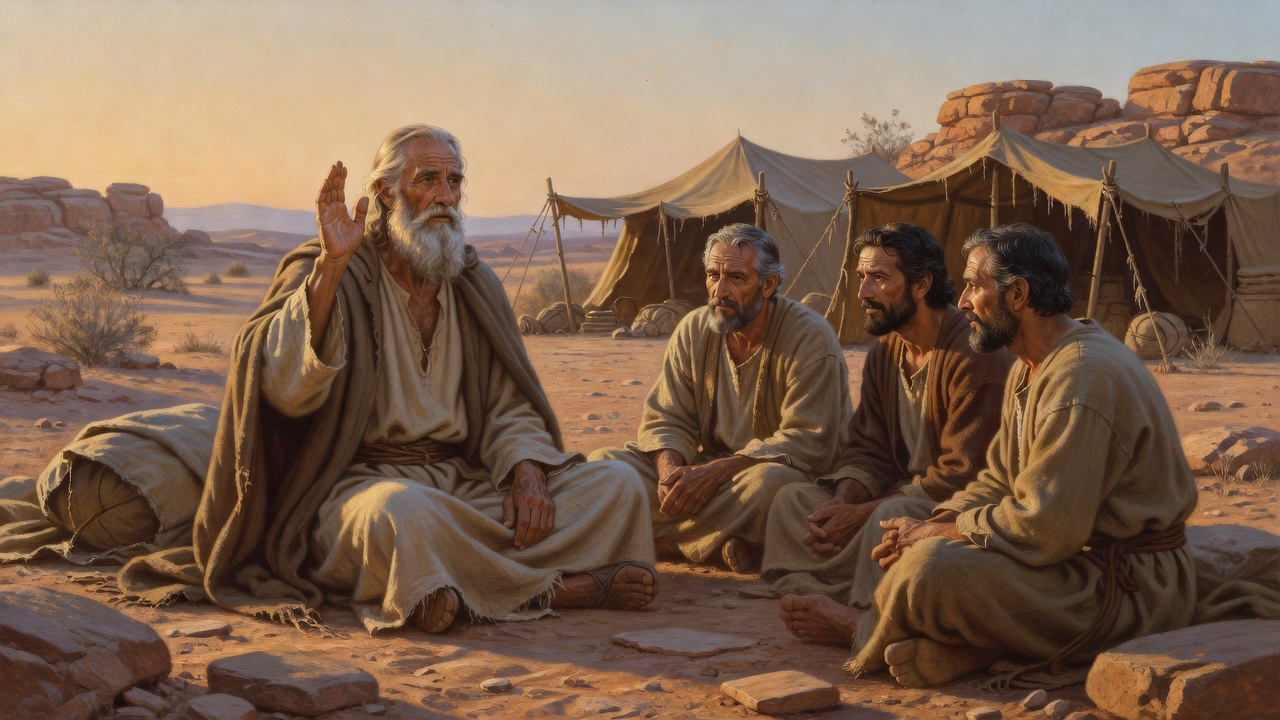
Did you know?
Job's Final Oath of Innocence
- Job frames his defense using a series of conditional self-curses, swearing that if he has committed specific moral or social sins, severe punishments should fall upon him. His ethical code extends beyond external deeds to internal motives, demanding fairness even for his servants because both master and slave were formed by the same God in the womb.Sources: the Bible text itself
- Job disavows the ancient practice of throwing a kiss with his hand toward the radiant sun or the moon in splendor. In the ancient Near East, kissing one's hand toward celestial bodies was a widespread form of astral worship, which Job regards as an offense that denies God on high.Sources: the Bible text itself
- The chapter marks the conclusion of Job's speeches with a formal legal appeal. He presents his written mark or signature, asking the Almighty to answer him and declaring that he would proudly carry any formal indictment on his shoulder like a crown, approaching God with the dignity of a prince.Sources: the Bible text itself · Job
Notes written with AI assistance from open sources (Theographic Bible Metadata, CC BY-SA 4.0; Easton’s Bible Dictionary, public domain) and reviewed before publishing.
Credits and license for this translation
Geeshsha Maxaafa
Gofa: Geeshsha Maxaafa (Bible) for Ethiopia, Latin script
copyright © 2024 The Word for the World International
Language: Goofa (Gofa)
Contributor: The Word for the World International
This translation is made available to you under the terms of the
Creative Commons Attribution Share-Alike license 4.0.
You have permission to share and redistribute this Bible translation in any format and to make reasonable revisions and adaptations of this translation, provided that:
You include the above copyright and source information.
If you make any changes to the text, you must indicate that you did so in a way that makes it clear that the original licensor is not necessarily endorsing your changes.
If you redistribute this text, you must distribute your contributions under the same license as the original.
Pictures included with Scriptures and other documents on this site are licensed just for use with those Scriptures and documents.
For other uses, please contact the respective copyright owners.
Note that in addition to the rules above, revising and adapting God's Word involves a great responsibility to be true to God's Word. See Revelation 22:18-19.
2025-05-03
Source: http://ebible.org/gofl/ · eBible.org