Job 18
Geeshsha Maxaafa · Tap a verse to see its cross-references.
Baldadoosa Haasaya
1Hessafe guye, Shuuha biittafe yida Beldadoosi zaaridi,
2“Iyyoba, ne odaas wursethi baawee?
Ane akeeka; nu odiyaba si7a.
3Ne nuna ayis miizi oothay?
Ayis nuna tulle kessay?
4Ne hanqetada nena qohaasa;
Ne hanquwan biittay kallo attanee?
Woyko zaallay ba bessaafe qaaxennee?
5Nagaranchota xompey to7ana;
iya tama lacoy dhayana.
6Enta keethan de7iya xompey dhayana;
enta poo7oyka dhumana.
7I tangiya tangoy qaammees;
iya iita qofay iya zaaridi mees.
8Iya hemethay iya xihen gelsees;
iya tohoti gitetana.
9Xihey iya ginde oykana;
diizi iya qaaxo diggana.
10Yurde wodoroy sa7an iyaw geemmi uttees;
I hemetiya ogiyan gitey de7ees.
11Dagami iya teqidi oykees;
iya guyera kaallidi iya yedethees.
12Iya wolqaa koshi wursis;
dhayoy iya miyen naagees.
13Hargey iya laafethees;
hayqoy iya mokidi ekees.
14Hirgi bayna de7iya ba keethaafe goodetees;
enti iya hayqo geetetiya kawako efoosona.
15Iya keethay taman oyketana;
I de7iyasuwan diinney laaletana.
16Garsara xaphoy melana;
bollara haythi qoqofetana.
17Iya qopiya asi biittafe dhayana;
iya sunthay sa7an hassayetonna attana.
18I poo7ope dhuman goodettana;
alamiyape dhayana.
19Iyaw na7i woyko kochi dhayana;
I de7ida bessan issi asi paxa attenna.
20Wuloha bagga asay, iya gakida metuwan dagammidosona;
doloha bagga asay yashshan kokoridosona.
21Iita asaa wursethay awudeka hessa mela;
Xoossaa eronna asaa qaaday hessa mela” yaagis.
Did you know?
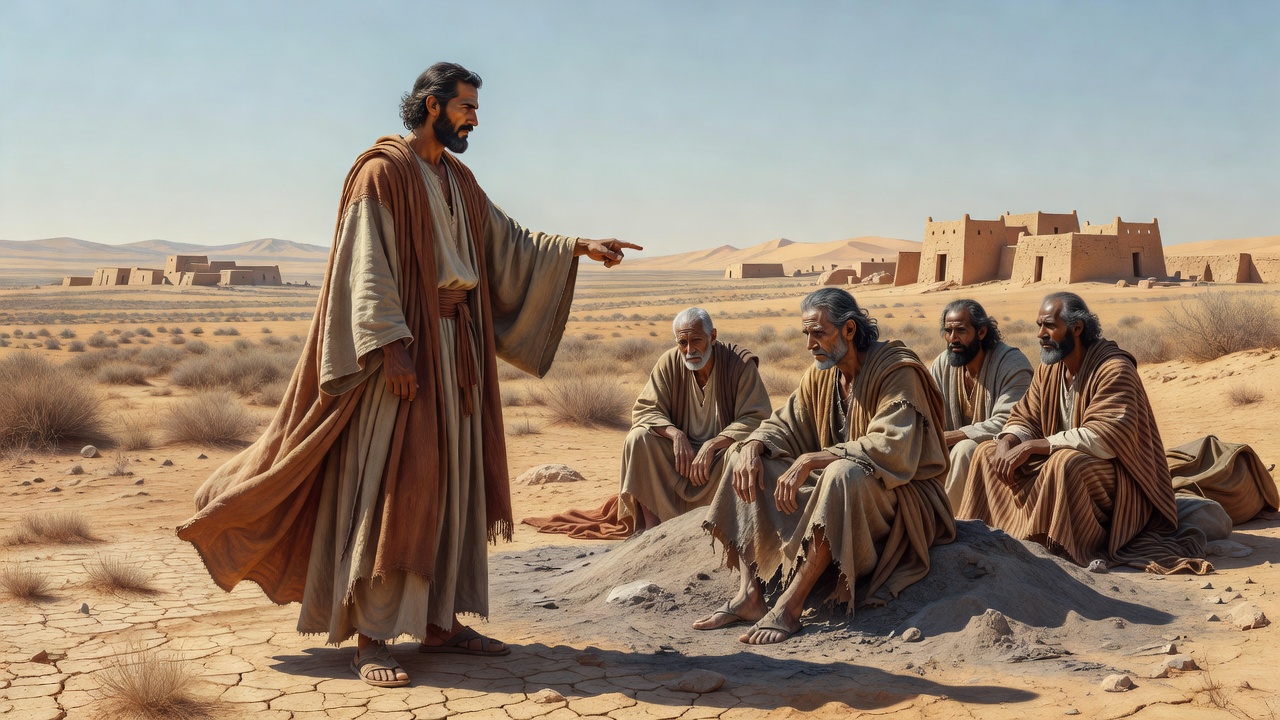
Bildad's Second Speech on the Fate of the Wicked
- Bildad is identified as a Shuhite, a designation traditionally linked to Shuah, a region in Arabia associated with the descendants of Abraham and Keturah. In this second speech to Job, Bildad maintains a stern and severe tone as he rebukes Job and insists on the certain doom of the ungodly.Sources: Bildad · the Bible text itself
- To describe the destruction awaiting the wicked, Bildad draws heavily on ancient hunting imagery. He depicts their downfall through metaphors of hidden nooses, concealed ground snares, and sweeping nets that trap the wanderer.Sources: the Bible text itself
Notes written with AI assistance from open sources (Theographic Bible Metadata, CC BY-SA 4.0; Easton’s Bible Dictionary, public domain) and reviewed before publishing.
Credits and license for this translation
Geeshsha Maxaafa
Gofa: Geeshsha Maxaafa (Bible) for Ethiopia, Latin script
copyright © 2024 The Word for the World International
Language: Goofa (Gofa)
Contributor: The Word for the World International
This translation is made available to you under the terms of the
Creative Commons Attribution Share-Alike license 4.0.
You have permission to share and redistribute this Bible translation in any format and to make reasonable revisions and adaptations of this translation, provided that:
You include the above copyright and source information.
If you make any changes to the text, you must indicate that you did so in a way that makes it clear that the original licensor is not necessarily endorsing your changes.
If you redistribute this text, you must distribute your contributions under the same license as the original.
Pictures included with Scriptures and other documents on this site are licensed just for use with those Scriptures and documents.
For other uses, please contact the respective copyright owners.
Note that in addition to the rules above, revising and adapting God's Word involves a great responsibility to be true to God's Word. See Revelation 22:18-19.
2025-05-03
Source: http://ebible.org/gofl/ · eBible.org