Isaiah 29
Geeshsha Maxaafa · Tap a verse to see its cross-references.
Yerusalaame Ayye!
1Dawiti de7ida Ar7eela katamaw nena ayye! Laytha bolla laythi guja; ne ba7aaleta zaara zaara boncha. 2Taani Ar7eela katamaa buroo un7ethana; I zeleelidi yeekana. He katamay suuthi kammida yarsho bessa mela gidana. 3Taani ne yuushuwa teqana; adussa gimbiyan nena dirana; ne bolla ola shako essana. 4Neeni gelida ollan gidada odetana; garsa baanape ne girsay yaana. Ne girsay moytille girsada biitta giddofe keyana; baana giddofe ne kalkashana.
5Shin ne morketi baana mela daro; wozana mino asata tayboy carkoy efiya puno mela. 6Qoponna de7ishin, Ubbaafe Wolqaama Goday dadan, biitta qaaxon, gita girsan, goten, carkoninne tama lacon hintena wochana. 7Ar7eela katamaa oliya daro kawotetha ubbay, he katamaanne iya miixa oliya ubbay, iya un7ethiya ubbay dhisko amuhodanne elmoda hanana. 8Koshatida asi amuhon kathi midi, barkiya wode iya koshay aggonaysada woyko saamotida asi amuhon uyidi, barkiya wode saamuwa alonaysada, Xiyoone deriya oliya kawotethati ubbay hessada hanana.
9Malaaletite; dagammite; qilim7ite; qooqite. Mathotite, shin woyne ushshan gidopo. Gandigarite, shin mathoyiya ushshan gidopo. 10Goday dhisko ayyaana hinte bolla gussis. Nabeto, hinte ayfey goozetis; qoncethi be7eysato, hinte huuphey kametis.
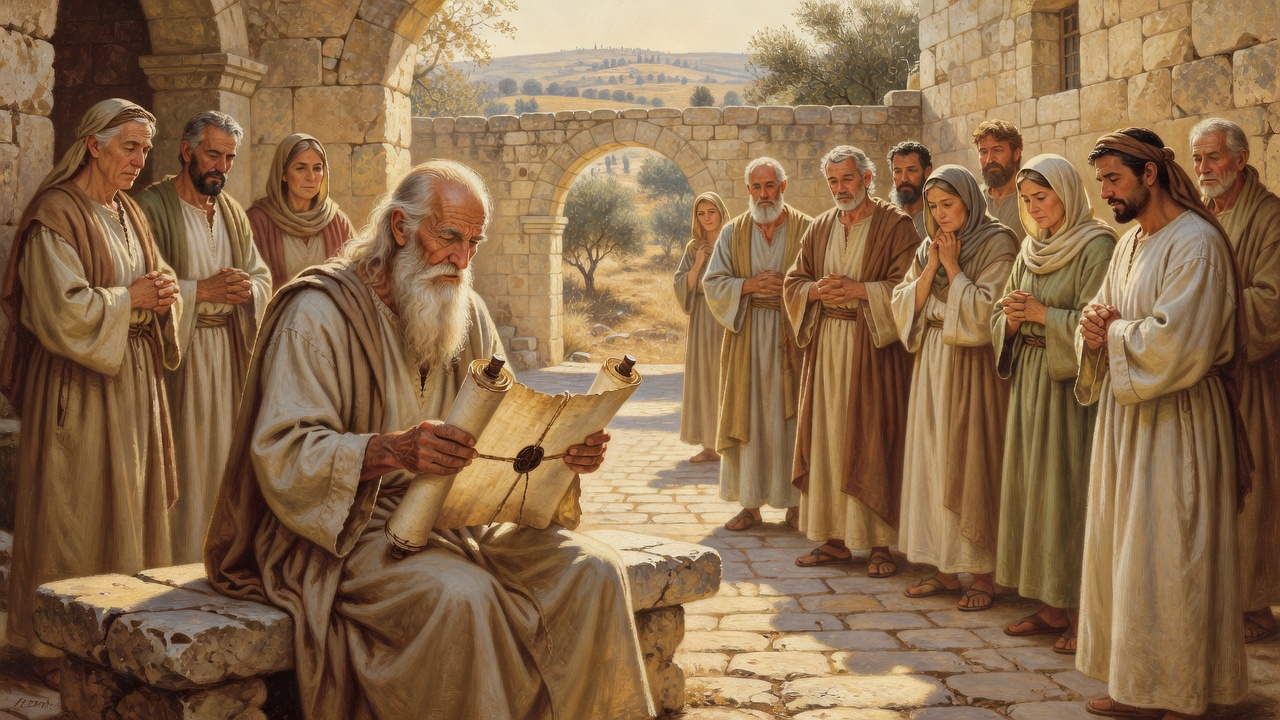
11Ha ubba qoncethay new attametida maxaafa mela gidis. Issi asi, “He7e, haysa nabbaba” yaagidi, issi nabbabo eriya asas immiya wode, I, “Maxaafay attametida gisho, ta nabbabanaw danda7ike” yaagana. 12Maxaafa nabbabi eronna asako, “He7e, haysa nabbaba” yaagidi immiya wode, I, “Taani nabbaba erike” yaagana.
13Goday yaagees: “Ha asay tana banta doonan bonchees; shin enta wozanay taape haahon de7ees. Enti asi medhida wogaa tamaarsishe tana coo goyinnoosona. 14Hessa gisho, taani ha asaa bolla zaara zaara malaalsiyaba oothana. Cincata cincatethaa eeya kessana; eranchota eraa dogisana” yaagis.
15Banta halchuwa Godaape qosanaw ciimmoyeyisata, banta oosuwa dhuman oothishe, “Nuna ooni be7ii? Nuna ooni erii?” yaageyisata ayye! 16Hinte ubbaba shiri yeggeeta. Oto medheysi urqa mela gidi qopeeta! Medhetidaysi medhidaysa, “I tana medhibeenna” giyyee? Otoy bana medhidaysa, “I aykoka erenna” gaanaw danda7ii?
17Libaanose woray aradda gade gidanaw; qassi aradda gadey wora gidanaw guutha wodey attis gidennee?
18He gallas tulleti maxaafaa qaala si7ana; dhuman de7iya qooqeta ayfey xeellana. 19Ashketi Godan ufaytana; manqoti Isra7eele Geeshshan hashshu gaana. 20Ulo iitati wurana; qelqiseysati tim7i gaana; iitabaa oothanaw wochiya ubbay dhayana. 21Ase odan bala ootheysati, mootetidaysa pirda keethan xihen yeggeysatinne wordo markatethan xillo asa pirdaa geellayeysati dhayana.
22Hessa gisho, Abrahaame wozida Goday Yayqooba kochaako haysada yaagees: “Yayqooba kochay hizape guye yeellatenna; iya som7oy yeellatidi sa7a xeellenna. 23Shin enti ta kushe ooso gidida banta nayta banta giddon be7iya wode ta sunthaa geeshshana; enti Yayqooba Geeshshaa, geeshshatetha naagana; Isra7eele Xoossaa yashshatethan bonchana. 24Ayyaanan baleysati akeeka demmana; zuuzumeysati timirte ekana” yaagees.
Did you know?
The Siege and Restoration of Ariel
- The name Ariel is used symbolically in this passage for Jerusalem, the city where King David once encamped. The term is also associated with an altar hearth for burnt offerings, picturing the city undergoing intense siege and distress before its sudden deliverance.Sources: Ariel · David · the Bible text itself
- Isaiah compares the spiritual insensibility of the people to a sealed scroll that the literate cannot open and the illiterate cannot read. He condemns those who reverse the natural order by acting as though the clay could question the potter who formed it.Sources: the Bible text itself
- The chapter promises a dramatic reversal in which the great mountain region of Lebanon becomes a fertile orchard. In that day, the descendants of Jacob and Abraham are promised understanding, joy, and justice as the blind see and the deaf hear.Sources: Lebanon · Abraham · Jacob (Israel) · the Bible text itself
Notes written with AI assistance from open sources (Theographic Bible Metadata, CC BY-SA 4.0; Easton’s Bible Dictionary, public domain) and reviewed before publishing.
Places in this chapter
- Ariel · Today: Jerusalem · 31.777, 35.234 · verses 1, 2, 7
- City of David · 31.774, 35.236 · verse 1
- Jerusalem · 31.777, 35.234 · verses 2, 3
- Mount Zion · 31.772, 35.229 · verse 8
- Lebanon · 33.540, 35.584 · verse 17
Only places identified with high confidence are shown (90% or more according to the scholarly sources compiled by OpenBible). Period map: DARE (Digital Atlas of the Roman Empire), CC BY 4.0; modern map: © OpenStreetMap contributors; places: OpenBible.info (CC BY 4.0).
Credits and license for this translation
Geeshsha Maxaafa
Gofa: Geeshsha Maxaafa (Bible) for Ethiopia, Latin script
copyright © 2024 The Word for the World International
Language: Goofa (Gofa)
Contributor: The Word for the World International
This translation is made available to you under the terms of the
Creative Commons Attribution Share-Alike license 4.0.
You have permission to share and redistribute this Bible translation in any format and to make reasonable revisions and adaptations of this translation, provided that:
You include the above copyright and source information.
If you make any changes to the text, you must indicate that you did so in a way that makes it clear that the original licensor is not necessarily endorsing your changes.
If you redistribute this text, you must distribute your contributions under the same license as the original.
Pictures included with Scriptures and other documents on this site are licensed just for use with those Scriptures and documents.
For other uses, please contact the respective copyright owners.
Note that in addition to the rules above, revising and adapting God's Word involves a great responsibility to be true to God's Word. See Revelation 22:18-19.
2025-05-03
Source: http://ebible.org/gofl/ · eBible.org