Job 2
ጌሻ ማፃፋ · Tap a verse to see its cross-references.
እዮባ ናምአን ፓጨተ
1ሀራ ጋላስ ኪታንቾት ጎዳ ስንን በንታናዉ ይዶሶና፤ ፃላሄይካ ቃስ ኤንታራ እስፈ እያ ስንን በንታናዉ ይስ። 2ጎዳይ ፃላህያኮ፥ “ኔኒ አዉፐ ያዲ?” ያግስ።
ፃላሄይ ጎዳኮ፥ “ታኒ ሳአ ኡባን ያነ ሃነ ዩያሸ ጋምአስ” ያግስ።
3ጎዳይ ፃላህያኮ፥ “ኔኒ ታ አይልያ እዮባ ሎይዳ በአዲ? ሳአ ቦላ እያ መላ ቦረይ ባይና አስ፥ ሱረ አስ፥ ፆሰ ያይያነ ኢታባፐ ሃክዳ አስ ባዋ። ጋሶይ ባይና ታኒ እያ ይሳና መላ ነ ታና ደንንካ ሀእ ጋካናዉ እ ባ ሱረተን ምንድ ኤቅስ” ያግስ።
4ፃላሄይ ዛሪድ፥ “ነ ሸምፖይ አቶ” አስ ገይሳዳ አስ ባ ሸምፑዋ ግሾ ባዉ ደእያባ ኡባ እሜስ። 5ሽን፥ “ኔኒ ነ ኩሽያ የዳዳ እያ አሳተ ቦችያኮ፥ እ ነና ቱማ ሶምኦን ባዳና” ያግስ።
6ጎዳይ ፃላህያኮ፥ “ኤሮ ሎኦ፥ እያ ዎፓፈ አትሽን፥ እያ ቦላ ነ ኮይዳባ ኦናዉ ዳንዳኣሳ” ያግስ።
7ሄሳፈ ጉየ፥ ፃላሄይ ጎዳ ስንፈ ከይድ፥ እዮባ ቶሆፐ ሁጰ ጋካናዉ ኢታ ማዱንን ካኤታና መላ ኦስ። 8እዮብ ብዶ ቦላ ኡትድ ኮንአን ባና ጎድስ።
9እያ ማችያ፥ “ሀእ ጋካናዉካ ኔኒ ነ ሱረተ ምን ኦይካዲ? ፆሳ ባዳዳ ሀይቃጋ” ያጋሱ።
10እዮብ ዛሪድ፥ “ኔኒ ኤያ ማጫሳዳ ዋናዳ ኦደታይ? ኑኒ ፆሳፈ ሎኦባ ኤክ ጋምእድ፥ ኢታባይ ጋክያ ዎደ ኤኮኮዬ?” ያግስ።
ሀ ዋየ ኡባን እዮብ ፆሳ ቦላ ኢታባ ኦደትቤና።
ሄ እዮባ ላገታ
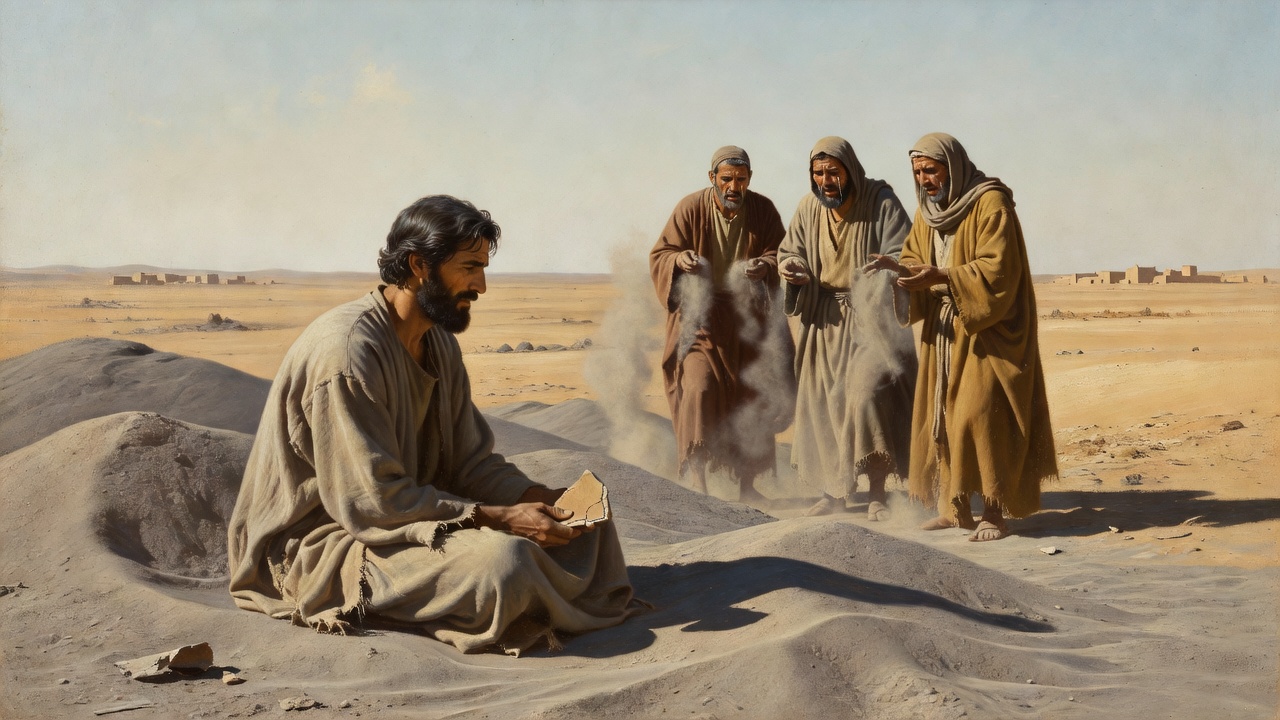
11ሄ እዮባ ላገት፥ ተማና ቢታፈ ኤልፋዝ፥ ሹሀ ቢታፈ በልዳዶስነ ናእማ ቢታ አስ ግድዳ ሶፋር እዮባ ቦላ ጋክዳ መቱዋ ስእዳ ዎደ እያዉ ቃታናዉነ ምንናዉ እስፈ እያኮ ይዶሶና። 12ኤንቲ እያ ሃሆን ኤቅድ ፄልያ ዎደ እ እዮባ ግደይሳ ኤርቦኮና። ጉየፐ እያ ግደይሳ ኤርዳ ዎደ ባንታ ቃላ ቁ ኦድ ዬክዶሶና፤ ባንታ ማኡዋ ፔድ፥ ባንታ ሁጰን ባና ቆልዶሶና። 13ኤንቲ እያራ ላፑን ጋላስነ ላፑን ቃማ ቢታን ኡትዶሶና። ኤንቲ እያ ዋየይ ኬህ ዳሮ ግደይሳ በእዳ ግሾ ኦንካ እያ ኦድስቤና።
Did you know?
Job’s Affliction and the Arrival of His Friends
- In the Hebrew text of Job, the term translated as Satan appears with the definite article as the adversary or accuser. In this second heavenly council, the adversary argues that while Job endured the loss of his wealth and family, striking his physical flesh and bones would cause him to abandon his integrity.Sources: Satan · the Bible text itself
- Job’s companions—Eliphaz the Temanite, Bildad the Shuhite, and Zophar the Naamathite—came from distant regions associated with Arabia. Bildad's background is linked to Shuah, a son of Abraham by Keturah, while the ancient Greek Septuagint translation connects Zophar to the Mineans of southern Arabia.Sources: Bildad · Zophar · the Bible text itself
- Upon seeing Job's severe suffering, his three friends tore their garments, threw dust into the air over their heads, and sat with him on the ground in complete silence for seven days and seven nights. This shared vigil reflected ancient customs of deep mourning when sorrow was too profound for words.Sources: the Bible text itself
Notes written with AI assistance from open sources (Theographic Bible Metadata, CC BY-SA 4.0; Easton’s Bible Dictionary, public domain) and reviewed before publishing.
Credits and license for this translation
ጌሻ ማፃፋ
Gofa: ጌሻ ማፃፋ Bible of Ethiopia, Ethiopic script
copyright © 2024 The Word for the World International
Language: Goofa
Contributor: The Word for the World International
This translation is made available to you under the terms of the
Creative Commons Attribution Share-Alike license 4.0.
You have permission to share and redistribute this Bible translation in any format and to make reasonable revisions and adaptations of this translation, provided that:
You include the above copyright and source information.
If you make any changes to the text, you must indicate that you did so in a way that makes it clear that the original licensor is not necessarily endorsing your changes.
If you redistribute this text, you must distribute your contributions under the same license as the original.
Pictures included with Scriptures and other documents on this site are licensed just for use with those Scriptures and documents.
For other uses, please contact the respective copyright owners.
Note that in addition to the rules above, revising and adapting God's Word involves a great responsibility to be true to God's Word. See Revelation 22:18-19.
2025-05-02
Source: http://ebible.org/gofe/ · eBible.org