Revelation 2
Nuevo Testamento Guaraní Pe · Tap a verse to see its cross-references.
Ñee Efeso peguarã
1Icuatía ángel upurugüɨrovia vae Efeso pe uyembatɨ vae reta pe uyeyocui vae pe cuarãi: ‘Cua jei siete yasɨtata reta ipo iyacata pe uipɨsɨ vae - jae siete vela iguapɨca oro pegua reta ipɨte pe uguata vae co:
2Che aicuaa peparavɨquɨ. Tanta peparavɨquɨ jare pepɨaguasu vi. Piñemɨĩru'ã icavi mbae vae uyapo vae reta ndive. Ime pepɨte pe ñugüɨnoi jocua “Che co jae Jesús jemimondo” jei vae reta. Ẽrei jae reta Jesús jemimondo reta'ã co. Jare pe reta peeca picuaa vaerã añetete ra co Jesús jemimondo reta. Jare añave picuaa iyapu reta co. 3Jare pe reta cherau ramo, pepɨaguasu jare pemɨaguanta pecueri mbae reve.
4Ẽrei chepuere pumbɨjeco mbae re. Jae co cua: Cherau'ã ma tenonde yave cherause vae rami. 5Jáeramo pemandúa quirãi tenonde yave cherau ete. Peeya piyemɨngueta icavi mbae vae pepɨa pe oĩ vae, jare piyapo ye mbaravɨquɨ reta tenonde yave piyapose vae rami. Echa'ã peeya'ã yave piyemɨngueta icavi mbae vae pepɨa pe oĩ vae, aata ɨmambae pepɨ jare ambɨsɨrɨta pevela iguapɨca jenda güi.
6Ẽrei ayerovia cua re: Nicolaíta reta uyapo vae icavi'ã peve. Echa'ã jocua icavi'ã ete vi cheve.
7Uipota uyandu vae tuyapɨsaca Espíritu Santo upurugüɨrovia vae uyembatɨmbatɨ vae reta pe jei vae re. Upurumɨamɨri vae pe ameeta jou vaerã jocua ɨvɨra tecove umee vae güi. Jocua ɨvɨra ime paraíso mbɨte pe oĩ. Joco pe ico Tumpa.’
Jucuarãi icuatía —jei—.
Ñee Esmirna peguarã
8Jare icuatía ángel upurugüɨrovia vae Esmirna pe uyembatɨ vae reta pe uyeyocui vae pe cuarãi: ‘Cua jei jocua tenondegua vae jare taɨcuegua vae - jae umano, ẽrei icove ye: 9Che aicuaa peparavɨquɨ jare quirãi piporara jare peparavete (ẽrei picocatu co Tumpa cotɨ). Aicuaa vi quirãi jocua judío-raanga reta jei icavi mbae vae pecotɨ. Yepe tẽi jei reta: Ore co jae judío reta, ẽrei jae'ã co. Echa'ã jae reta uyapo Satanás jembiapo. 10Agüɨye pequɨye piporarata vae güi. Mase, aña guasu peñonocata amocue pe reta peresorɨru pe, uyecuaa vaerã pepurugüɨrovia añetete ra. Jare piporarata diez ara pegua. Jecuaeño perovia cheré, yepe tẽi aramoi pemanota pepurugüɨrovia jeco pegua. Jucuarãi yave, ameeta peve tecove opa mbae vae.
11Uipota uyandu vae tuyapɨsaca Espíritu Santo upurugüɨrovia vae uyembatɨmbatɨ vae reta pe jei vae re. Upurumɨamɨri vae re ndarau etei mbaepuere güɨnoi mano mocuia.’
Jucuarãi icuatía —jei—.
Ñee Pérgamo peguarã
12Jare icuatía ángel upurugüɨrovia vae Pérgamo pe uyembatɨ vae reta pe uyeyocui vae pe cuarãi: ‘Cua jei quɨsepucu jaimbeyovai vae güɨnoi vae:
13Aicuaa peparavɨquɨ jare quiape pico. Echa'ã perenta guasu pe jeta ete vae uyapo Satanás jembiapo. Ẽrei pe reta jecuaeño picuaaca quirãi perovia cheré. Peeya'ã etei pepurugüɨrovia, yepe tẽi yavai ete peve jocua ara reta pe Antipas uyeyucaca pepɨte pe yave. Antipas uyeyucaca, chemɨmbeu cavi ramo. Echa'ã Satanás etei ico perenta guasu pe.
14Ẽrei chepuere pumbɨjeco mbovɨ mbaembae re. Echa'ã ime pepɨte pe ñugüɨnoi Balaam iporomboe güɨrovia vae reta. Balaam omboe Balac quirãi ipuere umbɨavai Israel pegua reta. Echa'ã jae reta umbɨpɨ jou tembíu tumpa-raanga reta pe uñemee vae jare uyapo aguasa. 15Jae ramiño vi ime pepɨte pe ñugüɨnoi nicolaíta reta iporomboe güɨrovia vae reta, jare jocua moromboe icavi'ã ete cheve.
16Jáeramo peeya piyemɨngueta icavi mbae vae pepɨa pe oĩ vae. Peeya'a yave, aata pepɨ ɨmambae jare añerãrota jae reta ndive. Aiporuta jese reta quɨsepucu cheyuru güi oẽ vae.
17Uipota uyandu vae tuyapɨsaca Espíritu Santo upurugüɨrovia vae uyembatɨmbatɨ vae reta pe jei vae re. Upurumɨamɨri vae pe ameeta jocua maná uyecuaa mbae vae. Ameeta vi chupe penti ita tĩ vae. Jocua ita re ime penti tee ipɨau vae uyecuatía oĩ. Jaeño ameeta ita chupe vae uicuaata jocua tee.’
Jucuarãi icuatía —jei—.
Ñee Tiatira peguarã
18Jare icuatía ángel upurugüɨrovia vae Tiatira pe uyembatɨ vae reta pe uyeyocui vae pe cuarãi: ‘Cua jei Tumpa Taɨ. Jae jesa tata jendɨ oĩ vae rami co, jare ipɨ bronce uyembacu yave tata pe uyepiro ete vae rami:
19Che aicuaa peparavɨquɨ jare pepuruau jare pepurugüɨrovia jare quirãi piyeyocui cheve jare pepɨaguasu. Jare jecuaeño peparavɨquɨ tanta. Añete co, tenonde yave peparavɨquɨ tanta, ẽrei taɨcue rupi peparavɨquɨ tanta ete.
20Ẽrei chepuere pumbɨjeco cua re: Pemaeño jocua cuña Jezabel jee vae re oporomboe vaerã pepɨte pe. Jae jei jae co penti cuña Tumpa iñee umɨmbeu vae. Ẽrei jae umbɨtavɨ cherembiocui reta. Echa'ã jae umɨmbeu chupe reta uyapo vaerã aguasa jare jou vaerã tembíu tumpa-raanga reta pe uñemee vae. 21Jare amee ma ara reta jocua cuña pe ueya vaerã iyemɨngueta icavi mbae vae ipɨa pe oĩ vae, agüɨye vaerã uyapo aguasa. Ẽrei jecuaeño uyapo jocua icavi mbae vae. 22Mase, amɨmbaerasɨta jocua cuña, jare aiporaraca eteta jae ndive menda re uyuvanga vae reta pe, ueya'ã reta yave icavi mbae vae jae ndive uyapo vae. 23Jare ayucata jocua cuña imembɨ reta, jare opaete upurugüɨrovia vae uyembatɨmbatɨ vae reta uicuaata quirãi che aicuaa opaete vae iyemɨngueta ipɨa pe oĩ vae. Jare ameeta peve penti penti mbae piyapo vae rupi. 24Ẽrei tae peve cua: Cua reño pumbɨjeco. Ẽrei piñemɨmɨrãta mburugüɨrovia penoi vae re che ayu ye regua. (Cuarãi chemiari aĩ upurugüɨrovia vae Tiatira pegua jocua cuña iporomboe güɨrovia mbae vae reta pe. Echa'ã jae reta uicuaa'ã Satanás iporomboe uyecuaa mbae vae jei chupe vae.)
26Upurumɨamɨri vae pe ameeta mbaepuere ipuere vaerã oyocui ɨvɨ pegua reta, jecuaeño yave uyapo cheparavɨquɨ. 27Jare oyocuita penti popoca fierro pegua pe. Güɨnoita mbaepuere jese reta mbaepuere penoi pembɨperasoraso vaerã penti ɨru ñaeu pegua vae rami. Echa'ã cheRu umee cheve etei cua nunga mbaepuere. 28Jare ameeta chupe yasɨtata neimbove asɨ uyecuaa vae.
29Uipota uyandu vae tuyapɨsaca Espíritu Santo upurugüɨrovia vae uyembatɨmbatɨ vae reta pe jei vae re.’
Jucuarãi icuatía —jei—.
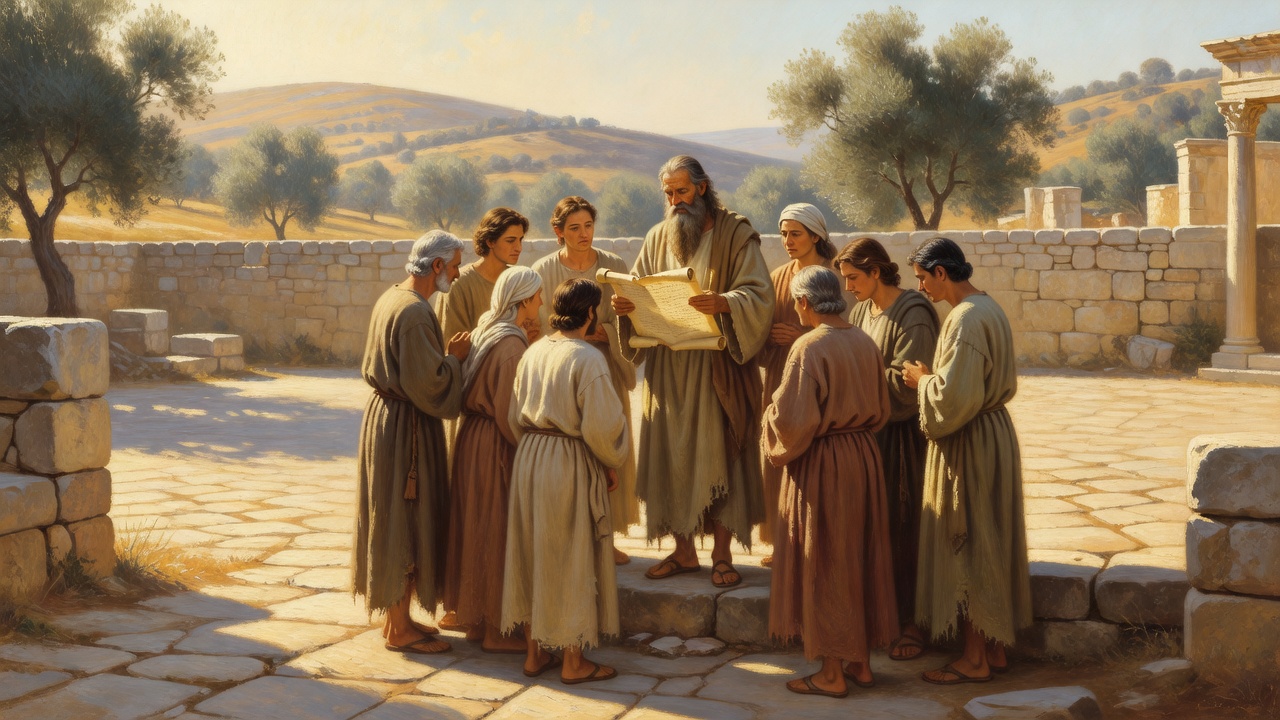
Did you know?
Messages to the Four Churches
- Ephesus was the capital of proconsular Asia and bore the Roman title of the first and greatest metropolis of the province. It was famous across the ancient world for its open-air theatre seating 50,000 spectators and for housing the chief shrine and temple of Diana.Sources: Ephesus · the Bible text itself
- Pergamum, the chief city of Mysia situated near the Caicus River, is described in the letter as the place where Satan's throne sits. The text commends the believers there for maintaining their faith even when Antipas, called a faithful witness, was killed in the city.Sources: Pergamum · Antipas · the Bible text itself
- Located between Lydia and Mysia, the city of Thyatira was celebrated for its textile dyeing industry, as confirmed by ancient inscriptions mentioning its guild of dyers. In the New Testament, Lydia, a seller of purple-dyed cloth, hailed from this city.Sources: Thyatira · the Bible text itself
Notes written with AI assistance from open sources (Theographic Bible Metadata, CC BY-SA 4.0; Easton’s Bible Dictionary, public domain) and reviewed before publishing.
Places in this chapter
- Ephesus · 37.939, 27.341 · verse 1
- Smyrna · Today: Izmir · 38.419, 27.138 · verse 8
- Pergamum · Today: Pergamon · 39.132, 27.184 · verse 12
- Thyatira · Today: Akhisar · 38.920, 27.837 · verses 18, 24
Only places identified with high confidence are shown (90% or more according to the scholarly sources compiled by OpenBible). Period map: DARE (Digital Atlas of the Roman Empire), CC BY 4.0; modern map: © OpenStreetMap contributors; places: OpenBible.info (CC BY 4.0).
Credits and license for this translation
Nuevo Testamento Guaraní Pe
New Testament in Guaraní, Western Bolivian (BL:gnw:Guaraní, Western Bolivian)
copyright © 2012 Wycliffe Bible Translators, Inc.
Language: Guaraní, Western Bolivian
Translation by: Wycliffe Bible Translators, Inc.
Guaraní, Western Bolivian [gnw], Bolivia
Copyright Information
© 2012, Wycliffe Bible Translators, Inc. All rights reserved.
This translation text is made available to you under the
terms of the Creative Commons License: Attribution-Noncommercial-No Derivative Works.
( http://creativecommons.org/licenses/by-nc-nd/3.0/ )
In addition, you have permission to port the text to different file formats, as long as you
do not change any of the text or punctuation of the Bible.
You may share, copy, distribute, transmit, and extract portions
or quotations from this work, provided that you include the above copyright
information:
You must give Attribution to the work.
You do not sell this work for a profit.
You do not make any derivative works that change any of the actual words or punctuation of the Scriptures.
Permissions beyond the scope of this license may be
available if you contact
us with your request.
The New Testament
in Guaraní, Western Bolivian
© 2012, Wycliffe Bible Translators, Inc. All rights reserved.
This translation is made available to you under the terms of the
Creative Commons Attribution-Noncommercial-No Derivatives license 4.0.
You may share and redistribute this Bible translation or extracts from it in any format, provided that:
You include the above copyright and source information.
You do not sell this work for a profit.
You do not change any of the words or punctuation of the Scriptures.
Pictures included with Scriptures and other documents on this site are licensed just for use with those Scriptures and documents.
For other uses, please contact the respective copyright owners.
2014-04-25
Source: http://ebible.org/gnwNT/ · eBible.org