Matthew 6
Nuevo Testamento Guaraní Pe · Tap a verse to see its cross-references.
Quirãi nemee vaerã mbae iparavete vae reta pe
1Jupi vae piyapo yave, agüɨye piyapo opaete vae jovaque jae reta uecha vaeraño. Echa'ã piyapo yave opaete vae jovaque, peRu ara pe oĩ vae ndarau umee peve mbae jocua jupi vae piyapo vae jeco pegua —jei—.
2Jáeramo nemee mbae iparavete vae reta pe yave, agüɨye iyapo upurumbɨtavɨ vae reta uyapo rami. Echa'ã jae reta omondo jenonde judío reta itupao reta pe jare calle rupi uyemimbɨ vae, ĩru vae reta icavi uyemɨngueta jese vaerã umee mbae iparavete vae reta pe yave. Añete che jae peve, jocua upurumbɨtavɨ vae reta güɨnoita'ã imbaerã jucuarãi uyapo ramo —jei—. 3Ẽrei nde nemee mbae iparavete vae reta pe yave, agüɨye tuicuaa ndepo ndeaso cotɨgua ndepo ndeacata uyapo vae, 4agüɨye vaerã quía ye uicuaa nde ndiyapo vae regua. Ẽrei ndeRu uicuaata nde ndiyapo vɨari vae jare umeeta ndeve mbae opaete vae jovaque —jei—.
Jesús oporomboe yerure re
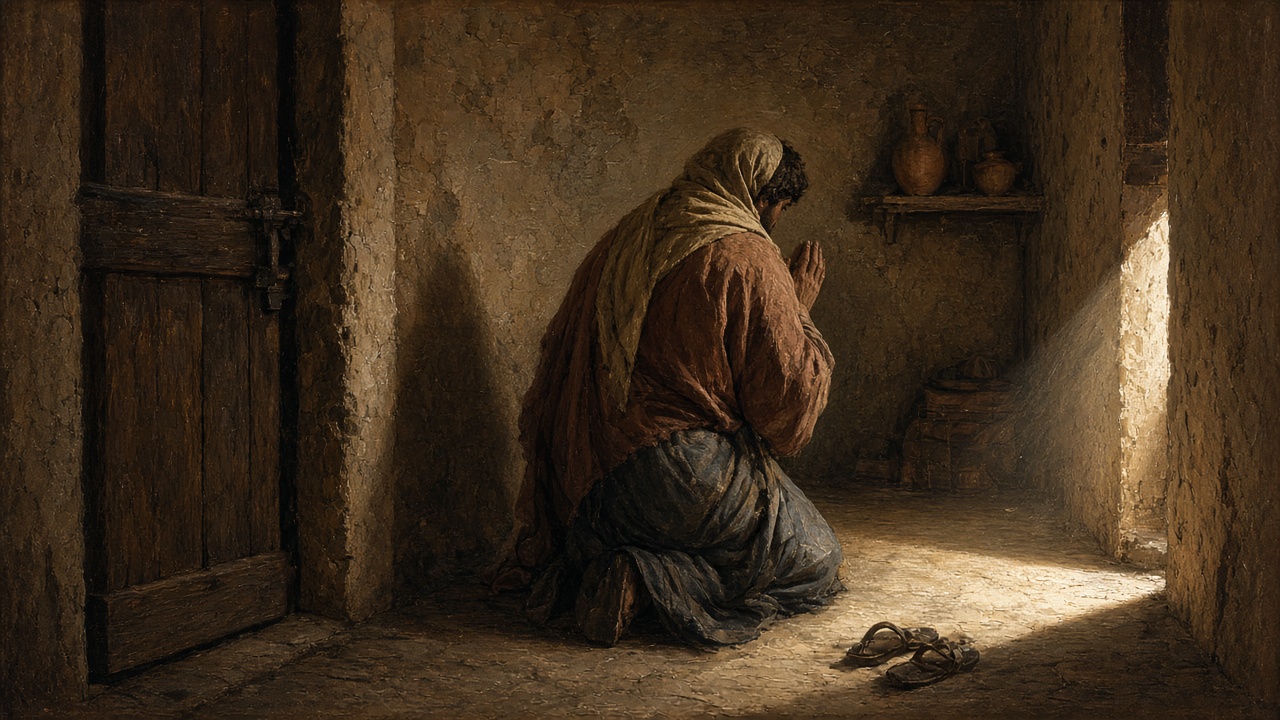
5Jare ndiyerure Tumpa pe yave, agüɨye iyapo upurumbɨtavɨ vae reta uyapo rami. Echa'ã jae reta uyerure Tumpa pe yave, uipota quía reta uecha vaerã. Jáeramo uyemboɨ judío reta itupao reta pe jare calle uyerea pe uyerure Tumpa pe yave. Añete che jae peve, jocua upurumbɨtavɨ vae reta güɨnoita'ã imbaerã jucuarãi uyapo ramo —jei—. 6Ẽrei nde ndiyerure Tumpa pe yave, ique ndero pe jare iyuquenda onque. Jayave iyerure ndeRu pe quía reta uicuaa mbae reve. Jare ndeRu uicuaata nde ndiyapo vɨari vae jare umeeta ndeve mbae opaete vae jovaque —jei—.
7Ẽrei piyerure Tumpa pe yave, agüɨye iyapo upurugüɨrovia mbae vae reta uyapo rami. Echa'ã jae reta jecuaeño umbɨaɨcuerecuere jei penti vaeño. Echa'ã ipɨa pe uyemɨngueta tẽi Tumpa uyapɨsacata jese reta jucuarãi uyapo yave —jei—. 8Jáeramo agüɨye piyapo jae reta uyapo rami. Echa'ã peRu uicuaa mbae uata peve vae ndei piyerure chupe jese mbove —jei—. 9Jáeramo piyerure Tumpa pe cuarãi:
‘OreRu ara pe neĩ vae, tuyembɨadoraca nderee.
10Tou ndeporoyocuia.
Tuyeyapo nde ndere vae cua ɨvɨ pe ara pe uyeyapo oĩ rami.
11Emee oreve opa ara orerembiurã.
12Embɨasa oreve orembaeyoa reta, ore numbɨasa ipotave iyoa orecotɨ vae pe rami.
13Jare agüɨye emaeño aña guasu re uyapoca vaerã oreve mbaeyoa.
Orerepɨ aña guasu güi.
Echa'ã nembae co mboroyocuia.
Nde nenoi opaete mbaepuere.
Opaete vae nembɨadorata jaeño mai pegua.
Amén.’
Jucuarãi piyerure —jei—.
14Echa'ã pe reta pembɨasa yave iyoa pecotɨ vae reta, peRu ara pe oĩ vae umbɨasata vi peve pembaeyoa reta —jei—. 15Ẽrei pembɨasa'ã yave iyoa pecotɨ vae reta, peRu ndarau vi umbɨasa peve pembaeyoa reta —jei—.
Tembíu güi uyecuacu vae reta
16Piyecuacu tembíu güi yave, agüɨye piyapo upurumbɨtavɨ vae reta uyapo rami. Echa'ã jae reta uyecuacu tembíu güi yave, uyecuaa ipɨatɨtɨ, ĩru vae reta uicuaa vaerã uyecuacu co ñugüɨnoi tembíu güi. Añete che jae peve, jae reta güɨnoita'ã imbaerã jucuarãi uyapo ramo —jei—. 17Ẽrei nde tembíu güi ndiyecuacu yave, iyapɨcatu ndea jare iyovae, 18agüɨye vaerã ĩru vae reta uicuaa ndiyecuacu co neĩ tembíu güi. Jaeño ndeRu uicuaata ndiyecuacu co neĩ tembíu güi vae. NdeRu uicuaata nde ndiyapo vɨari vae jare umeeta ndeve mbae opaete vae jovaque —jei—.
Piñuvatu mbaembae icavi vae piyupeguarã ara pe
19Agüɨye piñuvatu cua ɨvɨ pe jeta mbaembae icavi vae piyupeguarã. Echa'ã cua ɨvɨ pe cupii reta urucumegua mbaembae jare ĩru mbaembae iyuquɨrɨ urucumegua, jare imonda vae reta uique vɨari mbaembae oñomi vaerã —jei—. 20Piñuvatu mbaemabe icavi vae piyupeguarã ara pe. Echa'ã joco pe ndarau cupii reta urucumegua vaerã mbaembae jare ndarau mbae iyuquɨrɨ, jare ndarau imonda vae reta uique vɨari mbaembae oñomi vaerã —jei—. 21Echa'ã piñuvatu yave mbaembae icavi vae piyupeguarã ɨvɨ pe, jecuaeño pepɨa pe piyemɨnguetata ɨvɨ pegua re. Ẽrei piñuvatu yave mbaembae icavi vae piyupeguarã ara pe, jecuaeño pepɨa pe piyemɨnguetata ara pegua re —jei—.
Tembipe yanderete pegua
22Tembipe uique yanderete pe yanderesa rupi. Icavi yave nderesa, nderete tɨneeta tembipe pe. 23Ẽrei icavi'ã yave nderesa, nderete tɨneeta pɨ̃tumimbi pe. Nderete tɨneeta tẽi tembipe pe. Ẽrei tɨnee yave pɨ̃tumimbi pe, pɨ̃tumimbi ete co —jei—.
Mocui patrón
24Penti uyeyocui vae uipota yave uyeyocui mocui patrón pe, umɨtarẽɨta penti patrón jare uauta ĩru vae, ani uparavɨquɨ cavita penti patrón pe jare güɨrɨ̃rota ĩru vae. Pepuere'ã piyeyocui Tumpa pe corepoti peau reve —jei—.
Agüɨye piyemɨpɨa'ã mbaembae re
25Jáeramo che jae peve, agüɨye piyemɨpɨa'ã mbae re. Agüɨye piyemɨpɨa'ã perembiurã vae re. Jae ramiño vi agüɨye piyemɨpɨa'ã peremimonderã vae re. Ndarau pepuere pico cavi jecuaeño piyemɨpɨa'ã yave perembiurã vae re jare peremimonderã vae re —jei—. 26Pemae güɨra reta re. Jae reta umaetɨ'ã jare umbaevɨro'ã. Uñuvatu'ã vi avati avatío pe. Ẽrei peRu ara pe oĩ vae umɨngaru reta. Jare Tumpa perau ete güɨra reta güi —jei—. 27Aramoi piyemɨpɨa'ã pipota tẽi pepucu ramo. Ẽrei ndarau etei pepuere piyembɨcuacuaa pepucu ete vaerã —jei—.
28¿Maera pa piyemɨpɨa'ã peremimonderã vae re? Pemae mbaepotɨ reta re, quirãi ucuacuaa reta. Uparavɨquɨ'ã reta. Umaepova'ã reta vi. 29Ẽrei che jae peve, mbaepotɨ reta ipõra ete Salomón jemimonde ipõra vae güi. 30Tumpa omopõra ñana, yepe tẽi penti ara ñana oĩ co pe jare pɨareve pe ocai. Jáeramo Tumpa umeeta co peve peremimonderã. Michi ete co pepurugüɨrovia —jei—. 31Agüɨye piyemɨpɨa'ã mbae re. Agüɨye piyemɨpɨa'ã perembiurã vae re. Jae ramiño vi agüɨye piyemɨpɨa'ã peremimonderã vae re —jei—. 32Echa'ã opaete ɨvɨ pegua reta uyemɨpɨa'ã cua mbaembae re. Jare peRu ara pe oĩ vae uicuaa icavi co penoi vaerã opaete cua mbaembae —jei—. 33Ẽrei icavi co pipota ete vaerã Tumpa iporoyocuia jare pipota vaerã piyapo jupi vae Tumpa jupi vae uyapo rami. Jucuarãi yave, Tumpa umeeta peve opaete cua mbaembae —jei—. 34Jáeramo agüɨye piyemɨpɨa'ã pɨareve peguarã vae re. Echa'ã pɨareve pe uyeyapo yeta mbae pemɨpɨa'ã vaerã. Opa ara uyeyapo mbaembae pemɨpɨa'ã vaerã —jei—.
Did you know?
Secret righteousness and trust
- This chapter is part of the Sermon on the Mount. An event listing dates that sermon to AD 28 and records it as lasting one day.Sources: Sermon on the Mount · the Bible text itself
- Jesus says not to sound a trumpet in the synagogues and streets when giving to the needy, as the hypocrites do in order to be honored. He also warns against praying on street corners to be seen and against fasting with a disfigured face; instead, he describes praying in an inner room with the door shut, and fasting with an anointed head and a washed face.Sources: the Bible text itself
- Jesus says that not even Solomon in all his glory was adorned like one of the lilies of the field. A dictionary entry explains that his Hebrew name, Shelomoh, means “Peaceful,” that he was David’s son by Bathsheba, and that Nathan called him Jedidiah, “beloved of the Lord”; his reign is recorded in 1 Kings 1–11 and 2 Chronicles 1–9.Sources: the Bible text itself · Solomon
Notes written with AI assistance from open sources (Theographic Bible Metadata, CC BY-SA 4.0; Easton’s Bible Dictionary, public domain) and reviewed before publishing.
Credits and license for this translation
Nuevo Testamento Guaraní Pe
New Testament in Guaraní, Western Bolivian (BL:gnw:Guaraní, Western Bolivian)
copyright © 2012 Wycliffe Bible Translators, Inc.
Language: Guaraní, Western Bolivian
Translation by: Wycliffe Bible Translators, Inc.
Guaraní, Western Bolivian [gnw], Bolivia
Copyright Information
© 2012, Wycliffe Bible Translators, Inc. All rights reserved.
This translation text is made available to you under the
terms of the Creative Commons License: Attribution-Noncommercial-No Derivative Works.
( http://creativecommons.org/licenses/by-nc-nd/3.0/ )
In addition, you have permission to port the text to different file formats, as long as you
do not change any of the text or punctuation of the Bible.
You may share, copy, distribute, transmit, and extract portions
or quotations from this work, provided that you include the above copyright
information:
You must give Attribution to the work.
You do not sell this work for a profit.
You do not make any derivative works that change any of the actual words or punctuation of the Scriptures.
Permissions beyond the scope of this license may be
available if you contact
us with your request.
The New Testament
in Guaraní, Western Bolivian
© 2012, Wycliffe Bible Translators, Inc. All rights reserved.
This translation is made available to you under the terms of the
Creative Commons Attribution-Noncommercial-No Derivatives license 4.0.
You may share and redistribute this Bible translation or extracts from it in any format, provided that:
You include the above copyright and source information.
You do not sell this work for a profit.
You do not change any of the words or punctuation of the Scriptures.
Pictures included with Scriptures and other documents on this site are licensed just for use with those Scriptures and documents.
For other uses, please contact the respective copyright owners.
2014-04-25
Source: http://ebible.org/gnwNT/ · eBible.org