Leviticus 1
Gumatj Bible · Tap a verse to see its cross-references.
About this book
About Leviticus
- Easton's Bible Dictionary (1897) presents Leviticus as the third book of the Pentateuch and as the third book of Moses. The name, used in the Vulgate following the LXX, reflects the book's chief concern: the Levitical service.Sources: Easton: Leviticus
- Easton states that every ordinance in the book was delivered within one month, the first month of the second year after the Exodus. His entry on Sinai, also called Horeb, says the Hebrews reached that mountain district in the third month after the Exodus and remained encamped for about a whole year, and that the whole of Leviticus records what occurred there.Sources: Easton: Leviticus · Mount Sinai
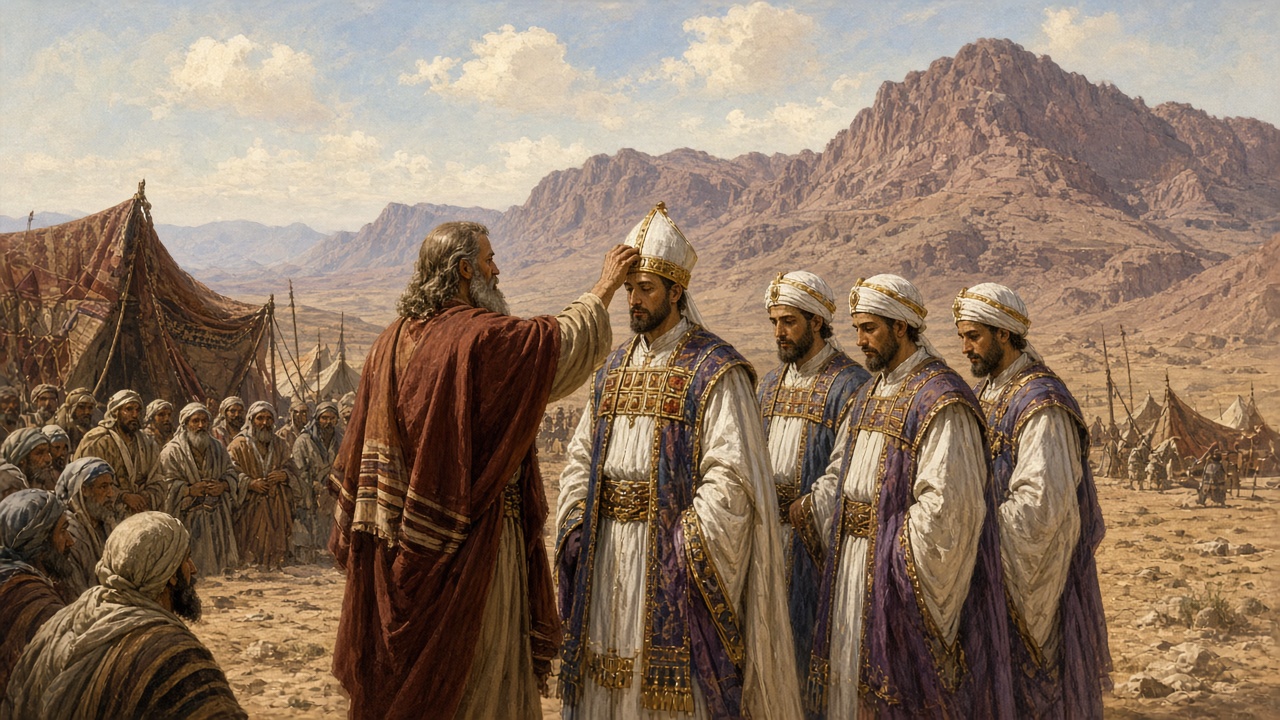
- Chapters 1–7 give laws for burnt offerings, meat offerings, and thank offerings, then for sin offerings and trespass offerings, and for the priests' duties in offering sacrifice. Chapters 8–10 recount the consecration of Aaron and his sons, Aaron's first offering for himself and the people, and the death of Nadab and Abihu, who were struck dead and buried outside the camp after offering strange, or common, fire not taken from the great brazen altar. Chapters 11–16 concern purity and the sacrifices and ordinances for putting impurity away.Sources: Easton: Leviticus · Nadab · Abihu
- Easton describes chapters 17–20 as laws marking the separation between Israel and other peoples. Further laws concern the priests' personal purity and their eating of holy things, offerings without blemish, and the due celebration of the great festivals in chapters 23 and 25. Promises and warnings about obedience follow, the book closes with a section on vows, and Easton notes that God is the direct speaker through almost the whole of it.Sources: Easton: Leviticus
- In the rites of chapter 16, one goat is associated with Azazel, which the Authorized Version renders scapegoat and the Revised Version leaves as Azazel. Easton reports that some Jewish interpreters take it as a place in the wilderness about twelve miles east of Jerusalem, while others take it as an evil spirit or even Satan, and he also notes a root meaning of separation.Sources: Azazel
Notes written with AI assistance from open sources (Theographic Bible Metadata, CC BY-SA 4.0; Easton’s Bible Dictionary, public domain) and reviewed before publishing.
Ḻakarama yukurra rombuy wäyingala gulaŋ‐waṉḏinyarayu
1:1–17 (The law about burnt offerings)
1Yo, ŋayi Garray wäthurruna Mawtjitjku bala ŋunhimala Withiyanminyarawuylili Buṉbulili, ga ŋunhalayina ŋayi Garrayyu wekaŋala ŋunhi romdja Mawtjitjkala nhanukalaŋuwu yolŋu'‐yulŋuwu Yitjuralpuyŋuwunydja, ga bitjarra ŋayi Garray waŋananydja Mawtjitjkala gam'. 2“Ŋunhi nhuma yurru marrtji galkithirrinydja gal'ŋu Godkala buku‐ŋal'yunarawunydja, nhuma yurru gämanydja wäyinnhanydja mak buliki mak läm mak nanikut, märr yurru ŋayi Garrayyunydja märrama muka nhumalanha, bäy‐ḻakaramana yurru nhumalaŋgu yätjpuynydja, liŋgu ŋuriŋina maŋgu'‐waṉḏinyarayu wäyingalana. 3Yo, djarr'yundja nhuma yurru ḏarramunha yana wäyinnhanydja buliki'nha, ḻatju'nha dhika ŋula nhämiriwnha, bala gämana ŋunhimala Buṉbulilina bathanarawu Garraywuna. 4Ga ŋunhili dhurrwaraŋuranydja, ŋayi yurru ŋunhi yolŋunydja goŋ‐ŋal'yunna ŋurikalayi wäyingalanydja muḻkurrlilina, ŋayinydja yurru ŋunhiyinydja wäyin burakirri ŋurikala yolŋuwala dharapulŋura, bala yurru Garrayyunydja ŋanya märramana yana ŋunhiyi yolŋunha, yakana ŋayi yurru nhämanydja yolŋuwu ŋurikiyi yätjtja, bala dhä‐ḏir'yundja, liŋgu maŋgu'yunydja ŋuriŋiyi wäyindhunydja monygumana yurru yätjtja ŋurikiyi yolŋuwu. 5Yo, ŋayi yurru ŋuriŋi yolŋuyunydja wutthunna ŋunhi wäyinnhanydja buliki'nhanydja ŋunhiliyina, bala yurru ŋuriŋinydja ḏalkarra'mirriyunydja märrama maŋguny'tja ŋunhiyi wäyinnha, bala warrkuḻumana marrtji ḻiw'maramana yana ŋunhiyi gali'lili malaŋulili ŋunhimala dhaliyarra'lilinydja, ŋunhi yukurra dhärra galki ŋunhi dhurrwaraŋura Godkala buṉbuŋura. 6Bala ŋuliŋurunydja ŋayi yurru ḏalkarra'mirriyunydja ŋuriŋi marrtji barrwaṉ' warrkuḻumana, bala mitmitthun muṉguykumana ŋunhi wäyinnha ŋanaktja marrtji. 7Bala dharpana ŋayi yurru rulwa'‐rulwaŋdhun ŋunhimalayi dhaliyarra'lilinydja, bala dhuŋgur'yunna. 8Ga ŋunhimalayi gurthalilinydja yurru walala gurrunhan ŋunhiyi wäyinnha malanha, muḻkurr ga yaḻmanga', bukmak yana warrpam'thun ŋayi yurru nhäranydja ŋunhiyi ŋunhiliyi dhaliyarra'ŋuranydja. 9Bala ŋayi yurru buŋgandja ŋunhiyi gaŋgathirri bala ŋawulul' Garraywuna, ga ŋayinydja yurru Garrayyunydja märramana yana ŋunhiyi wirrkina wal'ŋu yana ŋayaŋu‐djulŋithirrina.
10“Ga ŋunhi ŋayi yurru gäma ŋuriŋi yolŋuyu wäyinnha bembinha mak nanikutnha, wäyindja yurru ŋunhiyi ḻatju' wal'ŋu yana ŋula nhämiriw, djomu, ga bitjandhi liŋgu ŋayi yurru ŋunhiyi gulaŋdja wäyinnha ŋunhiyi djalkthunna marrtji gali'lilina malanyŋulili ŋunhimala dhaliyarra'lilinydja, bala bukmaknha yana rumbalnydja ŋunhi bathan ŋunhimalayi dhaliyarra'lilina wäyinnhanydja. Ga buŋgandja ŋayi yurru ŋunhiyi ŋawululny'tja gaŋgathirrina nhanŋu Garraywuna, ga ŋayinydja yurru ŋunhiyi märramana yana yulŋunydja ŋayaŋu‐ŋamathirrina wal'ŋu.
14“Ga ŋuli ŋayi yolŋu ŋurruwuyktja, ŋayinydja yurru gäma wäyin nyumukuṉiny', murryil mak ŋula nhä ḻumbuk, ŋayi yurru gulaŋdja ŋunhiyi waṉḏirri yukurra ŋunhiwalayina dhaliyarra'lilina, bala bathanna yurru rumbalnydja ŋunhimalayina dhaliyarra'lilina. Bala ŋayi yurru märramana Garrayyunydja ŋunhiyi yolŋunhanydja, liŋgu ŋuriŋiyinayi wäyingalana maŋgu'‐waṉḏinyarayu.”
Did you know?
The Burnt Offering
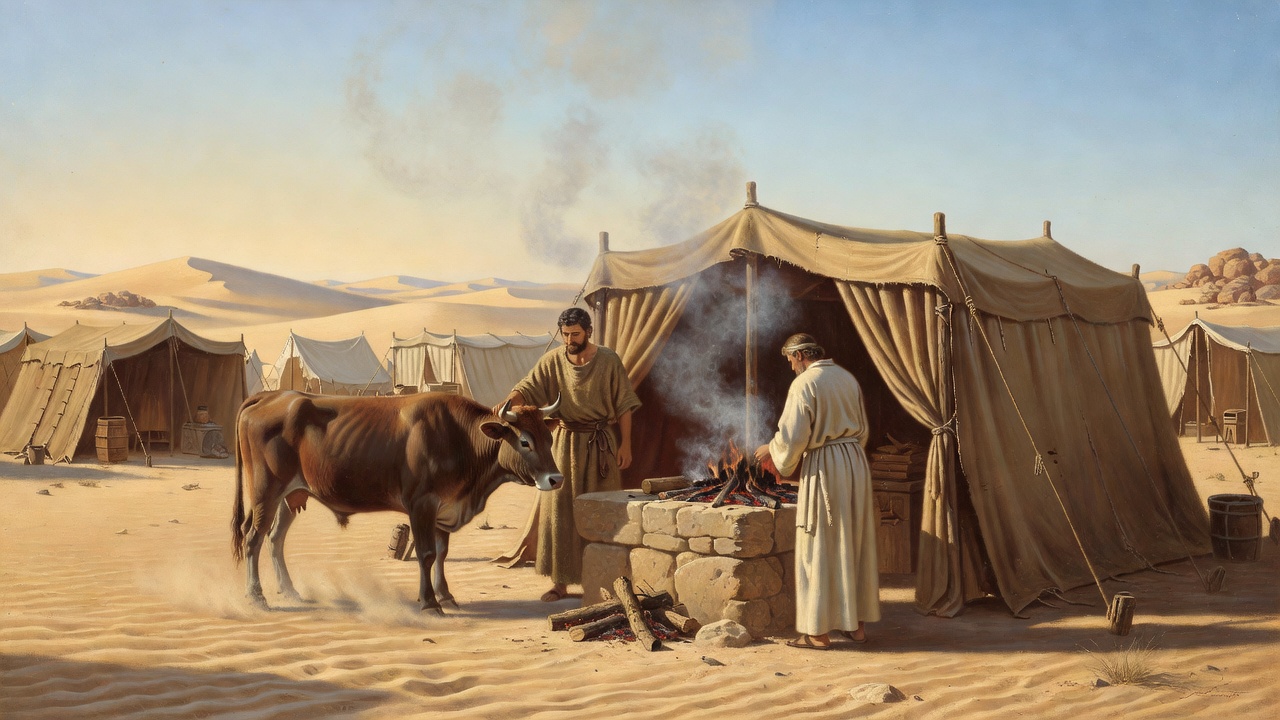
- The instructions for the burnt offering accommodate different economic means by allowing offerings from the herd, the flock (sheep or goats), or birds (turtledoves or young pigeons). For livestock, the animal was required to be a male without blemish.Sources: the Bible text itself
- The ritual required a clear division of roles between the worshiper and the priests. The worshiper brought the animal, laid a hand on its head for atonement, slaughtered it, skinned it, and washed its inner parts, while the sons of Aaron sprinkled the blood and burned the entire offering on the altar.Sources: the Bible text itself · Aaron
Notes written with AI assistance from open sources (Theographic Bible Metadata, CC BY-SA 4.0; Easton’s Bible Dictionary, public domain) and reviewed before publishing.
Credits and license for this translation
Gumatj Bible
The Holy Bible in the Gumatj language of Australia
copyright © 1989, 2017 Bible Society of Australia
Language: Gumatj
Old Testament published 1989; New Testament published 2017
This translation is made available to you under the terms of the
Creative Commons Attribution-Noncommercial-No Derivatives license 4.0.
You may share and redistribute this Bible translation or extracts from it in any format, provided that:
You include the above copyright and source information.
You do not sell this work for a profit.
You do not change any of the words or punctuation of the Scriptures.
Pictures included with Scriptures and other documents on this site are licensed just for use with those Scriptures and documents.
For other uses, please contact the respective copyright owners.
2025-10-10
Source: http://ebible.org/gnn/ · eBible.org