Joshua 1
Gumatj Bible · Tap a verse to see its cross-references.
About this book
About Joshua
- Easton's Bible Dictionary (1897) explains Joshua's name as "Jehovah is his help" or "Jehovah the Saviour." He was the son of Nun, of the tribe of Ephraim, born in Egypt, and Moses' successor as leader of Israel; the wars of conquest he carried on are recorded in the book that bears his name. That entry does not name the book's author or give a date for its writing.Sources: Easton: Joshua · Joshua
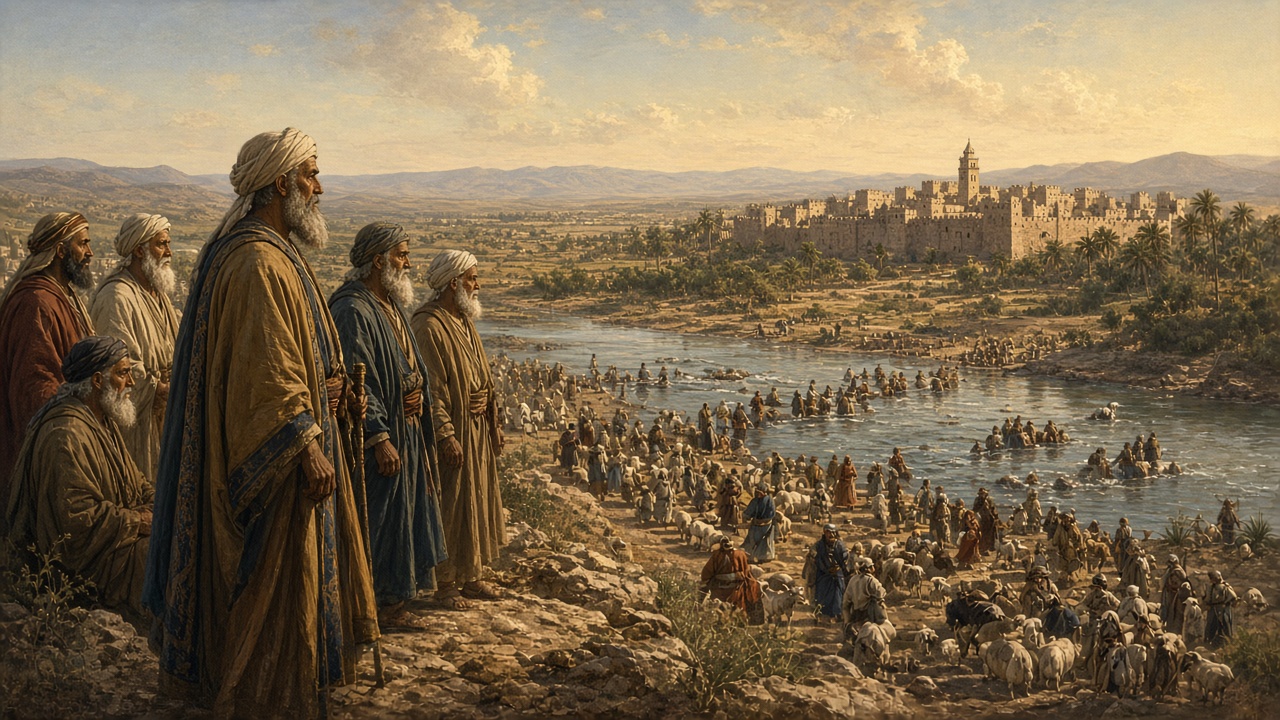
- When Joshua took command, the people were encamped at Shittim. They crossed the Jordan and camped at Gilgal, where, Easton says, he circumcised the people and kept the Passover. Jericho, a fortified city among palm trees about five miles west of the Jordan, is described as Canaan's strongest fortress and the key to western Palestine; Ai, east of Bethel, was the second Canaanite city taken, after an initial defeat.Sources: Easton: Joshua · Jericho · Ai
- Easton's Bible Dictionary (1897) says Joshua conquered six nations and thirty-one kings, then divided the land among the tribes, with Timnath-serah in Mount Ephraim assigned to himself. East of the Jordan, Gilead is described as a mountainous region held by the tribes of Gad and Reuben and the southern part of Manasseh.Sources: Easton: Joshua · Gilead
- Quoting Edersheim, the dictionary says Joshua's name was changed from Oshea, "help," to Jehoshua, "Jehovah is help," and notes that he is called Jesus in Acts 7:45 and Hebrews 4:8. It states that he died at the age of one hundred and ten, twenty-five years after crossing the Jordan, and was buried in his own city of Timnath-serah; of his father Nun, nothing more is recorded than that he was Joshua's father.Sources: Easton: Joshua · Joshua · Nun
- Before leading the conquest, Joshua commanded Israel's host against the Amalekites at Rephidim, served as Moses' minister, and was one of twelve sent to explore Canaan; only he and Caleb brought back an encouraging report. As Easton sketches the book, it runs from the crossing of the Jordan and the taking of Jericho through years of war to the division of the land and Joshua's last address.Sources: Easton: Joshua
Notes written with AI assistance from open sources (Theographic Bible Metadata, CC BY-SA 4.0; Easton’s Bible Dictionary, public domain) and reviewed before publishing.
Godthu ḻakaraŋala Djatjuwawala marrtjinyarawu buḏapthunarawu
1:1–9 (God commanded Joshua to go over into Canaan)
1Dhurrwaraŋuru ŋuliŋurunydja ŋunhi ŋayi Godku djämamirri yolŋu rakunydhina Mawtjitj yäku, bala ŋayi Godthu waŋana Djatjuwanhana, ŋunhinhana ŋunhi ŋayi Mawtjitjku guŋga'yunaramirri ŋäthili, ga bitjarrana ŋayi waŋananydja gam' Djatjuwawalanydja. 2“Djämamirrinydja ŋarraku Mawtjitjtja rakunynha liŋguna. Dhiyaŋunydja‐wala nhe yurru ga bukmak dhuwala yolŋu walala marrtjina yana buḏapthunna yurru balakurru Djodangurru mayaŋ'kurru, marrtjinydja nhuma yurru yana‐wala ŋunhimalayina wäŋalili ŋunhi ŋarra dhawu'mirriyaŋala nhumalaŋgu. 3Yo, ŋunhiyinydja wäŋa ŋarra yurru wekama nhumalaŋguna Yitjuralpuyŋuwuna bukmakkumana, beŋuru bili ŋanhdharkŋuru ga yana liŋgu ga‐ga‐ga‐a‐a ga ŋunha wapthun bukulili Lipananlili, nhumalaŋguwaynha yana ŋunhiyinydja wäŋa. 5Nhenydja Djatjuwa yurru dhärra wuṉḏaŋarrthirrina yana, bili yakana wiripuŋuyunydja yurru yolŋuyu djuḻkmarama nhuna. Ŋarranydja yurru nhokala bitjanna liŋguna galkina yana, bitjanna bitjarra ŋarra ŋäthili Mawtjitjkala. Yakana ŋarra yurru nhuna ganandja. 6Yaka nhe barrariyanydja, yana ŋoy‐wuṉḏaŋarrthiyana biyakana, bili nhena yurru dhuwala gäma yolŋu'‐yulŋunhanydja ŋurru‐warryun ŋunhimalayi wäŋalilinydja ŋunhi ŋarra dhawu'mirriyaŋala ŋäthili ŋunhiyi nhumalaŋgalaŋuwala märi'muwala walalaŋgala. 7Yana wuṉḏaŋarrthiyana dhärriyanydja barrarimiriwnha, ga märraŋa dhäruktja marrtjiya bukmaknha yana nhänha malaŋunha romnhanydja ŋunhi ŋayi Mawtjitjthu wekaŋala marrtjina nhokala, yana marrtjiya ŋuliyina liŋguna dhukarrkurru bala yana, ga yakana ŋula gatjpaḻ'yurranydja, märr nhe yurru nhina yukurra ŋamathamana yana‐wala. 8Biyaka liŋgu waŋiyanydja yukirriya dhuwali bili yana dhäruk, Garraywu wal'ŋu rom, ga ḻakaraŋa marrtjiya wiripuwurrumbalanydja; guyaŋiyanydja yukirriya ṉiṉ'thurra wal'ŋu biyaka yana yulŋunydja munha‐ŋuparra ga walu‐ŋuparra, märr yurru nhe djämanydja dhunupa marrtji yana, bitjan liŋgu bitjan dhuwali djorra'yu yukurra ḻakarama. Balakurruyinydja nhe yurru nhina rom‐dhunupana yana nhämiriwnha, ŋamakurru'na.
9“Gatjuy yana marrtjiyana, ga djämana marrtjiya barrarimiriwnha. Yakana barrariyanydja ŋula nhäkunydja malaŋuwu ŋunhi, ga yakana ḏaḏawyurranydja ŋuriŋiyi ŋunhi yurru ŋayi ŋula nhänydja maḻŋ'thun, liŋgu ŋarranydja dhuwala ŋarrapi Garray nhuŋunydja God; ŋarranydja yurru nhokala bitjan liŋgu yana, wanhamala nhe yurru marrtji yukurra.” Bitjarra ŋayi yukurrana Godthu ḻakaraŋalanydja Djatjuwawala.
Djatjuwayu ḻakaraŋala yolŋu'‐yulŋuwa girri'‐ŋamathinyarawu
1:10–18 (Joshua told the people to get ready)
10Bala yana ŋayi Djatjuwayu waŋana, dhäruknha wekaŋala ŋurru'‐ŋurruŋuwalana ḏarramuwurruŋgala bitjarrana, 11“Gatjuy marrtjiyana walala wäŋakurru ŋula ya' ḻiw'maraŋa, ga ḻakaraŋa marrtjiya ŋurupa yolŋuwana walalambala, walala yurru girri'‐ŋamathirrina ŋathana märrama djoṉguma marrtji, bili ŋilimurru boŋguŋu ḻurrkun'tja walu djuḻkmaraŋu marrtjina buḏapthurruna‐wala yana ŋuruku mayaŋ'ku Djodanbuyŋunydja. Ŋilimurru yurru marrtjina‐wala yana gärrina ŋunhamalanydja wäŋalili, bala märramana ŋilimurru yurru ŋunhayinydja wäŋanha, liŋgu ŋilimurrumbalay ŋunha wäŋa, ŋunhi ŋayipi Garrayyu yukurra wäŋanydja ŋunhiyi wekama ŋilimurrunha.”
12Bala Djatjuwa waŋanana ḻurrkun'kala bäpurru'wala, waŋganydja miṯtji Ropin mala, ga wiripunydja Gäd mala, ga wiripu‐guḻku'wala ŋunhi Manatjawala malawala, ga bitjarra ŋayi waŋananydja. 13“Guyaŋiya walala ŋunhi nhaltjarra Mawtjitjthu nhumalaŋgala ḻakaraŋala, ŋayi waŋananydja bitjarra gam', ‘Godthu yurru nhumalaŋgu wekamanydja dhuwala makarr wäŋa, dhuwala gali' mayaŋ' yurru nhumalaŋgunydja wäŋa nhinanharawu,’ bitjarra. 14Yo, nhumalaŋgu yumurrku' ga miyalk walala ga wäyin walala, walalanydja yurru dhiyala yukurra nhina galkundja nhumalaŋgu, yurru nhuma ḏarramuwurrunydja bukmak yurru buḏapthunna malthun ŋanapurruŋguna. Nhuma yurru marrtji guŋga'yun dhuwala nhumalaŋguway wäwa‐ŋalinha walalanha ya', 15ga yana liŋgu Garrayyu wekama yurru walalaŋgu dhuwali wäŋana walalaŋguna nhinanharawu. Nhuma yurru buŋanydja marrtjiya rrambaŋi yana bukmakkurru wäŋakurru, gukuŋa dhuwali miriŋunha, ŋunhi walala yukurra nhina dhiyalami wäŋaŋura yätjmirrina yanana. Ga ŋunhi yurru nhuma bukmaknha dhawar'marama, djuḻkmaramana wal'ŋu yurru, bala yana ŋuliŋurunydja nhuma yurru roŋiyirrina lili, ga nhinana yukurra yurru dhiyala nhumalaŋgalay nhuma wäŋaŋuranydja.”
16Ga walalanydja buku‐roŋiyinmaraŋala bitjarra, “Ŋanapurru yurru malthunna‐wala yana, ŋunhi nhe nhaltjan yurru waŋa ŋanapurruŋgala, ga marrtji ŋanapurru yurru wanhamala nhe yurru ŋanapurrunha djuy'yun. 17Ŋanapurru yukurra yurru malthun nhuŋuway dhärukkunydja, bitjan yana liŋgu bitjarra ŋanapurru yukurrana dhärukku malthurruna nhanŋu Mawtjitjku, ga bukumirriyamanydja ŋanapurru yurru Godnha, märr ŋayi yurru Garraynydja nhokala galki bitjan yana liŋgu, bitjanna bitjarra ŋayi yukurrana galkithina Mawtjitjkala. 18Dhärriya wuṉḏaŋarrthiya, ga yakana ŋula beyaṉiyiyanydja.” Bitjarra walala yukurrana waŋana ŋuriŋi ŋurru'‐ŋurruŋuyu ḏarramuwurruyu Djatjuwanhanydja.
Did you know?
Joshua Assumes Leadership
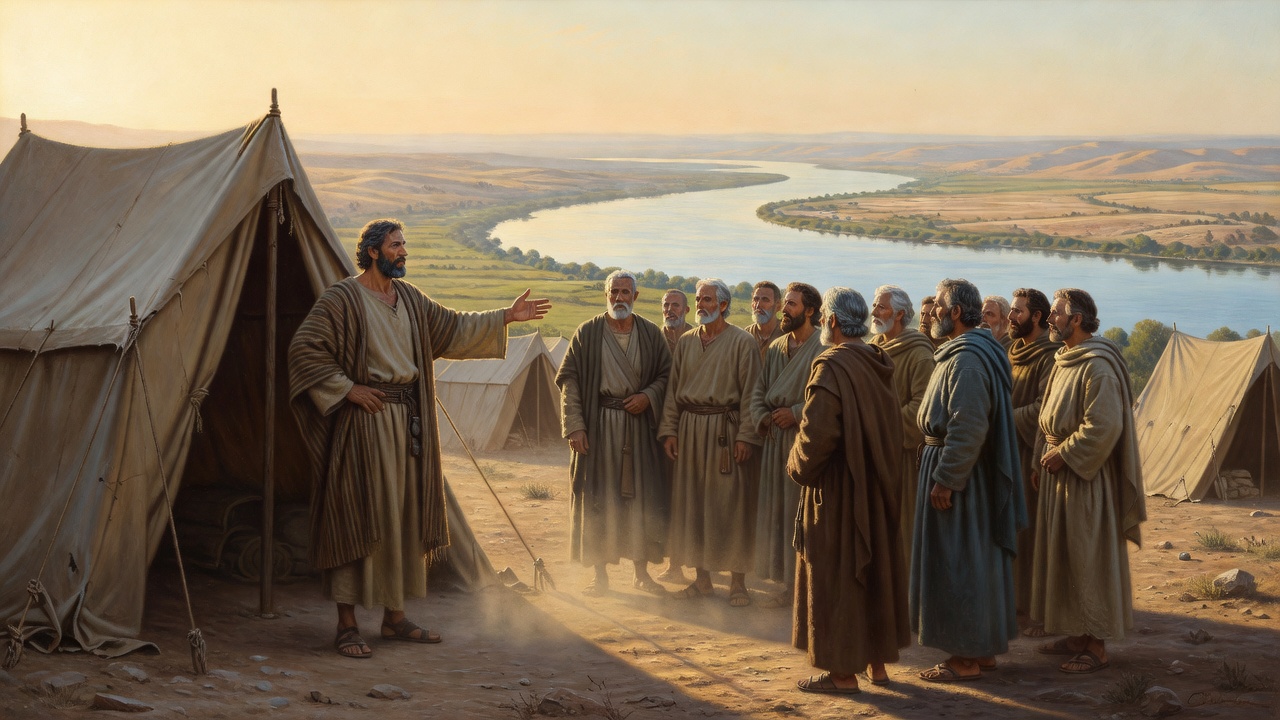
- Joshua, the son of Nun from the tribe of Ephraim, served as Moses' assistant and military commander before being commissioned to succeed him as leader of Israel. His name means "Jehovah is his help" or "Jehovah the Saviour."Sources: Joshua · the Bible text itself
- The territory outlined in God's commission to Joshua stretches from the southern wilderness and the Lebanon mountain range in the north to the Euphrates (called "the great river") in the east and the Mediterranean ("the Great Sea") to the west.Sources: the Bible text itself · Lebanon · Euphrates · Great Sea
- The tribes of Reuben, Gad, and the half-tribe of Manasseh had already received territory east of the Jordan River under Moses. However, their armed warriors were required to cross over ahead of the other tribes to assist them until the entire land was secured.Sources: the Bible text itself · Manasseh (son of Joseph)
Notes written with AI assistance from open sources (Theographic Bible Metadata, CC BY-SA 4.0; Easton’s Bible Dictionary, public domain) and reviewed before publishing.
Places in this chapter
- Jordan · Today: Jordan River · 31.761, 35.558 · verses 2, 11, 14, 15
- Euphrates · Today: Euphrates River · 31.004, 47.442 · verse 4
- Great Sea · Today: Mediterranean Sea · 31.805, 34.170 · verse 4
- Lebanon · 33.540, 35.584 · verse 4
- Negeb · 31.245, 34.841 · verse 4
- Syria · Today: Aram · 33.511, 36.306 · verse 4
Only places identified with high confidence are shown (90% or more according to the scholarly sources compiled by OpenBible). Period map: DARE (Digital Atlas of the Roman Empire), CC BY 4.0; modern map: © OpenStreetMap contributors; places: OpenBible.info (CC BY 4.0).
Credits and license for this translation
Gumatj Bible
The Holy Bible in the Gumatj language of Australia
copyright © 1989, 2017 Bible Society of Australia
Language: Gumatj
Old Testament published 1989; New Testament published 2017
This translation is made available to you under the terms of the
Creative Commons Attribution-Noncommercial-No Derivatives license 4.0.
You may share and redistribute this Bible translation or extracts from it in any format, provided that:
You include the above copyright and source information.
You do not sell this work for a profit.
You do not change any of the words or punctuation of the Scriptures.
Pictures included with Scriptures and other documents on this site are licensed just for use with those Scriptures and documents.
For other uses, please contact the respective copyright owners.
2025-10-10
Source: http://ebible.org/gnn/ · eBible.org