Isaiah 11
Gumatj Bible · Tap a verse to see its cross-references.
Yolŋu yurru nhina yukurra wapurarrnha mäwaya'ŋurana
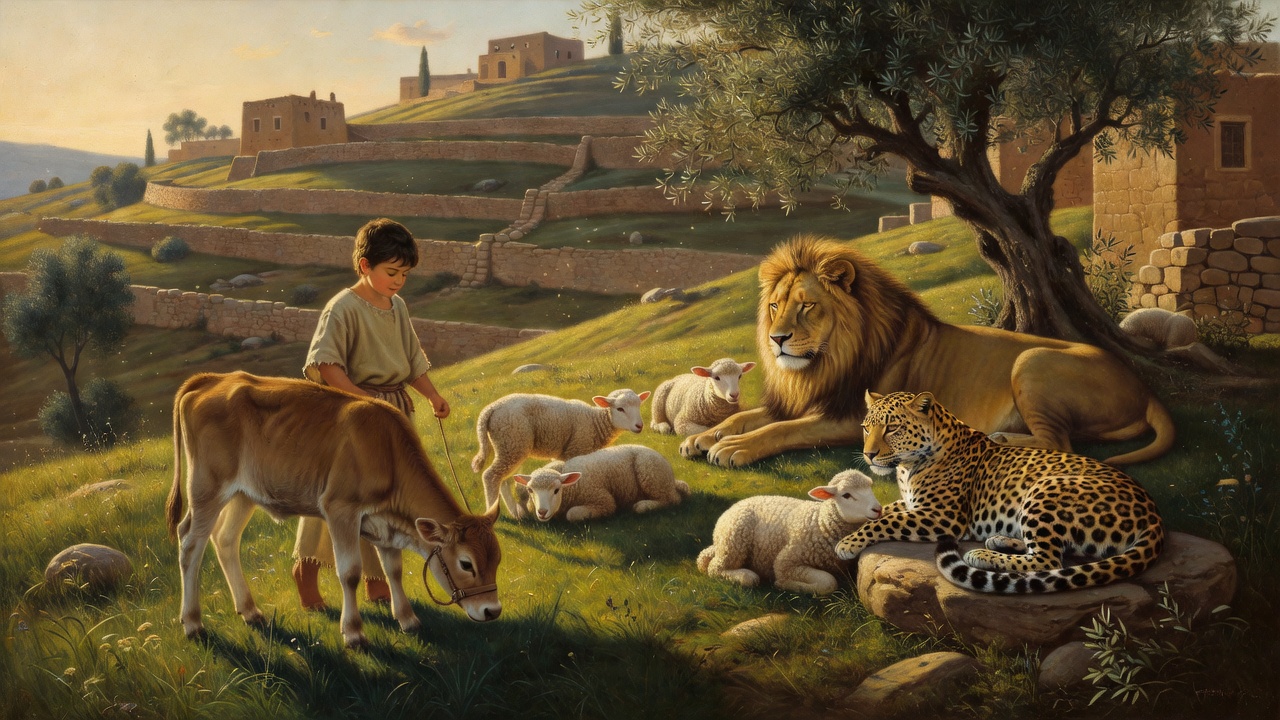
11:1–9 (The peaceful kingdom)
1Yo, Daypitkuŋunydja mala‐wunharawuy yurru balanyarana bitjan dharpa gulkthunarawuy dhuḏi‐wumbunhara yana, yurru ŋuliŋuruyi ŋunhi gulkthunaraŋurunydja ŋayi yurru biyapul dhamany'tjun, yuṯana dhawaṯthun yurru, yuṯana ŋayi yurru buŋgawa walma ŋuliŋuruyi Daypitkalanydja yarraṯaŋuru mala‐wunharawuy.
2Ŋunhiyi yuṯanydja yurru buŋgawa bitjan ḻiya‐djambatjnha ŋayi,
ga marŋgina ŋayi biyapul'nha wal'ŋu,
liŋgu Garraywunydja yurru ŋunhi Birrimbirrnydja walŋanydja nhinana yukurra ŋunhili nhanukala.
Yuwalk gal'ŋu yana ŋayi yurru Godku marŋgiyirrinydja,
ga märr‐ŋal'yun ŋayi yurru yuwalkkuma nhanukala,
bala ŋayi yurru gämana yolŋu'‐yulŋunhana yukurra ŋamathamana,
ga marŋgikumana ŋayi yurru yukurra walalanha dhunupakumana wal'ŋu yana.
3Yanana ŋayi yurru marrtjinydja yukurra nhanukalaynha Garraywalana gatjaḻkurrunydja‐wala,
liŋgu ŋayi djäl ŋayi yurru dhäruk‐märrama ŋanyapinyay yana waŋganynha.
Ŋayi yurru mala‐yarr'yundja yolŋu'‐yulŋunhanydja ŋamathama yana dhunupa wal'ŋu, rom‐waŋganydhirri yana,
ga gali'lilinydja ŋayi yurru wapthun ŋurikala ŋurruwuykkala wal'ŋu yolŋuwala ga goŋmiriwŋura ŋunhi,
ŋunhiyinhana ŋayi yurru guŋga'yundja.
Ŋayi yurru dhäruknha waŋanydja yana waŋganynha,
bala ŋunhinydja dhuwurr‐yätjnhanydja yolŋunha yurru dhä‐ḏir'yunna, rakunydhirrina yurru.
5Liŋgu bitjan liŋgu ŋayi yurru djämanydja nhä ŋunhi dhunupa ga ŋamakurru' Godkala maŋutjiŋura.
6Yo, ŋulinyaramirriyuyinydjayi dhuwala munathany'tja wäŋa yurru wiripuŋuyirrina ŋanydjaḻa'yunna,
bitjan liŋgu wapurarryirrina warrpam'nha yurru marimiriwnha nhämiriwnha.
Yo, maṉḏa yurru wäyin maṉḏa wakinŋu wuŋgan ga läm, maḏakarritj ga boḏiny nhina‐dharra rrambaŋina yurru,
ŋaḻwa'yunna maṉḏa yurru yana ḻundu'manydjina,
ga yothu' buliki' ga läyin, maṉḏa yurru ḻuka marrtji ŋatha rrambaŋina yana mulmunydja,
ga yumurrku' yurru yolŋu walala djäkanydja yukurra ŋurikiyi wäyingu.
Yo, ŋuriŋiyinydjayi maḏakarritjthunydja wäyindhu malaŋuyu yurru ḻuka marrtji mulmuna,
bitjan yana liŋgu bitjan ŋuli buliki'yu ḻuka,
yakana walala yurru buma yolŋunha wo wiripuŋunha wäyinnha.
8Ga ŋuli yurru yothu' ŋaḻwa'yun nhina galki bäpiwalanydja,
ŋuriŋi bäpiyunydja yurru yakana ḻäwuma ŋunhiyi yothu'nha.
9Ŋunhi yurru ŋayi ŋunhiyinydjayi buŋgawa nhina yukurra ŋunhiliyinydja bukuŋura Djurutjalamdja wäŋaŋura,
yakana yurru ŋula yol yolŋu ga wäyin burakirrinydja ŋulinyaramirriyu ŋula nhäyu,
ga yakana yurru ŋula yolthu djäma yätjkumanydja, yätjtja ŋunhili.
Liŋgu bukmaknha yurru miṯtji bukmakŋurana wäŋaŋuranydja buku‐ḻiw'marama marŋgiyirrina nhanŋu Garraywu,
liŋgu bukmak yurru dhuwala buku‐ḻiw'marama wäŋanydja monyguma yukurra ŋuriŋina bili nhanukala ḻatju'yuna dhikana wal'ŋu.
Did you know?
The Peaceful Kingdom and the Restored Remnant
- Jesse of Bethlehem was the father of King David. By describing the coming ruler as a shoot from the stump of Jesse and as the root of Jesse, the prophecy points to a renewal of the Davidic line even after the royal house appeared cut down.Sources: Jesse · the Bible text itself
- The places listed for the gathering of the remnant reflect the ancient Near Eastern world: Pathros designates Upper Egypt, Shinar is an ancient name for Babylonia in southern Mesopotamia, and Elam was a highland territory east of Babylon.Sources: Pathros · Shinar · Elam · the Bible text itself
- Ephraim, named for the second son of Joseph, was often used in prophetic literature to represent the northern kingdom of Israel. Isaiah foresees a time of lasting reconciliation that ends the long-standing jealousy and conflict between the northern tribes and Judah.Sources: Ephraim · the Bible text itself
Notes written with AI assistance from open sources (Theographic Bible Metadata, CC BY-SA 4.0; Easton’s Bible Dictionary, public domain) and reviewed before publishing.
Places in this chapter
- Assyria · 36.359, 43.153 · verses 11, 16
- Cush · Today: Cush 1 · 16.935, 33.751 · verse 11
- Egypt · 30.129, 31.308 · verses 11, 16
- Elam · 32.189, 48.258 · verse 11
- Great Sea · Today: Mediterranean Sea · 31.805, 34.170 · verse 11
- Hamath · Today: Hama · 35.136, 36.750 · verse 11
- Pathros · Today: Upper Egypt · 24.100, 32.700 · verse 11
- Shinar · Today: Babylonia · 32.543, 44.422 · verse 11
- Ammon · 31.955, 35.934 · verse 14
- East · Today: region around Amman · 31.955, 35.934 · verse 14
- Edom · 30.746, 35.604 · verse 14
- Moab · Today: Moab 1 · 31.181, 35.701 · verse 14
- Philistia · 31.664, 34.546 · verse 14
- Euphrates · Today: Euphrates River · 31.004, 47.442 · verse 15
Only places identified with high confidence are shown (90% or more according to the scholarly sources compiled by OpenBible). Period map: DARE (Digital Atlas of the Roman Empire), CC BY 4.0; modern map: © OpenStreetMap contributors; places: OpenBible.info (CC BY 4.0).
Credits and license for this translation
Gumatj Bible
The Holy Bible in the Gumatj language of Australia
copyright © 1989, 2017 Bible Society of Australia
Language: Gumatj
Old Testament published 1989; New Testament published 2017
This translation is made available to you under the terms of the
Creative Commons Attribution-Noncommercial-No Derivatives license 4.0.
You may share and redistribute this Bible translation or extracts from it in any format, provided that:
You include the above copyright and source information.
You do not sell this work for a profit.
You do not change any of the words or punctuation of the Scriptures.
Pictures included with Scriptures and other documents on this site are licensed just for use with those Scriptures and documents.
For other uses, please contact the respective copyright owners.
2025-10-10
Source: http://ebible.org/gnn/ · eBible.org